
Disclosure: As an Amazon Associate, My Indoor Space earns from qualifying purchases through links in this article, at no extra cost to you.
Quick verdict
Choose a rasp for frequent fine zesting and delicate hard-cheese finishing. Choose a box grater for larger quantities and multiple grating sizes. A fine face on a box grater and a dedicated rasp should not be assumed to make identical results.
Research-based buying guide. Information checked October 16, 2026. We have not tested these products hands-on; published specifications and our buying judgments are identified separately.
rasp zesters
box graters
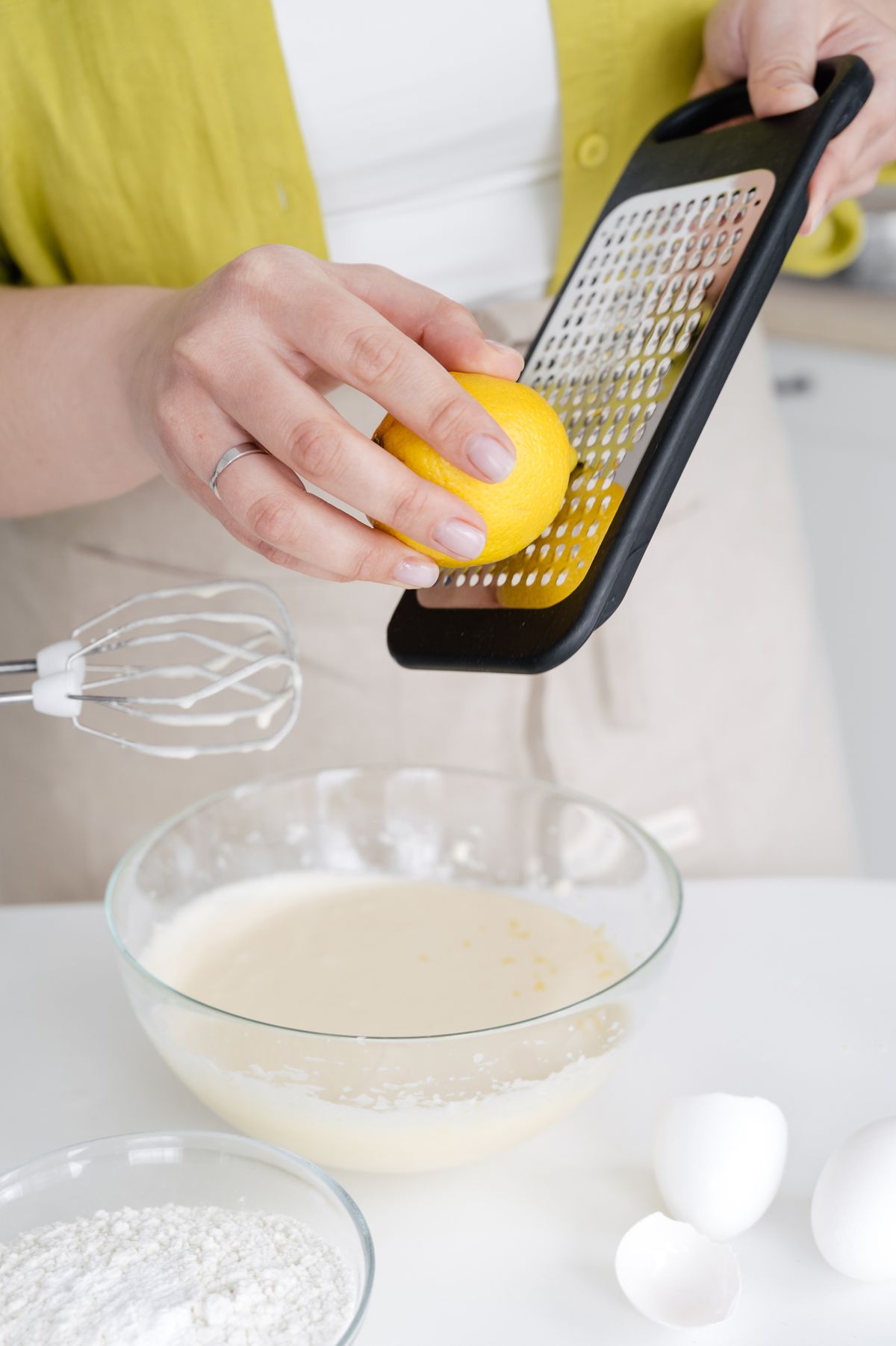
The most useful grater is the one that produces the size you need without awkward handling. A narrow rasp can finish a plate neatly, while a box grater can process a larger ingredient on a supported surface. Buying one does not necessarily make the other redundant.
Match the tool to the result
| Task | Rasp zester | Box grater |
|---|---|---|
| Citrus zest | Purpose-built fine grating is useful | Check the fine face and handling |
| Larger cheese or vegetable shreds | Not its main purpose | Choose a suitable coarse or medium face |
| Drawer space | Check blade cover and length | Needs space for a larger body |
When a rasp earns the drawer space
Microplane’s Premium Classic is a dedicated zester/grater. A fine rasp can be convenient when a recipe needs zest or a small finishing quantity. Consider how you will hold the tool over a bowl or plate, and check whether its working length fits your storage drawer with the cover on.
The blade pattern matters. Not every slim handheld grater is the same fineness, and the brand name alone does not identify the result. Search the exact blade style before ordering. We have not compared cutting sharpness, output speed or long-term wear hands-on.
When the box grater is the better first buy
OXO’s cited Box Grater provides coarse, medium and fine grating surfaces plus slicing. That range suits a cook who regularly needs several textures rather than just zest. Compare the base stability, handle clearance and whether the working faces are large enough for your ingredients.
A wider tool can be more practical for a bowlful of shreds, but check how you will collect them. An included container may simplify a small batch; it may also be too small for your usual recipe. Count the useful functions, not simply the number of faces.
Cleaning and storage affect the value
Read the cleaning instructions for the selected product. Small food particles can lodge around cutting surfaces, so inspect how you will clean it without dragging fingers across sharp openings. Dishwasher permission and recommended care are not identical questions for every tool.
A protective cover can help keep an exposed rasp from contacting other drawer contents. For a box grater, check the cupboard footprint and the way any container nests. Storing either with knives or loose utensils should follow the product’s guidance rather than a crowded-drawer photograph.
Do you need both?
Buy the rasp first if citrus zest and fine finishing are frequent jobs and you rarely shred larger quantities. Buy the box grater first if meal preparation needs several sizes. Add the second only when your existing tool leaves a clear gap. Replacing a dull or damaged tool can be more worthwhile than accumulating another shape you seldom use.
Compare listings in your country
These buttons open matching Amazon search results, rather than a guaranteed in-stock offer. Confirm the exact model, seller, included parts, delivered price and return terms. Prices and availability can differ between the United States and Canada.
rasp zesters
box graters
Related guides on My Indoor Space
- Silicone vs Wooden Kitchen Utensils: Which Should You Buy First?
- Magnetic Knife Strip vs In-Drawer Knife Block: Which Saves Space?
- Best Ergonomic Kitchen Tools for Easier Meal Prep