
Disclosure: As an Amazon Associate, My Indoor Space earns from qualifying purchases through links in this article, at no extra cost to you.
Quick verdict
Choose motion sensing when you want light mainly during movement through the area. Choose dusk-to-dawn when a continuous low-level glow in darkness suits the routine. The functions can coexist in one product, so check how its motion and ambient-light sensors work together.
Research-based buying guide. Information checked October 16, 2026. We have not tested these products hands-on; published specifications and our buying judgments are identified separately.
motion-sensing night lights
dusk-to-dawn night lights
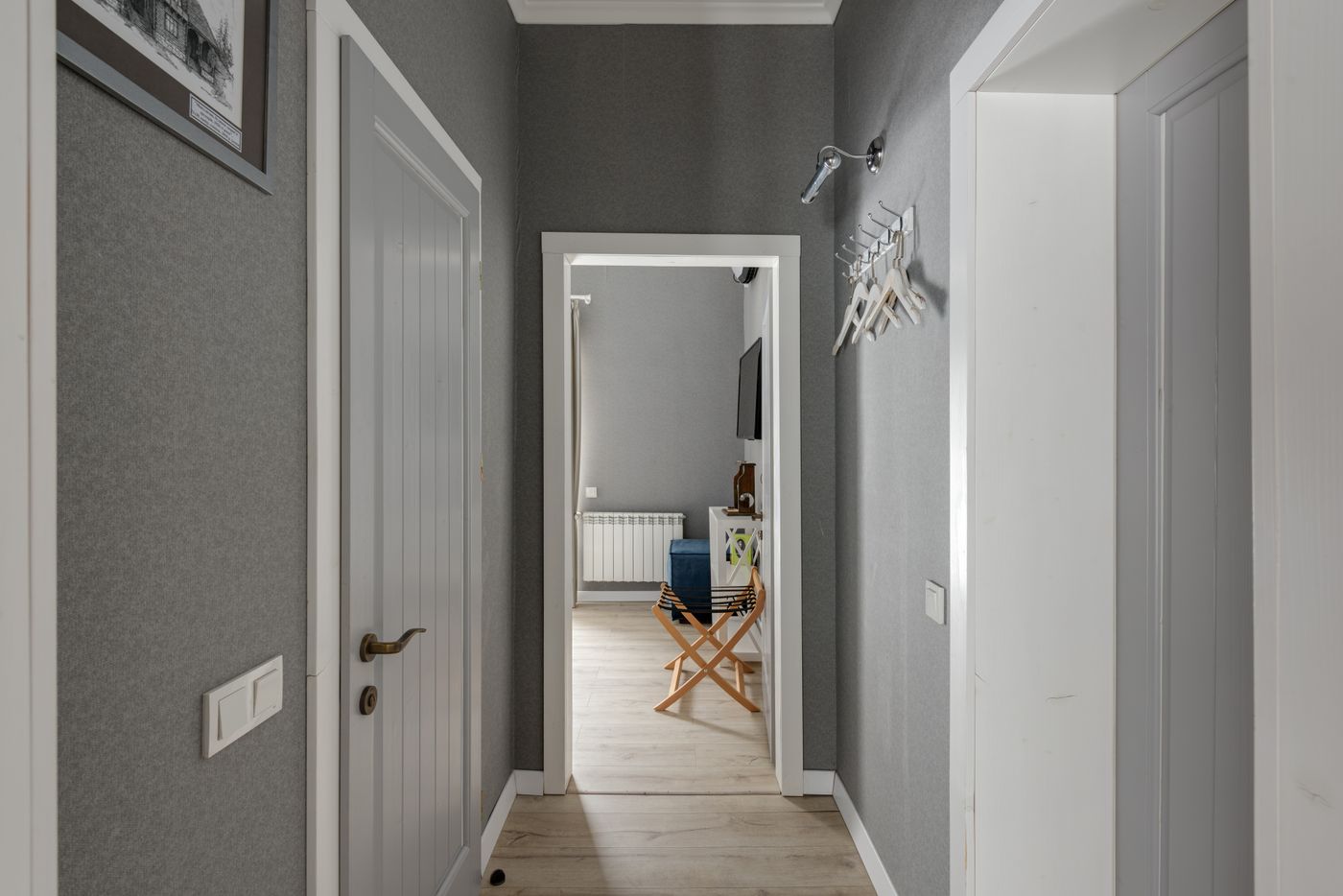
A night light should operate when you expect it to, without making the room brighter than you prefer. Motion sensing and dusk-to-dawn describe different triggers. Understanding those triggers is more useful than simply choosing the product with the largest number of automatic features.
Compare when the light operates
| Preference | Motion-based operation | Dusk-to-dawn operation |
|---|---|---|
| Light during a passing visit | Suitable when the sensor sees the approach | Already on if the room is dark enough |
| Continuous low glow | Check for an optional continuous mode | Main purpose of the ambient sensor |
| Important specification | Detection area and timeout | Ambient-light behavior and dimming |
When motion sensing works better
A motion light can suit a hallway you pass through briefly. Check the approach direction, obstructions and where the sensor sits relative to the path. A stated detection distance does not guarantee that the light will respond through a doorway or around furniture.
Jasco’s cited GE motion model combines movement detection with activation only in darkness and a timeout after movement ends. That example shows why motion and ambient sensing are not opposites. Read the behavior of the exact model rather than expecting every “motion light” to remain off in daylight automatically.
When dusk-to-dawn is enough
If you prefer a steady glow throughout the dark period, an ambient-light sensor can be simpler. Check where the sensor will sit: a blocked or unusually shaded position can change what it perceives. Dusk-to-dawn does not necessarily mean the device follows a clock.
A dimming control can be useful when the light is visible from a bedroom. Choose brightness and direction around the actual space rather than buying the strongest output. A decorative color mode is optional; it does not establish whether the path is illuminated as you prefer.
Check outlet fit and power behavior
Measure the space beside the outlet and whether the night light leaves an adjacent socket usable. A product that claims this with one orientation may fit differently around your plug arrangement. Do not hide a sensor behind furniture simply to keep the device out of sight.
Most ordinary plug-in lights need mains power. Battery-backup models are a separate feature to verify, not an automatic benefit of either sensor type. If outage operation is important, read the actual backup function and maintenance requirements instead of assuming the night light will remain lit.
Which should you buy?
Choose motion when you want brief illumination and the sensor can cover the route. Choose dusk-to-dawn for a continuous dark-room glow with suitable brightness. Keep a working light if its timing already suits you. An adjustable or direction-controlled model may solve an annoyance more directly than switching sensor categories.
Compare listings in your country
These buttons open matching Amazon search results, rather than a guaranteed in-stock offer. Confirm the exact model, seller, included parts, delivered price and return terms. Prices and availability can differ between the United States and Canada.
motion-sensing night lights
dusk-to-dawn night lights
Related guides on My Indoor Space
- Best Hallway Motion-Sensor Night Light
- Best Under-Cabinet Lighting for Renters
- Smart Plug vs Mechanical Timer: Which Should Control Your Lamps?