
Disclosure: As an Amazon Associate, My Indoor Space earns from qualifying purchases.
Quick verdict
T100 is worth considering when movement is a useful trigger for compatible Tapo lights and a supported hub is already available or budgeted. Keep a manual button for deliberate control or a timer for predictable schedules. A motion sensor is less useful when the real need is reliably recognizing a person sitting still.
Research-based buying guide. Checked October 17, 2026. We have not tested these products hands-on. Manufacturer information, attributed external findings and our editorial judgments are distinguished below.
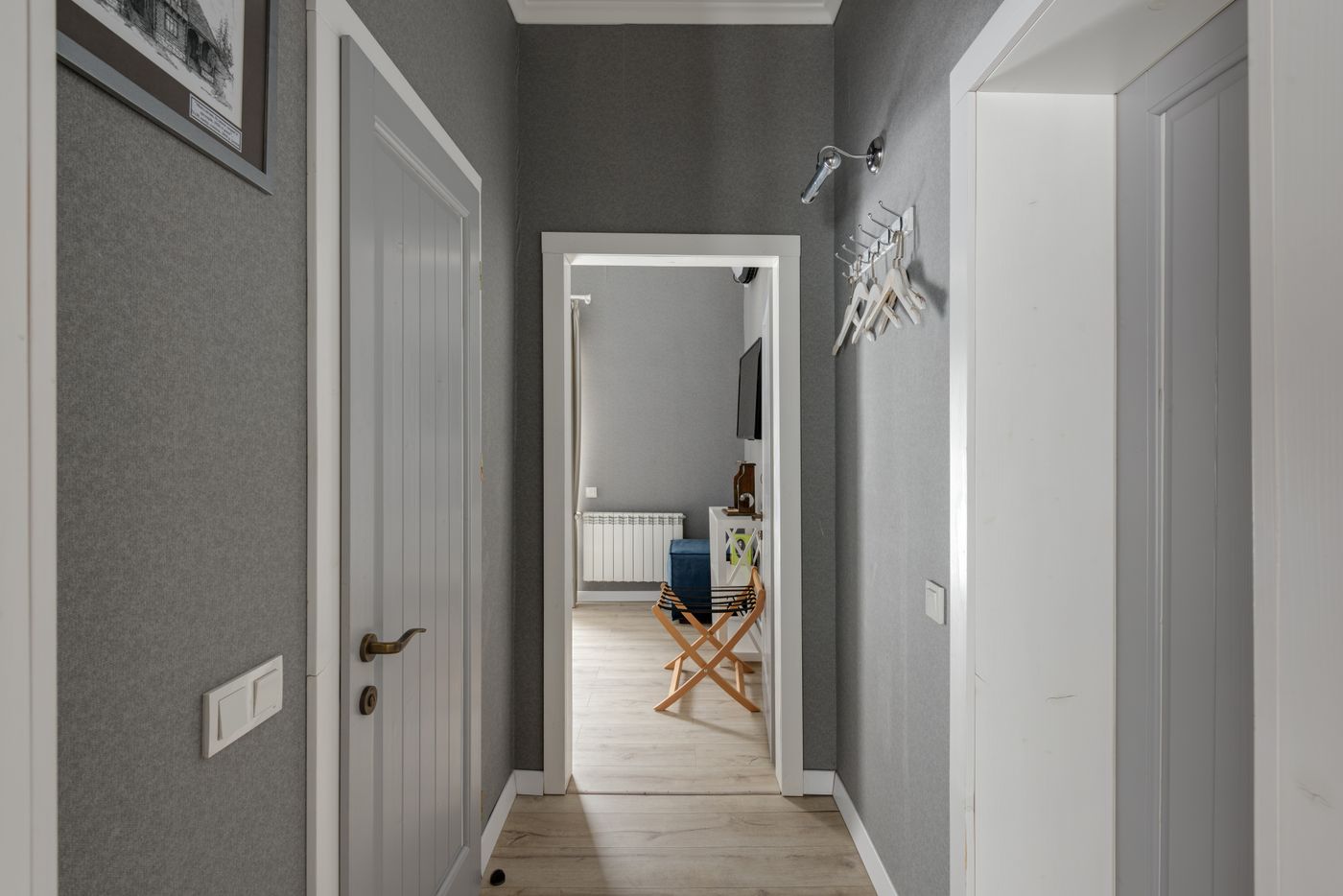
Which option fits your routine?
| Choice | Choose it for | Tradeoff |
|---|---|---|
| T100 motion sensor | Lighting triggered by movement | Hub, placement and detection interval |
| Manual button | A deliberate lighting decision | Someone must press it |
| Timer or schedule | A predictable routine | Does not respond to actual movement |
Budget for the correct regional hub
TP-Link says the T100 requires a Tapo hub. It uses a Sub-1GHz radio link, and the official page warns that different regions use different frequency bands. Confirm the sensor and hub are a supported regional pair rather than buying an import because the model name matches.
A compatible Wi-Fi router alone does not replace the required sensor hub. Include the hub, power connection and controlled lights in the complete system cost. Existing Tapo owners may already have suitable infrastructure; a first-time buyer should check that before comparing sensor prices.
Range is a manufacturer specification
TP-Link advertises adjustable sensitivity, up to seven meters of detection and a 120-degree view. It also allows modifying the detection interval. Those features give setup choices; they are not independent proof that every position in your hallway will behave as expected.
We have not measured detection range, missed events or false activations. Consider doors, furniture and other movement in the intended view. Test the actual routine before relying on an automatic off-time that may be inconvenient while someone remains in the room.
Movement and presence are different buying questions
A motion trigger can suit walking through an entryway or reaching a cupboard. A reading chair, desk or other low-movement activity creates a different requirement. Do not buy from a lighting demonstration alone if the intended room use is mostly seated.
A manual control can remain useful alongside automation. Decide what should happen when somebody wants the light on longer or prefers it off. The best automation is one that fits the room’s use and remains understandable to everyone sharing it.
Our buying decision
Buy T100 when a specific movement-triggered task, compatible regional hub and suitable mounting location are established. TP-Link lists a battery-powered design and magnetic or adhesive placement; follow supplied instructions and leave access for maintenance.
Skip it when a schedule or ordinary button already handles the task, when the hub cost is disproportionate or when a different sensing technology is required. Battery-life claims depend on conditions. We have not tested it as a security system and do not promise that notifications or hub alarms replace a monitored protective service.
Buying in the United States or Canada
Choose the button for your country and compare the exact model, included parts, seller, delivered cost and return terms. Offers and replacement-part availability can differ between Amazon USA and Canada. Confirm regional manufacturer support before relying on a guarantee for an imported product. We do not promise stock, a fixed price or delivery to every address.
Related guides on My Indoor Space
- Is the Philips Hue Dimmer Switch V2 Worth It?
- Is the Aqara Wireless Mini Switch Worth It for Everyday Controls?
- Smart Plug vs Mechanical Timer: Which Should Control Your Lamps?
Sources and research
- TP-Link Canada: Tapo T100 hub requirement, regional bands and detection specifications
- TP-Link Canada: sensor-line introduction and intended automation roles
Specifications establish stated features, not independent proof of performance. We base our value judgments on the task, fit, upkeep and alternatives. External experiences are attributed to their sources; no personal testing or measured savings is claimed.