
Disclosure: As an Amazon Associate, My Indoor Space earns from qualifying purchases through links in this article, at no extra cost to you.
Quick verdict
Consider steel when pizza is the main job and you accept its weight, care and faster heat transfer. Consider a suitable stone when weight, budget or a gentler baking surface matters more. Check your oven’s instructions and the accessory’s fit before choosing either.
Research-based buying guide. Information checked October 16, 2026. We have not tested these products hands-on; published specifications and our buying judgments are identified separately.
baking steels
pizza stones
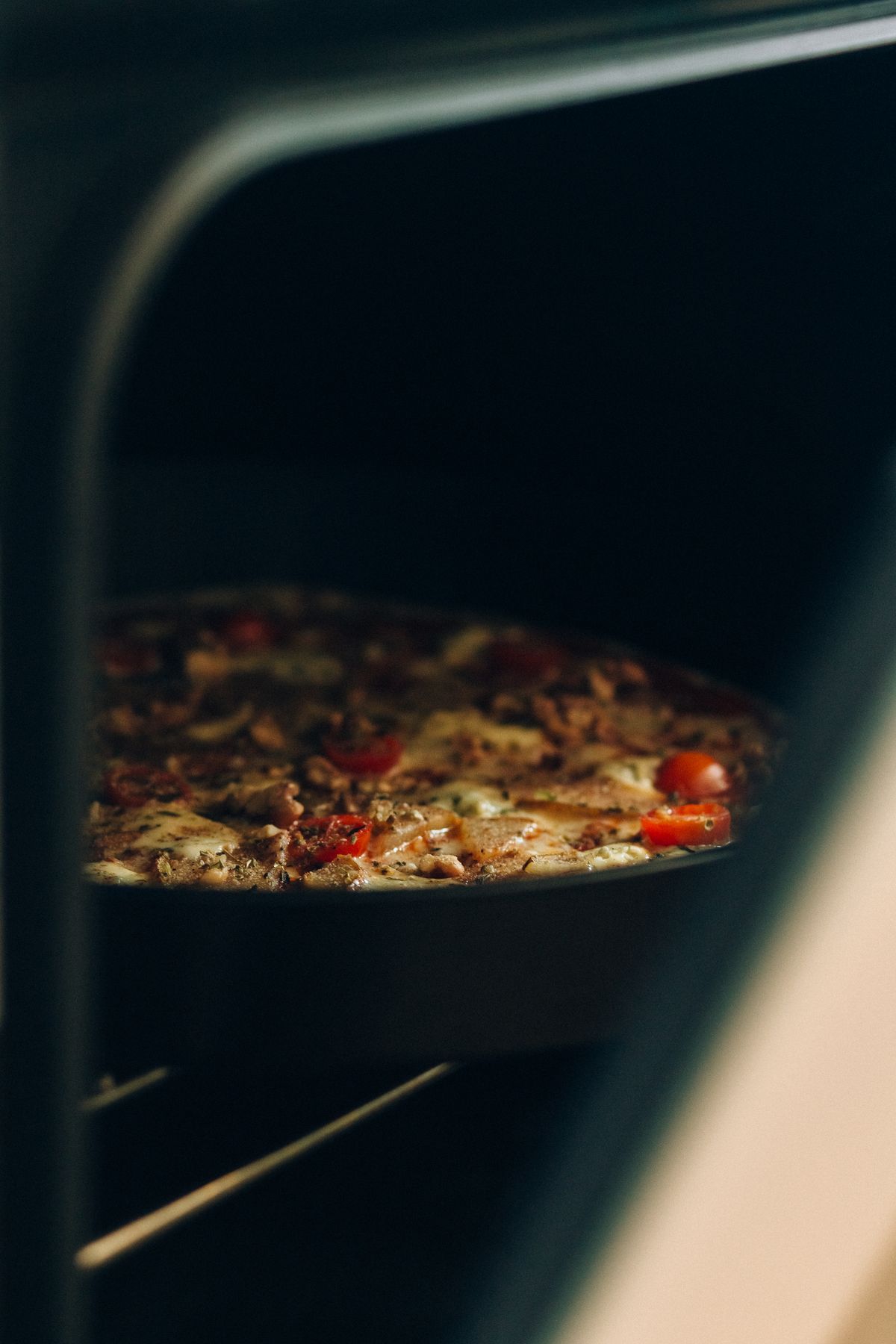
A preheated baking surface can change how heat reaches the base of a pizza. But a heavier or more expensive slab is not automatically the right upgrade for every oven or recipe. Decide whether you mostly bake thin pizzas, thicker pan styles or other bread before choosing.
The useful comparison
| Question | Baking steel | Baking stone |
|---|---|---|
| Heat transfer | Typically transfers heat into dough faster | Generally a gentler transfer than steel |
| Handling | Check substantial weight and edges | Check weight and fracture precautions |
| Care | Follow rust and seasoning guidance | Follow cleaning and temperature-change guidance |
Why steel can appeal to pizza makers
The manufacturer Baking Steel emphasizes steel’s conductivity as its main advantage. Faster transfer to the dough can help a pizza base brown in a home oven. That is a reason to consider the material, not a promise of the same result with every dough thickness or oven setting.
Steel also changes the balance between the base and toppings. If the underside finishes before the top, copying a previous stone routine may give a poor result. Follow the product’s starting guidance and adjust the recipe method thoughtfully. We have not conducted side-by-side baking tests on these products.
When a stone is enough
A stone remains a sensible option for a cook who wants a suitable baking surface without committing to a heavy steel. A stone that already gives the crust you like does not need replacing merely because a faster-conducting product exists.
Choose a product intended for your oven and baking task. Stone compositions and thicknesses differ, and temperature-change precautions are product-specific. Read the instructions before deciding how to preheat, clean or store it. Avoid assuming any slab of tile or stone is an equivalent cooking accessory.
Weight and oven fit can decide the purchase
Measure the oven rack and the required space around the accessory. Check the oven manual for restrictions and rack loading. A surface that nearly fills the cavity may interfere with circulation or be awkward to lift out. Do not use the oven floor as an alternative unless the appliance explicitly permits it.
Think through the storage route with the accessory cold: cupboard, counter and oven. The thicker choice may hold more heat, but it can also be harder to handle and slower to cool. Avoid buying a heavy model you will not want to move for ordinary meals.
What deserves the extra money?
Pay for steel when a specific pizza-baking goal justifies the cost and handling. Choose a suitable basic stone when it meets your needs. Include any necessary peel, storage space and care supplies in the comparison. If your existing pan or stone produces results you enjoy, improve the recipe and routine before buying another large accessory.
Compare listings in your country
These buttons open matching Amazon search results, rather than a guaranteed in-stock offer. Confirm the exact model, seller, included parts, delivered price and return terms. Prices and availability can differ between the United States and Canada.
baking steels
pizza stones
Related guides on My Indoor Space
- Air Fryer Oven vs Basket Air Fryer
- Best Air Fryer Accessories Worth Buying
- Lodge vs Le Creuset Dutch Oven: When Is the Upgrade Worth It?