
Disclosure: As an Amazon Associate, My Indoor Space earns from qualifying purchases through links in this article, at no extra cost to you.
Quick verdict
Choose felt when cushioning is the main need and a non-slip layer is unnecessary for the installation. Choose an appropriate gripping pad when movement is the problem. Felt-and-rubber products combine functions, but every option still needs approval for your floor and rug.
Research-based buying guide. Information checked October 16, 2026. We have not tested these products hands-on; published specifications and our buying judgments are identified separately.
felt rug pads
rubber-backed rug pads
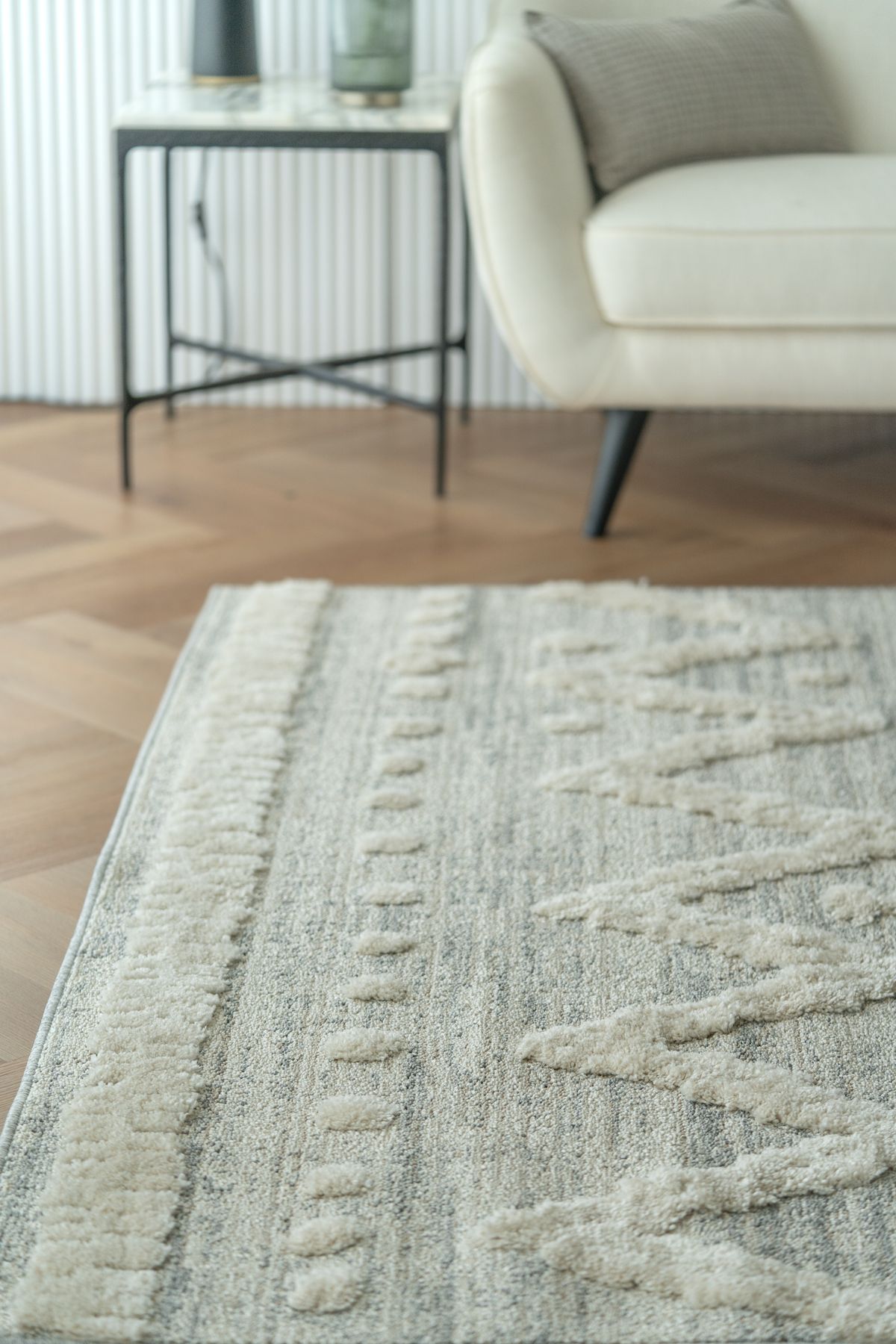
A rug pad can add cushioning, grip or both. Those are different jobs. Buying the thickest pad may make a rug feel softer without stopping it moving, while a thin gripping layer may leave the feel almost unchanged. Identify the problem before choosing a material.
Compare the functions
| Need | Plain felt | Suitable rubber-backed or grip pad |
|---|---|---|
| Cushioning | Depends on thickness and density | Depends on whether felt or cushioning is included |
| Floor grip | Not inherently a non-slip layer | Designed for grip; check floor approval |
| Low clearance | Check combined thickness | Thin options may suit; verify the model |
When plain felt is enough
RugPadUSA describes its felt range for larger rugs that do not require a non-slip layer. That distinction matters if your actual problem is a small runner sliding on a smooth surface. More felt thickness is not the same as adding a gripping backing.
Choose cushioning by the feel and clearance you need, rather than assuming maximum thickness is best. A thicker combination can interfere with a door, create a more noticeable edge or change how furniture sits. Check the rug and pad together in the intended location.
When a gripping layer matters
For a rug that moves, look for a product intended to grip your type of flooring. Combined felt-and-rubber pads can offer both cushioning and grip. Compare the actual construction: a generic “rubber” description may refer to a different material or backing from the product beside it.
Do not assume any backing is approved for every wood finish, vinyl product or heated floor. Check both the flooring maker’s restrictions and the pad manufacturer’s compatibility guidance. If a finish is new or recently treated, confirm any waiting period before covering it.
Size and trimming need a plan
Measure the rug itself rather than relying only on its nominal retail size. Follow the pad maker’s sizing guidance so edges remain covered and the rug lies as intended. A pad protruding into the walkway is not a useful result, however comfortable it feels in the middle.
Check whether the product can be trimmed and which method is recommended. Irregular shapes and runners may need a more deliberate fit than a standard rectangular rug. For a washable rug system, confirm whether it requires its own specific base instead of an unrelated aftermarket pad.
The value decision
Buy plain felt when extra cushioning is the verified requirement. Buy an appropriate grip or combined pad when movement is the issue. Keep a working pad that remains compatible and in good condition. If the rug’s corners curl or the backing is damaged, assess that problem directly rather than expecting a thicker pad to conceal it.
Compare listings in your country
These buttons open matching Amazon search results, rather than a guaranteed in-stock offer. Confirm the exact model, seller, included parts, delivered price and return terms. Prices and availability can differ between the United States and Canada.
felt rug pads
rubber-backed rug pads
Related guides on My Indoor Space
- Best Washable Area Rug for Pets and Apartments
- Chair Mat for Carpet vs Hard Floor: Buy the Right Backing
- Best Shoe Storage for a Small Entryway