
Disclosure: As an Amazon Associate, My Indoor Space earns from qualifying purchases through links in this article, at no extra cost to you.
Quick verdict
Choose silicone cups for repeated home batches when you will collect and wash them. Choose paper liners when cupcakes leave your home or you want minimal washing. Reusable cups earn their cost through actual reuse, not simply by being labeled reusable.
Research-based buying guide. Information checked October 16, 2026 (Winnipeg). We have not tested these products hands-on; source findings and our buying judgments are identified separately.
OXO reusable baking cups
Wilton paper cupcake liners
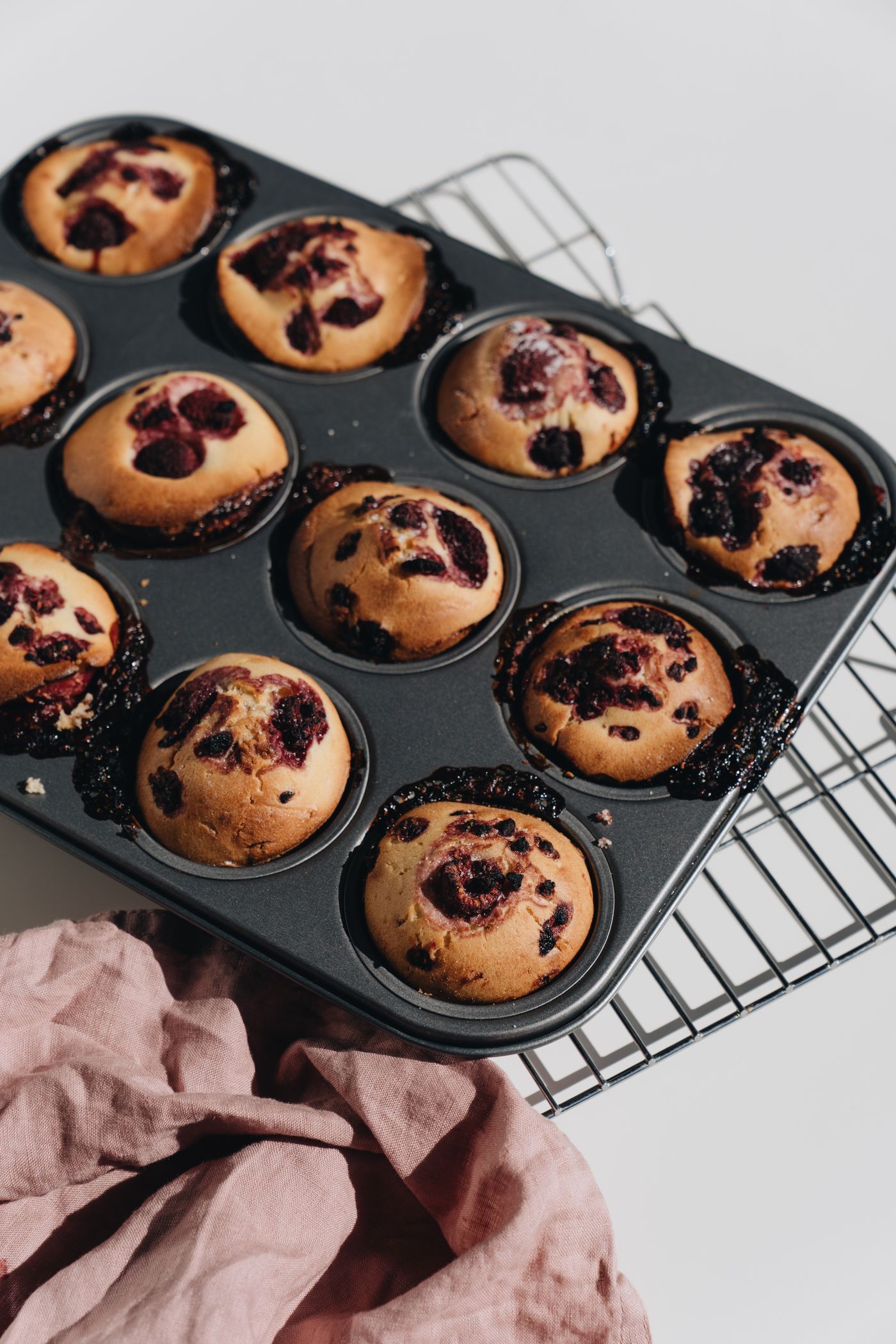
Silicone baking cups and paper liners are different ownership commitments. One comes back to your sink; the other can leave with the cupcake. The right purchase depends as much on where the baking goes as on what happens in the oven.
Compare the complete routine
| Decision | Reusable silicone | Paper liners |
|---|---|---|
| After serving | Collect, wash and store | Single-use liner |
| Example pack | OXO, 12 cups | Wilton, 300 liners |
| Useful buying trigger | Frequent batches eaten at home | Gifting or many portions at once |
When reusable cups earn their cost
OXO’s cups have fill lines and tabs, and the maker permits using them in a muffin tin or on a baking sheet. It lists dishwasher-safe care; another current OXO packaging page also describes turning the silicone inside out for cleaning.
That can be useful if you bake regularly for the same household. The practical question is whether the cups will be ready for the next batch. If the first twelve are still holding snacks or waiting to be washed, a second tray of batter may require another set.
When paper is the more convenient purchase
Wilton’s cited white liners come in a 300-count pack with a listed two-inch diameter. Verify the complete shape against your muffin tin rather than assuming every “standard” liner has identical dimensions.
Paper is a straightforward choice for school events, guests or gifts because you do not need to recover a reusable item. It also lets you start successive batches without washing each liner. That convenience may outweigh the replacement expense for someone who bakes only a few times per year.
Calculate value using your real batch size
Divide a paper pack’s delivered price by the usable liner count. For silicone, divide the set cost by the number of batches you realistically expect to complete, then include washing and any cups you lose. These are household cost comparisons, not tested lifespan claims.
Do not compare twelve silicone cups with hundreds of paper liners as though the counts describe equivalent purchases. One set can be reused, but only after the cups are emptied and cleaned. A larger event needs enough cups or enough time between batches.
Who should buy or skip?
Choose silicone for a regular home-baking routine with reliable collection and cleaning. Choose paper for treats that travel or for a low-washing workflow. We have not tested release, browning or flavor differences, so neither is presented as a universal baking-performance winner.
Keep using liners that already fit and give results you like. If your recipe works well in a prepared muffin tin without liners, either purchase may be unnecessary. Reusable cups are an upgrade when you will use their specific convenience repeatedly, rather than store them beside an unfinished paper pack.
Compare listings in your country
These buttons open matching Amazon search results, rather than a guaranteed in-stock offer. Confirm the exact model, seller, included parts, delivered price and return terms. Prices and availability can differ between the United States and Canada.
OXO reusable baking cups
Wilton paper cupcake liners
Related guides on My Indoor Space
- Cookie Scoop vs Spoon: Is a Dedicated Scoop Worth Buying?
- Silicone Baking Mat vs Parchment Paper: Which Is Better Value?
- Stackable vs Oven-Safe Cooling Rack: Which Should You Buy?