
Disclosure: As an Amazon Associate, My Indoor Space earns from qualifying purchases through links in this article, at no extra cost to you.
Quick verdict
Choose stainless steel for a mixing-focused set when its weight and grip work for you. Choose approved glass bowls when visibility and permitted microwave use are priorities. Check the exact product’s instructions: material alone does not establish appliance compatibility.
Research-based buying guide. Information checked October 16, 2026. We have not tested these products hands-on; published specifications and our buying judgments are identified separately.
stainless steel mixing bowls
glass mixing bowls
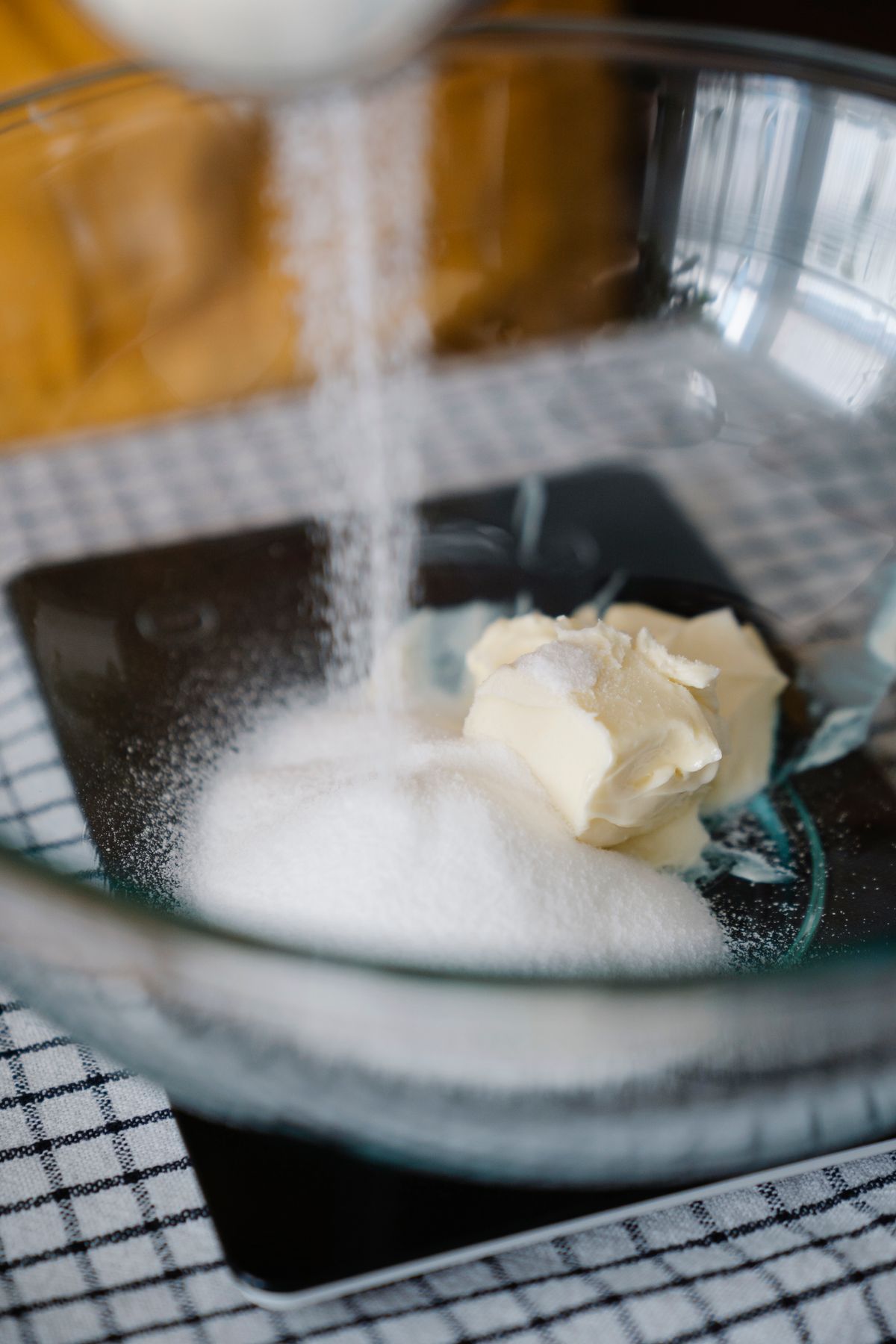
A useful bowl set covers your ordinary batch sizes without filling the cupboard with near-duplicates. Steel and glass change handling and visibility, but the rim, base and usable capacity can matter just as much. Start with the largest mixture you regularly make.
Compare the daily jobs
| Priority | Stainless steel | Glass |
|---|---|---|
| Seeing the mixture | View from above | Transparent sides can help inspection |
| Handling | Compare weight and any exterior coating | Compare empty and filled weight |
| Appliance use | Follow exact restrictions | Follow exact permissions and temperature precautions |
What makes a steel set practical?
For mixing, compare the shape and base grip. OXO’s stainless set is one example with additional exterior design features, rather than three bare metal bowls. Those extra materials can change how a bowl should be used. Do not assume a steel interior means the complete product is oven-safe.
Hold the bowl in the position you use for whisking or pouring. A rim that is comfortable on the counter may be awkward when tipping a heavy batter into a tin. If you use a hand mixer, check depth and width with the beaters you own. A very wide shallow bowl may leave less protection against splashes.
When glass adds useful flexibility
Clear sides make it easier to inspect unmixed pockets and the contents without looking directly down into the bowl. The cited Pyrex set also describes microwave use for those products. That permission should not be generalized to every glass bowl, decorative serving piece or included lid.
Read the manufacturer’s thermal-use precautions. Oven, microwave, stovetop and broiler use are different conditions, and sudden temperature changes can matter. Choose glass for a permitted task you actually want to perform, not because a listing photograph places a bowl beside an oven.
Choose useful sizes before a large bundle
Compare the capacity of each bowl, then allow headroom for stirring. A small prep bowl may be useful for dressing but too small for a mixer. A large bowl can handle a doubled recipe yet be awkward at the sink. Check whether lids are included and whether they fit the exact bowls in the package.
Measure nested height and width in the cupboard. Lids, non-slip bases and flared rims can change how tightly a set nests. Think about drying and putting it away as well as the neat stack shown in the listing. The set with more pieces is poor value if several pieces never leave storage.
When should you upgrade?
Buy steel when a lighter-feeling, mixing-focused arrangement suits your routine after checking actual weights. Buy suitable glass when visibility and approved multipurpose use solve a problem. Keep a mixed collection if it already covers your batches; matching every bowl is an appearance choice rather than a cooking requirement.
Compare listings in your country
These buttons open matching Amazon search results, rather than a guaranteed in-stock offer. Confirm the exact model, seller, included parts, delivered price and return terms. Prices and availability can differ between the United States and Canada.
stainless steel mixing bowls
glass mixing bowls
Related guides on My Indoor Space
- Cuisinart HM-90S vs KitchenAid KHM512: Which Hand Mixer Is Better Value?
- Best Digital Kitchen Scale for Everyday Cooking
- OXO Smart Seal vs Snapware Total Solution Glass: Which Storage System?