
Disclosure: As an Amazon Associate, My Indoor Space earns from qualifying purchases through links in this article, at no extra cost to you.
Quick verdict
Choose an iron when crisp pressing and shaping are regular tasks. Choose a steamer for supported hanging-garment touch-ups when that finish is enough. Some products combine both functions; check the exact design and always follow the garment’s care instructions.
Research-based buying guide. Information checked October 16, 2026. We have not tested these products hands-on; published specifications and our buying judgments are identified separately.
steam irons
garment steamers
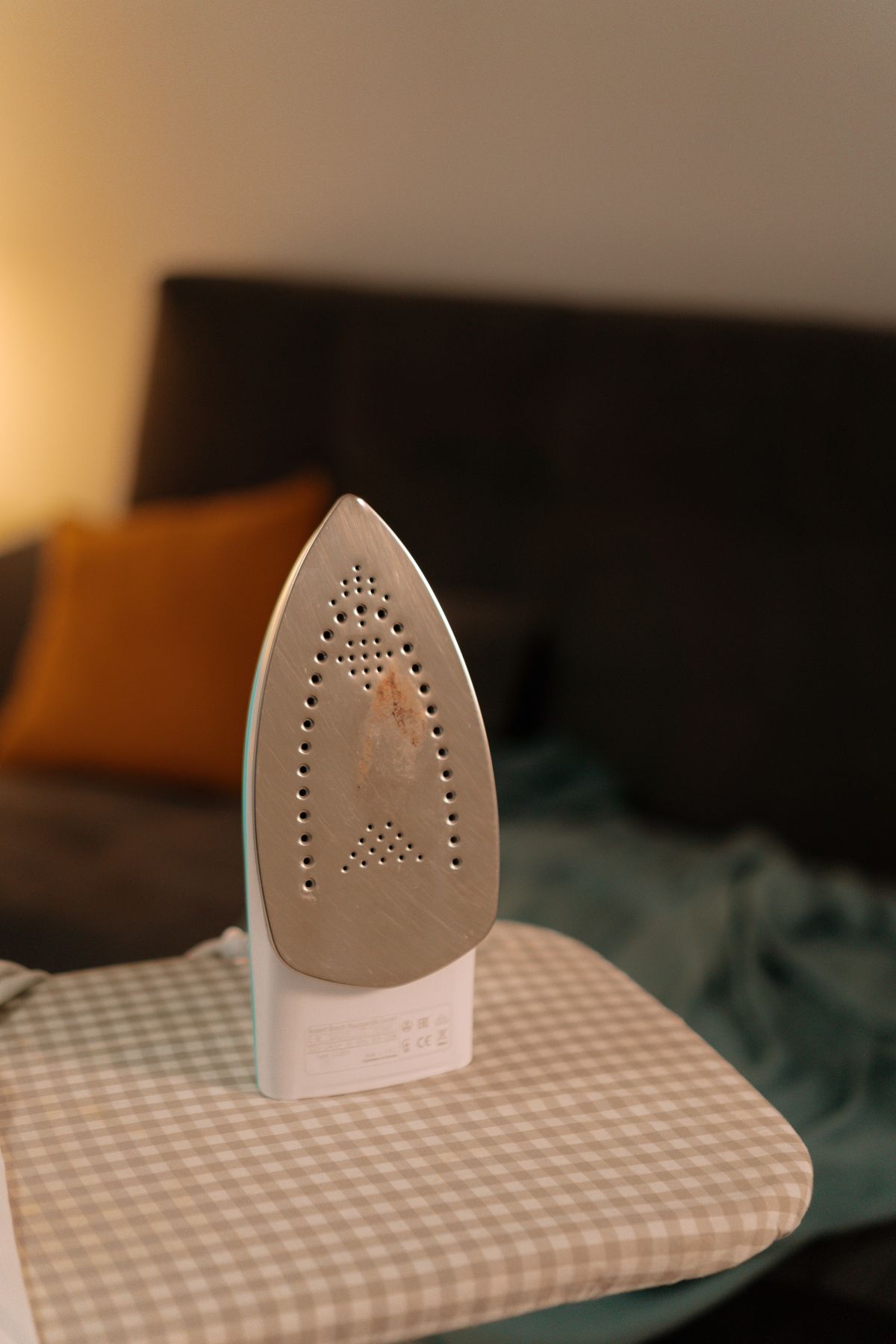
A wrinkle-removal tool is worthwhile when it fits the clothes you wear, not simply because a demonstration makes it look quick. Pressing a shirt collar and refreshing a hanging garment are different jobs. Decide which result matters most before choosing.
Compare the finish you want
| Priority | Steam iron | Garment steamer |
|---|---|---|
| Crisp creases or shaping | Supported pressing is its main strength | Check whether the model also presses |
| Hanging touch-ups | Some offer vertical steam | A main use for suitable garments |
| Work area | Needs an appropriate pressing surface | Needs a suitable hanging and operating area |
When an iron is the better first purchase
If you regularly want a defined collar, cuff or crease, direct pressing can be useful. Compare the soleplate, temperature controls and how easily the tool reaches small areas. A steam iron still needs the surface and technique specified in its instructions.
Include the board or pressing surface in the full cost and storage footprint. A compact board can be convenient, but it should support the task without an unstable setup. If you already own a serviceable iron and board, replacing them with a steamer may leave the crisp-finish job unsolved.
When a steamer makes more sense
A suitable handheld steamer can be convenient for a few compatible garments before going out. A standing model may suit longer sessions, though it occupies more space. Compare usable tank capacity, handling and the manufacturer’s stated operating conditions rather than buying on maximum steam output alone.
Rowenta’s range includes combined steaming and ironing products, illustrating that the categories overlap. Check whether a particular device can actually press horizontally and what support it needs. A product advertised with vertical steam is not necessarily a full substitute for an iron in every task.
Fabric instructions decide what you can treat
Read the garment label and the appliance instructions, including guidance around trims, coatings and heat-sensitive components. Do not assume steam is suitable merely because a garment cannot be ironed. Test only as the instructions allow, and use the recommended setting or distance.
Also review water requirements, descaling and cool-down steps. A large tank is less helpful if maintenance is awkward or the filled device feels tiring to hold. Check cord reach and the permitted resting position; you need somewhere appropriate to set the appliance during and after use.
What is worth paying for?
Choose iron-first for a wardrobe requiring regular pressing. Choose steamer-first for compatible quick touch-ups where a relaxed finish is acceptable. Pay for a hybrid only when both functions are documented and useful. Keep the tool you already have if it gives the finish you want without an inconvenient setup.
Compare listings in your country
These buttons open matching Amazon search results, rather than a guaranteed in-stock offer. Confirm the exact model, seller, included parts, delivered price and return terms. Prices and availability can differ between the United States and Canada.
steam irons
garment steamers
Related guides on My Indoor Space
- Best Clothes Steamer for Home: What to Look For
- Best Foldable Drying Rack for an Apartment
- Best Fabric Shaver for Sweaters and Upholstery