
Disclosure: As an Amazon Associate, My Indoor Space earns from qualifying purchases.
Quick verdict
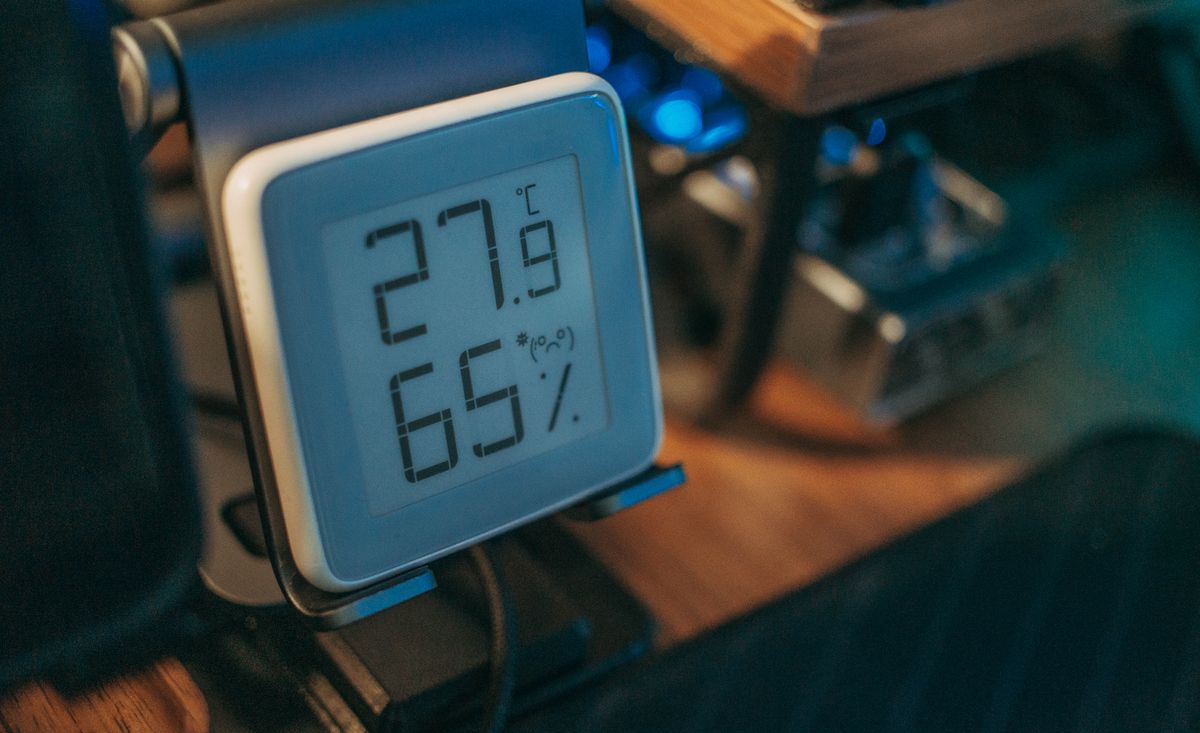
Hub 2 is worth upgrading to when a basic Hub Mini lacks a specific feature you will use, such as supported Matter bridging or an on-device temperature and humidity display. Keep the basic hub when its existing remote-control job works. Hub Mini Matter Enabled is a separate product, and Hub 3 now exists, so compare exact names rather than generations alone.
Research-based buying guide. Checked October 17, 2026. We have not tested these products hands-on. Manufacturer information, attributed external findings and our editorial judgments are distinguished below.
Which option fits your routine?
| Choice | Choose it for | Tradeoff |
|---|---|---|
| Keep basic Hub Mini | Current IR and supported remote functions are enough | No Matter in the basic model |
| Hub 2 | Display, sensors and supported Matter bridging | Powered placement and sub-device limits |
| Other current SwitchBot hub | A requirement beyond Hub 2’s capabilities | Verify the exact feature and total price |
Separate the three similarly named purchases
SwitchBot’s current comparison distinguishes basic Hub Mini, Hub Mini Matter Enabled and Hub 2. Basic Hub Mini lacks Matter, while both named Matter-capable options support it. Hub 2 adds its display-related sensor features and touch scene controls.
An existing basic Hub Mini is not automatically obsolete because another hub offers more features. Name the missing task first. Replacing a working hub for a display you will never look at is a weaker purchase than solving a specific compatibility requirement.
Matter support has boundaries
The maker’s current table lists eight third-party sub-devices for Hub 2, compared with four for Hub Mini Matter Enabled and thirty for Hub 3. Supported actions also differ by device and firmware. Check the live support table for the accessories you actually own.
Do not assume a hub exposes every SwitchBot feature to every other platform. A device working in the SwitchBot app is a different question from the functions visible through Matter. We have not tested interoperability across all controllers or current firmware combinations.
Placement affects sensors and infrared use
Hub 2 requires power and 2.4GHz Wi-Fi. SwitchBot describes a sensor-bearing USB-C cable, so treat the supplied cable as part of the functional package rather than substituting any charging lead without checking.
Choose a location that suits the infrared devices and sensible room readings. Hiding the hub beside a warm appliance may be convenient for a socket but unhelpful for a representative temperature reading. We have not measured sensor accuracy or infrared reach in different rooms.
Our buying decision
Buy Hub 2 when its verified additional functions justify the delivered price and its current sub-device limit fits the intended setup. Confirm the standalone hub, required sensor cable and included power components in the regional offer.
Keep a working basic Hub Mini if it already performs the tasks you need. Compare other current hubs if eight bridged sub-devices or the supported action set is insufficient. An upgrade is worthwhile for a concrete capability; a higher model number alone is not a reason to replace reliable hardware.
Buying in the United States or Canada
Choose the button for your country and compare the exact model, included parts, seller, delivered cost and return terms. Offers and replacement-part availability can differ between Amazon USA and Canada. Confirm regional manufacturer support before relying on a guarantee for an imported product. We do not promise stock, a fixed price or delivery to every address.
Related guides on My Indoor Space
- Is the SwitchBot Bot Worth It for an Existing Button or Switch?
- Bona Premium Spray Mop vs Swiffer PowerMop: Which Costs Less to Keep?
- Is the Philips Hue Dimmer Switch V2 Worth It?
Sources and research
- SwitchBot: current Hub Mini, Hub 2, Matter Mini and Hub 3 comparison
- SwitchBot: Hub 2 cable, Wi-Fi and device-support details
- SwitchBot: supported Matter device actions
Specifications establish stated features, not independent proof of performance. We base our value judgments on the task, fit, upkeep and alternatives. External experiences are attributed to their sources; no personal testing or measured savings is claimed.