
Disclosure: As an Amazon Associate, My Indoor Space earns from qualifying purchases through links in this article, at no extra cost to you.
Quick verdict
Choose a metal cart when its rated load, tray layout and wheel design suit heavier everyday supplies. Choose a slim plastic cart when fitting a narrow gap and easy wipe-down matter more. Material alone does not establish strength, stability or durability: the exact dimensions, load rating and caster design should decide.
Research-based buying guide. Product information checked October 16, 2026. We have not tested these products hands-on; recommendations distinguish published features from our buying judgments.
Metal rolling storage carts
Slim plastic rolling storage carts
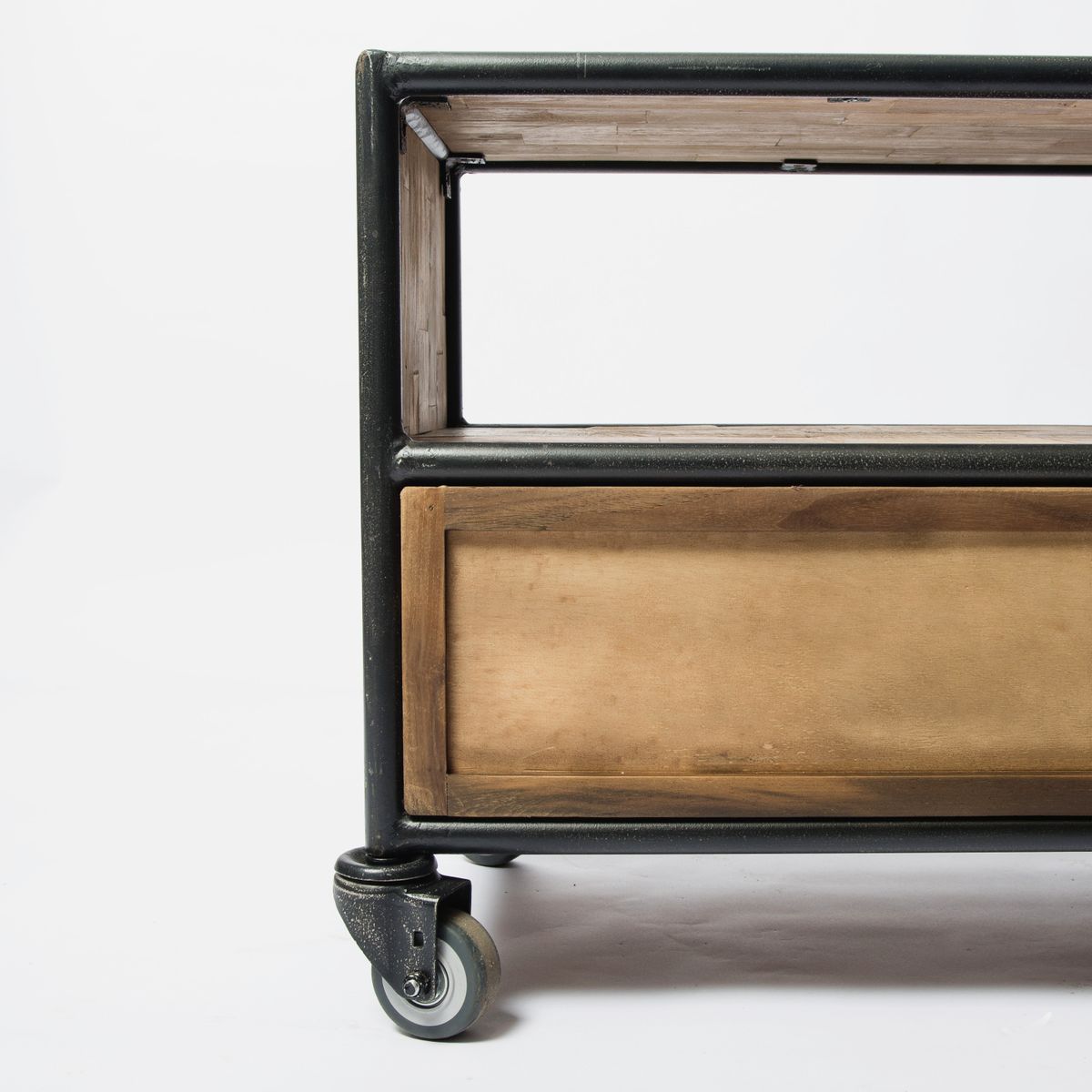
A rolling cart can make a small room more useful by bringing supplies where you need them. It can also become a tall stack of clutter that catches on furniture. The useful comparison starts with the route it will travel and the objects it will hold.
Which problem are you solving?
| Storage need | What to prioritize |
|---|---|
| Heavy craft or kitchen supplies | Published load limits and stable construction |
| Narrow bathroom gap | External width and pull-out clearance |
| Frequent movement | Casters, thresholds and comfortable access |
| Spill-prone supplies | Tray shape, material care and cleaning access |
Use real examples carefully
IKEA’s Raskog and Vesken show how different the shapes can be. The cited metal Raskog is 35 × 45 × 77 cm, while the slim plastic Vesken cart is 54 × 18 × 71 cm. Those are different footprints as well as different materials.
There is also a smaller Raskog version. A brand or range name does not establish size. Other metal and plastic carts have their own ratings and construction, so do not apply IKEA’s specifications to an Amazon alternative that merely looks similar.
When metal is the stronger starting point
Consider a metal cart for supplies whose combined weight and daily use suit the exact rated shelves and frame. A tray with a useful lip can keep objects from shifting during gentle movement. Check whether the intended contents actually fit the tray’s internal area.
Do not assume metal automatically means rustproof, stable or safe for a large appliance. Coating damage, joints, wheel attachment and the load distribution all matter. Follow the manufacturer’s room-use and care guidance.
When plastic is the better fit
A slim plastic cart can fit a gap that a wider metal trolley cannot. It may be useful for light toiletries or cleaning supplies where the manufacturer allows the environment. Check shelf spacing with the bottles you intend to store, including pumps and handles.
Narrowness can be a compromise. A very slim cart may need a clear straight route and careful loading, and its shelves may not accept wide packages. Do not buy from the external width alone and discover that the actual tray holds very little.
Wheels decide whether it is truly mobile
Check the surface the cart must cross: smooth floor, grout lines, rugs, a doorway strip or a bathroom threshold. A cart that rolls well in a product demonstration may be awkward on your own route.
Look for brake requirements and operating instructions on the exact model. Keep heavier permitted items low and do not stack loads above the designed storage area. Never treat a cart as a seat or step, and do not use it as a support surface for something outside its rating.
Measure the working space
Allow for handles, protruding wheels and the room needed to pull the cart out. A unit fitting between a toilet and wall is not useful if there is no room to reach its shelves or roll it forward.
Sketch the route and shelf positions before ordering. For craft supplies, check whether a working surface is actually provided or whether the item is only a storage tray. For kitchen use, keep ventilation and heat clearance in mind around appliances.
When fixed shelving is better
Choose fixed storage if the cart will never move and wheels only add height or instability. A simple shelf can be more appropriate for a permanent collection of heavy items, provided it is correctly installed and rated.
Skip a new cart if it merely relocates unused products. Sort the contents first, then choose storage sized for what remains. An attractive mobile organizer does not remove the need to limit clutter.
Best value and final winner
Compare local CAD or USD totals, assembly requirements, replacement casters, return costs and the actual tray dimensions. IKEA examples may be better purchased directly when reseller prices are high; the Amazon buttons below compare other matching cart types, not guaranteed equivalents.
Metal is worth considering for the right rated working load; plastic is worth considering for a narrow, lighter-duty fit. Choose the exact cart’s dimensions, wheels and limits rather than treating the material as a complete quality score.
Compare current listings in your country
These buttons open matching Amazon search listings rather than a guaranteed in-stock offer. Confirm the exact model, seller, included parts, delivered price and return terms. Offers can differ between the United States and Canada.
Metal rolling storage carts
Slim plastic rolling storage carts