
Disclosure: As an Amazon Associate, My Indoor Space earns from qualifying purchases through links in this article, at no extra cost to you.
Quick verdict
Choose a fine-mesh strainer for small particles and controlled straining over a bowl. Choose a colander for larger draining jobs when its openings retain your food. Match the holes, capacity and support to the task; neither tool is automatically a replacement for the other.
Research-based buying guide. Information checked October 16, 2026. We have not tested these products hands-on; published specifications and our buying judgments are identified separately.
fine-mesh strainers
kitchen colanders
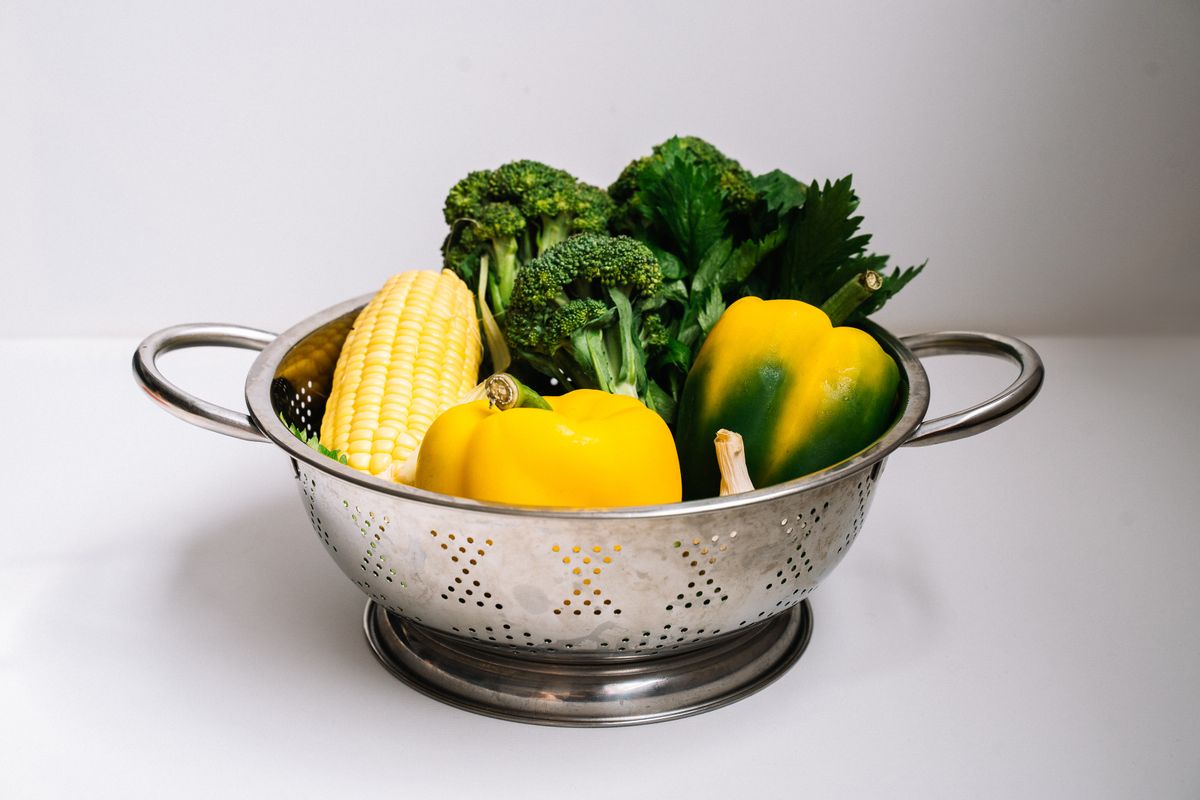
Both tools separate food from liquid, but the opening size and support determine what they do well. A large colander can drain pasta yet lose smaller ingredients. A fine sieve can retain tiny particles but be awkward when the whole pot needs emptying at once.
The practical differences
| Need | Fine-mesh strainer | Colander |
|---|---|---|
| Small solids | Check mesh fineness for the ingredient | Openings may be too large |
| Larger draining volume | Check basket capacity and support | Often the more convenient layout |
| Collecting liquid | Can rest over a compatible bowl | Needs a planned container arrangement |
Buy for the smallest ingredient
If you frequently rinse small grains, compare the mesh with that ingredient. “Fine” is a description, not a universal opening measurement. Check the actual design and intended uses. A colander with unusually small perforations can handle different tasks from a large-hole plastic design.
For citrus juice, a small strainer may be easier to control than a full-size colander. OXO lists such uses for its mini fine-mesh strainer. That does not make a small tool suitable for a full pot of pasta. Capacity and opening size have to be assessed together.
Check support before choosing the size
Measure the bowl or sink where the tool will sit. A rim loop, long handle or extending support only works when it spans the intended opening securely. OXO’s cited 8-inch strainer has a greater overall length than its basket diameter, illustrating why the drawer and bowl measurements both matter.
For a standing colander, inspect the feet and clearance beneath the base. Think through where the liquid will go and how you will hold the pot. Do not balance a draining tool in a position its manufacturer has not intended, especially when handling hot liquid.
Capacity can be misleading in a small kitchen
A 5-quart colander may sound ideal beside a similarly sized pot, but usable draining room depends on the food and how you pour. A tool that nearly fills the sink can also leave little room for other preparation. Mark the footprint and consider the faucet clearance.
Nested or collapsible products can reduce storage bulk, but compare their opening method, stability and care instructions. The smallest folded size is not the only measurement worth checking. You need room to open, clean and dry it as intended.
Which is better value?
Choose mesh when losing small ingredients is your current problem. Choose a colander when your main job is a larger quantity of pasta or produce. Keep both only if each handles a regular task. If your existing tool already retains the ingredients and drains comfortably, a new finish or extra accessory is unlikely to change much.
Compare listings in your country
These buttons open matching Amazon search results, rather than a guaranteed in-stock offer. Confirm the exact model, seller, included parts, delivered price and return terms. Prices and availability can differ between the United States and Canada.
fine-mesh strainers
kitchen colanders
Related guides on My Indoor Space
- Best Dish Drying Rack for a Small Kitchen
- Best Under-Sink Organizer for a Small Cabinet
- OXO vs Zyliss Salad Spinner: Pump or Pull-Cord for a Small Kitchen?