
Disclosure: As an Amazon Associate, My Indoor Space earns from qualifying purchases through links in this article, at no extra cost to you.
Quick verdict
Buy an instant-read thermometer first for quick checks in different places and foods. Add a suitable leave-in probe when monitoring a long cook and receiving an alarm would be useful. An instant-read display’s measuring range is not permission to leave the whole device in an oven.
Research-based buying guide. Information checked October 16, 2026. We have not tested these products hands-on; published specifications and our buying judgments are identified separately.
instant-read cooking thermometers
leave-in probe thermometers
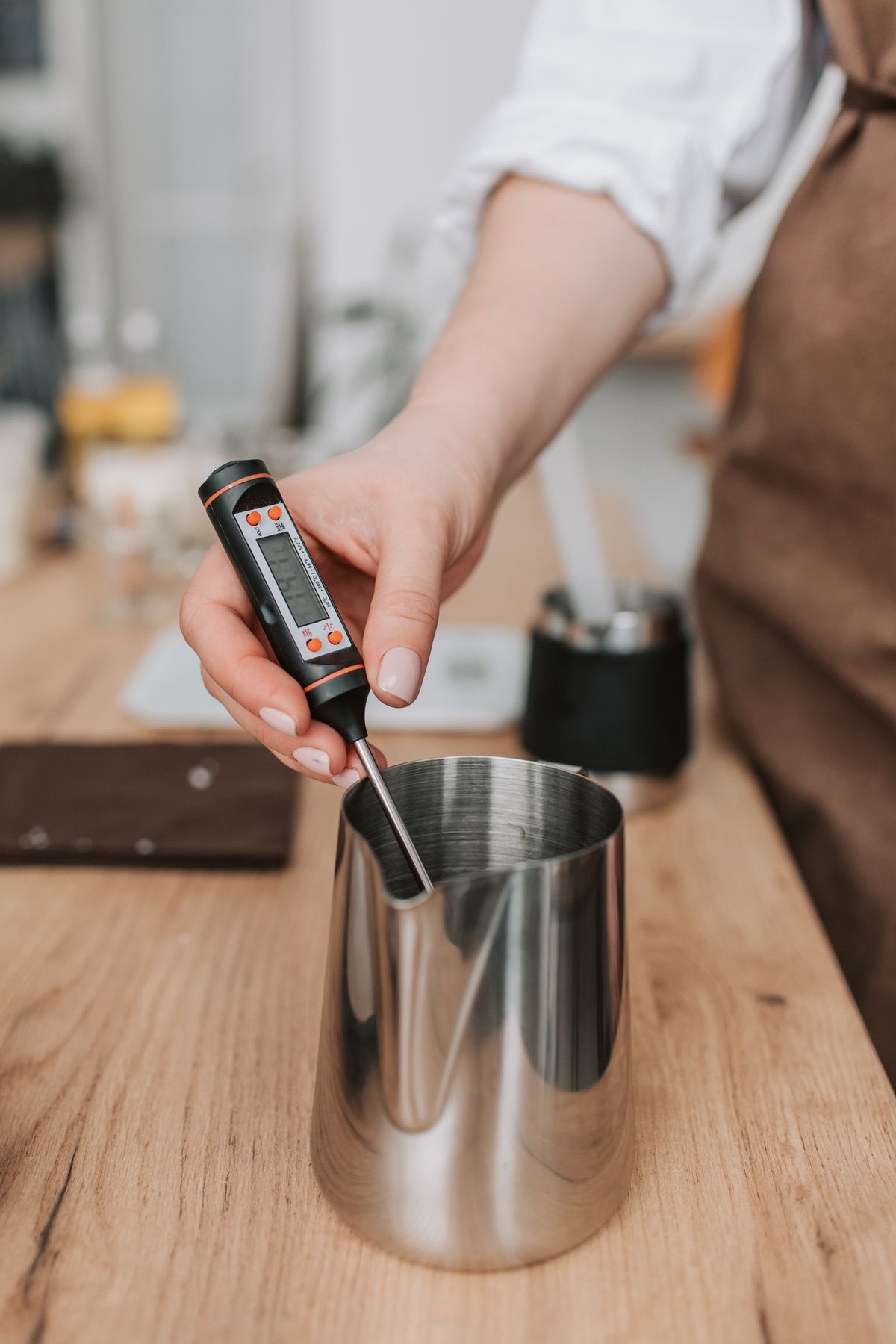
A thermometer purchase should match the question you ask while cooking. “What is the temperature here?” calls for a quick measurement. “How is this temperature changing while it cooks?” may justify a probe designed to remain in place. These tools can complement each other.
Compare the measurement jobs
| Job | Instant-read | Leave-in probe |
|---|---|---|
| Check several locations | Convenient for separate spot checks | Reposition according to instructions |
| Monitor a long cook | Requires repeated manual checks | Suitable models monitor continuously |
| Alarm away from oven | Not the main function | Check alarm and receiver arrangement |
Why an instant-read is a useful first tool
A handheld probe lets you check different areas without leaving a cable attached. Compare response time under the manufacturer’s stated conditions, probe dimensions and how easily you can read the display. A rotating display can be useful at awkward angles; it does not replace correct probe placement.
Read the sensing-area instructions. Where and how deeply the probe measures affects the usefulness of the result. Clean it as specified between tasks. This buying comparison does not supply cooking temperatures; follow an appropriate recipe and authoritative food-safety guidance for the food you prepare.
When the leave-in upgrade is worthwhile
A suitable leave-in system can reduce repeated opening and checking during a longer cook. ThermoWorks describes oven-rated probe and cable arrangements for this purpose. Confirm which parts may enter the cooking space and where the display or transmitter must remain.
Compare high and low alarms, probe count and how settings are changed. If you only need one oven alarm, an app-connected multiprobe system may be unnecessary. If you want several readings, check whether extra probes come in the box or must be purchased separately.
Do not confuse measuring range with heat tolerance
A handheld thermometer may measure a high food temperature while its housing must stay outside the oven. ThermoWorks explicitly distinguishes instant-read use from a probe intended to remain during cooking. Check the complete product’s exposure limits, cable limits and any restrictions around direct flame or the broiler.
Wireless features add another compatibility check. Bluetooth, Wi-Fi and dedicated receivers have different dependencies, and published range depends on conditions. Oven walls and the route through your home can affect a connection. Choose a setup whose local display and alarms still suit the way you cook.
Which should you buy?
Choose instant-read for varied everyday checks. Choose leave-in when the main gap is monitoring and an alarm. Keep an existing accurate, suitable thermometer if it performs the required job; spend on the missing measurement function before buying a premium screen or a feature you will seldom use.
Compare listings in your country
These buttons open matching Amazon search results, rather than a guaranteed in-stock offer. Confirm the exact model, seller, included parts, delivered price and return terms. Prices and availability can differ between the United States and Canada.
instant-read cooking thermometers
leave-in probe thermometers
Related guides on My Indoor Space
- Best Electric Pressure Cooker for One or Two
- Lodge vs Le Creuset Dutch Oven: When Is the Upgrade Worth It?
- Best Digital Kitchen Scale for Everyday Cooking