
Disclosure: As an Amazon Associate, My Indoor Space earns from qualifying purchases through links in this article, at no extra cost to you.
Quick verdict
Choose metal when efficient heat transfer and bottom-crust browning are the priority. Choose glass when seeing the crust through the dish matters more. Keep a working pan if your recipes already turn out as you like.
Research-based buying guide. Information checked October 16, 2026 (Winnipeg). We have not tested these products hands-on; source findings and our buying judgments are identified separately.
Pyrex 9-inch glass pie plate
Nordic Ware aluminum pie pan
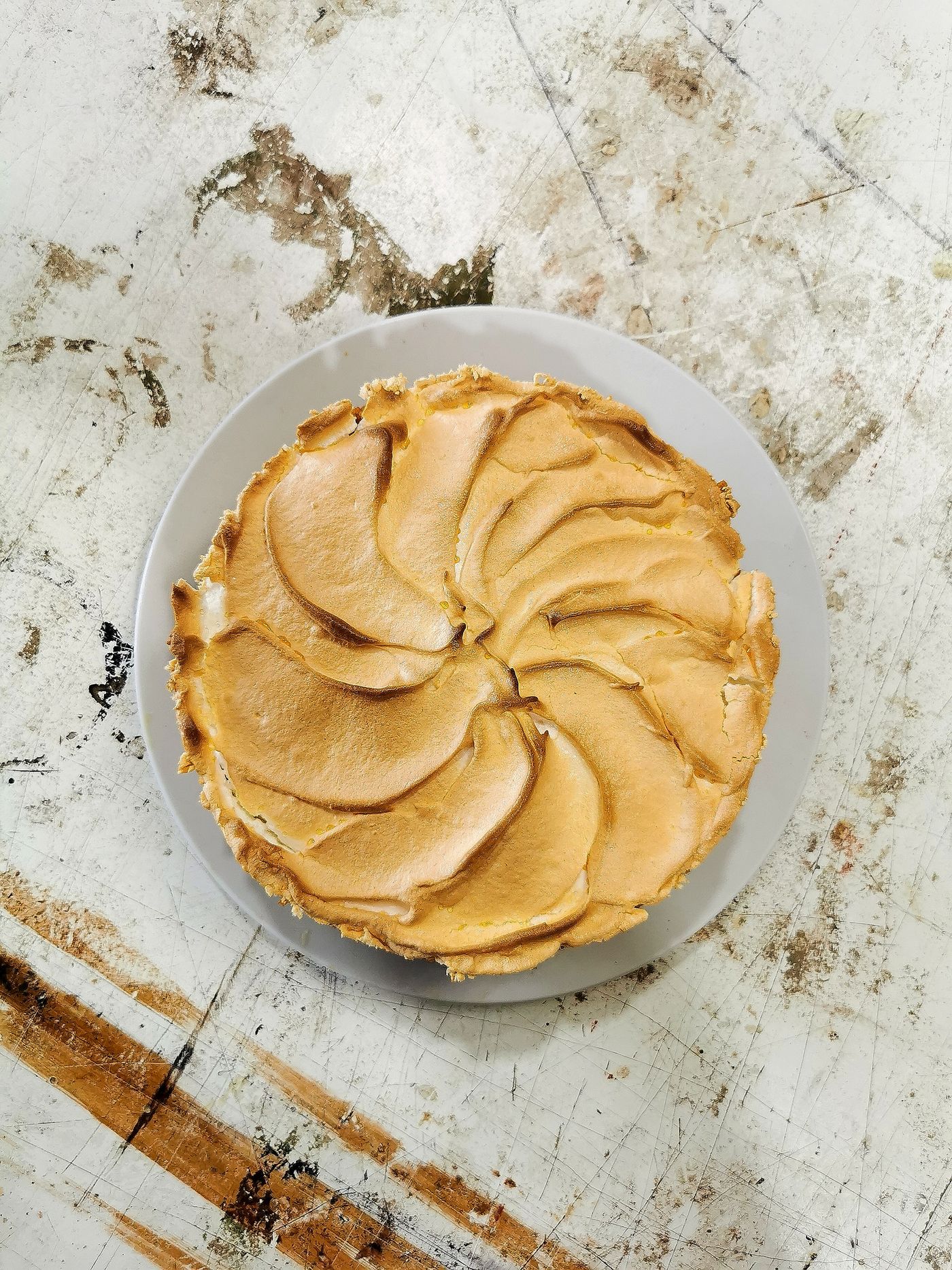
A glass or metal pie pan is a useful purchase only when it fits the recipes you make. Material affects heat transfer, but diameter, depth and technique still matter. Start with the pie you want to bake rather than assuming one material wins every comparison.
Compare the practical tradeoffs
| Buying question | Glass | Metal |
|---|---|---|
| See the bottom crust? | Yes, through clear glass | No, through an opaque base |
| Heat behavior | Slower to heat; retains heat | Conducts heat more efficiently |
| Example to compare | Pyrex 9-inch plate | Nordic Ware Naturals 9-inch pan |
What the baking trial actually showed
King Arthur’s own pumpkin-pie trial found the metal pan gave the most even bottom browning. Its glass-baked crust browned too, with more variation between center and edge. The company also noted that all the tested pies turned out well. This is attributed testing, not a trial conducted by My Indoor Space.
That supports metal as our starting choice for a baker specifically trying to improve bottom-crust consistency. It does not establish a guaranteed outcome with another filling, crust, oven or pan. Replacing a perfectly satisfactory glass dish solely because of that trial is unnecessary.
Why glass can still be the right buy
Glass lets you inspect crust color through the side and bottom. That feedback can be useful while learning a recipe. Pyrex’s nine-inch plate is one straightforward example, but confirm the exact listing: a deeper or nine-and-a-half-inch variant changes more than the material.
Follow Pyrex’s complete glass-use instructions, including a fully preheated oven and avoiding sudden temperature changes. Its glass bakeware is not a stovetop or broiler pan. Do not transfer a technique involving direct contact with a preheated baking steel to glass without explicit manufacturer approval.
Measure the recipe fit first
Compare inside diameter, usable depth and rim shape. Two nominally nine-inch plates can hold different amounts of filling. A deep dish may make an otherwise familiar recipe look underfilled, while a shallow replacement can leave you with excess filling.
Also consider serving. A dish that travels to a family meal needs to fit the carrier you already have. If the purchase forces you to replace both the plate and its carrier, include both costs when judging the upgrade.
Who should buy or skip?
Choose the aluminum option for a deliberate baking-performance experiment; choose glass for visibility and a serving style you prefer. Check each model’s cleaning instructions rather than assuming all pie pans tolerate the same dishwasher routine.
Skip a replacement when your present pan fits, remains in good condition and produces the pies you want. If you bake only occasionally, learning one reliable recipe in the existing dish may be better value than building a collection of different materials.
Compare listings in your country
These buttons open matching Amazon search results, rather than a guaranteed in-stock offer. Confirm the exact model, seller, included parts, delivered price and return terms. Prices and availability can differ between the United States and Canada.
Pyrex 9-inch glass pie plate
Nordic Ware aluminum pie pan
Related guides on My Indoor Space
- Baking Steel vs Pizza Stone: Which Upgrade Makes Sense at Home?
- Nordic Ware Naturals vs USA Pan Loaf Pan: Which One-Pound Pan Fits?
- Stackable vs Oven-Safe Cooling Rack: Which Should You Buy?