
kitchen appliances

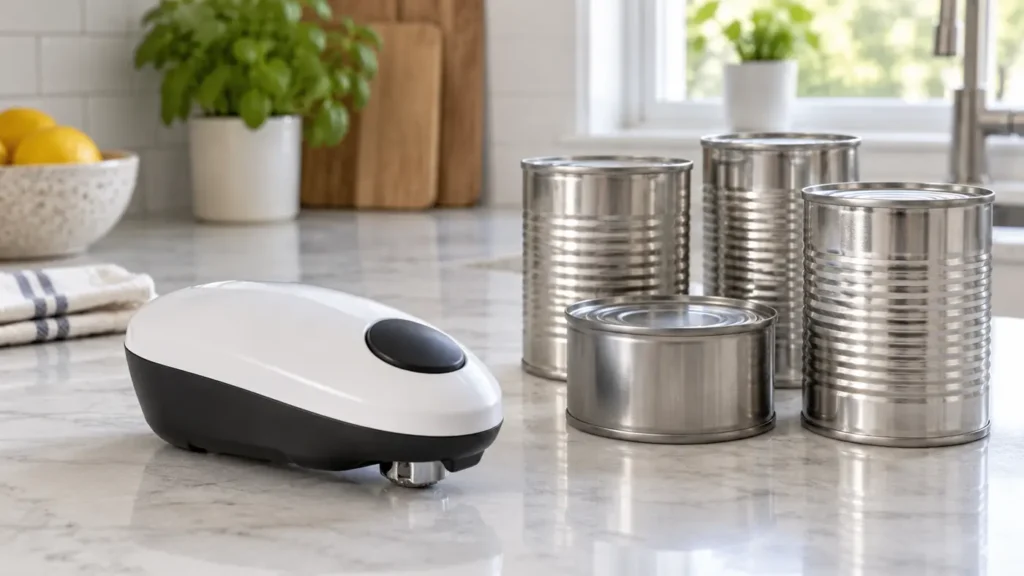
Compact one-touch electric can opener beside plain metal cans
Kitchen & Dining

Best Electric Can Opener for Easy One-Touch Use

Disclosure: As an Amazon Associate, My Indoor Space may earn from qualifying purchases made through links in this guide, at no extra cost to you.

An electric can opener can remove the repetitive twisting and gripping required by a manual model. The best option is easy to position, starts and stops predictably, handles the can sizes you use, and does not turn cleanup into a new problem.

One-touch designs include countertop openers that rotate the can vertically and compact battery models that travel around the lid. Each style has tradeoffs in stability, storage, power, and the type of cut it makes.

Quick verdict

Choose a stable countertop model for frequent use and varied can sizes, or a compact battery opener when storage and portability matter most. Look for clear controls, a dependable magnet or lid lift, easy access for cleaning, and a manual release for jams.

What to compare first

Feature Why it matters Practical target
Opener type Changes stability and storage Countertop or compact travel-around
Cut style Affects edge and lid reuse Top cut or side cut
Release Helps with jams Accessible manual release
Cleaning Prevents residue buildup Removable washable cutter

Choose countertop or compact operation

Countertop models usually hold the can against a cutting assembly while a motor turns it. They are convenient for frequent use and often handle a wider range of standard cans, but they require dedicated counter or cabinet space.

Compact openers sit on the lid and move around it. They store easily and may be useful for someone who cannot comfortably align a heavy can with a tall machine. Check the allowed can shapes and diameters because irregular or very large cans may not work.

Understand top-cut and side-cut designs

Traditional openers cut through the lid near the inner rim, which can leave a sharp edge and bring the cutting wheel close to food. Side-cut or smooth-edge models separate the lid at the seam, often creating a less sharp edge.

No cut is guaranteed harmless. Handle lids carefully, keep fingers away from the cutting mechanism, and discard damaged or swollen cans without opening or tasting the contents.

Look for simple, predictable controls

A true one-touch design should begin with a large, obvious control and stop automatically or with an equally clear second action. Tiny switches or multi-step alignment can undermine the convenience.

Check how a jam is released before purchase. A manual release lever, reverse function, or accessible battery compartment can help, but always unplug the unit or follow the manufacturer’s safety directions before touching the cutter.

Match the opener to your usual cans

Review maximum can height, diameter, weight, and shape. Tall countertop openers need enough clearance, while small travel-around units may struggle with heavy, dented, rimless, or non-round containers.

If you open only a few standard cans a month, a compact unit may be sufficient. For frequent cooking, prioritize motor consistency, a broad stable base, and a cord arrangement that will not pull the machine toward the counter edge.

Check power and battery requirements

Corded openers provide consistent power but need a nearby outlet. Battery-operated models reduce cord clutter, yet weak batteries can cause slow cutting or stalls. Rechargeable versions avoid disposable batteries but must be kept charged.

Confirm battery type, expected runtime, charging connector, and whether the device can be opened manually if power fails. Never mix old and new disposable batteries.

Make cleaning easy

Food residue can collect around the cutter and magnet. A removable cutting assembly is easier to clean than a fixed mechanism, provided it locks back into place securely after drying.

Do not immerse a motorized opener unless the manufacturer explicitly allows it. Wipe the body with a damp cloth, wash removable parts as directed, and let every component dry fully before reassembly.

Prioritize stability and safe placement

A wide non-slip base helps a countertop opener resist tipping. Set it on a dry, level surface with the cord away from burners, sinks, and walkways. Support unusually heavy cans rather than letting them hang from the mechanism.

Store compact units so the start button cannot be pressed accidentally. Keep the opener and removed lids away from children, and inspect the cutter for damage before use.

Common buying mistakes

  • Assuming every opener works with oversized, rimless, or non-round cans.
  • Choosing a model with no clear jam-release method.
  • Ignoring the cleaning instructions for the blade and magnet.
  • Letting a heavy can hang unsupported from a small countertop unit.
  • Handling a cut lid as if it cannot be sharp.

Frequently asked questions

Do electric can openers leave sharp edges?

It depends on the cutting design. Side-cut models often produce a smoother edge, while top-cut designs can leave a sharper rim. Handle every lid carefully.

Are one-touch openers suitable for limited grip strength?

They may reduce twisting and squeezing, but alignment, lifting, and cleaning still matter. Check control size and weight, and consider professional guidance for specific mobility needs.

Can an electric opener handle large cans?

Only if the manufacturer lists the can’s size and weight as supported. Tall or heavy cans may need a full-height countertop model and hand support during use.

How should I clean the cutter?

Unplug the opener or remove batteries, detach the cutter if designed to be removable, and follow the manual. Do not immerse the motor housing.

What should I do if the opener jams?

Stop the motor and use the model’s specified release or reverse procedure. Do not pull the can toward the exposed blade or insert fingers into the mechanism.

Who should buy it—and who should skip it

Buy it if: grip strength, wrist comfort, or frequent can opening makes a manual opener frustrating.

Skip it if: you rarely open cans or already have a manual opener that is easy and comfortable to use.

Best value

A stable one-touch countertop opener with simple controls and easy blade cleanup is the best value for most kitchens.

When the upgrade is worth it

Pay more for better stability, easier release, cleaner edge handling, and dependable operation with common can sizes. Extra styling is not a meaningful upgrade.

Final answer

The best one-touch electric can opener combines low-effort operation with stable positioning, a clear release method, and easy cleaning. Pick the format that matches your storage and can sizes, then treat the cutter and removed lid with the same care you would use with any sharp kitchen tool.

For related low-effort choices, read our ergonomic kitchen tools guide and food storage container comparison.
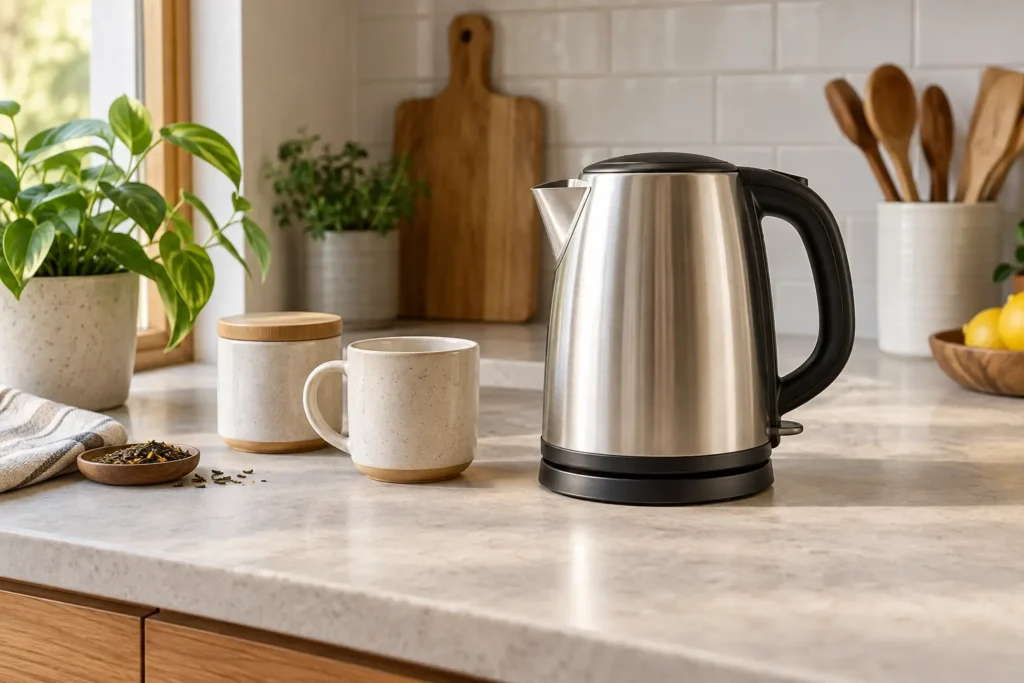
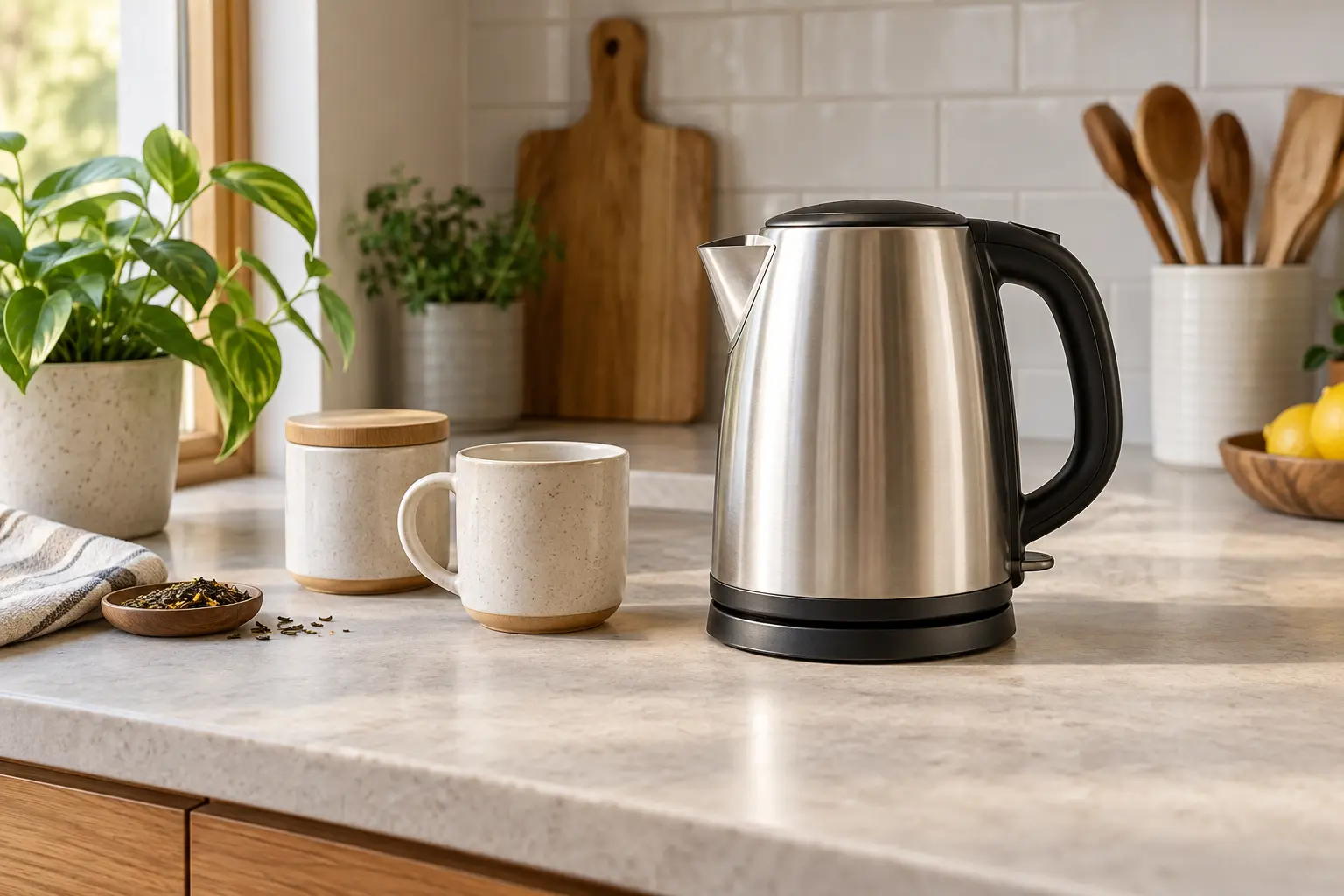
Unbranded stainless steel electric kettle on a bright apartment kitchen counter
Kitchen & Dining

Best Electric Kettle: 7 Features to Look For

Disclosure: This article contains affiliate links. If you buy through them, My Indoor Space may earn a commission at no extra cost to you.

Unbranded stainless steel electric kettle on a bright apartment kitchen counter

The best electric kettle is not automatically the most expensive one. For most kitchens, a dependable kettle with automatic shutoff, boil-dry protection, a comfortable handle and an easy-to-clean interior delivers better everyday value than a complicated model filled with settings you may never use.

Quick Verdict

Best choice for most homes: a 1.5- to 1.7-litre cordless kettle with a wide lid, clear water-level markings, automatic shutoff and boil-dry protection.

Best upgrade: a variable-temperature kettle if you regularly prepare green tea, delicate tea, French-press coffee or pour-over coffee.

Best for a small kitchen: a compact 1-litre model with a small base and cord storage. It heats only the water you need and gives more counter space back.

Who an Electric Kettle Is Best For

  • Tea and instant-coffee drinkers who heat water several times a day.
  • Anyone who wants hot water without using a saucepan or microwave.
  • Small households that value speed and a compact countertop footprint.
  • People who prepare oatmeal, soup cups, hot chocolate or pour-over coffee.

Who May Want to Skip It

  • Homes that already have an instant hot-water dispenser.
  • Anyone who rarely heats water outside normal cooking.
  • Very small kitchens where even a compact appliance would remain unused.
  • People who need a travel appliance; a full-size household kettle may not suit different voltages or hotel rules.

Choose the Right Type

Kettle typeBest forMain trade-off
Basic boil-onlyEveryday tea, instant coffee and simple valueNo temperature control
Variable temperatureDifferent teas and specialty coffeeHigher price and more controls
GooseneckControlled pour-over coffeeUsually slower to pour for general kitchen use
Compact 1-litreOne or two people and small countersMore refills for guests
Large 1.7-litreFamilies, entertaining and batch useLarger footprint and heavier when full
Double-wallHeat retention and a less-hot outer surfaceHeavier and harder to see the water level

Seven Features Worth Paying For

1. Automatic Shutoff and Boil-Dry Protection

These are the first features to check. Automatic shutoff turns the kettle off after the water boils. Boil-dry protection stops heating when there is too little water. Neither replaces careful use, but both are more important than decorative lights or app controls.

2. The Right Capacity

A 1-litre kettle is usually enough for one or two people and roughly three or four generous mugs. A 1.5- to 1.7-litre kettle makes more sense for a family, a home office with frequent refills or anyone who serves guests. Buying a kettle much larger than you need takes more space and encourages overfilling.

3. A Comfortable Handle and Controlled Pour

A good handle should feel balanced when the kettle is full and keep your hand comfortably away from the body and lid. The spout should pour in a clean stream without dribbling. If grip strength is a concern, compare the empty weight as well as the capacity.

4. An Easy-to-Clean Interior

Look for a lid that opens wide enough for cleaning and a concealed heating element that leaves a smoother base inside. A removable scale filter at the spout is also useful, especially in areas with hard water. Complicated seams and narrow openings make mineral buildup harder to remove.

5. Useful Water-Level Markings

Clear markings help you boil only what you need. Check whether the scale is visible from the side you naturally use. Some handsome kettles hide the window behind the handle, which can make filling less convenient.

6. A Stable Cordless Base

A 360-degree base lets you return the kettle from either direction, which is helpful for left- and right-handed users. A broad, non-slip base and cord storage keep the appliance steadier and the counter neater. Measure the full base, not just the kettle body, before buying for a narrow counter.

7. Recognized Electrical Certification and a Clear Warranty

Choose a model intended for your country and look for recognized electrical certification for your market. Check the warranty length, return policy and whether the company provides replacement filters or other small parts. A bargain is less appealing if support disappears when the lid or base develops a problem.

Is Variable Temperature Worth It?

Variable temperature is worthwhile when the drink changes with the day. Delicate teas can taste harsh when the water is too hot, while black tea and many instant foods benefit from hotter water. Coffee drinkers may also prefer control below a full rolling boil.

If you simply want boiling water for ordinary tea, instant coffee or cooking, one-button operation is faster to understand, easier to live with and usually less expensive. Temperature presets are a genuine upgrade only when you will use them.

Stainless Steel, Glass or Plastic?

Stainless steel is durable, hides mineral marks and suits most kitchens. Single-wall metal can become very hot, so keep hands on the handle.

Glass makes the water level easy to see and can look attractive on the counter. It also shows scale quickly and is heavier and more breakable.

Plastic keeps weight and price down. Look for a well-made model from a reputable seller and check which surfaces contact the water if material choice matters to you.

What About Speed and Wattage?

Higher-wattage kettles generally heat water faster, but the result also depends on household voltage, water quantity and starting temperature. In a North American kitchen, a good full-size kettle is often designed to use much of the power available from a standard outlet. Avoid sharing an overloaded circuit with other high-draw countertop appliances.

Small-Kitchen Buying Checklist

  1. Measure the counter area, including the base and handle.
  2. Check the height beneath upper cabinets with the lid fully open.
  3. Decide whether one litre is enough for normal use.
  4. Choose a cord length that reaches without crossing a sink or walkway.
  5. Make sure steam will not vent directly onto a cabinet or wall.
  6. Pick a finish you will be comfortable leaving visible every day.

If your counters already feel crowded, combine the kettle with the simple habits in The Small Kitchen Habits That Keep Counters Looking Clean. A defined appliance zone can also make a kitchen feel more intentional without a renovation.

Best Value vs. Upgrade Worth Buying

Best value: a straightforward cordless kettle with automatic shutoff, boil-dry protection, a wide lid and a removable scale filter. This covers the needs of most households without adding controls that complicate a basic job.

Upgrade worth buying: a variable-temperature model with a simple display and keep-warm function if you prepare several types of tea or coffee throughout the day.

Upgrade most people can skip: app control. Heating water is quick, and the kettle still needs to be filled before use. Reliable physical controls usually matter more.

Use It Safely

  • Place the base on a dry, level surface away from the sink and counter edge.
  • Do not fill above the maximum line.
  • Keep the spout pointed away from cabinets, people and pets.
  • Never immerse the kettle, base, plug or cord in water.
  • Descale according to the manufacturer’s instructions.
  • Stop using the kettle if the cord, plug, lid or base is damaged.
  • Follow the manual for outlet, cleaning and extension-cord guidance.

Frequently Asked Questions

Is a 1-litre kettle big enough?

For one or two people, usually yes. It saves counter space and is lighter to lift. A larger kettle is more convenient when several people want hot drinks at the same time.

Does a keep-warm function use a lot of electricity?

It uses additional energy because the kettle reheats or maintains temperature. The exact amount varies by model and duration. If you rarely return for a second drink, boil fresh water instead.

How often should an electric kettle be descaled?

There is no single schedule for every home. Hard water and frequent use create scale faster. Inspect the interior regularly and follow the cleaning interval and method in the manual.

Is a gooseneck kettle better?

It is better for slow, controlled pouring over coffee grounds. For filling a teapot, soup cup or saucepan, a conventional spout is often quicker and more practical.

Availability, prices and specifications change. Confirm the current capacity, safety features, electrical certification and warranty on the retailer’s page before purchasing.

Building a compact coffee setup? Compare AeroPress Original and XL sizes, then use our kitchen scale guide to decide whether your existing scale is enough.

Final Answer

For most kitchens, the winner is a simple 1.5- to 1.7-litre cordless kettle with automatic shutoff, boil-dry protection, a comfortable handle and a wide opening for cleaning. Choose a compact 1-litre version if counter space matters more than serving a crowd. Pay extra for variable temperature only when different teas or specialty coffee are part of your normal routine.

Scroll to Top