
Disclosure: As an Amazon Associate, My Indoor Space earns from qualifying purchases through links in this article, at no extra cost to you.
Quick verdict
Choose stainless steel first for a broad mix of recipes, especially acidic sauces and deglazing. Choose carbon steel when you want a seasoned cooking surface and will maintain it. Neither choice makes heat control or cooking technique unnecessary.
Research-based buying guide. Information checked October 16, 2026. We have not tested these products hands-on; published specifications and our buying judgments are identified separately.
carbon steel skillets
stainless steel skillets
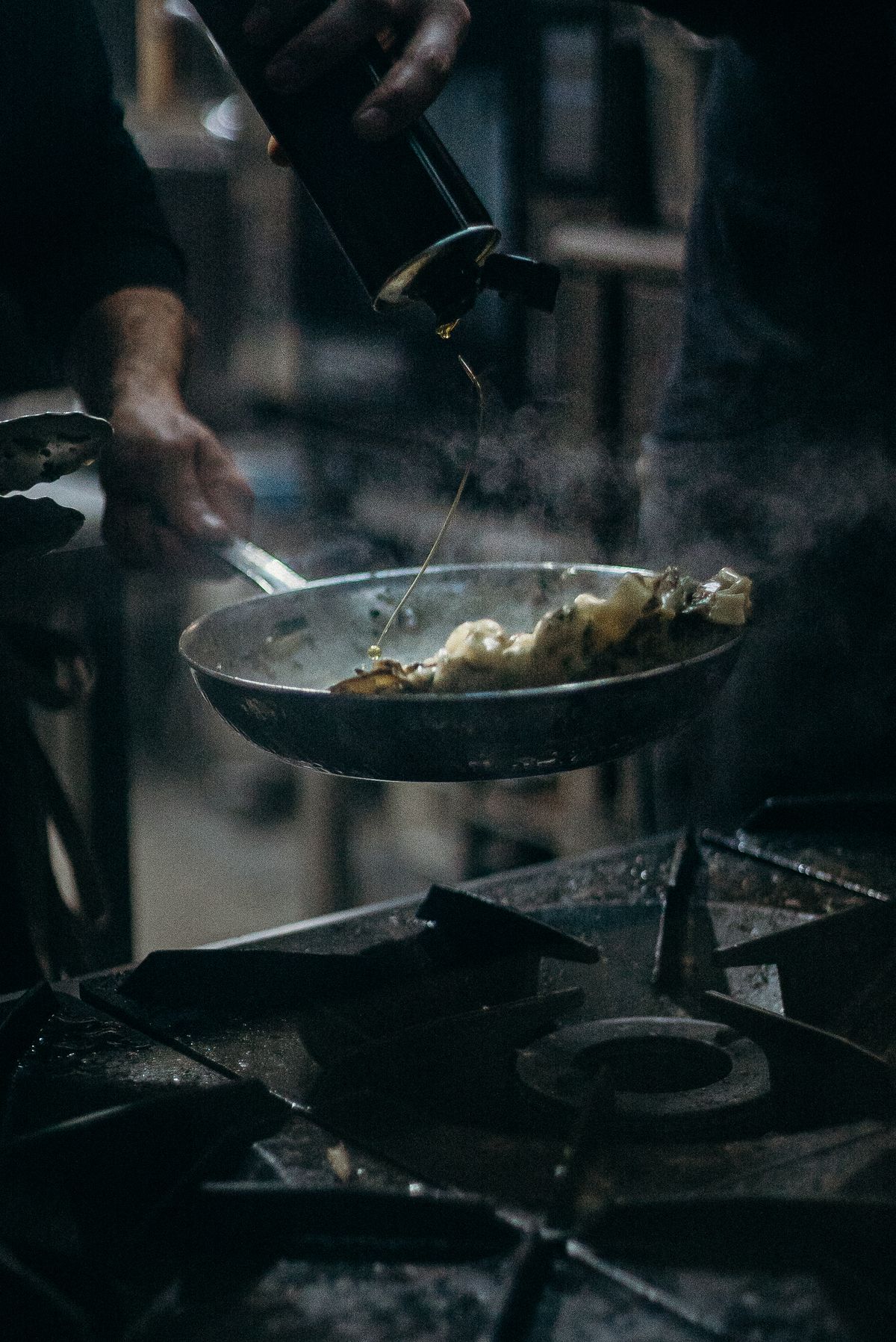
Both materials can earn a place in a home kitchen, but they ask different things of the cook. The useful question is not which pan a restaurant uses. It is which surface suits the meals you make and the cleaning routine you will actually follow.
Compare the daily trade-offs
| Decision | Carbon steel | Stainless steel |
|---|---|---|
| Surface care | Maintain seasoning and dry as directed | No seasoning layer needed |
| Acidic sauces | Check maker’s restrictions | Often the more practical starting point |
| Construction | Thickness and handle vary | Cladding, base and handle vary |
When stainless steel is the better first purchase
If a typical meal involves tomatoes, wine or a pan sauce, stainless can fit the routine more easily. de Buyer specifically advises against acidic preparations in its seasoned steel because they can damage the seasoning. That is a meaningful limitation for a pan you want to use for everything.
Stainless steel is also a construction category, not one uniform product. All-Clad describes several bonded designs with different conductive layers. Compare the actual skillet’s build and care instructions. A similar-looking thin pan and a fully clad pan should not be expected to behave identically simply because both have stainless cooking surfaces.
When carbon steel earns its place
A seasoned carbon steel skillet can suit cooks who enjoy managing a cooking surface and mostly want a pan for suitable frying, searing and browning tasks. The seasoning is part of the ownership routine. Read the first-use preparation carefully; coatings and manufacturer instructions vary.
Do not treat the surface as a maintenance-free nonstick coating. Drying, storage and the maker’s recommended cleaning method matter. A changing patina is expected on many seasoned pans, but any problem should be assessed against the manual rather than an online photograph of a perfectly black pan.
Compare size and handling fairly
Use the flat cooking area, not only the rim diameter, to judge capacity. Sloping sides can make two nominally equal sizes hold different amounts of food in contact with the base. Consider the handle length and whether you can maneuver the full pan comfortably at the sink.
Check the complete pan’s oven rating, including the handle, and compatibility with your cooktop. A material’s general reputation does not establish every model’s limits. For induction, compare the manufacturer’s requirements and the cooktop’s usable zone size rather than buying from the word “steel” alone.
Is the second pan worth buying?
Add carbon steel if you already have a versatile pan and want a seasoned option for specific tasks. Add stainless if acidic meals and sauces are awkward in your current collection. Keep a serviceable skillet if it cooks your usual meals well; buying the other material is worthwhile only when it fills a clear gap.
Compare listings in your country
These buttons open matching Amazon search results, rather than a guaranteed in-stock offer. Confirm the exact model, seller, included parts, delivered price and return terms. Prices and availability can differ between the United States and Canada.
carbon steel skillets
stainless steel skillets
Related guides on My Indoor Space
- Lodge vs Le Creuset Dutch Oven: When Is the Upgrade Worth It?
- Silicone vs Wooden Kitchen Utensils: Which Should You Buy First?
- Best Portable Induction Cooktop for a Small Kitchen