
Author name: takeonevideoandphotos@gmail.com

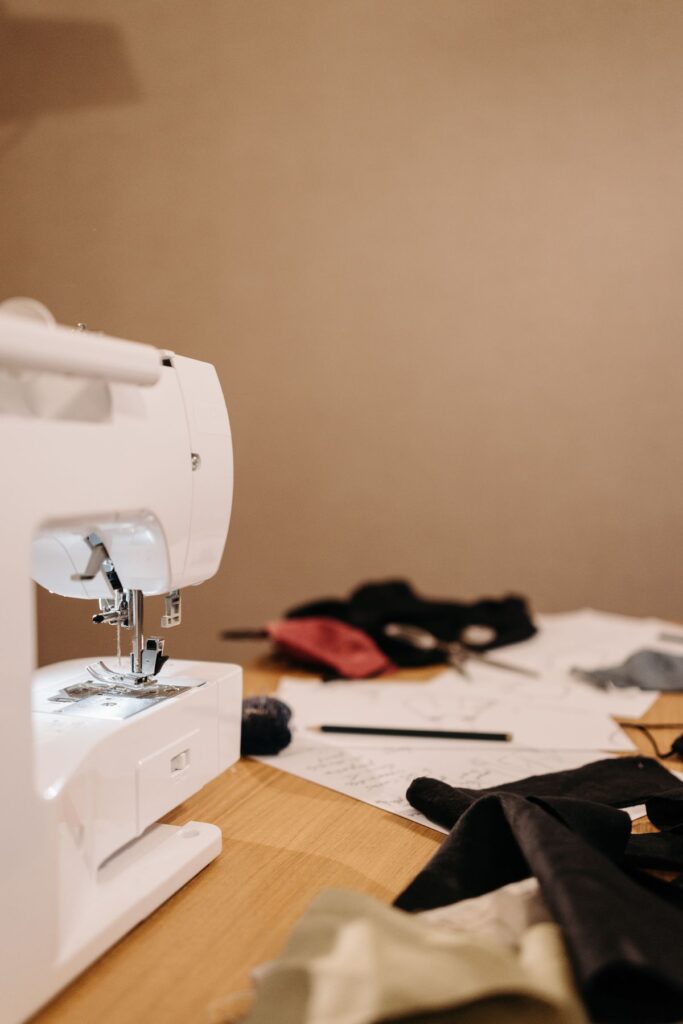
Sewing machine, fabric and tools on a work table
DIY & Decorating

Are Fiskars Original 8-Inch Scissors Worth It for Home Sewing?

Disclosure: As an Amazon Associate, My Indoor Space earns from qualifying purchases.

Quick verdict

Fiskars Original eight-inch scissors are worth considering when you need a suitable everyday fabric-cutting pair and like the bent right-handed handle. Keep sound fabric scissors that already cut cleanly. A rotary cutter remains a different setup for guided strips; it does not make comfortable scissors unnecessary.

Research-based buying guide. Checked October 17, 2026. We have not tested these products hands-on. Manufacturer information, attributed external findings and our editorial judgments are distinguished below.
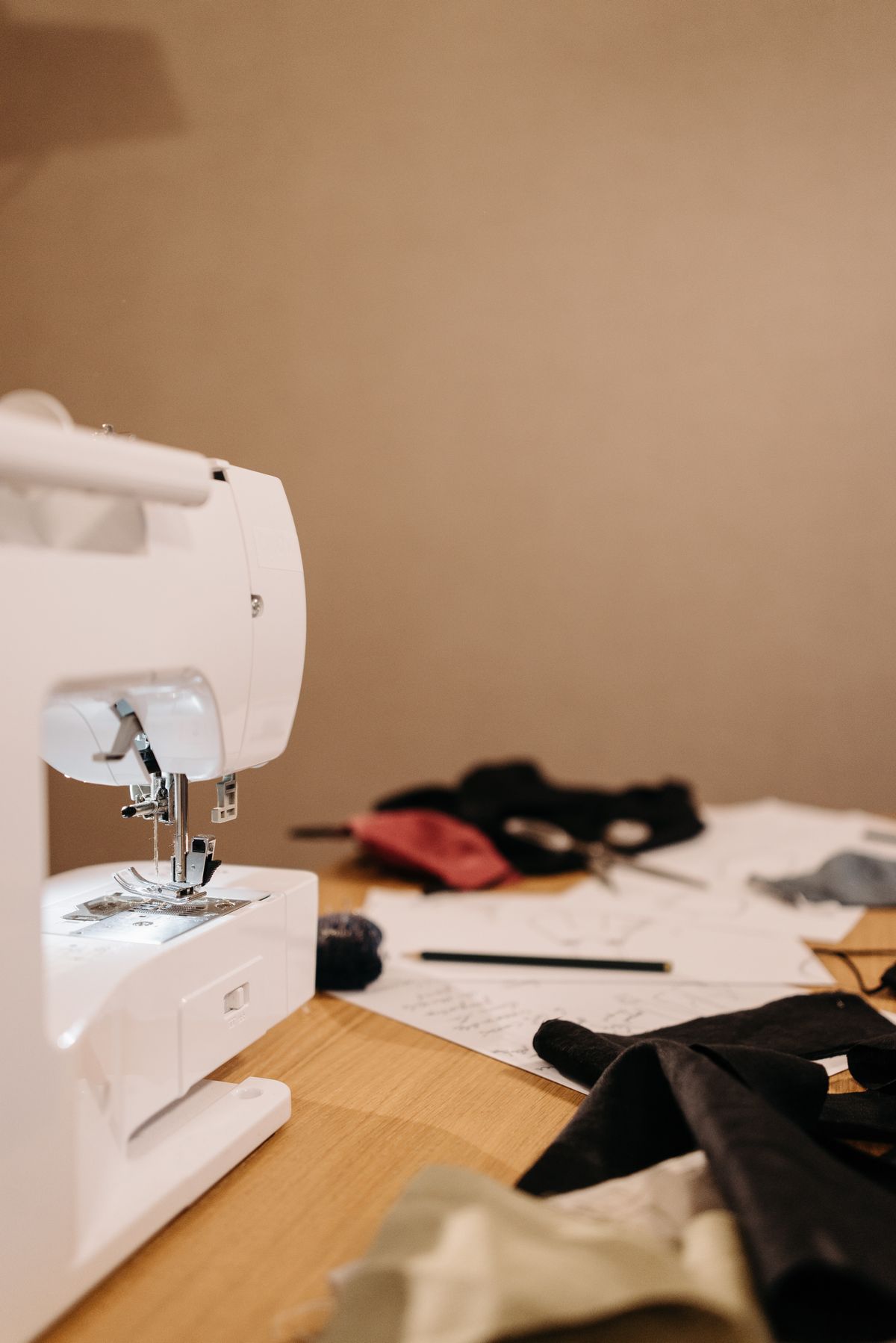
Sewing machine, fabric and tools on a work table
Sewing-table context; the scissors shown are not identified as the reviewed Fiskars Original model. Stock photo: Pexels.

Which option fits your routine?

Choice Choose it for Tradeoff
Original eight-inch scissors General fabric cutting with the appropriate hand Handle fit and blade condition matter
Existing fabric scissors Controlled cutting that already works No upgrade benefit without a specific problem
Rotary cutter and mat Repeated guided pieces on a cutting surface More equipment and a different technique

Check handedness before the brand name

The checked listing is the Original orange-handled eight-inch all-purpose craft and fabric model. Singer’s listing identifies the corresponding bent scissors as right-handed. Confirm the exact hand orientation; an orange handle alone does not tell you how a particular model’s blades are arranged.

For a left-handed user, choose a tool specifically suited to that use rather than assuming this pair will feel the same. Handle loops and blade visibility matter as well as total length. We have not tested comfort or cutting results for either hand.

The bent handle serves a particular cutting position

The design is intended to help keep material flatter against a supporting surface during cutting. That can be useful for fabric pieces laid on a table, but it does not guarantee an accurate pattern edge without careful positioning.

Check whether the full opening and usable blade length suit your work. A large pair can be less convenient for tiny details, while a small snip is a different tool for narrow access. Choose the main cutting task before adding a whole matching set.

Judge your existing scissors first

Try your present fabric scissors on an offcut of material you actually use. If they give controlled, clean cuts and feel comfortable, a new brand is optional. If they catch, feel loose or have a damaged edge, consult their care or servicing guidance before deciding whether replacement is the better value.

Keep the cutting edge clean and store the scissors appropriately. If you want a dedicated fabric pair, label it so other household members do not treat it as the general packaging tool. No specific sharpness lifetime or measured advantage over a competitor is claimed.

When the upgrade is worth buying

Buy when you need a right-handed general fabric pair and the grip suits you. Skip it for a purely decorative upgrade or a task that instead needs small detail scissors, heavy-duty shears or a rotary system.

Compare the exact single-pair listing with local offers, including delivered cost and return terms. A two-piece set is only better value if the second tool is useful. Keep a serviceable existing pair rather than assuming every sewing kit needs another eight-inch scissor.

Buying in the United States or Canada

Choose the button for your country and compare the exact model, included parts, seller, delivered cost and return terms. Offers and replacement-part availability can differ between Amazon USA and Canada. Confirm regional manufacturer support before relying on a guarantee for an imported product. We do not promise stock, a fixed price or delivery to every address.

Related guides on My Indoor Space

Sources and research

Specifications establish stated features, not independent proof of performance. We base our value judgments on the task, fit, upkeep and alternatives. External experiences are attributed to their sources; no personal testing or measured savings is claimed.
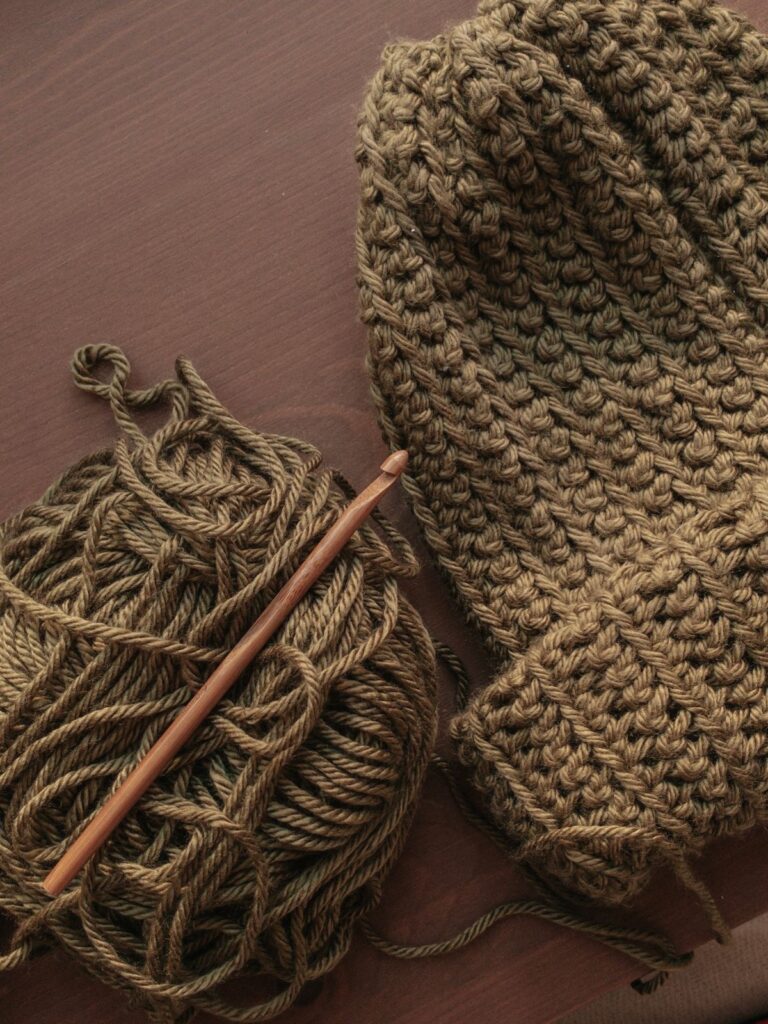
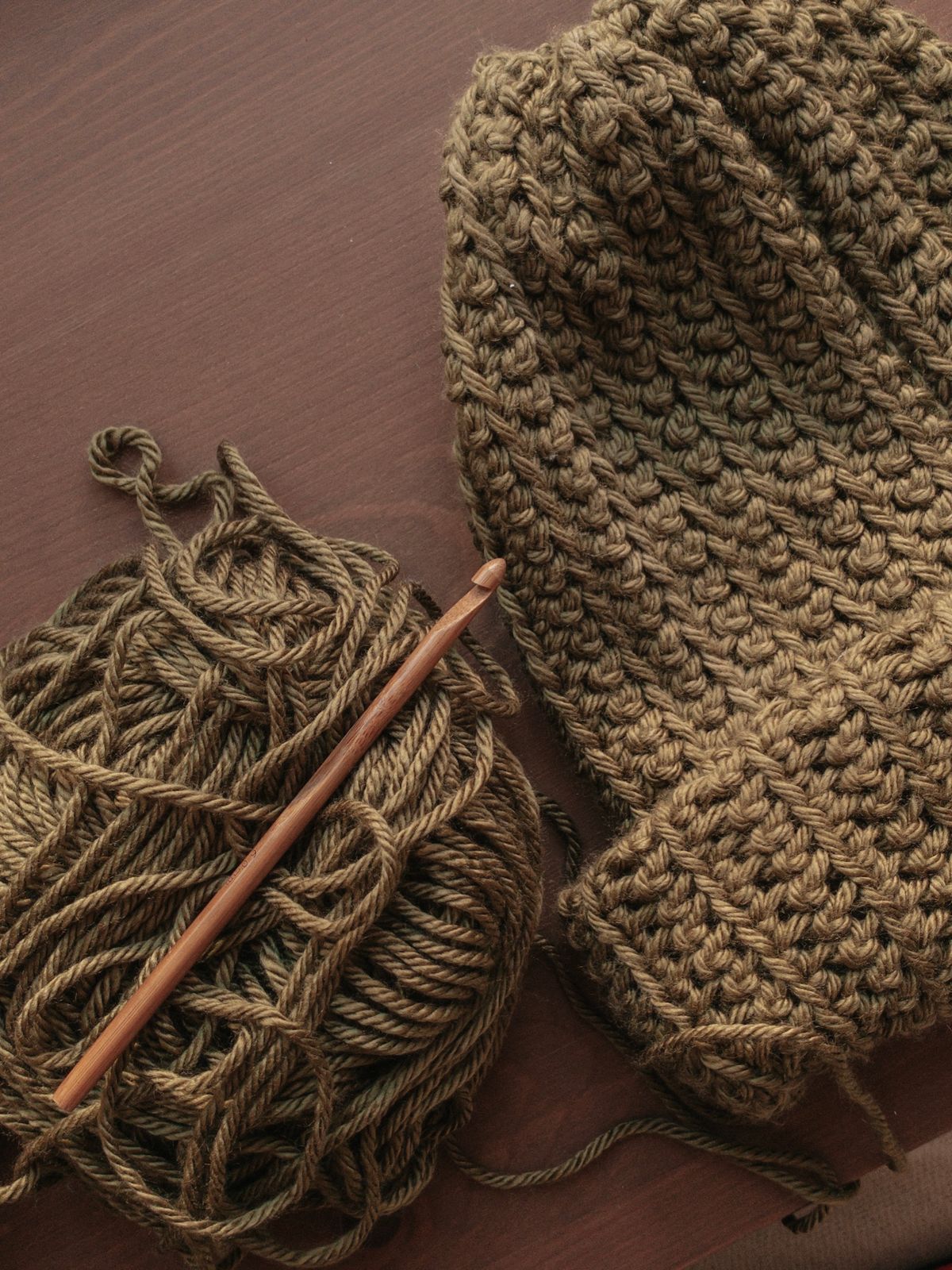
Yarn, a crochet hook and a handmade hat on a wooden table
DIY & Decorating

Are Clover Quick Locking Stitch Markers Worth It for Yarn Projects?

Disclosure: As an Amazon Associate, My Indoor Space earns from qualifying purchases.

Quick verdict

Clover’s medium Quick Locking Stitch Markers are worth considering when you need removable markers that can be opened and secured to a particular stitch. A ring marker is enough for a fixed needle position, and scrap yarn may meet occasional needs. The linked 3031 pack contains twenty medium markers, not the mixed-size set.

Research-based buying guide. Checked October 17, 2026. We have not tested these products hands-on. Manufacturer information, attributed external findings and our editorial judgments are distinguished below.

Yarn, a crochet hook and a handmade hat on a wooden table
Yarn-project context; Clover stitch markers are not pictured. Stock photo: Pexels.

Which option fits your routine?

Choice Choose it for Tradeoff
Quick-locking markers Removable reference points on individual stitches Size and opening action must suit the work
Closed ring markers A position between stitches on a needle Cannot open around an existing stitch
Contrasting scrap yarn An occasional low-cost reference Handling and visibility can be less convenient

Start with how the marker attaches

Clover says these markers can be used locked or unlocked. Its 3031 medium package contains twenty pieces and is separate from the small, large and mixed-size versions. Check the exact model and count in the offer.

An opening marker can be useful for a reference attached to the fabric of a crochet project, or another task where removing it from the side is convenient. A closed ring can be simpler when you merely move a marker along a knitting needle. Choose for the attachment task, not the largest assortment.

Match size to the yarn and your handling

Clover describes an undulated shape intended to limit stretching of stitches. That is a design claim rather than a test result from us. Try a marker on a sample: the opening, visibility and weight should suit the yarn and stitch.

A marker that is cumbersome on very fine work may distract from the reference it is meant to provide. Conversely, a tiny hard-to-see marker can be inconvenient on bulkier yarn. Do not assume the word medium maps to a particular needle diameter without checking the maker’s exact guidance.

Count useful markers rather than buying every size

Write down the points your pattern needs marked simultaneously. Twenty may be useful for several repeats or projects, but a handful could be sufficient for a single item. A lower cost per marker is not a saving if most of the pack remains unused.

Keep markers together when a project is put away and make a note of what each position means. Color alone does not explain the pattern. We have not tested repeated opening cycles, breakage resistance or whether a particular marker can catch a particular yarn.

When to buy or keep a simpler option

Buy when repeated attachment and removal are awkward with your current method and you like the locking action. Keep ring markers if they already serve the task, and keep suitable scrap yarn as an inexpensive occasional reference.

Skip a full mixed set when you already know the needed size. Replace a damaged marker that catches or no longer closes properly instead of automatically replacing an entire sound collection. Compare the exact twenty-piece pack, delivered cost and returns in each country.

Buying in the United States or Canada

Choose the button for your country and compare the exact model, included parts, seller, delivered cost and return terms. Offers and replacement-part availability can differ between Amazon USA and Canada. Confirm regional manufacturer support before relying on a guarantee for an imported product. We do not promise stock, a fixed price or delivery to every address.

Related guides on My Indoor Space

Sources and research

Specifications establish stated features, not independent proof of performance. We base our value judgments on the task, fit, upkeep and alternatives. External experiences are attributed to their sources; no personal testing or measured savings is claimed.
Yarn, a crochet hook and a handmade hat on a wooden table
DIY & Decorating

Is a Clover Amour Crochet Hook Worth Upgrading from Plain Metal?

Disclosure: As an Amazon Associate, My Indoor Space earns from qualifying purchases.

Quick verdict

A Clover Amour hook is worth considering when its soft grip and hook shape suit the way you crochet better than a plain metal tool. Keep your existing hook if it is comfortable and produces the required gauge. The linked item is one J/6.0 mm hook, not a set or a universally correct beginner size.

Research-based buying guide. Checked October 17, 2026. We have not tested these products hands-on. Manufacturer information, attributed external findings and our editorial judgments are distinguished below.

Yarn, a crochet hook and a handmade hat on a wooden table
Yarn-craft context; the hook pictured is not identified as the reviewed Clover Amour model. Stock photo: Pexels.

Which option fits your routine?

Choice Choose it for Tradeoff
Amour J/6.0 mm A project suited to this size and preferred grip Personal fit and gauge still need checking
Existing plain metal hook Comfortable work at the required gauge Different grip and head feel
Multi-size set Several known upcoming project sizes More upfront cost and potentially unused hooks

Start with the millimeter size

Clover’s US 1049/J hook is 6.0 mm, with an aluminum working section and elastomer handle. Amour is available in multiple sizes. Match the millimeter measurement rather than assuming every brand or region uses the same letter label.

Use the pattern and yarn guidance as a starting point and check gauge with your own technique. A six-millimeter hook is not the right tool for every yarn or stitch. If the project calls for a different size, buying the linked hook because it is discounted is not good value.

Treat comfort as an individual choice

Clover describes a soft, easy-grip handle and a hook shape intended for smooth crocheting. Those are design claims, not a measured comfort result from us. Your hold, working speed and preferred shaft length can change the experience.

Try one size you actually use before investing in a complete set. Check whether the handle position and working section let you form the intended stitches without an awkward adjustment. A padded grip does not guarantee relief from pain or make every technique easier.

Check the effect on your existing project

Changing hook shape or grip can alter how you hold yarn even when the labeled diameter is the same. Compare a sample before switching halfway through a piece where a consistent appearance matters.

Keep a note of the exact hook used with a project. The handle color is helpful for recognition, but the printed size and model are more reliable when ordering another. We have not tested stitch consistency, finish quality or differences in completion time.

Buy one useful hook before a full set

Buy when the grip or hook profile improves a repeated task for you and the size matches a real project. Skip the upgrade if your plain tool is already comfortable and gives the required result.

A full set can make sense after you know you like the design and need several sizes. It is not automatically better value if most remain unused. Compare the country-specific price for the individual item, confirm it is not a case or accessory listing, and keep a working hook rather than replacing it for appearance alone.

Buying in the United States or Canada

Choose the button for your country and compare the exact model, included parts, seller, delivered cost and return terms. Offers and replacement-part availability can differ between Amazon USA and Canada. Confirm regional manufacturer support before relying on a guarantee for an imported product. We do not promise stock, a fixed price or delivery to every address.

Related guides on My Indoor Space

Sources and research

Specifications establish stated features, not independent proof of performance. We base our value judgments on the task, fit, upkeep and alternatives. External experiences are attributed to their sources; no personal testing or measured savings is claimed.
Sewing machine with fabric and pins on a work table
DIY & Decorating

Is the Clover Roll & Press Worth It Instead of Reaching for an Iron?

Disclosure: As an Amazon Associate, My Indoor Space earns from qualifying purchases.

Quick verdict

The Clover 7812 Roll & Press is worth considering for small seam or fold adjustments beside a sewing machine when a rolling, unheated tool suits the material. Keep an iron for tasks that actually require appropriate heat or steam. Finger pressing may already be enough for occasional light work.

Research-based buying guide. Checked October 17, 2026. We have not tested these products hands-on. Manufacturer information, attributed external findings and our editorial judgments are distinguished below.

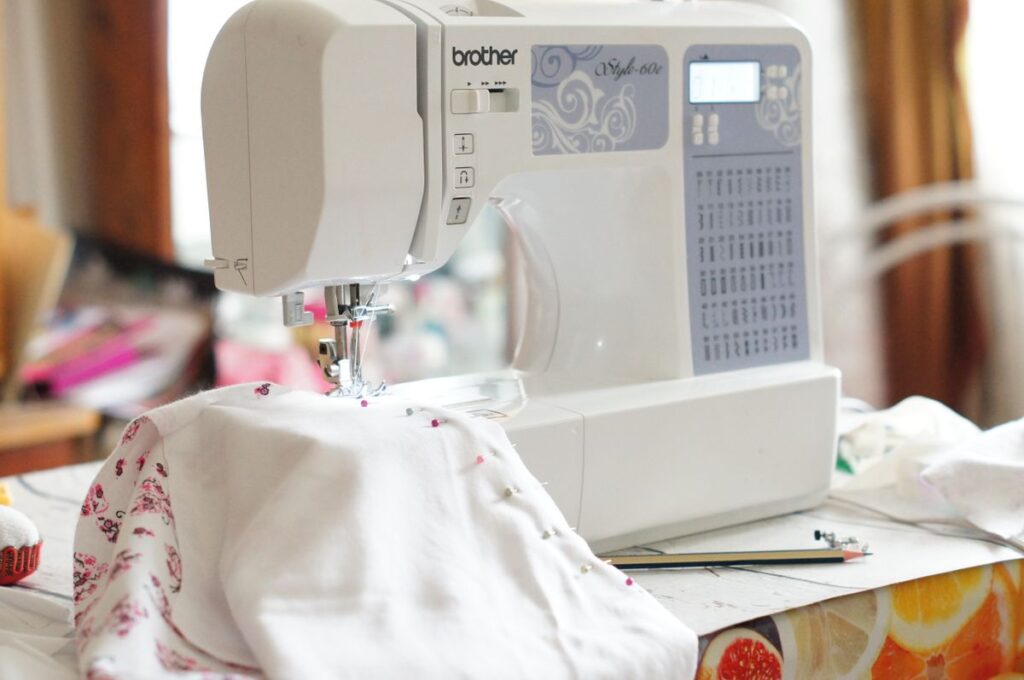
Sewing machine with fabric and pins on a work table
Sewing-workspace context; the Clover Roll & Press roller is not pictured. Stock photo: Pexels.

Which option fits your routine?

Choice Choose it for Tradeoff
Roll & Press Small controlled folds or seam adjustments Pressure and material response still matter
Finger pressing An occasional fold without another tool Less concentrated contact
Iron and suitable board A heat-appropriate pressing task Setup, fabric care and heat handling

Understand the unheated rolling action

Clover’s tool has a tapered wheel intended to focus pressure along a seam. It is a hand roller, not a miniature electric iron. The maker describes uses including paper piecing and suitable laminates, as well as forming a crease before ironing.

That makes it most interesting for a repeated short task near the machine. If you already walk to the pressing station only a few times per project, the convenience may be modest. Decide which specific step you want the roller to perform before buying.

Support the work and control pressure

Clover’s instructions say to support the project on a firm surface, center the tool on the seam and roll with the seam allowance facing upward for the intended operation. It warns that excessive pressure or repeated pressing can stretch fabric.

That caution is more useful than treating a general no-distortion feature claim as absolute. Test the tool on an offcut of the actual material. We have not measured pressure, crease durability or changes to fabric dimensions, and no speed advantage is claimed.

It does not make every iron unnecessary

Some construction steps still call for heat, steam or a particular pressing method. Follow the project and material instructions instead of assuming that mechanical pressure gives the same result. Conversely, do not add heat to a material whose instructions exclude it.

Keep the roller away from excessive heat such as an iron, as Clover directs. A tool useful near a pressing station is not necessarily designed to sit beneath the hot soleplate. Store it where the wheel remains clean and cannot pick up debris that transfers to fabric.

When to buy, keep or skip

Buy when repeated small seam adjustments are a genuine interruption and the roller works with your chosen method. Skip it when finger pressing is sufficient or your task needs an iron regardless.

Keep an existing serviceable roller if it produces a suitable result with controlled handling. A different handle or brand alone does not establish a useful upgrade. Compare the exact 7812 listing and delivered price in each country, and avoid paying for a larger pressing kit when this is the only function you need.

Buying in the United States or Canada

Choose the button for your country and compare the exact model, included parts, seller, delivered cost and return terms. Offers and replacement-part availability can differ between Amazon USA and Canada. Confirm regional manufacturer support before relying on a guarantee for an imported product. We do not promise stock, a fixed price or delivery to every address.

Related guides on My Indoor Space

Sources and research

Specifications establish stated features, not independent proof of performance. We base our value judgments on the task, fit, upkeep and alternatives. External experiences are attributed to their sources; no personal testing or measured savings is claimed.
Sewing machine and fabric with flowers on a table
DIY & Decorating

Is the Clover Point 2 Point Turner Worth It for Sewing Corners?

Disclosure: As an Amazon Associate, My Indoor Space earns from qualifying purchases.

Quick verdict

The Clover 7803 Point 2 Point Turner is worth considering when finished corners and curved seams are a recurring part of your sewing. A smooth, suitable blunt tool you already control well may be enough for occasional work. The reason to buy is a useful shape, not a promise that a tip cannot poke through fabric.

Research-based buying guide. Checked October 17, 2026. We have not tested these products hands-on. Manufacturer information, attributed external findings and our editorial judgments are distinguished below.

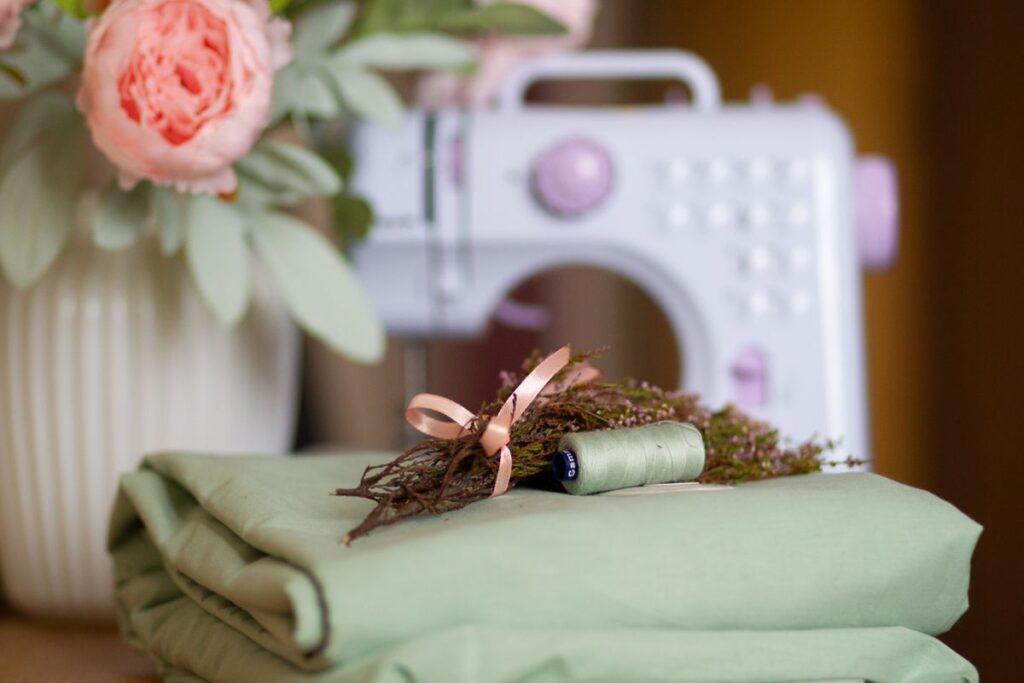
Sewing machine and fabric with flowers on a table
Sewing-workspace context; the Clover Point 2 Point Turner is not pictured. Stock photo: Pexels.

Which option fits your routine?

Choice Choose it for Tradeoff
Point 2 Point Turner Different corners and curves in sewn projects Requires gentle, controlled pressure
Existing suitable blunt tool Occasional simple turning Shape and finish must suit the material
Pressing guide or roller Making or flattening a fold A different task from pushing out a corner

Buy a turning shape that suits your project

Clover identifies this dual-ended tool as 7803 and describes point turning, detail work, seam pressing and marking. Its different tips and curved edges provide more than one contact shape. It is not the Iron Finger pressing tool or a heated appliance.

For a cushion cover, small pouch or other sewn item, consider whether you mainly need a narrow corner, a broader curve or a long seam eased outward. The useful shape depends on that task. A sharper-looking point is not automatically a better choice for a delicate corner.

Inspect the seam before pushing against it

A turning tool cannot correct an incorrectly sewn seam allowance or trapped material simply by applying more force. Follow the project instructions for preparation and then work gently where you can see the result.

Try the contact shape on a scrap sample of the same seam and material. Stop if the tool is catching or stretching the fabric. We have not tested puncture resistance, point sharpness or performance on different weaves, so no damage-proof result is claimed.

Keep turning and pressing roles distinct

A curved edge can help smooth a seam, but that does not establish that this plastic tool may be held under a hot iron. Follow the tool’s own guidance and use equipment specifically rated for direct ironing contact when the task requires heat.

If your main frustration is measuring a hem or pressing a long flat fold, a turning tool may not solve it. Buy for the work done inside or along a sewn shape rather than adding every small sewing accessory to the same basket.

When the upgrade earns its place

Buy if you turn corners and curves regularly and the available ends fit the work better than your current smooth tool. Skip it for a one-off project when an appropriate existing option gives enough control.

Keep a sound turner with a smooth surface. If a tool becomes rough or damaged, inspect it before using it against fabric; a worn surface can change how it behaves. Compare exact model and delivered price in each country, and judge the upgrade by access and handling rather than an unmeasured claim of professional results.

Buying in the United States or Canada

Choose the button for your country and compare the exact model, included parts, seller, delivered cost and return terms. Offers and replacement-part availability can differ between Amazon USA and Canada. Confirm regional manufacturer support before relying on a guarantee for an imported product. We do not promise stock, a fixed price or delivery to every address.

Related guides on My Indoor Space

Sources and research

Specifications establish stated features, not independent proof of performance. We base our value judgments on the task, fit, upkeep and alternatives. External experiences are attributed to their sources; no personal testing or measured savings is claimed.
Threads, fabric and a sewing machine arranged on a work table
DIY & Decorating

Is the Clover White Chaco Liner Pen Worth It for Fabric Marking?

Disclosure: As an Amazon Associate, My Indoor Space earns from qualifying purchases.

Quick verdict

Clover’s white pen-style Chaco Liner is worth considering for visible temporary lines on suitable washable fabric, especially when you prefer a fine wheel-fed powder line. Ordinary tailor’s chalk may be enough for occasional marking. Test removal first: the maker warns that ironing or dry cleaning can make marks permanent.

Research-based buying guide. Checked October 17, 2026. We have not tested these products hands-on. Manufacturer information, attributed external findings and our editorial judgments are distinguished below.

Threads, fabric and a sewing machine arranged on a work table
Fabric-and-thread context; the Clover Chaco Liner pen is not pictured. Stock photo: Pexels.

Which option fits your routine?

Choice Choose it for Tradeoff
White Chaco Liner pen 4712 Fine temporary powder lines on suitable fabric Removal testing and matching refills
Tailor’s chalk Occasional marks with a simple existing tool Edge shape changes as it wears
Other removable fabric marker A particular visibility or marking method Its own fabric and removal restrictions

Choose the pen-style model and matching refill

This guide covers the white pen-style 4712, not the differently shaped classic Chaco Liner. Clover lists the matching white pen-style refill cartridge as 4722. Check the exact body and cartridge family before ordering a refill simply labeled chalk.

A refillable design is most useful when you mark fabric regularly and can buy the correct replacement locally. For a single short project, the complete pen and a spare cartridge may be more than you need. Compare the total usable setup rather than the refill’s lower price in isolation.

Visibility and removal are separate questions

White powder may be easier to see on some darker fabrics than on pale ones. Test both visibility and removal on a scrap of the actual material, using the same handling planned for the project. A clear line that will not come out is a poor trade for an important visible surface.

Clover says to test erasability and not use this pen on fabrics that are not washable. Its removal guidance includes patting away powder and using detergent for persistent marks. Those instructions do not establish that every finish, weave or dye will behave identically.

Mark before heat only with a proven sequence

The maker warns that ironing or dry cleaning may make marks permanent. Decide when lines will be removed relative to pressing; do not assume a temporary-looking powder will disappear under an iron.

Clover also recommends holding the pen as vertically as possible and securing the cap to prevent spills. Practice the wheel action on scrap material. We have not measured line width, refill life or marking accuracy, and a pen does not replace checking a pattern’s measurement.

When a cheaper marking method is enough

Keep ordinary chalk or another suitable marker if it already gives visible, removable lines on your materials. Buy this pen when its fine point and refill arrangement solve a recurring handling problem.

Skip white for a project where you cannot see it well, and skip this product when its washability or heat restrictions do not fit the fabric. A working pen normally needs the correct refill, not replacement of the whole body. Check seller, model and refill cost separately in the United States and Canada.

Buying in the United States or Canada

Choose the button for your country and compare the exact model, included parts, seller, delivered cost and return terms. Offers and replacement-part availability can differ between Amazon USA and Canada. Confirm regional manufacturer support before relying on a guarantee for an imported product. We do not promise stock, a fixed price or delivery to every address.

Related guides on My Indoor Space

Sources and research

Specifications establish stated features, not independent proof of performance. We base our value judgments on the task, fit, upkeep and alternatives. External experiences are attributed to their sources; no personal testing or measured savings is claimed.
Sewing machine and fabric with flowers on a table
DIY & Decorating

Is the Clover 482/W Seam Ripper Worth Replacing a Basic One?

Disclosure: As an Amazon Associate, My Indoor Space earns from qualifying purchases.

Quick verdict

The Clover 482/W seam ripper is worth considering when your existing ripper is uncomfortable, damaged or no longer cuts thread cleanly. Keep a usable tool supplied with your sewing machine if it already works well. A familiar handle and controlled thread removal matter more than adding another inexpensive notion.

Research-based buying guide. Checked October 17, 2026. We have not tested these products hands-on. Manufacturer information, attributed external findings and our editorial judgments are distinguished below.

Sewing machine and fabric with flowers on a table
Home-sewing context; the Clover 482/W seam ripper is not pictured. Stock photo: Pexels.

Which option fits your routine?

Choice Choose it for Tradeoff
Clover 482/W Replacing an awkward or worn seam ripper Handle preference still needs checking
Existing machine-supplied ripper Occasional removal with a sound tool May have a smaller handle
Small thread scissors Accessible loose thread ends Different access from a seam ripper under stitches

Check the actual Clover model

This guide covers the white-handled 482/W, not Clover’s Grip Fit model or a different pack of rippers. The manufacturer describes the tool for cutting seams, basting threads and threads under buttons, using the longer point beneath the thread.

That describes a thread-cutting job. It does not make the tool a fabric cutter or establish that every seam can be opened in the same way. Inspect how a project is constructed before cutting, especially when other stitching is close to the part you want to remove.

The useful upgrade is control

A small ripper supplied with a machine may be entirely adequate for occasional corrections. A separate tool becomes easier to justify if its handle lets you see and control the cutting point more comfortably during repeated work.

We have not compared handle comfort or sharpness hands-on. Check the grip and visibility on a scrap seam within the return period. A positive brand reputation is not a substitute for whether the tool suits your hand and the stitches you commonly remove.

Protect the material by checking the thread path

Clover includes a small ball near the cutting section as part of the design. Treat it as a feature intended to help protect material, not a guarantee that careless use cannot damage fabric. Work where you can distinguish the stitch from the cloth.

For repairs, decide which threads should be removed and stop to clear loose pieces so you can see the next step. Avoid forcing the point into a dense area you cannot inspect. If the task calls for opening a buttonhole, use suitable instructions and a controlled setup rather than rushing toward its end.

When to buy or keep the cheaper tool

Buy when there is a clear problem with the ripper you already own or when you want a dedicated tool in a second sewing location. Skip an extra purchase when the existing one is sound, reachable and comfortable.

Check the cutting area and protective storage arrangement as part of normal upkeep. Replacing a tool that no longer functions well can be sensible; replacing one merely because a bundle includes more pieces is a weaker value case. Country-specific seller, model and delivered cost still matter even for a small purchase.

Buying in the United States or Canada

Choose the button for your country and compare the exact model, included parts, seller, delivered cost and return terms. Offers and replacement-part availability can differ between Amazon USA and Canada. Confirm regional manufacturer support before relying on a guarantee for an imported product. We do not promise stock, a fixed price or delivery to every address.

Related guides on My Indoor Space

Sources and research

Specifications establish stated features, not independent proof of performance. We base our value judgments on the task, fit, upkeep and alternatives. External experiences are attributed to their sources; no personal testing or measured savings is claimed.
Ironing board with clothes and an iron
DIY & Decorating

Is the Clover Hot Hemmer Worth It for Sewing Hems?

Disclosure: As an Amazon Associate, My Indoor Space earns from qualifying purchases.

Quick verdict

The Clover 7806 Hot Hemmer is worth considering when you repeatedly measure and press small hems and want a guide designed for direct ironing contact. A basic sewing gauge and your existing pressing routine are enough for occasional work. Do not substitute an ordinary plastic ruler at the iron.

Research-based buying guide. Checked October 17, 2026. We have not tested these products hands-on. Manufacturer information, attributed external findings and our editorial judgments are distinguished below.

Ironing board with clothes and an iron
Ironing context; the Clover Hot Hemmer is not pictured, and this photo is not a demonstration of its use. Stock photo: Pexels.

Which option fits your routine?

Choice Choose it for Tradeoff
Hot Hemmer 7806 Repeated measured folds at a pressing station Temperature, cooling and care limits
Sewing gauge and separate measuring Occasional hems using tools already owned More separate positioning steps
Longer heat-rated guide A specific longer folding task A different size to fit and store

Buy the pressing guide, not a generic ruler

Clover identifies the Hot Hemmer as item 7806 and describes measuring, folding and pressing in one process. It is intended for use with a dry or steam household iron. This is a passive guide; it contains no heating element and does not replace the iron.

The benefit is keeping a measured fold in position during pressing. That is most persuasive when you make repeated hems on washable household projects or garments. It is less compelling if you rarely sew or your current method already gives a consistent fold.

Heat resistance still has boundaries

Clover states heat resistance up to 428Β°F/220Β°C and says not to leave a hot iron on it for an extended period. It also instructs users to let the tool cool before handling and not twist, bend or fold it.

Follow the fabric’s care requirements as well as the tool’s limit. A heat-rated guide does not make a delicate fabric suitable for a hotter iron or guarantee that hands are protected. Keep the iron on an appropriate rest and maintain an ordinary clear pressing area.

Check the project size and workflow

The standard 7806 is the compact Hot Hemmer, not the longer Hot Ruler or another variant. Check the guide dimensions and markings for the folds you actually intend to make. A long continuous edge may still need repositioning.

Try the process on an offcut first and inspect the fold before sewing the project. We have not measured accuracy, speed or ease of handling. Buying this guide cannot by itself establish the correct hem depth for a pattern or the best pressing method for every material.

When to buy, keep or skip

Buy if repeated measuring and pressing are the specific source of frustration and the guide fits your projects. Keep a sound existing heat-rated guide if its markings and shape already meet the need.

Skip the upgrade if a gauge and careful separate measuring work well for occasional hems. Compare the complete delivered price of the exact model rather than treating every heat-resistant sewing ruler as the same product. Replace a deformed or unreadable guide according to the maker’s instructions instead of assuming it can be flattened back into an accurate ruler.

Buying in the United States or Canada

Choose the button for your country and compare the exact model, included parts, seller, delivered cost and return terms. Offers and replacement-part availability can differ between Amazon USA and Canada. Confirm regional manufacturer support before relying on a guarantee for an imported product. We do not promise stock, a fixed price or delivery to every address.

Related guides on My Indoor Space

Sources and research

Specifications establish stated features, not independent proof of performance. We base our value judgments on the task, fit, upkeep and alternatives. External experiences are attributed to their sources; no personal testing or measured savings is claimed.
Threads, fabric and a sewing machine arranged on a work table
DIY & Decorating

Is the Omnigrip 6 x 24 Inch Quilting Ruler Worth It?

Disclosure: As an Amazon Associate, My Indoor Space earns from qualifying purchases.

Quick verdict

The Omnigrip RN24 is worth considering for repeated fabric strips and longer rotary cuts measured in inches. A shorter quilting ruler is enough when your pieces are small, while a tape measure solves a different task. Buy for the six-by-twenty-four-inch format and useful markings, not a promise that a non-slip backing cannot move.

Research-based buying guide. Checked October 17, 2026. We have not tested these products hands-on. Manufacturer information, attributed external findings and our editorial judgments are distinguished below.

Threads, fabric and a sewing machine arranged on a work table
Sewing-supplies context; the Omnigrip RN24 ruler is not pictured. Stock photo: Pexels.

Which option fits your routine?

Choice Choose it for Tradeoff
Omnigrip RN24 Longer guided cuts and inch-based patchwork Needs working space and controlled handling
Shorter quilting ruler Small blocks and compact cutting areas May require repositioning on long pieces
Tape measure Body, curved or general length measurements Not a rigid rotary-cutting guide

Check the RN24 model and your units

Prym identifies RN24 as a 6 x 24 inch Omnigrip ruler with eighth-inch edge markings, a quarter-inch grid and 30-, 45- and 60-degree lines. It includes left- and right-hand numbering. Omnigrip and other Omnigrid ruler versions are related products, but confirm the exact model.

An inch-based pattern is the clearest fit. If you routinely work in millimeters, repeated conversion may be more frustrating than choosing a ruler marked for that work. A long ruler does not remove the need to understand which line belongs to the pattern’s finished size or seam allowance.

Grip helps only within a sound cutting routine

The manufacturer describes a non-slip backing to help keep the ruler positioned. That is a design feature, not proof that it will stay fixed on every fabric or under every cutting technique. Test alignment on an offcut before using valuable material.

Place the fabric on an appropriate cutting mat and keep fingers outside the blade path. Make sure the ruler is fully supported for the planned cut. We have not tested slipping force, measurement accuracy or cutting results against a competing ruler.

Decide whether the length solves a problem

Twenty-four inches can be useful for longer strips, borders and suitable folded fabric. Measure your usable cutting surface and the pieces you commonly make. Extra ruler length adds little if your mat and table cannot support the cut.

A smaller ruler can be easier to place around small pieces and keep close to a machine. You may eventually use both sizes, but a beginner does not need to buy every rectangle and square before completing a first project. Start with the dimensions the project actually calls for.

Keep a serviceable ruler when it already works

Check an existing suitable ruler for a clear readable scale and sound guiding edge. If it gives controlled cuts in the needed units and size, the non-slip branding alone does not justify replacing it.

Buy RN24 when its length, backing and markings meet a recurring need. Skip it as a replacement for flexible measuring or if a smaller guide already fits. Compare exact dimensions, country-specific delivered cost and return terms; an apparently cheaper ruler can use different units, thickness or edge design.

Buying in the United States or Canada

Choose the button for your country and compare the exact model, included parts, seller, delivered cost and return terms. Offers and replacement-part availability can differ between Amazon USA and Canada. Confirm regional manufacturer support before relying on a guarantee for an imported product. We do not promise stock, a fixed price or delivery to every address.

Related guides on My Indoor Space

Sources and research

Specifications establish stated features, not independent proof of performance. We base our value judgments on the task, fit, upkeep and alternatives. External experiences are attributed to their sources; no personal testing or measured savings is claimed.
Sewing machine, fabric and tools on a work table
DIY & Decorating

Is an OLFA 24 x 36 Inch Rotary Cutting Mat Worth the Space?

Disclosure: As an Amazon Associate, My Indoor Space earns from qualifying purchases.

Quick verdict

The 24 x 36 inch OLFA rotary mat is worth its space when fabric cutting repeatedly exceeds a smaller mat. Keep a smaller mat if it supports your actual projects. The large mat needs a flat, supported working and storage position, and this rotary model is not a general-purpose utility-knife mat or an ironing pad.

Research-based buying guide. Checked October 17, 2026. We have not tested these products hands-on. Manufacturer information, attributed external findings and our editorial judgments are distinguished below.

Sewing machine, fabric and tools on a work table
Sewing-table context; this photo does not show the reviewed OLFA mat or demonstrate an approved cutting setup. Stock photo: Pexels.

Which option fits your routine?

Choice Choose it for Tradeoff
24 x 36 rotary mat Larger supported fabric-cutting layouts Substantial table and storage space
Smaller rotary mat Short pieces and a compact workspace More repositioning for larger work
Existing suitable mat A flat, serviceable surface already large enough No benefit from buying the same function again

Measure the table and storage position

The checked listing identifies the nominal 24 x 36 inch green RM-MG rotary mat, with a gridded side and plain reverse. OLFA now also lists an RM-MG-01 revision. Confirm the actual supplied version and full outside dimensions, including borders, rather than assuming every similarly named listing is identical.

Support the working area on a flat table. An oversized mat hanging over an edge is not a useful upgrade. Plan where it will stay between projects; a large mat becomes inconvenient if each sewing session begins by finding somewhere to put it.

Buy the right cutting surface

The checked listing specifies rotary cutters and excludes fixed-blade utility knives. That distinction matters because OLFA also sells other kinds of cutting mats. A craft knife and a rotary wheel should not be treated as interchangeable merely because both are sharp.

Use the correct mat for the tool and follow its instructions. The self-healing description concerns the surface closing around appropriate cuts, not immunity to deep gouges or every kind of damage. We have not measured cut resistance, blade-life improvement or dimensional accuracy.

Heat and repeated grooves affect value

OLFA’s care guidance says to avoid extreme temperatures and direct sunlight and not to iron on the mat. Keep the pressing station separate. Its newer care article allows some supported vertical storage while emphasizing keeping the mat flat; do not roll or casually bend it to fit a cupboard.

The maker also recommends moving cuts around instead of repeatedly cutting one groove. Keep the surface clear of pins and debris. Ownership is easier to justify when you can maintain a suitable position and routine, rather than expecting a large mat to tolerate being folded away.

When a larger mat is unnecessary

Buy when larger layouts or repeated repositioning are the specific frustration, and the table can accommodate the mat. A border, strip or project that already fits a smaller approved surface does not become better simply because the mat is larger.

Keep a serviceable existing mat. Replace one that is warped or damaged according to the maker’s guidance rather than assuming you can restore it with heat. Compare the delivered price and storage fit before paying for unused cutting area; no measured productivity saving is claimed.

Buying in the United States or Canada

Choose the button for your country and compare the exact model, included parts, seller, delivered cost and return terms. Offers and replacement-part availability can differ between Amazon USA and Canada. Confirm regional manufacturer support before relying on a guarantee for an imported product. We do not promise stock, a fixed price or delivery to every address.

Related guides on My Indoor Space

Sources and research

Specifications establish stated features, not independent proof of performance. We base our value judgments on the task, fit, upkeep and alternatives. External experiences are attributed to their sources; no personal testing or measured savings is claimed.

Scroll to Top