Bedroom & Comfort

Better sleep, comfortable rooms, lighting and relaxing indoor spaces.

Bedroom & Comfort, Cozy Living

How I Made My Desk Feel Less Like Work and More Like Mine

Disclosure: As an Amazon Associate, My Indoor Space may earn from qualifying purchases through links in this article, at no extra cost to you.
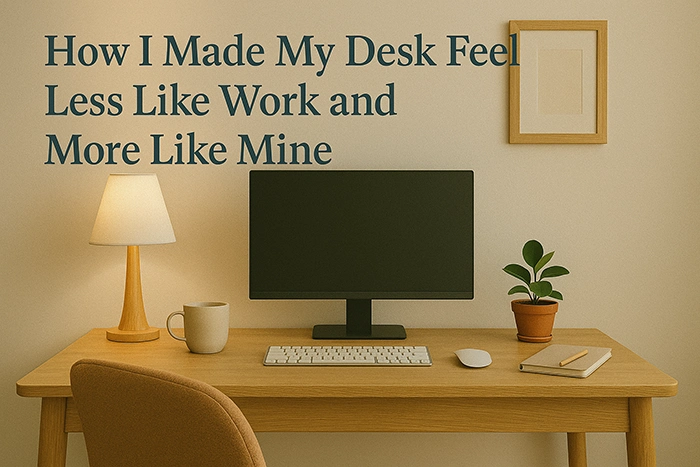
For a long time, my desk felt purely functional. It did its job, but it never felt inviting. I’d sit down to work and immediately feel a subtle tension — not because I didn’t want to be there, but because the space felt borrowed, temporary, like something I was using rather than something that belonged to me. I didn’t hate it, but I never fully settled into it either.

What I eventually realized was that my desk had been set up for efficiency, not comfort. The chair was fine. The screen was at the right height. Everything technically worked. But there was no warmth in it, no signal to my body that this was a place I could stay for a while without bracing myself. So instead of redesigning the whole setup, I started making small, intentional changes — one at a time.

The first thing I adjusted was how my body felt while sitting there. I lowered the chair slightly, brought the keyboard closer, and added support where I didn’t know I needed it until it was there. Almost immediately, the strain I’d been carrying in my shoulders eased. The desk stopped feeling like something I had to endure and started feeling like something that worked with me instead of against me.

Next, I softened the space visually. I replaced harsh overhead light with a warmer lamp and angled it so it didn’t glare off the screen. The difference was subtle but noticeable. The desk felt calmer. Less clinical. I also cleared just enough space so my eyes weren’t constantly jumping from object to object. What stayed on the desk had a reason to be there.

The final shift was personal, not practical. I added one or two things that didn’t serve a productivity purpose at all — something familiar, something grounding. A small object I like seeing. A texture that made the space feel lived in. Those details didn’t distract me; they anchored me. The desk stopped feeling generic and started feeling like mine.

Now, when I sit down, I don’t feel the same resistance I used to. The space welcomes me instead of challenging me. Work still happens there, but it no longer defines the desk entirely. Comfort, ergonomics, and a bit of warmth turned it into a place I can focus and settle — and that’s made all the difference.

🪑 The desk didn’t become more productive — it became more human.


📦 Buy on Amazon USA

🪑 Ergonomic Office Chair Cushion

💡 Warm Desk Lamp with Soft Light

🖱️ Desk Mat for Comfort and Surface Protection


🕯️ Final Thoughts

A desk doesn’t need to look impressive to feel right. It needs to support your body, calm your eyes, and reflect just enough of who you are to make sitting down feel natural instead of forced. When those elements align, work becomes easier to return to.

Comfort isn’t indulgent — it’s functional in a quieter way. When your space stops pulling at you, your attention has room to stay where you put it. Small ergonomic and visual choices can completely change how a desk feels without changing what it’s used for.

If your desk still feels like a place you tolerate rather than enjoy, try adjusting how it treats you first. A few thoughtful changes can turn it from a workstation into a space that actually feels like it belongs to you.


For laptop height at a compact desk, see the laptop stand guide.

📦 Buy on Amazon Canada

🪑 Ergonomic Office Chair Cushion
💡 Warm Desk Lamp with Soft Light

🖱️ Desk Mat for Comfort and Surface Protection

Bedroom & Comfort, Cozy Living

The Morning Routine That Made My Apartment Feel Like Home

Disclosure: As an Amazon Associate, My Indoor Space may earn from qualifying purchases through links in this article, at no extra cost to you.

For a long time, my apartment felt more like a place I passed through than a place I truly lived in. Everything was functional. Nothing was broken. But mornings felt rushed and slightly unsettled, like the space never quite woke up with me. I didn’t notice it at first — I just knew I didn’t feel fully at ease when the day began.

The change didn’t come from buying furniture or reorganizing the entire place. It came from slowing down the first ten minutes of my morning and letting the apartment breathe before I did anything else. No phone. No noise. Just a simple routine that I repeat almost without thinking now.

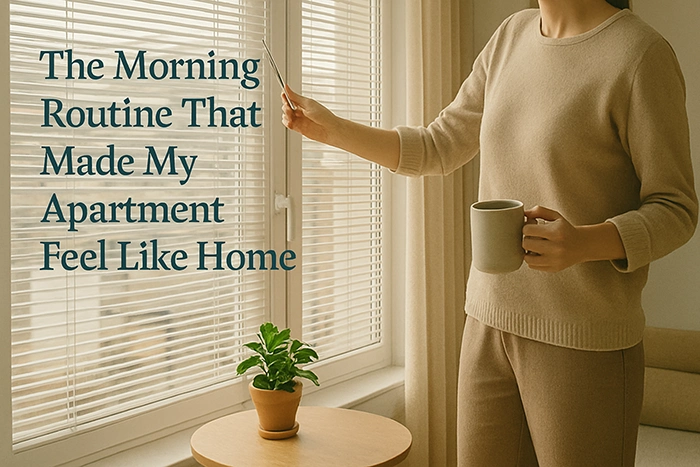
The first thing I do is open the blinds. Not dramatically — just enough to let natural light spill in. The room immediately feels different. Softer. Less closed-in. Even on cloudy days, that shift in light changes how the space feels. It stops being a box and starts feeling like part of the day outside.

Then comes coffee. Not rushed, not carried from room to room while doing five other things. I let it brew while the apartment is still quiet. That sound alone — water, movement, a little time passing — grounds the space. I sit in the same spot every morning with the same mug, and that consistency has become surprisingly comforting.

Before I move on with the day, I do one small reset. I straighten a cushion. Clear the coffee table. Put something back where it belongs. Not cleaning — just restoring order to one small area. It takes less than a minute, but it changes how the room feels. The apartment stops reminding me of what’s unfinished and starts supporting what comes next.

What surprised me most is how these small habits changed my relationship with the space. The apartment didn’t change — I did. By treating the morning as a quiet transition instead of a launchpad, the rooms started feeling familiar instead of temporary. Home wasn’t something I decorated into existence. It was something I practiced.

🛋️ My apartment didn’t start feeling like home when I fixed it — it started feeling like home when I slowed down inside it.


📦 Buy on Amazon USA

☕ Simple Ceramic Coffee Mug (Neutral Tone)

🪟 Light-Filtering Curtain Panels

💡 Warm White LED Light Bulbs


🕯️ Final Thoughts

A home doesn’t announce itself all at once. It shows up in small, repeated moments — especially at the beginning of the day. When mornings feel calmer, the entire space feels more supportive, even if nothing else has changed.

There’s something powerful about greeting your home before the rest of the world gets involved. Light, warmth, and one small act of care can shift the tone of an entire day. Those moments add up, quietly building familiarity and comfort.

If your apartment still feels a little unsettled, try changing how you start your mornings instead of changing the space itself. Sometimes home isn’t about what you add — it’s about how you arrive.


If morning light affects this routine, compare window treatments in the blackout curtain guide.

📦 Buy on Amazon Canada

☕ Simple Ceramic Coffee Mug (Neutral Tone)

🪟 Light-Filtering Curtain Panels

💡 Warm White LED Light Bulbs

Bedroom & Comfort, Cozy Living

The One Small Change That Made My Living Room Feel Calmer

Disclosure: As an Amazon Associate, My Indoor Space may earn from qualifying purchases through links in this article, at no extra cost to you.

I didn’t notice how tense my living room felt until it didn’t anymore. There was no big renovation, no dramatic before-and-after moment. Just one small change that quietly shifted the way the space felt when I walked into it. One evening, after a long day, I sat down and realized my shoulders dropped almost immediately — and that’s when it clicked. Something had changed.

For a long time, the room wasn’t messy, but it was busy. Too many small visual interruptions. Objects competing for attention. Nothing obviously wrong, yet nothing fully at rest either. I’d sit down to relax and still feel slightly unsettled, like my mind couldn’t quite land. So instead of rearranging everything, I focused on one simple thing: reducing what my eyes had to process the moment I sat down.

The change was subtle. I cleared one surface completely — not to make it empty, but to make it intentional. One lamp. One book. Nothing else. That was it. No decorative overload. No stacks waiting to be dealt with later. The space stopped asking questions. It stopped reminding me of things I hadn’t done yet. It just was.

What surprised me was how quickly the effect showed up in my body. I felt calmer without trying to be. The room no longer pulled my attention in five directions at once. Instead, it gave it somewhere to rest. The lighting felt warmer. The room felt quieter, even though nothing about the sound had changed. That’s when I realized how much visual noise contributes to mental noise.

I didn’t declutter the entire living room. I didn’t aim for minimalism or perfection. I just gave one corner a clear role — a place for rest instead of storage. And once that corner felt calm, the rest of the room followed naturally. The space started working with me instead of against me.

Now, that small change has become part of how I maintain the room. When things start to pile up again, I notice it immediately — not because it looks bad, but because it feels different. The calm fades. And that awareness alone has changed how I treat the space. Comfort, I’ve learned, often comes from intention more than design.

🛋️ I didn’t make my living room calmer by adding something — I did it by letting one small area finally rest.


📦 Buy on Amazon USA

🕯️ Warm Ambient Table Lamp

📚 Minimalist Wooden Side Table

🕯️ Soft LED Light Bulbs (Warm White)


🕯️ Final Thoughts

A calm home isn’t built all at once. It emerges from small decisions made consistently — choices that reduce friction instead of adding effort. That single cleared surface changed how the entire room felt, not because it looked better, but because it finally gave my attention somewhere peaceful to land.

There’s a quiet confidence in a space that knows what it’s for. When your living room stops multitasking, your mind doesn’t have to either. Comfort grows in places where nothing is asking to be fixed, moved, or remembered.

If your living room hasn’t felt as relaxing as you’d like, consider starting smaller than you think. One surface. One corner. One intentional pause. Sometimes calm enters the room the moment you make space for it.


For a controllable warm light in the living room, compare smart bulbs and smart switches.

📦 Buy on Amazon Canada

🕯️ Warm Ambient Table Lamp

📚 Minimalist Wooden Side Table

🕯️ Soft LED Light Bulbs (Warm White)

Bedroom & Comfort, Cozy Living

Under-Desk Heated Foot Pad

Disclosure: As an Amazon Associate, My Indoor Space may earn from qualifying purchases through links in this article, at no extra cost to you.

Under-Desk Heated Foot Pad

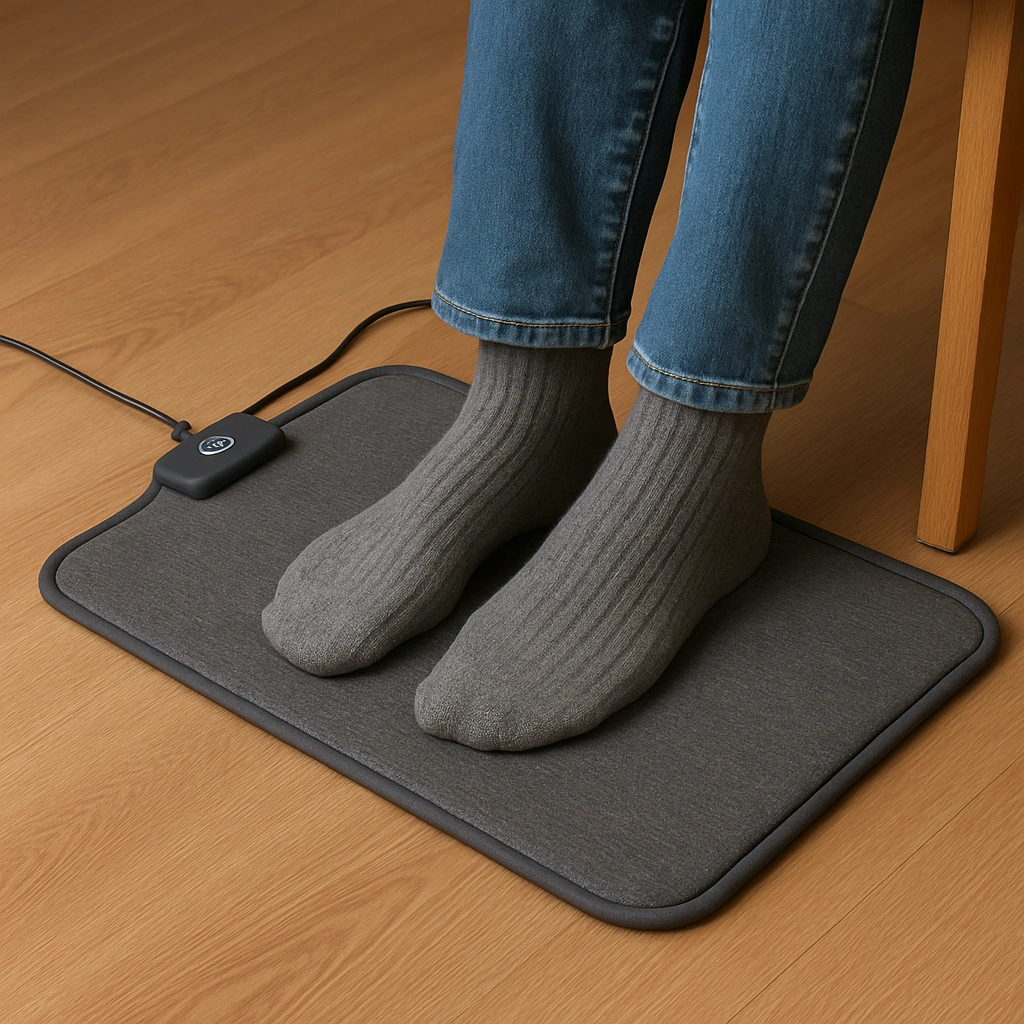
There’s something about cold floors that always pulls me out of whatever I’m trying to focus on — especially when I’m editing, writing, or sitting at my desk for hours. The first time I turned on this Under-Desk Heated Foot Pad, it felt like a quiet wave of comfort rolling up from the floor, warming my toes, easing that tension that builds from sitting too long. It’s slim, simple, and honestly one of those things I didn’t realize I needed until I felt the difference. Suddenly my whole workspace felt softer, calmer, almost like I had added this small layer of luxury beneath the desk without changing anything around me ✨.

I love little upgrades that change the mood of the room without taking over the space, and this foot pad does exactly that. I slide my feet onto it when I’m going through footage, when I’m planning blogs for Gear4Greatness, or even when I’m just enjoying a quiet evening at home. It feels like a small reminder to slow down and breathe instead of rushing through everything. The warmth sinks in gradually — not too hot, just that perfect steady heat — and there’s something surprisingly grounding about it. I’ve caught myself sitting longer, focusing deeper, and feeling less stiff after long stretches at the keyboard.

What I didn’t expect is how much this thing helps on the colder Winnipeg days, when the chill seems to creep into the apartment no matter what. There’s this moment — that first warm touch — that instantly makes my whole body relax. It’s almost like giving your feet a hug while you work. And once you experience that quiet, steady warmth under your desk, it’s hard to imagine not having it there. It becomes part of the routine, part of the atmosphere, part of how I make my workspace feel like my space 💭.


📦 Buy on Amazon USA

🔥 Under-Desk Heated Foot Pad

🧦 Electric Warming Mat for Home & Office

✨ Ultra-Slim Desk Foot Warmer


🌄 Final Thoughts

There’s a quiet comfort to this heated foot pad that feels almost emotional — like it’s doing more than just warming my feet. It changes the way the whole room feels, softening the edges of the day when I’m tired or cold or just trying to settle into work. I didn’t expect such a simple accessory to shift my mood, but it does. Every time that steady heat rises, I can feel myself unclench a little, breathe a bit easier, and focus with a clearer head.

What really stands out is how grounding it becomes. When the warmth gathers around my feet, it anchors me in place — helps me stay present while I write, edit, or think through new ideas. It’s the kind of comfort that blends into the background, but in the best possible way. You just feel better. You feel supported. You feel like your workspace is taking care of you as much as you take care of it.

And on those quiet nights, when everything else fades into the soft hum of the room and the glow of the monitor, that warmth feels like a little reminder that small comforts matter. They shape how we work, how we rest, and how we move through the day. This heated foot pad may be simple, but it’s the kind of simple that makes life noticeably better — one warm moment at a time.


For warmth without an electrical device, compare the support options in the under-desk footrest guide.

📦 Buy on Amazon Canada

🔥 Under-Desk Heated Foot Pad

🧦 Electric Warming Mat for Home & Office

✨ Ultra-Slim Desk Foot Warmer

Bedroom & Comfort, Cozy Living

The Art of Hygge: Bringing Scandinavian Comfort Into Your Home

Disclosure: As an Amazon Associate, My Indoor Space may earn from qualifying purchases through links in this article, at no extra cost to you.

Hygge-inspired comfort starts with a room that is pleasant to use, not a shopping list. You can make a living room or bedroom feel warmer by adjusting the light, clearing a seat, and adding one soft texture. Begin with what you own and buy only where a product solves a real gap.

Quick verdict: start with the light

Best first move: switch a harsh overhead evening light for a warm, well-placed lamp or safe flameless candles. Best value: use a washable throw you already own before buying more décor. Upgrade worth considering: a dimmable reading lamp if you need both a bright task light and a softer evening setting.

Who this setup suits—and who can skip the extras

This approach suits a small apartment, a shared living room, or a corner where you read after dark. If the room already has comfortable lighting and a good seat, skip decorative kits and focus on a clear surface for a book or drink. If you have pets or children, choose materials and lighting that fit your household rather than copying a styled photo.

Layer light without losing function

A lamp beside the seat gives you enough light for reading without flooding the whole room. Look for a shade that controls glare and a bulb with a comfortable warm tone; check that the fixture and bulb are compatible. Flameless candles add a gentle background glow without an open flame. If you use real candles, keep them away from fabrics and never leave them unattended.

Choose texture you can live with

A throw and one cushion can soften a hard-looking room. A rug can also warm the floor visually, but measure the space before buying. In a busy home, washable covers and easy-care materials earn their place faster than delicate decorative pieces. A faux sheepskin look may suit a reading chair; it is less useful if it slides around or is difficult to clean.

Make the corner easy to use

Leave space to reach the seat and set a mug down safely. Place a small basket or shelf nearby for the current book and blanket. A plant can add colour if the spot gets suitable light, but a thriving plant is more comforting than one that becomes another chore. Check care requirements and keep plants away from pets unless you know they are safe for them.

What to buy first

  • Spend nothing first: move a lamp beside the seat, clear one surface, and bring a throw from another room.
  • Small purchase: choose a compatible warm LED bulb or a safe flameless candle set if the current light is the problem.
  • Higher-cost upgrade: buy a rug or dedicated chair only after measuring the room and checking cleaning needs.

For a compact reading setup, see the fall reading nook guide. If you are choosing a rug, compare fibres and care in the washable area rug guide.

Final choice

Choose a warm task light and a comfortable seat before adding more objects. That gives the room an everyday purpose, and the soft details can follow. Compare U.S. or Canadian listings below for current sizes, materials, delivery options, and prices.

Compare on Amazon USA

Compare on Amazon Canada

Bedroom & Comfort, Cozy Living

How to Create the Ultimate Fall Reading Nook

Disclosure: As an Amazon Associate, My Indoor Space may earn from qualifying purchases through links in this article, at no extra cost to you.

A good reading nook needs a seat you can stay in, light that reaches the page, and a place to put a book or drink. Start with those three pieces. A large chair, decorative plant, and heavy blanket are optional if the corner is small or the room already has suitable furniture.

Quick verdict

For most rooms, use a chair you already own, add an adjustable reading light, and place a small side table or wall shelf within reach. If you read beside someone who is sleeping or watching TV, a focused clip-on or neck light may be more useful than a bright floor lamp. See our clip-on versus neck reading light comparison for that decision.

Who this setup fits—and who can skip the extras

A dedicated nook makes sense if you read often and can leave the chair in place without blocking a door or walkway. Skip the extra armchair if a sofa seat already gives you good back support. Skip a footstool if it crowds the path. An autumn look can come from a washable throw and warm light without buying a whole new furniture set.

Choose the seat before the accessories

Measure the floor area and the route into the corner before shopping. Allow room to sit down, stand up, and reach the lamp switch. Try a chair with enough seat depth for your posture and a back that supports the way you actually read; an oversized chair is a poor value if it blocks a closet or window. If you already like your seat, put the budget into better light first.

Put light on the page

Place an adjustable lamp so it lights the book without shining straight into your eyes or onto a screen across the room. A shade or movable arm gives more control than a decorative bulb alone. A nearby outlet avoids a cord stretched across the walking path. If daylight and privacy are both concerns, compare the fabric and mounting options in our blackout curtain guide.

Add comfort without clutter

Keep one throw within reach and choose a surface stable enough for a mug. A narrow shelf can take the place of a side table where floor space is limited. Plants can soften the corner, but choose one suitable for the light and for pets in the home. If a rug helps define the area, check cleaning needs and size first; our washable rug guide covers those tradeoffs.

Best value and upgrade

The best value is to reuse a comfortable chair and buy only the missing light or small surface. Paying more for a new chair earns its place when the existing seat is uncomfortable for a full reading session and the new one fits the measured space. An expensive decorative blanket or oversized plant does less for reading comfort than a well-positioned lamp.

Compare reading nook basics in the USA

Compare reading nook basics in Canada

Final choice

Keep the nook simple: a seat that fits, a light aimed at the page, and one spot for your book. Add a throw or plant only when it makes the space more inviting without getting in the way. That combination works in a small apartment as well as a larger room.

Scroll to Top