
Kitchen & Dining

Practical ideas and products for cooking, dining and everyday kitchen life.

Mashed potatoes served in a white bowl
Kitchen & Dining

Potato Ricer vs Food Mill: Which Is Worth Buying for Home Cooking?

Disclosure: As an Amazon Associate, My Indoor Space earns from qualifying purchases through links in this article, at no extra cost to you.

Quick verdict

Choose a ricer for repeated small batches where a squeeze-through tool suits your routine. Buy a food mill when its cranking workflow and interchangeable discs cover several foods you regularly prepare. For occasional mash and a texture you already like, a simple masher may be enough.

Research-based buying guide. Information checked October 16, 2026. We have not tested these products hands-on; published specifications and our buying judgments are identified separately.

OXO standard potato ricer

OXO 2.3-quart food mill
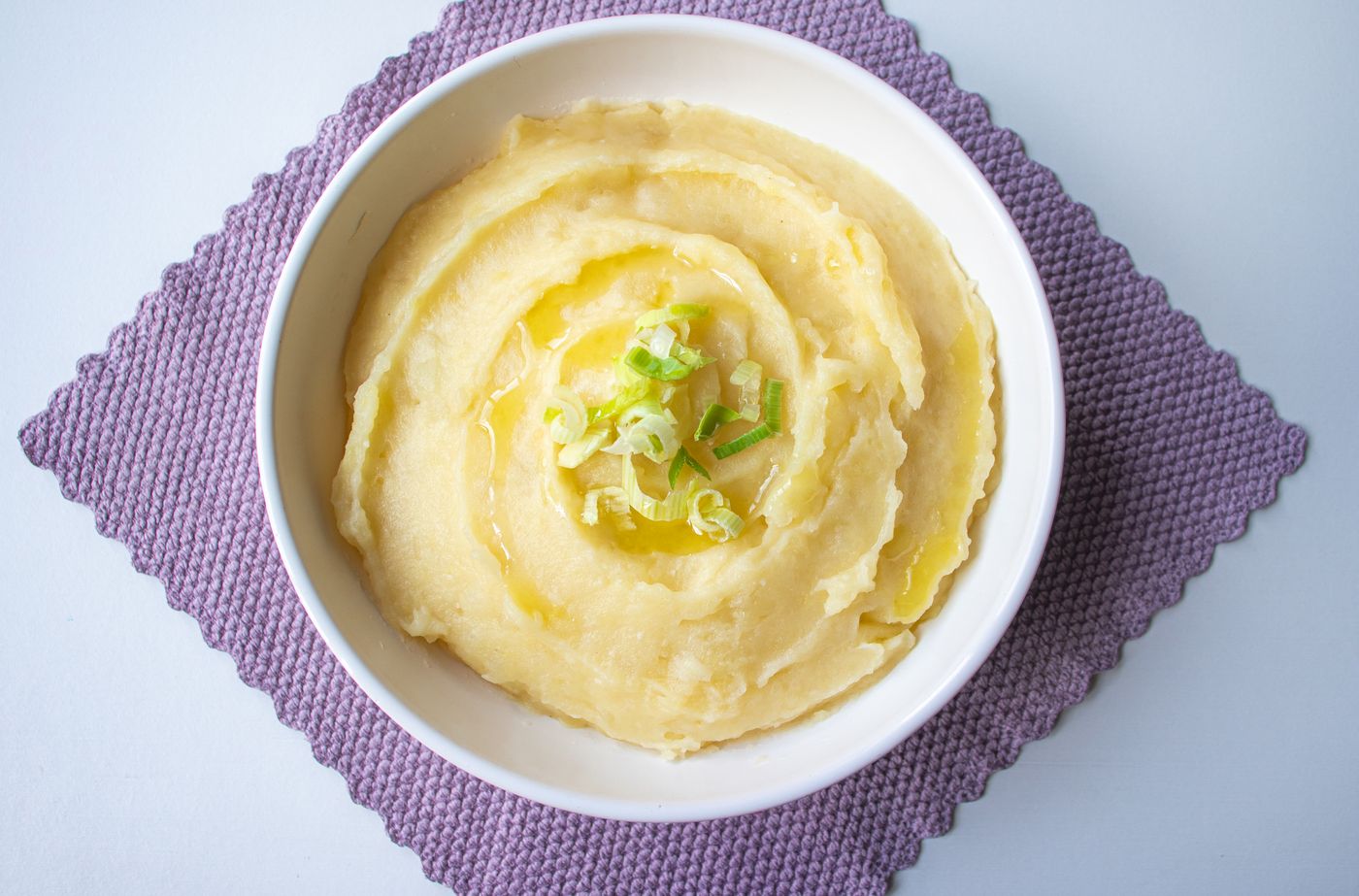
Mashed potatoes served in a white bowl
Illustrative food photo; the preparation method and tool are not established. Photo: Pexels.

These tools both push food through openings, but the handling is different. A ricer uses a pressing action with repeated fills. A food mill uses a crank and a larger bowl. The useful upgrade depends on your batch size and the foods you prepare, not which tool looks more professional.

The practical differences

Question Standard OXO ricer OXO food mill
Main action Squeeze handles Turn crank over a receiving vessel
Texture arrangement Standard pressing basket Fine, medium and coarse discs
Published overall dimensions 11.5 × 5 × 4 inches 14.75 × 10.25 × 7.25 inches

When a ricer is enough

OXO’s standard ricer is a stainless steel tool with soft handles and a support knob for resting against a bowl or pot. It can suit a cook who wants this particular pressing method without a larger mill to assemble and store.

Consider the action as well as the result you want. Repeated squeezing and reloading may be acceptable for a small meal and less appealing for a larger batch. We have not measured required hand force, so a soft grip should not be treated as proof that it suits every user’s strength or mobility.

When a food mill earns the extra space

The cited OXO mill has a 2.3-quart capacity, three discs and folding legs. The disc options are useful when you genuinely need different textures and will follow the use guide for the selected food. The removable discs also mean more pieces to clean and keep together.

Check the receiving pot or bowl, working height and clearance for the crank. A tool can fit a cupboard yet be awkward over the vessel you actually own. Measure the full setup before buying primarily on bowl capacity.

Do not mix up the ricer versions

OXO also sells a 3-in-1 adjustable ricer with built-in disc adjustment. That is a separate product from the standard model here. Compare its own dimensions and cleaning instructions if multiple textures are your reason for shopping; do not assign its features to the cheaper standard ricer.

Is the price difference justified?

The manufacturer’s US pages checked October 16, 2026 showed US$34.99 for the standard ricer and US$64.99 for the mill. Those reference prices make the mill a meaningful extra purchase, before considering storage. Check current delivered prices in your country.

Buy the mill when several recurring recipes justify the larger tool. Choose the ricer for a narrower pressing task. Skip both if an existing masher produces the texture you enjoy and you have no repeated reason to change methods.

Compare listings in your country

These buttons open matching Amazon search results, rather than a guaranteed in-stock offer. Confirm the exact model, seller, included parts, delivered price and return terms. Prices and availability can differ between the United States and Canada.

OXO standard potato ricer

OXO 2.3-quart food mill

Related guides on My Indoor Space

Sources and research

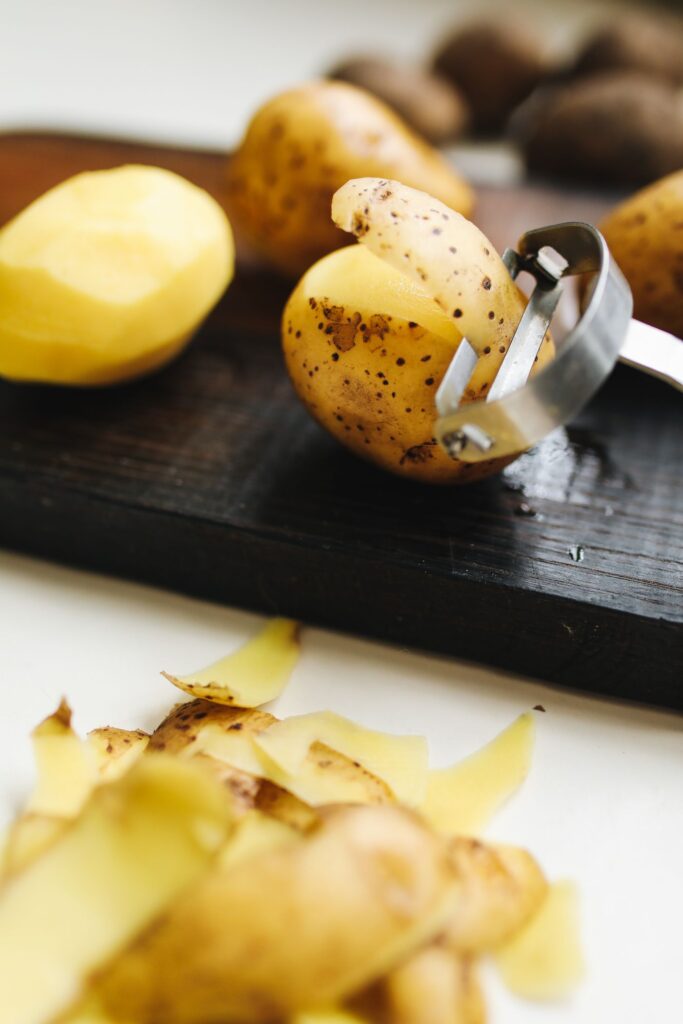
Potatoes and a peeler on a wooden board
Kitchen & Dining

OXO Swivel vs Y-Peeler: Which Shape Fits Your Prep Style?

Disclosure: As an Amazon Associate, My Indoor Space earns from qualifying purchases through links in this article, at no extra cost to you.

Quick verdict

Choose the shape that gives you a comfortable, controlled peeling motion. The standard OXO swivel and Y models share several features, so the Y shape is not an automatic premium upgrade. If your current sharp peeler works comfortably, there is little reason to replace it just to change orientation.

Research-based buying guide. Information checked October 16, 2026. We have not tested these products hands-on; published specifications and our buying judgments are identified separately.

OXO Good Grips swivel peeler

OXO Good Grips Y-peeler

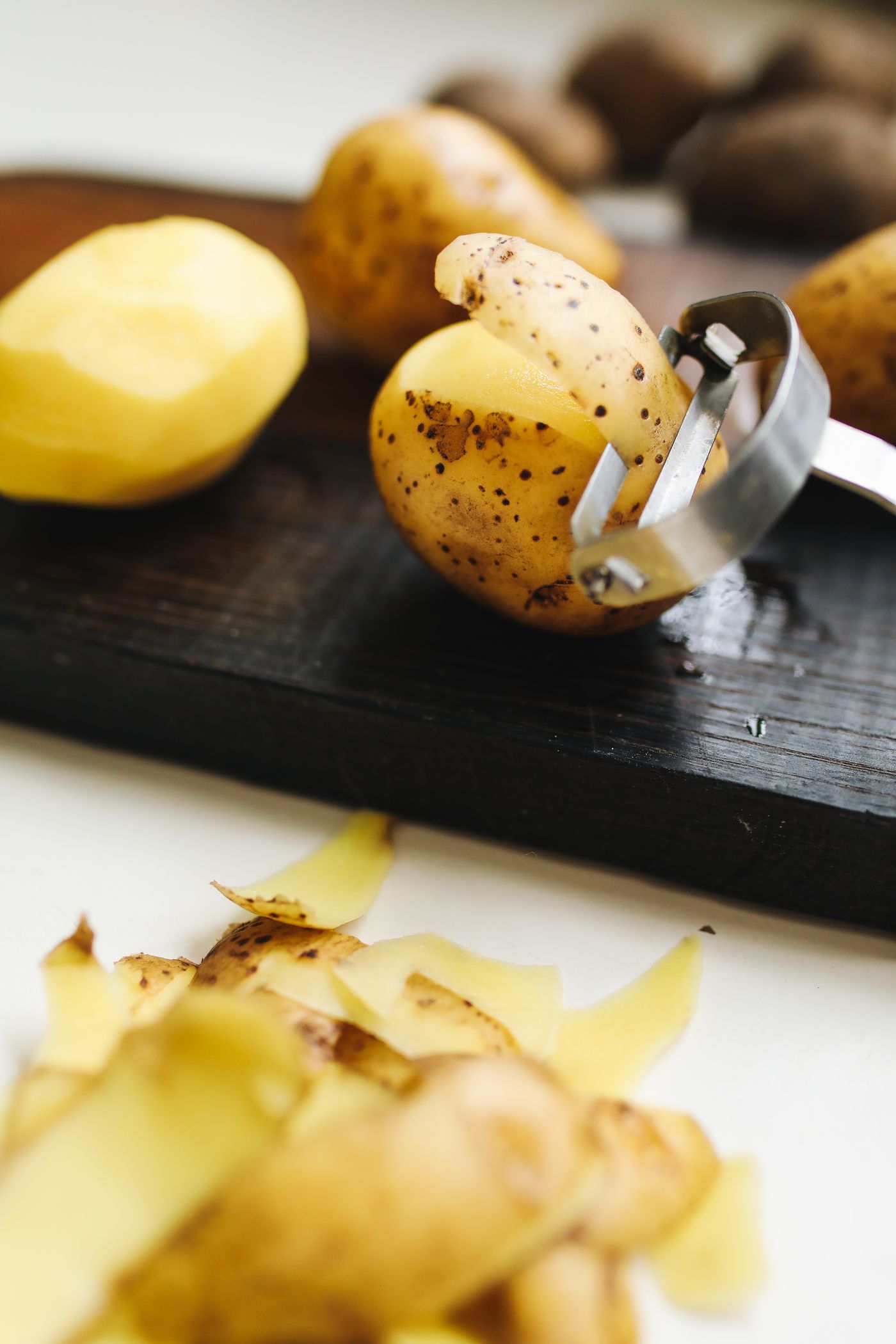
Potatoes and a peeler on a wooden board
Illustrative preparation photo; no OXO model or peeling comparison is established. Photo: Pexels.

The main difference is where the blade sits relative to the handle. A straight swivel peeler places it along the tool’s length; a Y-peeler holds it across a forked head. That changes your hand position and working motion more than it changes the category of food you can prepare.

Compare the standard models

Feature Swivel 20081 Y-peeler 21081
Blade orientation In line with handle Across the handle
Published grip design Soft, non-slip; either hand Soft, non-slip; either hand
Other listed features Potato eyer, dishwasher safe Potato eyer, dishwasher safe

Choose by the motion you control

Think about the last vegetable you peeled awkwardly. Was the difficulty gripping the produce, positioning the blade or maintaining a comfortable stroke? A different orientation might address the second or third issue, but buying a new handle shape will not make every unstable piece of produce easy to manage.

Both cited OXO models are described as suitable for right- and left-handed use. Neither should be chosen solely because of an assumption that one shape belongs to one hand. If possible, compare the handles in person and follow the tool’s directions when using it.

When a second shape adds value

A second peeler can make sense when two people prepare food together or when you have a clear preference for different tasks. It is less compelling as a speculative upgrade for a drawer that already contains a suitable working tool.

Do not confuse the ordinary Y-peeler with a julienne or serrated model. Those blade types serve different purposes. A listing full of colorful tools may contain a mix of functions rather than several interchangeable vegetable peelers.

Price, storage and replacement

OXO’s US pages checked October 16, 2026 listed both standard shapes at US$13.99. That makes this primarily a fit decision at the source price, not a reason to assume the broader Y head is a higher tier. Local prices, bundles and Canadian offers can differ.

Check the space occupied by the head when it is stored. A wider tool may fit a shallow organizer differently from a straight one. Keep sharp edges positioned appropriately and follow the care instructions rather than leaving the peeler loose among items you reach for blindly.

Our buying judgment

Buy the swivel if you prefer an in-line tool; buy the Y when its transverse grip suits your controlled motion. Skip an expensive set until you know why you need multiple blade types. We have not measured peel thickness, speed or fatigue, so no shape receives a performance win based on specifications alone.

Compare listings in your country

These buttons open matching Amazon search results, rather than a guaranteed in-stock offer. Confirm the exact model, seller, included parts, delivered price and return terms. Prices and availability can differ between the United States and Canada.

OXO Good Grips swivel peeler

OXO Good Grips Y-peeler

Related guides on My Indoor Space

Sources and research

Liquid being poured into a measuring cup
Kitchen & Dining

OXO Angled vs Pyrex Glass Measuring Cup: Which Should You Buy?

Disclosure: As an Amazon Associate, My Indoor Space earns from qualifying purchases through links in this article, at no extra cost to you.

Quick verdict

Choose OXO’s angled cup when reading liquid levels from above is the main benefit. Choose the appropriate Pyrex glass model when you want a cup with documented heating uses. Keep your existing readable cup if it already handles your measuring routine.

Research-based buying guide. Information checked October 16, 2026. We have not tested these products hands-on; published specifications and our buying judgments are identified separately.

OXO 2-cup angled measure

Pyrex 2-cup glass measure

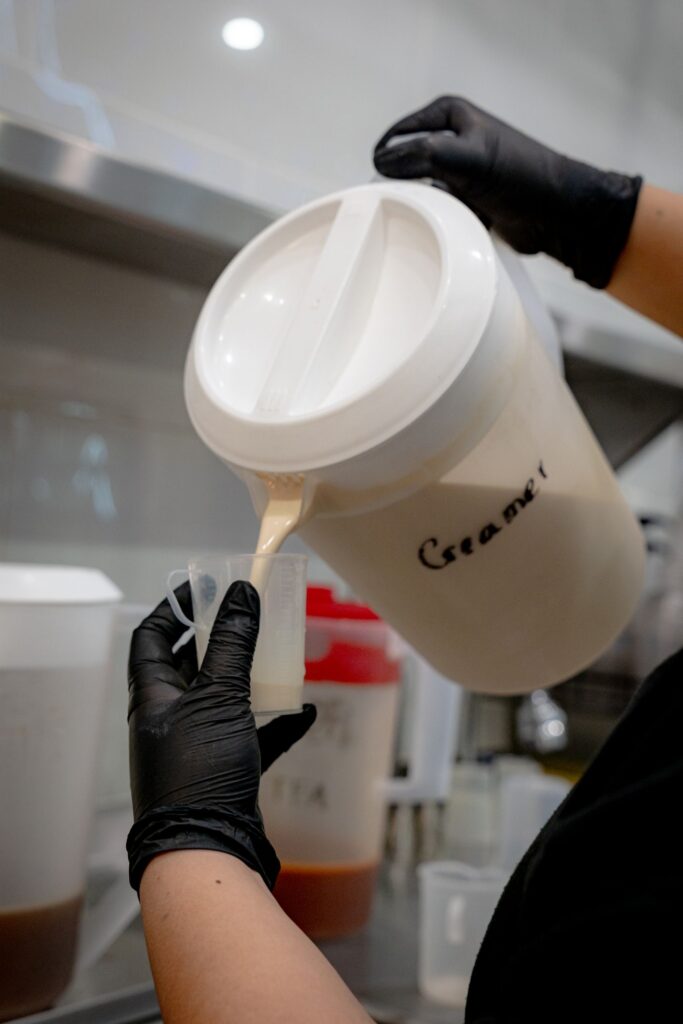
Liquid being poured into a measuring cup
Illustrative measuring photo; no accuracy test or compared model is shown. Photo: Pexels.

A liquid measure is useful when its markings are readable in the position you use it. OXO changes that reading angle; Pyrex offers a glass vessel with specified heating uses. They solve different inconveniences, so choose by the task rather than declaring plastic or glass universally better.

What the designs change

Priority OXO angled 2-cup Pyrex glass 2-cup
Reading position Angled internal scale read from above External side markings
Current referenced material Tritan Renew plastic Tempered glass
Care distinction Top-rack dishwasher guidance Follow glass-use and heating precautions

When OXO earns its place

OXO’s current 70981 cup has cup, ounce and milliliter markings, a non-slip handle and an internal angled scale. Its main attraction is checking the quantity without repeatedly changing your viewing position. That is a meaningful feature if you prepare dressings, sauces or several measured liquids.

Check the exact version before transferring care advice from an old cup. OXO’s current page identifies Tritan Renew and top-rack dishwasher care. It does not provide a reason to assume that every older angled cup’s heating guidance applies to this one. Use the instructions supplied with the actual item.

When Pyrex is the better fit

The cited Pyrex 6001075 glass cup is listed for dishwasher, microwave and preheated-oven use, subject to the manufacturer’s precautions. That can reduce transfers when a recipe needs a measured ingredient heated in a suitable vessel. Check the complete use-and-care guidance rather than treating any glass cup as unrestricted cookware.

The side scale needs a suitable viewing position. Look at the visibility of the marks in your lighting and with the ingredients you measure most often. We have not tested either cup’s calibration, pouring control or long-term marking durability.

Choose a useful capacity

A two-cup measure is a practical middle size, but check the recipe quantities before buying a nested set. A larger jug can be awkward for small amounts; a smaller one can force repeated filling. Cup markings also do not replace a scale when your recipe specifies ingredient weight.

Consider cupboard clearance around the handle and spout. Compare the whole footprint, not just the stated capacity. Two cups that hold the same volume may nest differently and may require different space for safe retrieval.

Best value and who should skip

Buy OXO for its reading angle, or Pyrex for the documented glass workflow you need. A lower-priced readable measure can be enough for occasional cold-liquid measuring. Keep an undamaged existing cup if the markings remain clear and it suits the job; buying both is worthwhile only when both workflows occur regularly.

Compare listings in your country

These buttons open matching Amazon search results, rather than a guaranteed in-stock offer. Confirm the exact model, seller, included parts, delivered price and return terms. Prices and availability can differ between the United States and Canada.

OXO 2-cup angled measure

Pyrex 2-cup glass measure

Related guides on My Indoor Space

Sources and research

Soap dispenser beside a kitchen sink
Kitchen & Dining

Manual vs Sensor Soap Dispenser: Is Touch-Free Worth the Upgrade?

Disclosure: As an Amazon Associate, My Indoor Space earns from qualifying purchases through links in this article, at no extra cost to you.

Quick verdict

Choose a manual pump when one-handed pressing already works well. Pay for a sensor pump when avoiding the press solves a daily inconvenience and you accept charging and soap-compatibility checks. Touch-free operation alone does not establish better health or cleaning results.

Research-based buying guide. Information checked October 16, 2026. We have not tested these products hands-on; published specifications and our buying judgments are identified separately.

OXO 12 oz manual dispenser

simplehuman 9 oz liquid sensor pump

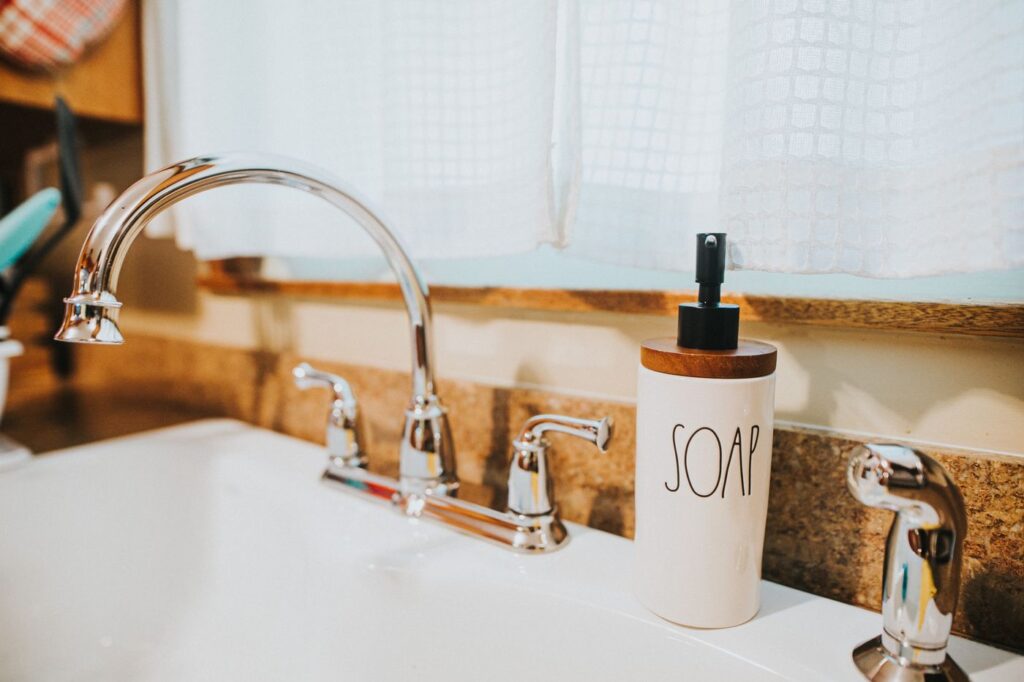
Soap dispenser beside a kitchen sink
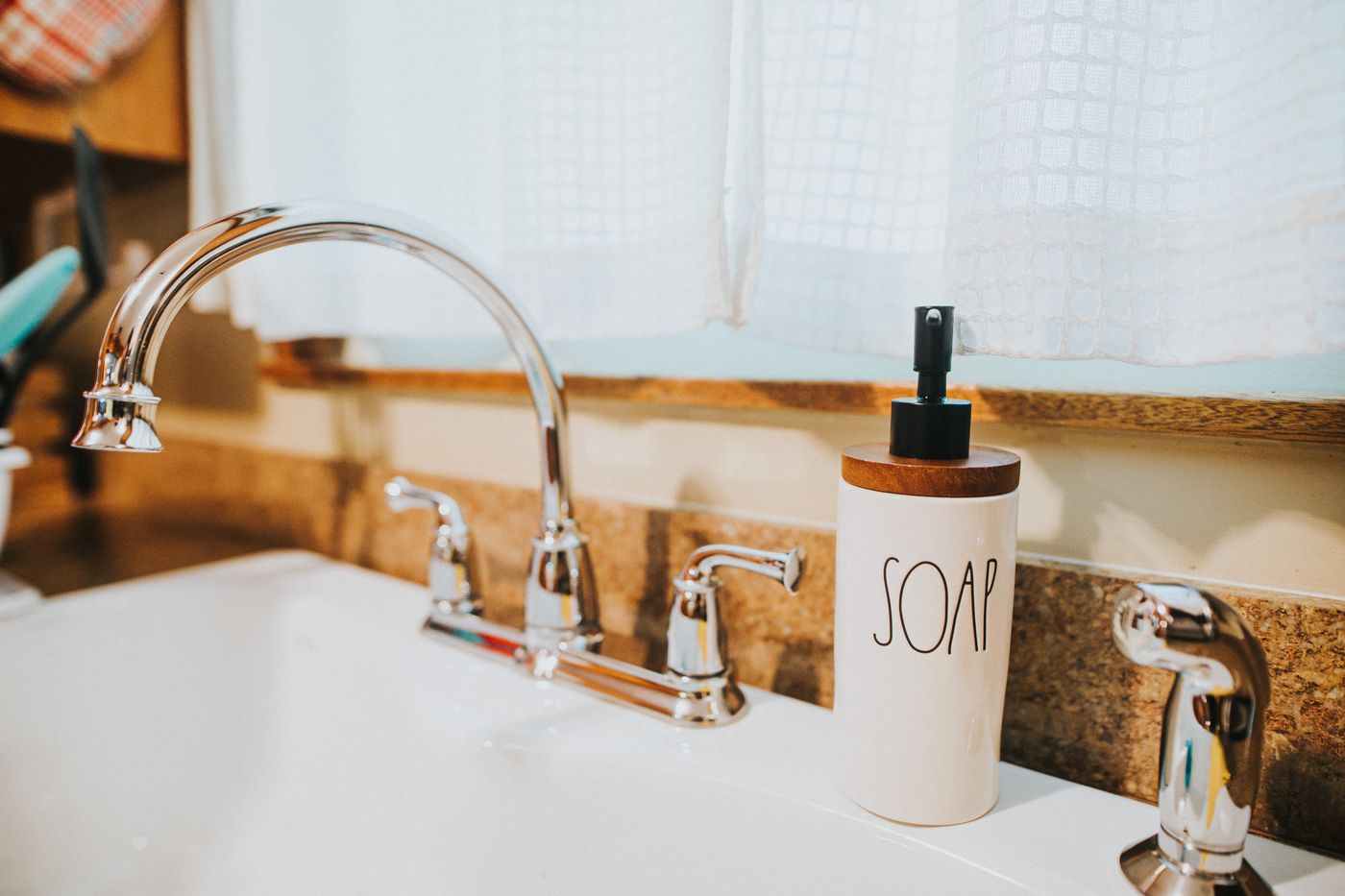
Illustrative sink setup; neither compared dispenser is identified. Photo: Pexels.

The sensible upgrade is the one that improves the dispensing step you actually dislike. A manual pump can already operate with one hand; a sensor model removes the press but adds a powered mechanism. Neither eliminates refilling or cleaning the sink area.

Compare the correct versions

Question OXO manual pump simplehuman sensor pump
Referenced version 12 oz, SKU 13273700 9 oz liquid model
Operation Press the top Move hand into sensor area
Power No charging Built-in rechargeable battery

When the manual dispenser is enough

OXO describes a wide filling opening, clear level window and non-slip base on its current 12-ounce version. These features address ordinary ownership tasks: knowing when to refill, pouring without crowding a small neck and keeping the base steady while pressing.

There is also a separate 15-ounce Easy Press model. Match the listing to the capacity, photographs and SKU rather than assuming every stainless OXO pump is identical. A larger reservoir may reduce refill frequency, but measure the space beside the tap before treating that as an automatic improvement.

When touch-free is worth paying for

The 9-ounce simplehuman is a rechargeable liquid-soap pump. Its hands-free action can be useful when reaching for soap with messy fingers. Buy it for that practical convenience rather than a claim that a sensor makes ordinary handwashing more effective.

Check the exact soap requirements. Liquid and foam pumps are separate products, and a refill bottle that fits your manual dispenser is not automatically suitable for a sensor mechanism. If you regularly switch soaps, compatibility may be more important than the finish.

Understand the price premium

On the manufacturers’ US pages checked October 16, 2026, the current OXO was listed at US$25.99 and simplehuman’s brushed 9-ounce pump at US$70, with some finishes higher. These are reference prices, not live Amazon offers or Canadian prices. A substantial premium makes sense only when the different dispensing action earns its place.

Include charging access in the decision. Decide where the cable will live and how you will manage a depleted battery. A manual pump needs no spare cable or powered backup, which can be its strongest advantage in a rarely used bathroom.

Who should buy or skip?

Buy OXO for straightforward, visible-level dispensing. Consider simplehuman when touch-free use is the specific feature you want. Keep a working pump if it already dispenses comfortably and cleans easily. Skip either upgrade if the real problem is a crowded counter or an unsuitable soap rather than the dispenser.

Compare listings in your country

These buttons open matching Amazon search results, rather than a guaranteed in-stock offer. Confirm the exact model, seller, included parts, delivered price and return terms. Prices and availability can differ between the United States and Canada.

OXO 12 oz manual dispenser

simplehuman 9 oz liquid sensor pump

Related guides on My Indoor Space

Sources and research

Person using an opener on a food can
Kitchen & Dining

OXO Smooth Edge vs Zyliss Lock & Lift: Which Can Opener Fits?

Disclosure: As an Amazon Associate, My Indoor Space earns from qualifying purchases through links in this article, at no extra cost to you.

Quick verdict

Choose OXO Smooth Edge if its side-cutting method and lid-pliers workflow are the features you want. Choose Zyliss Lock & Lift if a locking grip and magnetic lid handling suit your preference. Both are manual tools; if turning is the problem, compare an appropriate powered alternative.

Research-based buying guide. Information checked October 16, 2026. We have not tested these products hands-on; published specifications and our buying judgments are identified separately.

OXO Smooth Edge openers

Zyliss Lock & Lift openers

Person using an opener on a food can
Illustrative can opening; neither compared opener is identified. Photo: Pexels.

These openers offer two different ways to manage the lid after cutting. That difference is more useful than simply comparing soft handles. Start with the cans you open regularly and whether the difficult step is gripping, turning, locating the cutter or removing the lid.

Compare the mechanisms

Feature OXO Smooth Edge Zyliss Lock & Lift
Main distinction Cuts at the side below the can edge Locking grip for the opening pass
Lid handling Built-in lid pliers Magnet and release lever
Power source Manual turning Manual turning

When OXO earns its place

OXO describes a side-cutting wheel intended to leave a smooth edge, with lid pliers for removal without handling the lid directly. That method is different from a conventional top-cutting opener. Follow its instructions for positioning rather than assuming the tool attaches in exactly the same way as your previous one.

Check that the cans you use are appropriate for the design. A smooth-edge claim is not permission to handle every cut surface carelessly or to assume an unusual rim will work. We have not tested the opener across different can shapes or compared turning effort.

When Zyliss is the simpler fit

Zyliss describes a locking grip that keeps the opener engaged, followed by magnetic lid lifting and a release lever. That can appeal if keeping a manual opener clamped during the turn is the frustrating part of the job.

The magnet handles a different step from cutting. Zyliss still describes avoiding contact with the sharp edge. Do not confuse this product with the brand’s EasiCan electronic opener or assume the same cutting method applies to both. Match the exact Lock & Lift model in the listing.

Grip and cleaning matter after the first use

Look at the turning knob and where your fingers sit on the handles. A comfortable handle shape is individual; “ergonomic” marketing cannot establish that one will suit everyone. If possible, assess the tool with an appropriate return option before replacing an opener that already works.

Read the care method for the exact product, particularly the cutter, magnet and moving joints. Do not assume that every stainless component makes the complete opener dishwasher-safe. Choose a design you can maintain according to its instructions, and inspect a tool that becomes unreliable rather than forcing it around a can.

When to consider another category

If the main problem is sustained turning or operating the handles, neither manual mechanism necessarily solves it. A suitable powered opener may be worth comparing. That purchase still needs checks for supported can types, power and lid removal; automatic does not mean every task disappears.

The value decision

Choose OXO for a deliberate side-cutting preference. Choose Zyliss for its locking and magnetic-lid workflow when that addresses the difficulty. Keep an existing opener that cuts reliably and is easy to clean. A premium handle alone is not a strong reason to replace a tool that already does the job well.

Compare listings in your country

These buttons open matching Amazon search results, rather than a guaranteed in-stock offer. Confirm the exact model, seller, included parts, delivered price and return terms. Prices and availability can differ between the United States and Canada.

OXO Smooth Edge openers

Zyliss Lock & Lift openers

Related guides on My Indoor Space

Sources and research

Food scraps being placed in a kitchen collection bucket
Kitchen & Dining

OXO Easy-Clean vs Full Circle Fresh Air: Which Compost Bin Fits?

Disclosure: As an Amazon Associate, My Indoor Space earns from qualifying purchases through links in this article, at no extra cost to you.

Quick verdict

Choose OXO’s 1.75-gallon Easy-Clean when its smooth interior and removable-lid cleaning routine suit you. Choose Fresh Air when you want its ventilated collection design and will maintain the intended liner setup. Both collect scraps; neither is a countertop machine that turns them into finished compost.

Research-based buying guide. Information checked October 16, 2026. We have not tested these products hands-on; published specifications and our buying judgments are identified separately.

OXO Easy-Clean compost bins

Full Circle Fresh Air bins

Food scraps being placed in a kitchen collection bucket
Illustrative food-scrap collection; neither compared bin is identified. Photo: Pexels.

A food-scrap bin succeeds when it is easy to fill, carry and clean often enough for your kitchen. The most useful comparison is the complete routine, not a promise that one lid permanently eliminates odors. Choose the bin around where the scraps go next.

Compare the collection designs

Question OXO Easy-Clean 1.75 gal Full Circle Fresh Air
Published capacity 1.75 US gallons / 6.62 L 1.5 US gallons / 5.7 L
Main design emphasis Lid and smooth interior Ventilated collection system
Liner routine Maker describes use with or without bags Check intended liner arrangement and replacements

When OXO makes sense

OXO describes a stay-open lid, carrying handle and a smooth interior that can be cleaned even without a bag. That can suit someone who wants to avoid buying liners for the kitchen collector. Confirm that emptying without a bag is also practical for your building’s or collection program’s routine.

The body is listed as dishwasher-safe, while OXO specifies hand washing the other parts. That distinction is useful if cleaning is the main reason for replacing your current container. Do not put every component in the dishwasher simply because the bin’s body can go there.

When Fresh Air earns its place

Full Circle describes airflow through its Fresh Air design and markets it as a way to reduce odor and flies. Those are manufacturer claims, not results from a test on this site. Decide whether you are willing to use and replace the intended bags as part of the system.

Check liner size and local availability before buying the bin. A certified-compostable label on a bag does not establish acceptance by every collection or composting program. Follow the destination program’s current rules rather than assuming the bin brand determines what can be placed in it.

Measure the counter and carrying route

Capacity alone does not tell you how a bin will fit beside the sink or under a cupboard. Compare height with the lid open, the footprint and space for the handle. A larger collector is less useful if it encourages scraps to sit longer than your preferred emptying schedule.

Think through the trip to the larger building bin, outdoor collection point or drop-off container. A handle, lid and liner should work together without an awkward transfer. If you already have a suitable small container that you empty frequently, a branded collector may add little benefit.

What is worth paying for?

Pay for the cleaning access and collection method you will maintain. Compare the purchase price with a realistic supply of liners where needed. Choose OXO for its straightforward interior-cleaning approach; choose Fresh Air for a deliberate ventilated, liner-based routine. Keep expectations tied to regular care rather than an “odor-free” product name.

Compare listings in your country

These buttons open matching Amazon search results, rather than a guaranteed in-stock offer. Confirm the exact model, seller, included parts, delivered price and return terms. Prices and availability can differ between the United States and Canada.

OXO Easy-Clean compost bins

Full Circle Fresh Air bins

Related guides on My Indoor Space

Sources and research

French press beside a glass cup
Kitchen & Dining

Glass vs Stainless Steel French Press: Is the Insulated Upgrade Worth It?

Disclosure: As an Amazon Associate, My Indoor Space earns from qualifying purchases through links in this article, at no extra cost to you.

Quick verdict

Choose glass when visibility and replaceable parts matter and you normally serve promptly. Choose a double-wall stainless press when its handling and insulation suit your routine. Check the actual construction: stainless steel alone does not establish insulation or a sediment-free cup.

Research-based buying guide. Information checked October 16, 2026. We have not tested these products hands-on; published specifications and our buying judgments are identified separately.

glass French presses

stainless steel French presses

French press beside a glass cup
Illustrative French press; not a verified Bodum or Frieling model. Photo: Pexels.

A French press does not need a power socket, but it still needs to fit your serving and cleaning routine. The vessel material mainly changes visibility, handling and heat retention. The filter assembly, usable batch size and ease of taking it apart deserve equal attention.

Compare the useful differences

Question Glass press Stainless steel press
Seeing the contents Transparent beaker Usually opaque
Insulation Check the particular construction Look specifically for double-wall design
Replacement parts Check exact beaker and filter availability Check lid, filter and seal availability

When a glass press is enough

Bodum’s cited CHAMBORD combines a borosilicate glass beaker with other materials in its frame and lid. The clear vessel can make the liquid level and cleaning easier to inspect. Compare actual milliliters or fluid ounces rather than a “cup” count that may not match your mug.

If you brew a small batch and pour it promptly, extra insulation may not solve a meaningful problem. Check the availability of the correct replacement beaker. Diameter and capacity both matter; a generic-looking spare is not automatically the right fit for the frame and plunger.

When double-wall stainless is worth considering

Frieling describes a double-wall stainless construction for its French presses and advertises improved heat retention. Treat that as published design information rather than our own measured holding-time result. A single-wall metal press should not be assumed equivalent merely because the outside looks similar.

Compare empty weight, full weight and the handle position. A press that is comfortable while empty may feel less convenient when filled. Check how easily you can pour the last serving without an awkward grip. A sturdy-looking metal body does not make the complete product immune to damage or careless use.

The filter and cleaning can matter more than the shell

Examine how the screen separates for cleaning and whether replacement parts are available locally. Additional filter layers can change maintenance as well as the cup. Do not assume a claim about eliminating sediment means every grind and brewing method produces a completely clear drink.

Follow the exact assembly and care instructions. Ground coffee can collect around screens and threads, so access matters. Dishwasher permission can differ for the beaker, lid and plunger parts, and finishes may have their own limits. Compare the everyday cleaning steps before choosing a decorative coating.

Who should upgrade or skip?

Buy the insulated model when temperature retention or a specific handling preference justifies the higher cost. Buy glass when its visibility and available spares fit you better. Keep your current press if it makes the quantity you need and is easy to maintain. A new vessel material will not correct an unsuitable grind or a recipe you dislike.

Compare listings in your country

These buttons open matching Amazon search results, rather than a guaranteed in-stock offer. Confirm the exact model, seller, included parts, delivered price and return terms. Prices and availability can differ between the United States and Canada.

glass French presses

stainless steel French presses

Related guides on My Indoor Space

Sources and research

Coffee brewer with a glass carafe on a table
Kitchen & Dining

Thermal vs Glass Carafe Coffee Maker: Which Fits Your Morning?

Disclosure: As an Amazon Associate, My Indoor Space earns from qualifying purchases through links in this article, at no extra cost to you.

Quick verdict

Choose thermal when you want to serve gradually or carry coffee away from the brewer without relying on a warming plate. Choose glass when you serve soon and value seeing the remaining coffee. Compare the complete brewer, because the carafes are not necessarily interchangeable.

Research-based buying guide. Information checked October 16, 2026. We have not tested these products hands-on; published specifications and our buying judgments are identified separately.

thermal-carafe coffee makers

glass-carafe coffee makers

Coffee brewer with a glass carafe on a table
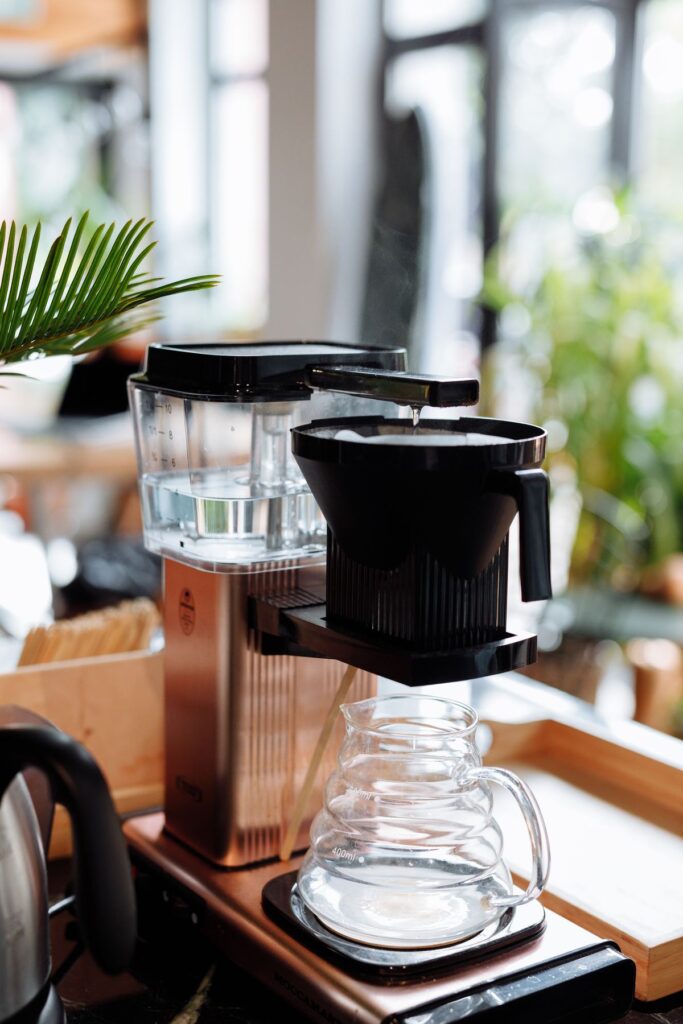
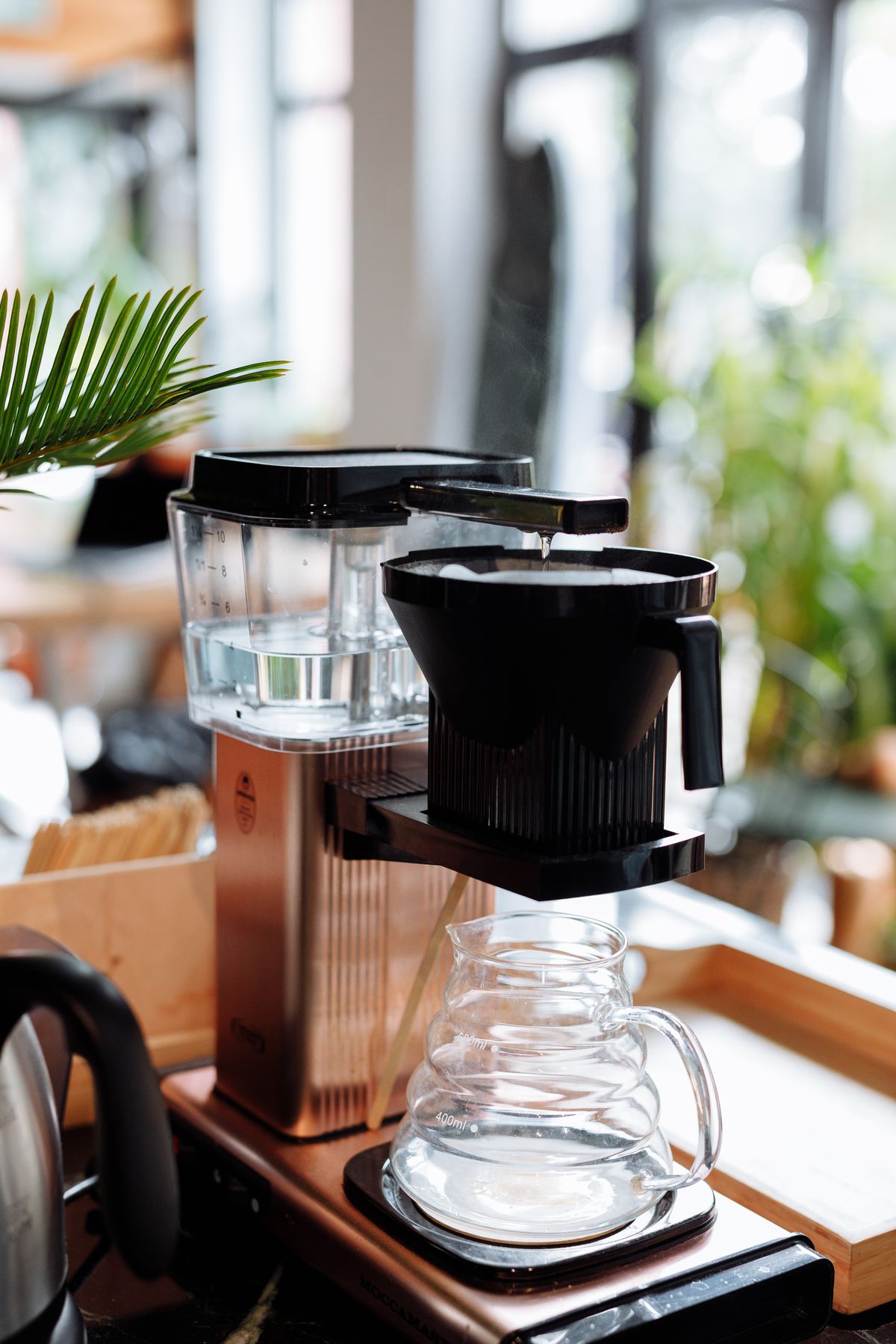
Illustrative brewer; not a verified Moccamaster model. Photo: Pexels.

A carafe should suit when and where you drink the batch. If two people pour immediately, a holding feature may matter less than it does to someone returning for a second cup later. Compare that routine before choosing a more expensive brewer.

The practical differences

Priority Thermal carafe Glass carafe
Serving away from brewer Insulated container can be convenient Check whether it relies on a warming plate
Visible remaining quantity Opaque body may make this harder Clear body is easy to inspect
Cleaning Check opening, lid and liner Check opening, handle and care limits

When thermal earns the extra cost

A thermal design can suit a slower morning or a table away from the kitchen outlet. Follow the instructions for preparing and closing the carafe. The useful holding time depends on the product and conditions, so a broad “hours hot” claim should not be treated as a measured result from this site.

Insulation does not tell you the inner material. Moccamaster documents a glass-lined stainless thermal carafe supplied with particular brewer generations. An outer steel shell therefore does not necessarily remove glass from the product. Check the exact version, especially with older stock or replacement parts.

When glass is enough

A glass carafe makes the remaining amount easy to see and can be a practical choice when coffee is served soon. If the brewer includes a warming plate, read its controls and shutoff behavior. Do not assume every model holds at the same temperature or for the same duration.

Carafe choice is not the only influence on a cup of coffee. Compare brewing capacity, batch-size settings and the process you already use. Paying for thermal storage does not guarantee a better initial brew, and replacing a working brewer may be unnecessary if you usually finish the batch promptly.

Check cleaning and replacement availability

Look at the neck opening and lid disassembly. A carafe that is awkward to reach may be inconvenient if you want a quick daily cleaning routine. Follow the manufacturer’s recommended cleaners and dishwasher permissions; thermal lids and liners can have different instructions from a basic glass jug.

Check the correct replacement part by brewer model. Height, outlet arrangement and brew-basket interaction can make visually similar carafes incompatible. Do not place an unapproved thermal vessel on a warming plate simply because it fits beneath the basket. Ask the manufacturer when a conversion is not documented.

The value decision

Choose thermal for a real holding or portability need. Choose glass when immediate serving and visibility fit the household. Keep a brewer that already delivers the coffee you enjoy; a compatible separate serving solution, where the instructions allow it, may be enough without replacing the entire machine.

Compare listings in your country

These buttons open matching Amazon search results, rather than a guaranteed in-stock offer. Confirm the exact model, seller, included parts, delivered price and return terms. Prices and availability can differ between the United States and Canada.

thermal-carafe coffee makers

glass-carafe coffee makers

Related guides on My Indoor Space

Sources and research

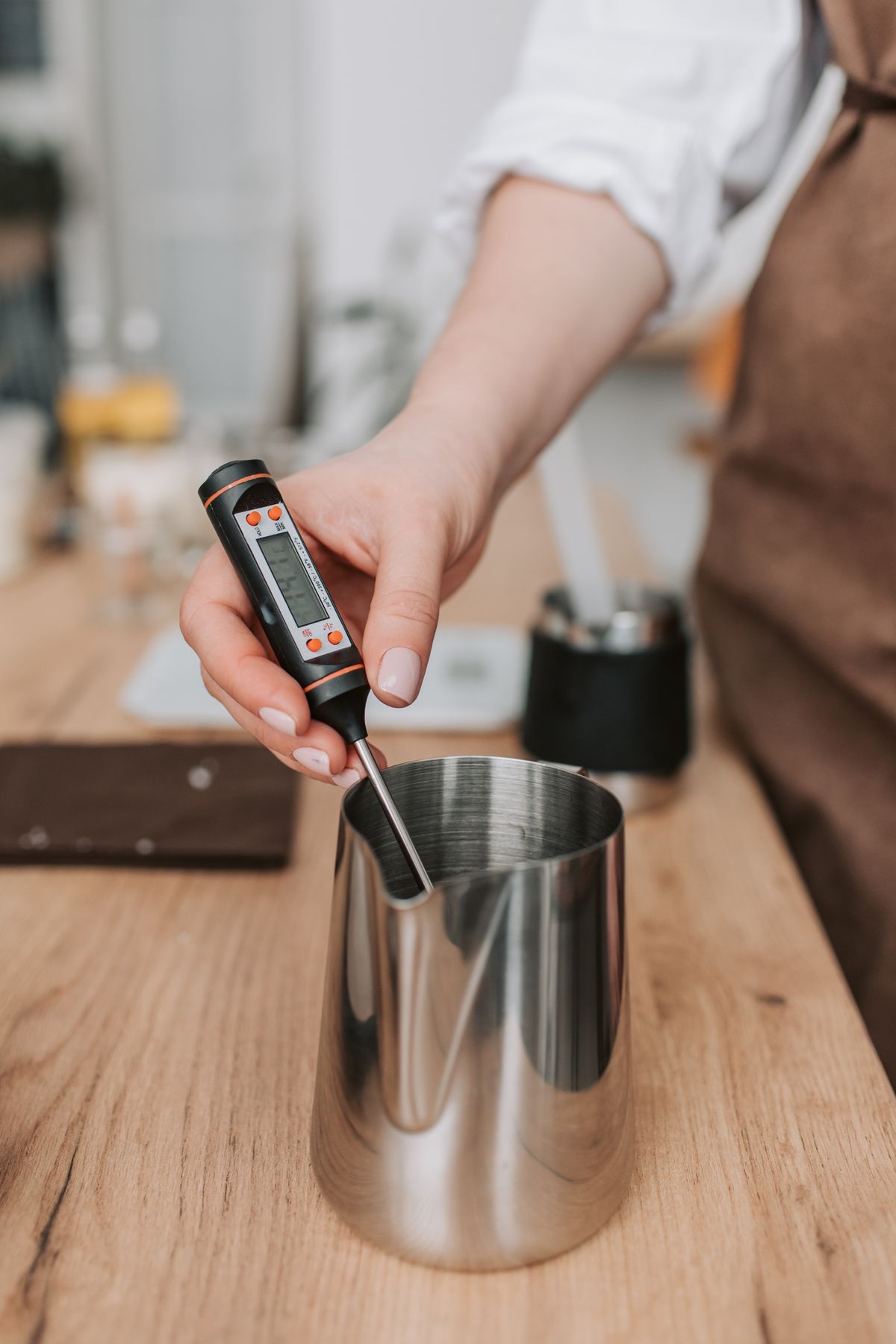
Person using a thermometer in a metal container
Kitchen & Dining

Instant-Read vs Leave-In Cooking Thermometer: Which Comes First?

Disclosure: As an Amazon Associate, My Indoor Space earns from qualifying purchases through links in this article, at no extra cost to you.

Quick verdict

Buy an instant-read thermometer first for quick checks in different places and foods. Add a suitable leave-in probe when monitoring a long cook and receiving an alarm would be useful. An instant-read display’s measuring range is not permission to leave the whole device in an oven.

Research-based buying guide. Information checked October 16, 2026. We have not tested these products hands-on; published specifications and our buying judgments are identified separately.

instant-read cooking thermometers

leave-in probe thermometers

Person using a thermometer in a metal container
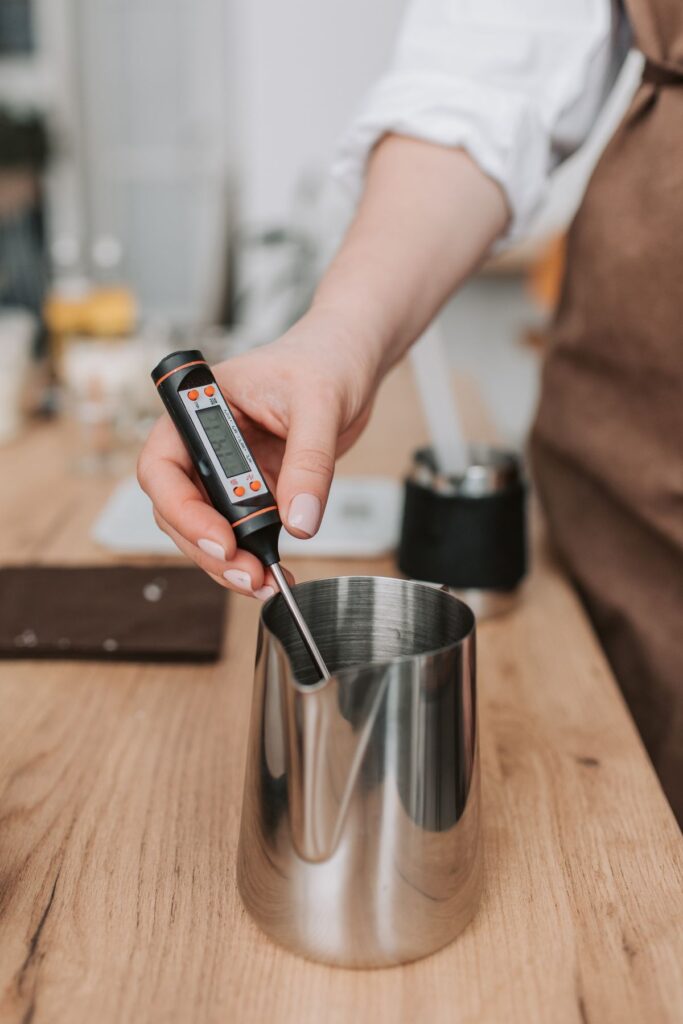
Illustrative temperature measurement; no ThermoWorks model is identified. Photo: Pexels.

A thermometer purchase should match the question you ask while cooking. “What is the temperature here?” calls for a quick measurement. “How is this temperature changing while it cooks?” may justify a probe designed to remain in place. These tools can complement each other.

Compare the measurement jobs

Job Instant-read Leave-in probe
Check several locations Convenient for separate spot checks Reposition according to instructions
Monitor a long cook Requires repeated manual checks Suitable models monitor continuously
Alarm away from oven Not the main function Check alarm and receiver arrangement

Why an instant-read is a useful first tool

A handheld probe lets you check different areas without leaving a cable attached. Compare response time under the manufacturer’s stated conditions, probe dimensions and how easily you can read the display. A rotating display can be useful at awkward angles; it does not replace correct probe placement.

Read the sensing-area instructions. Where and how deeply the probe measures affects the usefulness of the result. Clean it as specified between tasks. This buying comparison does not supply cooking temperatures; follow an appropriate recipe and authoritative food-safety guidance for the food you prepare.

When the leave-in upgrade is worthwhile

A suitable leave-in system can reduce repeated opening and checking during a longer cook. ThermoWorks describes oven-rated probe and cable arrangements for this purpose. Confirm which parts may enter the cooking space and where the display or transmitter must remain.

Compare high and low alarms, probe count and how settings are changed. If you only need one oven alarm, an app-connected multiprobe system may be unnecessary. If you want several readings, check whether extra probes come in the box or must be purchased separately.

Do not confuse measuring range with heat tolerance

A handheld thermometer may measure a high food temperature while its housing must stay outside the oven. ThermoWorks explicitly distinguishes instant-read use from a probe intended to remain during cooking. Check the complete product’s exposure limits, cable limits and any restrictions around direct flame or the broiler.

Wireless features add another compatibility check. Bluetooth, Wi-Fi and dedicated receivers have different dependencies, and published range depends on conditions. Oven walls and the route through your home can affect a connection. Choose a setup whose local display and alarms still suit the way you cook.

Which should you buy?

Choose instant-read for varied everyday checks. Choose leave-in when the main gap is monitoring and an alarm. Keep an existing accurate, suitable thermometer if it performs the required job; spend on the missing measurement function before buying a premium screen or a feature you will seldom use.

Compare listings in your country

These buttons open matching Amazon search results, rather than a guaranteed in-stock offer. Confirm the exact model, seller, included parts, delivered price and return terms. Prices and availability can differ between the United States and Canada.

instant-read cooking thermometers

leave-in probe thermometers

Related guides on My Indoor Space

Sources and research

Butter and sugar in a glass mixing bowl
Kitchen & Dining

Stainless Steel vs Glass Mixing Bowls: Which Set Is Better Value?

Disclosure: As an Amazon Associate, My Indoor Space earns from qualifying purchases through links in this article, at no extra cost to you.

Quick verdict

Choose stainless steel for a mixing-focused set when its weight and grip work for you. Choose approved glass bowls when visibility and permitted microwave use are priorities. Check the exact product’s instructions: material alone does not establish appliance compatibility.

Research-based buying guide. Information checked October 16, 2026. We have not tested these products hands-on; published specifications and our buying judgments are identified separately.

stainless steel mixing bowls

glass mixing bowls

Butter and sugar in a glass mixing bowl
Illustrative mixing bowl; heat ratings and brand are not established. Photo: Pexels.

A useful bowl set covers your ordinary batch sizes without filling the cupboard with near-duplicates. Steel and glass change handling and visibility, but the rim, base and usable capacity can matter just as much. Start with the largest mixture you regularly make.

Compare the daily jobs

Priority Stainless steel Glass
Seeing the mixture View from above Transparent sides can help inspection
Handling Compare weight and any exterior coating Compare empty and filled weight
Appliance use Follow exact restrictions Follow exact permissions and temperature precautions

What makes a steel set practical?

For mixing, compare the shape and base grip. OXO’s stainless set is one example with additional exterior design features, rather than three bare metal bowls. Those extra materials can change how a bowl should be used. Do not assume a steel interior means the complete product is oven-safe.

Hold the bowl in the position you use for whisking or pouring. A rim that is comfortable on the counter may be awkward when tipping a heavy batter into a tin. If you use a hand mixer, check depth and width with the beaters you own. A very wide shallow bowl may leave less protection against splashes.

When glass adds useful flexibility

Clear sides make it easier to inspect unmixed pockets and the contents without looking directly down into the bowl. The cited Pyrex set also describes microwave use for those products. That permission should not be generalized to every glass bowl, decorative serving piece or included lid.

Read the manufacturer’s thermal-use precautions. Oven, microwave, stovetop and broiler use are different conditions, and sudden temperature changes can matter. Choose glass for a permitted task you actually want to perform, not because a listing photograph places a bowl beside an oven.

Choose useful sizes before a large bundle

Compare the capacity of each bowl, then allow headroom for stirring. A small prep bowl may be useful for dressing but too small for a mixer. A large bowl can handle a doubled recipe yet be awkward at the sink. Check whether lids are included and whether they fit the exact bowls in the package.

Measure nested height and width in the cupboard. Lids, non-slip bases and flared rims can change how tightly a set nests. Think about drying and putting it away as well as the neat stack shown in the listing. The set with more pieces is poor value if several pieces never leave storage.

When should you upgrade?

Buy steel when a lighter-feeling, mixing-focused arrangement suits your routine after checking actual weights. Buy suitable glass when visibility and approved multipurpose use solve a problem. Keep a mixed collection if it already covers your batches; matching every bowl is an appearance choice rather than a cooking requirement.

Compare listings in your country

These buttons open matching Amazon search results, rather than a guaranteed in-stock offer. Confirm the exact model, seller, included parts, delivered price and return terms. Prices and availability can differ between the United States and Canada.

stainless steel mixing bowls

glass mixing bowls

Related guides on My Indoor Space

Sources and research

Scroll to Top