
Kitchen & Dining

Practical ideas and products for cooking, dining and everyday kitchen life.

Dish rack holding glassware and dishes
Kitchen & Dining

simplehuman Steel Frame vs OXO Aluminum Dish Rack: Which Fits?

Disclosure: As an Amazon Associate, My Indoor Space earns from qualifying purchases through links in this article, at no extra cost to you.

Quick verdict

Choose the standard simplehuman Steel Frame if its drainage arrangement and wine-glass storage solve a daily problem. Choose the OXO Aluminum for its open platform and adjustable drainboard when it fits your counter better. Measure both before treating either as an upgrade.

Research-based buying guide. Product information checked October 16, 2026. We have not tested these products hands-on; recommendations distinguish published features from our buying judgments.

simplehuman standard dish racks

OXO Aluminum dish racks

Dish rack holding glassware and dishes
Illustrative dish rack; neither compared model is identified. Photo: Pexels.

A dish rack has to fit the dishes you wash and deliver water back to the sink. A premium frame cannot compensate for a spout that stops short of the basin. This comparison covers simplehuman’s standard Steel Frame model and OXO’s Aluminum Dish Rack, not every compact or foldaway product sold by those brands.

Compare the actual models

Feature simplehuman standard OXO Aluminum
Identifying model Steel Frame, KT1181 on the cited page SKU 13229100
Drainage design Swiveling spout Adjustable drainboard
Layout emphasis Dedicated storage including wine-glass holder Open platform and removable utensil cup

When simplehuman is worth considering

The standard model’s swiveling outlet can be useful when the rack needs a particular orientation beside the sink. Check the full footprint with its accessories deployed, plus whether the outlet reaches over the sink edge. A raised rim or an awkward counter corner can defeat an otherwise convenient design.

Its glass-storage feature matters most if you regularly wash stemware by hand. It is less valuable if nearly everything goes in a dishwasher and the rack mainly holds a mug and a saucepan. Do not transfer the standard model’s accessories to a compact listing: compare the exact product page and included pieces.

When OXO is the sensible choice

OXO lists an aluminum-and-plastic construction, open center, adjustable drainboard and removable utensil cup. Its published dimensions are 17.9 by 14.9 by 6.6 inches. Mark that rectangle on the counter, then leave additional clearance for protruding dishes and the drainage position.

An open layout can suit a changing mixture of bowls, plates and cookware, but no manufacturer’s capacity description guarantees your largest pan will sit securely. Consider the items that cause trouble now. A wider rack is not automatically better if it takes over the only food-preparation area.

Cleaning access can outweigh extra holders

Look at which components lift out and how you will reach the tray and outlet. simplehuman describes a removable drain component for cleaning; OXO’s removable cup can also make access easier. Follow each product’s care instructions and check whether any part is dishwasher-safe instead of assuming the complete rack can go in the machine.

Water marks and residue still depend on water conditions and maintenance. Manufacturer drainage and finish claims are useful design information, but they are not our hands-on evidence that either rack stays spotless. Leave room to move the rack for cleaning the counter underneath.

Who should buy or skip the upgrade?

Pay more when a specific holder or drainage adjustment fixes your current problem. Choose the less expensive suitable option when both fit and you only need basic drying space. Keep an existing rack that drains properly and holds your dishes securely; changing its frame material alone is not a compelling reason to replace it.

Compare current listings in your country

These buttons open matching Amazon search listings rather than a guaranteed in-stock offer. Confirm the exact model, seller, included parts, delivered price and return terms. Offers can differ between the United States and Canada.

simplehuman standard dish racks

OXO Aluminum dish racks

Related guides on My Indoor Space

Sources and research

Reusable food bags with bread and fruit
Kitchen & Dining

Stasher vs Ziploc Endurables: Which Reusable Silicone Bags Are Worth It?

Disclosure: As an Amazon Associate, My Indoor Space earns from qualifying purchases through links in this article, at no extra cost to you.

Quick verdict

Buy the pouch whose size, opening and cleaning routine fit a repeated daily use. Stasher is a sensible starting point for a flat sandwich-style format; Endurables is worth comparing when its pouch shape and local price suit your food. Start with one. A reusable bag earns its higher price through actual reuse, not a large unused bundle.

Research-based buying guide. Product information checked October 16, 2026. We have not tested these products hands-on; recommendations distinguish published features from our buying judgments.

Stasher silicone sandwich bags

Ziploc Endurables pouches

Reusable food bags with bread and fruit
Illustrative reusable-bag photo; not a verified image of either compared silicone pouch. Photo: Pexels.

Reusable silicone pouches can reduce the number of disposable bags you buy, but they add a washing-and-drying routine. The right comparison is not simply which brand looks more durable. It is which pouch you will refill often enough to justify the cost and storage.

Choose the food before the brand

Your use What to prioritize
Sandwich or flat snack Internal dimensions and easy closure
Chunky portions Usable volume and access to the bottom
Freezer organization Labeling and a shape that stacks
Heating food The exact pouch’s instructions and venting method

Why choose Stasher?

The cited Stasher sandwich bag is a reusable food-grade silicone product sold through the Canadian catalogue. Stasher permits dishwasher cleaning or handwashing with warm soapy water. A flat sandwich format can make sense for an ordinary lunch or snack that does not need a rigid box.

Check internal dimensions with the bread or food you pack. A bag that fits a sliced sandwich may not suit a bulky roll. Choose it for a repeatable packing job rather than expecting one size to replace every storage container.

Why compare Endurables?

Ziploc Endurables is its reusable silicone line; it should not be confused with ordinary disposable Ziploc bags. The Canadian large pouch page lists baking up to 425°F along with other permitted uses. The instructions for individual pouches specify details such as venting and supporting the bag on a suitable tray.

Those temperature claims are product-specific. They are not permission to heat an ordinary Ziploc bag the same way. Buy the exact line and follow the supplied directions rather than relying on a brand name shared with different materials.

Closure comfort matters every day

Try opening, filling and closing one pouch with clean dry hands. A closure that looks secure can be frustrating when the edges are slippery or when the food sits too close to the seal. Leave the instructed headroom and keep the closure area clean.

We have not run comparative leak or closure-life tests. Do not treat either manufacturer’s marketing as our measured result. If you intend to transport liquid, follow its instructions and establish that your own undamaged pouch is properly closed before putting it inside a valuable bag.

Cleaning is the real commitment

Check whether your hand or a suitable cleaning tool can reach the bottom corners. Follow the maker’s advice on dishwasher placement and shape during washing. Let the inside dry fully before closing or storing it.

A rigid container may be easier to dry or stack for some foods. If the pouch remains damp on a crowded counter and you reach for disposable bags instead, the supposed upgrade is not working. Start with a use you can maintain comfortably.

Calculate value without exaggerated savings

Divide the reusable pouch’s price by the cost of the disposable bag it actually replaces. For example, a C$15 pouch replacing C$0.15 bags needs 100 replacements to match that purchase cost, before washing costs or differences in use. These are illustrative amounts, not current prices.

At five uses a week that is about twenty weeks; at one use a month it is more than eight years. The point is frequency, not a guaranteed financial or environmental payback. Do not count uses the pouch will probably never receive.

Who should skip both?

Skip a premium pouch if an existing washable container already does the job well. Choose a rigid container where crush protection is necessary. Avoid buying silicone as a heat-use upgrade unless you will follow the specific cooking and handling requirements.

Keep different sizes to a practical minimum. A large bundle is poor value when your lunch needs one medium pouch and the remaining bags sit in a drawer.

Regional value and final choice

Compare Canadian and U.S. prices by actual pouch size, count and line, including shipping and returns. A small snack bag and a large stand-up pouch are not equivalent offers. Check care guidance and warranty terms through the local maker or retailer.

Stasher is worth considering for its established flat sandwich-style option; Endurables is worth considering when its specific format and price fit better. Buy one useful size, make sure you enjoy maintaining it, and expand only after repeated use proves the value.

Compare current listings in your country

These buttons open matching Amazon search listings rather than a guaranteed in-stock offer. Confirm the exact model, seller, included parts, delivered price and return terms. Offers can differ between the United States and Canada.

Stasher silicone sandwich bags

Ziploc Endurables pouches

Related guides on My Indoor Space

Sources and research

Food containers and glass jars on a kitchen counter
Kitchen & Dining

OXO Smart Seal vs Snapware Total Solution Glass: Which Storage System?

Disclosure: As an Amazon Associate, My Indoor Space earns from qualifying purchases through links in this article, at no extra cost to you.

Quick verdict

Choose the set whose latch action, sizes and replacement lids fit your routine. OXO is worth a premium when its specific lid system makes handling easier; Snapware can be the better value when its useful-size containers cost less locally. Do not buy either set by advertised piece count alone.

Research-based buying guide. Product information checked October 16, 2026. We have not tested these products hands-on; recommendations distinguish published features from our buying judgments.

OXO Smart Seal glass

Snapware Total Solution glass

Food containers and glass jars on a kitchen counter
Illustrative food-storage photo; the compared product identities are not verified. Photo: Pexels.

Glass storage is a system of bowls and lids, not merely a material choice. Two sets with similar prices can give you very different amounts of useful meal storage. The best purchase starts with the leftovers you actually keep and the cupboard where the empty pieces will live.

Compare useful containers

Question Why it matters
How many actual vessels are included? Lids may count as separate pieces
Which sizes will hold your ordinary meal? Tiny unused containers add little value
Can you operate every latch easily? A secure lid still needs comfortable handling
Can a replacement lid be bought locally? A missing lid can reduce the whole set’s usefulness

What to look for with OXO Smart Seal

OXO’s glass Smart Seal range uses latching lids and removable seals. The cited set describes borosilicate glass and compatibility with specified same-size Smart Seal lids. Check the exact product line before mixing old and new pieces; brand identity alone does not establish a fit.

Choose it if the latches and lid arrangement feel comfortable and you can assemble the sizes you need without unwanted extras. Do not assume a premium set produces a proven longer food-storage life; we have not tested that.

What to look for with Snapware

The cited Total Solution set combines Pyrex glass vessels with Snapware’s locking lids. It is one particular glass range, not every product sold under either name. Compare vessel capacity and lid operation with the OXO pieces you would actually buy.

If the Snapware bundle supplies more useful lunch or dinner sizes at a lower delivered price, that is a strong reason to choose it. The saving is less persuasive when half the set duplicates containers already in your cupboard.

Test the lid with your actual hands

Close all latches on an empty container as directed. Check whether opening the last latch requires an uncomfortable grip and whether the seal sits flat after cleaning. Consider someone else in the household who will also use the container.

For carrying liquids, follow the manufacturer’s use instructions and test permitted leak resistance before putting a meal beside electronics or documents. A “leakproof” product claim is not our independently verified result, and damaged or incorrectly seated parts can change performance.

Heating instructions belong to the exact product

Do not treat every glass container as interchangeable bakeware. Read the actual vessel and lid markings for microwave, freezer and oven use, venting and temperature transitions. Plastic lids generally have different limits from their glass bases.

Pyrex’s published instructions include important restrictions around preheated ovens, direct heat and rapid temperature changes. Avoid using a family-wide marketing phrase as permission for a method not supported by your particular container. Never move damaged glass into a heating routine.

Storage and washing can decide the winner

Measure how the empty containers nest and where the lids sit. Packing every size tightly together can make a daily lunch routine irritating. A smaller number of repeated sizes may stack and match more easily than a large assortment.

Follow part-specific cleaning directions, including how removable seals are refitted. Let lid channels dry before closing them. Think about the space occupied in your dishwasher as well as in your refrigerator.

Who should skip glass?

Choose a lighter suitable container if you carry several meals on transit or struggle with filled glass weight. Glass is also a poor fit where breakage consequences outweigh its heating and cleaning advantages. A glass upgrade is not automatically necessary when good plastic containers already meet your use.

We have not conducted stain, leak, impact or latch-cycle testing. These recommendations concern documented construction, handling checks and useful-size value.

Canadian and U.S. checkout checks

Set contents can differ by country and retailer. Compare the capacity of each vessel, not the photo layout or a headline number. Include delivery, taxes, return costs and replacement-lid availability in the comparison.

Final choice

Choose OXO when its particular lid system earns a handling premium; choose Snapware when its practical sizes deliver better local value. The winning set is the one you can open, store, clean and replace parts for without buying a cupboard full of unnecessary pieces.

Compare current listings in your country

These buttons open matching Amazon search listings rather than a guaranteed in-stock offer. Confirm the exact model, seller, included parts, delivered price and return terms. Offers can differ between the United States and Canada.

OXO Smart Seal glass

Snapware Total Solution glass

Related guides on My Indoor Space

Sources and research

Prepared meals packed in food containers
Kitchen & Dining

FoodSaver FM2000 vs Nesco VS-12: Which Vacuum Sealer Fits Your Routine?

Disclosure: As an Amazon Associate, My Indoor Space earns from qualifying purchases through links in this article, at no extra cost to you.

Quick verdict

Choose FM2000 for a straightforward bag-sealing routine when its complete local price is lower. Choose VS-12 when pulse vacuum, selectable sealing options and built-in roll storage will be used regularly. For occasional leftovers, ordinary freezer containers may be enough to skip both.

Research-based buying guide. Product information checked October 16, 2026. We have not tested these products hands-on; recommendations distinguish published features from our buying judgments.

FoodSaver FM2000

Nesco VS-12

Prepared meals packed in food containers
Illustrative meal-preparation photo; not vacuum-sealing test results. Photo: Pexels.

A vacuum sealer is useful when you repeatedly portion food for storage. It is less useful when the machine and bag rolls stay in a cupboard because preparing them feels like another chore. Compare the complete bag-making process before comparing suction claims.

The meaningful upgrade

Priority Starting choice Reason
Basic repeated bag sealing FM2000 Simple workflow if the bundle is good value
Delicate foods and more manual control VS-12 Pulse and gentle-pressure options
Making bags from rolls frequently Consider VS-12 Integrated roll storage and cutter

When the FoodSaver is enough

The FM2000 is a basic countertop system in FoodSaver’s range. Compare the Canadian bundle’s supplied bags, roll and any accessory hose with the actual retailer listing. A starter pack can change the initial cost, but it should not distract from whether compatible supplies remain affordable.

Read the FM2000-series guide for closing the lid, positioning bags and allowing the machine to cool between seals. A compact sealer’s ordinary routine may be sufficient if your batches are small and the foods do not require fine control.

What the Nesco adds

Nesco lists Dry, Moist and Double seal choices, Normal or Gentle vacuum pressure, pulse control, roll storage and a cutter. Its current page calls the item VS-12P while describing the VS-12 design. Verify the exact supplied version and manual before ordering.

Pulse is useful when you want to stop air removal before a delicate item is compressed too much. Double sealing provides another sealing option. Neither feature guarantees a bag will seal through food residue, wrinkles or liquid in the sealing area.

Bag compatibility is an ownership cost

Check the permitted bag type and width in the manual. Do not assume an inexpensive smooth chamber-sealer pouch works in an external suction machine. Nesco advertises compatibility across vacuum-bag brands, but the bag still needs to be of the appropriate design and size.

Compare cost per useful bag, including the material consumed while making each seal. A cheap roll can waste money if the seals are unreliable. Label contents and dates so sealed food does not become an unidentified freezer packet.

Moist food needs more care

These are external suction sealers, not chamber machines built to vacuum free-flowing liquids directly. Follow maker guidance for moist ingredients and preparation. A Moist setting does not mean you can vacuum a bag of soup without controlling liquid movement.

Vacuum packaging is also not a preservation method that makes perishable food safe at room temperature. Continue to refrigerate or freeze as appropriate and follow established food-storage guidance. Do not infer a universal shelf-life multiplier from marketing.

Cleaning and recurring problems

Inspect the sealing area for food and wrinkles, and clean removable trays as directed. Nesco’s troubleshooting guidance identifies gasket condition and placement as possible causes when vacuuming or sealing fails. Check whether replacement gaskets are available before choosing an appliance you intend to keep.

If a machine becomes awkward to close, a different lid-lock design may be a more valuable upgrade than a stronger headline pump specification. Try the closing action with your hands during the return period.

Who should skip both?

Skip a sealer if you rarely batch-shop or if your existing freezer containers already solve the problem. A machine, bag rolls and prepared packets all require space. If you want to seal many wet dishes frequently, research an appropriate different system rather than forcing one of these into an unsuitable job.

We have not measured vacuum strength, seal failure rates or storage-life differences. Our recommendation is about documented controls and practical ownership, not a head-to-head durability test.

Value and final winner

Compare CAD or USD totals, starter supplies, regional warranty and recurring bag costs. A lower machine price loses its appeal if everyday supplies or replacement seals are hard to obtain.

FM2000 is the simpler starting choice when basic sealing is enough. VS-12 earns an upgrade for frequent roll use and greater control. Buy a system you will set up and maintain, rather than paying for features that remain in storage.

Compare current listings in your country

These buttons open matching Amazon search listings rather than a guaranteed in-stock offer. Confirm the exact model, seller, included parts, delivered price and return terms. Offers can differ between the United States and Canada.

FoodSaver FM2000

Nesco VS-12

Related guides on My Indoor Space

Sources and research

Electric kettle in a kitchen setting
Kitchen & Dining

Fellow Stagg EKG Pro vs Bodum Bistro: Do You Need a Pour-Over Kettle?

Disclosure: As an Amazon Associate, My Indoor Space earns from qualifying purchases through links in this article, at no extra cost to you.

Quick verdict

Buy the basic Bistro when you mainly want hot water for ordinary kitchen use at a lower price. Consider Stagg EKG Pro when controlled gooseneck pouring and adjustable temperature are part of a frequent manual-coffee routine. Do not pay for pour-over control if you mainly fill mugs or a French press.

Research-based buying guide. Product information checked October 16, 2026. We have not tested these products hands-on; recommendations distinguish published features from our buying judgments.

Fellow Stagg EKG Pro

Bodum Bistro 1-litre kettle

Electric kettle in a kitchen setting
Illustrative kettle photo; not either compared product. Photo: Pexels.

These kettles represent different priorities. Stagg EKG Pro is built around deliberate coffee pouring and temperature selection. The basic one-litre Bistro 11452 is the simpler kettle in this comparison. Bodum also sells other Bistro models, including temperature-control versions, so the family name alone is not enough.

What would change your routine?

Your main task Starting choice Reason
Tea bags, instant drinks, everyday hot water Basic Bistro Specialist pouring control may add little
Frequent V60-style pour-over Stagg EKG Pro Gooseneck pouring and temperature selection
Filling a large pot Reconsider size and spout Neither compact capacity is ideal for every job

Why the gooseneck can be worth paying for

A narrow spout helps place and manage the stream during manual brewing. That can be useful when a coffee recipe asks you to pour slowly over a particular area of the bed. It is less valuable when all the water goes straight into a French press or instant drink.

Fellow’s current Stagg page lists a 0.9-litre capacity and adjustable temperature, along with different Pro and Studio options. Confirm the actual Pro package and regional manual. Do not transfer scheduling, hold or display features from another generation just because it shares the EKG name.

Why a basic kettle may be enough

For ordinary hot-water use, the purchase should be comfortable to fill, easy to pour and suitable for your household’s normal quantity. A simpler kettle can meet those needs without a specialist coffee interface.

Check that the listing is the basic Bistro model intended here. Bodum uses Bistro across different capacities and control types. If you need adjustable temperature for a particular drink, compare a temperature-control model directly rather than expecting the basic version to provide it.

Temperature control is a requirement, not a status symbol

Being able to select a target is useful when your method needs it. It does not establish that the most expensive kettle will make every tea or coffee taste better. Beans, grind, water, dose and brewing technique still matter.

We have not measured either kettle’s temperature accuracy, heating time or energy consumption. This recommendation follows their documented purpose and your intended use. It does not claim a laboratory win for speed or precision.

Check handling when the kettle is full

Consider the handle angle, lid removal and the movement from tap to base to cup. Imagine the full water weight, not only the empty body. A controlled coffee stream may also mean a different pouring pace from a broad-spout household kettle.

Measure the base and allow room to fill and remove the kettle. Verify minimum and maximum fill marks. Do not overfill a compact kettle to make up for a capacity shortfall, and do not heat it without the water level required by its instructions.

When to skip the upgrade

If your current kettle works and you rarely make manual pour-over, keep it. A better grinder or consistent measuring routine may be a more relevant coffee purchase, depending on what is currently going wrong. A premium kettle should solve a named problem, such as an uncontrolled pour.

If several people need hot water at once, capacity and refill frequency may outweigh specialist features. Compare a larger suitable kettle before buying a small one because it looks appealing on the counter.

Canadian and U.S. buying checks

Choose the correct voltage and plug for local use, and compare domestic service terms. Fellow lists a North American Type-B version; international editions should not be treated as interchangeable. Look at the exact item code on Bodum listings as well.

Compare the delivered total, return costs and any premium finish surcharge. A decorative handle or colour can be worth buying if you enjoy it, but separate that preference from a functional brewing benefit. Descale and clean as directed for your water conditions.

Final choice

Basic Bistro is the value starting point for everyday hot water. Stagg EKG Pro earns its premium for a regular pour-over routine that uses its control. Buy the specialist kettle when the brewing method calls for it, rather than making every kitchen task fit an expensive upgrade.

Compare current listings in your country

These buttons open matching Amazon search listings rather than a guaranteed in-stock offer. Confirm the exact model, seller, included parts, delivered price and return terms. Offers can differ between the United States and Canada.

Fellow Stagg EKG Pro

Bodum Bistro 1-litre kettle

Related guides on My Indoor Space

Sources and research

Hot water poured into a manual coffee dripper
Kitchen & Dining

Hario Switch vs Clever Dripper: Which Immersion Brewer Fits Your Coffee?

Disclosure: As an Amazon Associate, My Indoor Space earns from qualifying purchases through links in this article, at no extra cost to you.

Quick verdict

Choose Clever for a straightforward steep-and-release routine, especially when its larger practical capacity fits your mug. Choose Hario Switch when you want to alternate immersion with V60-style pour-over or hybrid recipes. The Switch’s extra control is useful only if you want to experiment with it.

Research-based buying guide. Product information checked October 16, 2026. We have not tested these products hands-on; recommendations distinguish published features from our buying judgments.

Hario Switch 02

Clever Dripper

Hot water poured into a manual coffee dripper
Illustrative manual-brewing photo; the compared brewers are not shown. Photo: Pexels.

Both brewers let coffee steep before it drains through a paper filter, but they release the drink differently. Clever opens its valve when placed on a suitable mug or server. The Switch uses a control lever, giving you a direct choice about when water flows.

Choose by brewing style

Priority Better fit Why
One repeatable steep-and-release method Clever Simple routine with cup-activated draining
Immersion plus pour-over experiments Switch Valve control supports different sequences
Large mug in one steep Check capacity first Different sizes do not hold equivalent volumes

What Clever does well as a design

The cited Clever listing describes a practical 500 mL capacity, standard number-four filters and a Tritan body. Its routine is to steep, then place the brewer on a compatible vessel to drain. That is attractive when you want filtered coffee without managing a series of precise pours.

Check the version and size. A smaller Clever and a larger one are different purchases. The valve needs the correct mug opening and rim contact; test fit before filling the brewer with hot water.

What Switch adds

Hario describes the glass Switch as a hybrid V60 and immersion brewer. The cited 02 version has a listed finished capacity of 200 mL and uses the corresponding V60 filter size. Other Switch sizes and ceramic or Mugen variants must be checked separately.

That capacity matters. A recipe involving continuous or staged pouring is not the same as holding all the brew water inside the closed dripper. Do not assume a compact Switch will contain the entire water dose for your largest mug in a single steep.

Does one make better-tasting coffee?

We have not run a controlled taste comparison. Grind, ratio, water and recipe can change the result substantially. The defensible buying distinction is workflow and capacity, not a blanket claim that glass or a different valve produces superior flavour.

If you already enjoy your coffee, Switch’s flexibility is an optional creative upgrade. If you want to reduce decisions on busy mornings, Clever’s simpler method may be the bigger benefit. More possible recipes are not always more convenience.

Filters are an ongoing purchase

Check availability and price for the exact filters in your country. Clever’s cited large model takes number-four paper filters; Switch uses the appropriate V60 filters. Shape, seams and size matter, so do not substitute solely because two packages say coffee filter.

If you already own a V60, sharing filter stock may favour Switch. If local supermarkets reliably stock your preferred number-four filters, Clever may make replenishment easier. Include filters when comparing the first year’s cost, not only the brewer price.

Cleaning, breakage and storage

The glass Switch needs protection from knocks and thermal shock. Clever’s plastic body avoids the same glass-breakage concern but still needs care around its valve and seals. Follow each maker’s disassembly and cleaning instructions rather than forcing a component apart.

Budget for a suitable mug or server if yours does not fit. Keep the brewer stable while draining and confirm the container can hold the full drink. Store the cleaned valve parts where they can dry; a compact brewer that stays damp inside is inconvenient to maintain.

Best value for Canadian buyers

Compare local stock, shipping, spare valve parts and filter supply against imported offers. A low U.S. price can lose its advantage after currency and shipping. Do not assume a bundle includes a server or the same starter filters as another listing.

Skip both if pod convenience is the real goal, or if you prefer a brewer without disposable paper. These are deliberate manual coffee tools, even when their steeping routine is relatively forgiving.

Final winner

Clever wins for a simple immersion routine and a suitable larger mug. Switch wins for buyers who want valve-controlled V60 and hybrid brewing. Choose serving capacity first, then decide whether more experimentation is worth the extra expense and care.

Compare current listings in your country

These buttons open matching Amazon search listings rather than a guaranteed in-stock offer. Confirm the exact model, seller, included parts, delivered price and return terms. Offers can differ between the United States and Canada.

Hario Switch 02

Clever Dripper

Related guides on My Indoor Space

Sources and research

Person blending vegetables with a hand blender
Kitchen & Dining

Breville Control Grip vs Braun MQ505: Which Immersion Blender Makes Sense?

Disclosure: As an Amazon Associate, My Indoor Space earns from qualifying purchases through links in this article, at no extra cost to you.

Quick verdict

Choose Braun MQ505 for a simpler two-speed blending routine if it costs less locally. Consider Breville Control Grip BSB510 when its trigger grip, 15-speed adjustment and included accessories make regular cooking easier. Grip comfort and the correct attachment bundle matter more than headline wattage.

Research-based buying guide. Product information checked October 16, 2026. We have not tested these products hands-on; recommendations distinguish published features from our buying judgments.

Breville Control Grip BSB510

Braun MQ505

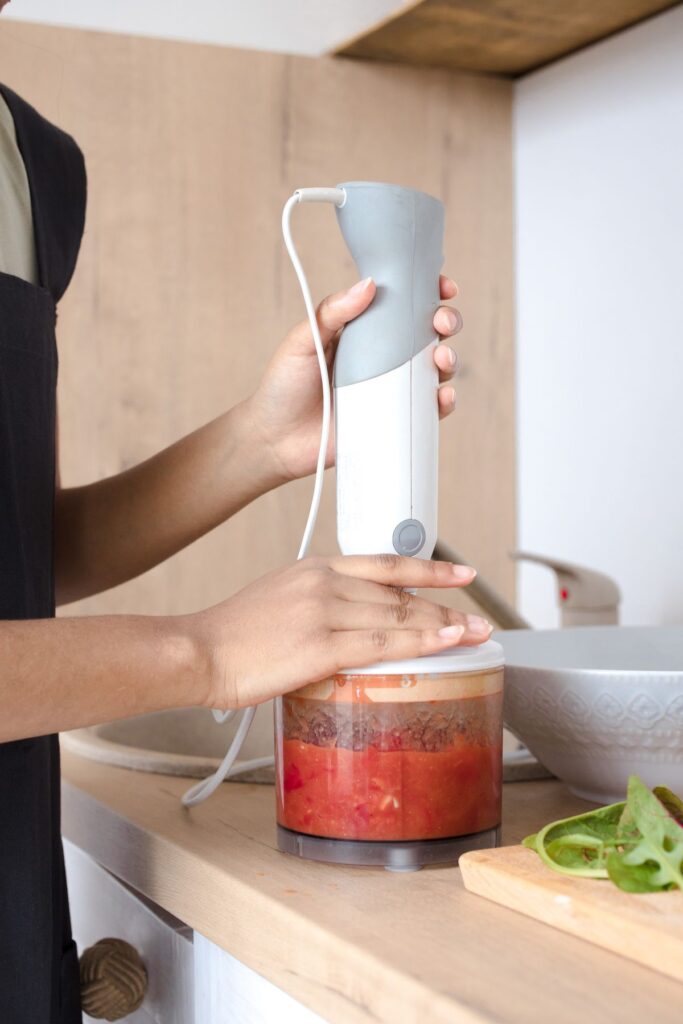
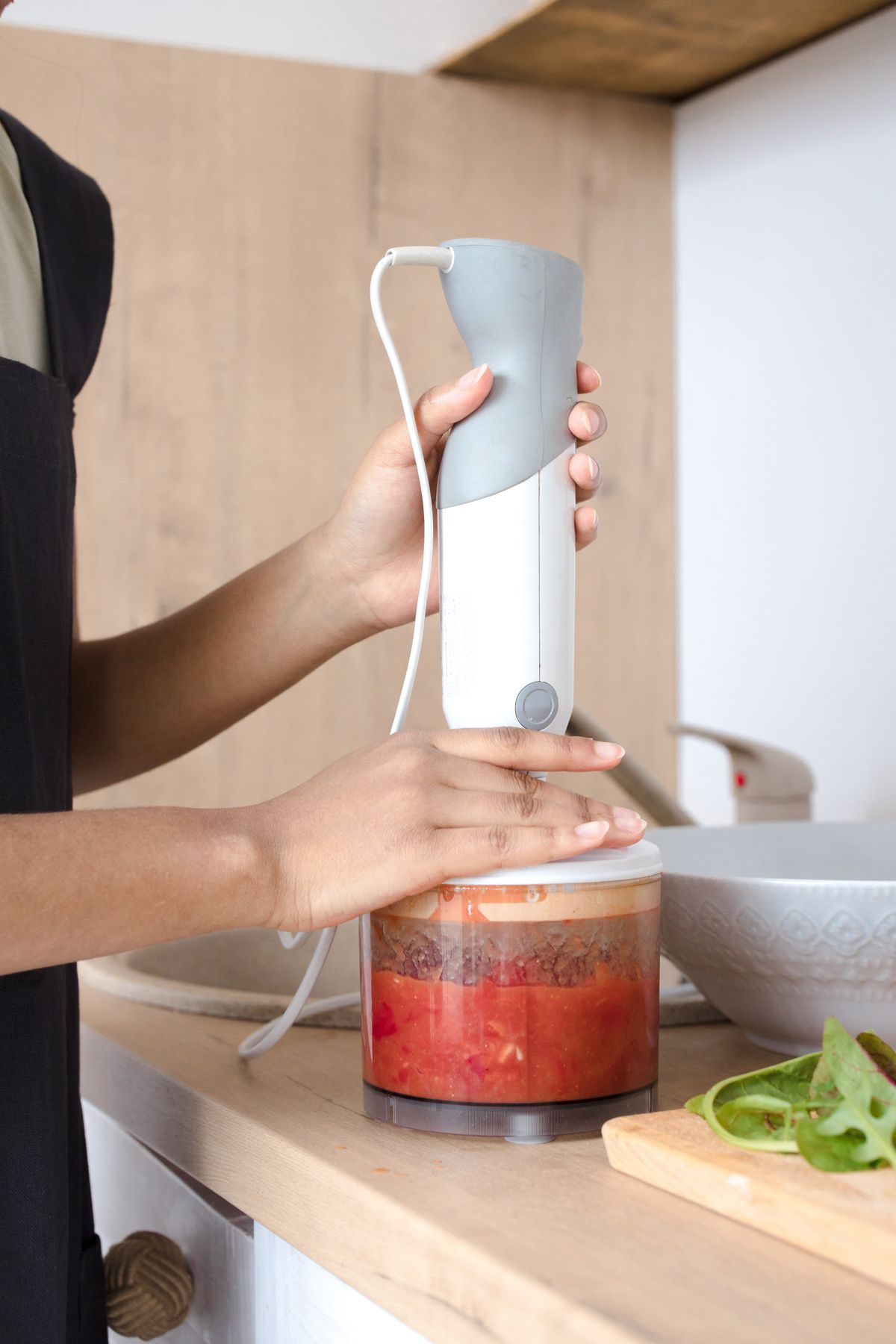
Person blending vegetables with a hand blender
Illustrative food-prep photo; neither model identity nor test results are implied. Photo: Pexels.

An immersion blender can puree directly in an appropriate vessel, but the best design for you depends on how it feels while held down in a pot. Extra power claims are less helpful than checking the grip, speed control and clearance around the blending head.

The practical differences

Question Breville BSB510 Braun MQ505
Speed approach 15 settings Two-speed control on the cited model
Handling focus Trigger-style grip Slim soft-grip body
Reason to upgrade Preferred grip and finer speed selection Simple operation at a lower total price

Who should choose Breville?

Breville describes an ergonomic trigger grip and blending head intended to reduce suction. Its Canadian page lists 15 speed settings and a jug and whisk, with other package details requiring a check of the actual bundle.

The useful upgrade is control: if you make soups or sauces frequently, the ability to choose an intermediate speed and hold a comfortable trigger may improve the routine. It does not establish that all 15 positions are needed for every recipe or that the machine cannot splash.

Who should choose Braun?

The cited MQ505 uses a soft-grip body, two-speed operation and an EasyClick attachment system. Braun markets the bell design around blending and splash control. Choose it when that simpler interface meets your needs and the delivered price is meaningfully lower.

Model numbers matter here. MQ505, MQ50501 and other MultiQuick 5 products can have different speed systems and regional specifications. Accessories using a different connector family may not fit. Match both the model and attachment connection rather than the words “MultiQuick 5” alone.

Why we do not decide this by watts

Input wattage is not a side-by-side measure of blending quality. Braun’s current pages also present inconsistent wattage figures between some regional descriptions and technical sections. This guide therefore does not build a performance ranking around those numbers.

RTINGS provides independent testing of the Control Grip, including its controls and blending uses. We have not tested the two models ourselves and do not claim a measured difference in smoothness, noise or longevity.

Check your pot and your hands

Compare blending-head diameter with the narrowest vessel you use, and confirm safe immersion depth and food-temperature instructions. A tall beaker and a wide soup pot present different handling problems. The head must be able to move without repeatedly striking the sides.

Try reaching the power control while keeping a secure grip. Consider the weight through a whole batch rather than only lifting the appliance once. If a control must stay pressed, decide whether that is comfortable. Do not buy a design that feels awkward simply because it advertises ergonomic styling.

Accessories: useful replacement or more clutter?

A whisk earns its space if it replaces another tool you use. A chopper attachment earns it for small permitted prep jobs. They are not reasons to buy a more expensive bundle when your main need is blending soup.

List where the shaft, jug, blade and motor will dry and be stored. Check dishwasher instructions for each part; a detachable shaft is not proof that every gearbox or lid can be submerged. Unplug before attaching, removing or cleaning blades.

When neither is the right purchase

If frozen drinks and ice are the main task, compare a countertop blender specifically rated for that work. If you want evenly diced vegetables, a hand blender is not a knife replacement. Use the appliance only for ingredients and quantities allowed in its instructions.

For hot mixtures, follow the maker’s cooling and vessel guidance and prevent splashing. Speed selection helps control the process; it does not remove the risk from hot food.

Value and the final choice

Compare Canadian and U.S. offers by model, voltage, bundle contents and local warranty support. A chopper or whisk missing from the cheaper package may change the actual comparison; an accessory you never use should not.

MQ505 is the sensible starting point for simple, lower-cost blending. Control Grip earns a premium when its handling and speed control suit frequent use. Keep a satisfactory existing blender unless the new model fixes a specific problem.

Compare current listings in your country

These buttons open matching Amazon search listings rather than a guaranteed in-stock offer. Confirm the exact model, seller, included parts, delivered price and return terms. Offers can differ between the United States and Canada.

Breville Control Grip BSB510

Braun MQ505

Related guides on My Indoor Space

Sources and research

Compact food processor on a wooden surface
Kitchen & Dining

Cuisinart Mini-Prep Plus vs KitchenAid 3.5-Cup Chopper: Which Fits?

Disclosure: As an Amazon Associate, My Indoor Space earns from qualifying purchases through links in this article, at no extra cost to you.

Quick verdict

Choose Cuisinart DLC-2A if you prefer separate Chop and Grind buttons and its local price is better. Choose KitchenAid KFC3516 if its handled bowl, spout and drizzle basin fit your dressing-and-dip routine. Neither replaces a full processor when you need slicing discs, large batches or heavy dough.

Research-based buying guide. Product information checked October 16, 2026. We have not tested these products hands-on; recommendations distinguish published features from our buying judgments.

Cuisinart Mini-Prep Plus DLC-2A

KitchenAid KFC3516

Compact food processor on a wooden surface
Illustrative food-prep photo; not a verified image of either compared model. Photo: Pexels.

A mini chopper can be more convenient than a full-size processor for herbs, garlic or a modest bowl of dip. But small capacity is only useful if the controls and cleanup are easier than the knife-and-board routine it replaces.

The useful comparison

Decision Cuisinart DLC-2A KitchenAid KFC3516
Nominal bowl size 24 ounces / 3 cups 3.5 cups
Defining control feature Chop and Grind reverse the blade direction Compact chopping and pureeing workflow
Liquid additions Openings in the cover Lid with drizzle basin
Best fit Small mixed prep tasks Dips, dressings and pouring from a small bowl

What the Cuisinart does

The DLC-2A has a 24-ounce work bowl, touchpad controls and an auto-reversing blade. Cuisinart explains that Chop uses the sharp edge for softer ingredients and Grind reverses to the blunt edge for suitable hard ingredients.

That is a specific operating system, not a general promise that it can mill any spice or coffee bean. Follow the instruction book’s permitted foods and quantities. Cut ingredients to the recommended size and use pulses when you want texture rather than a puree.

Where the KitchenAid makes sense

KitchenAid lists a handled 3.5-cup bowl with a pour spout, multipurpose blade and lid with a drizzle basin. Those features are relevant when the result needs to move neatly into a jar, salad bowl or serving dish.

If sauces and dressings are why you want a chopper, evaluate how you will add oil and pour the finished mixture. If you mainly chop a small onion, the bowl shape and control preference may matter more than a drizzle feature.

Capacity is not a maximum liquid fill

The half-cup difference in nominal bowl size does not mean the KitchenAid can always make exactly half a cup more finished food. Working capacity depends on whether ingredients are dry, loose, wet or expanding as they mix.

Check the manual’s liquid and food limits. Start with the batch size you actually prepare. A tiny quantity can also be a poor fit if it sits below the blade’s useful working area; larger is not automatically more versatile for one clove of garlic.

When to skip both

Choose a larger processor if you want discs for slicing or shredding, or regularly prep ingredients for a family-sized meal. Choose an immersion blender if the main task is pureeing soup in a pot. Choose a knife when you want controlled, even pieces without washing a motor attachment.

Buying several overlapping small appliances can consume more cupboard space than one well-chosen tool. Write down the two jobs this chopper will perform most often. If you cannot identify them, delay the purchase.

Handling and cleanup tests

Try locking and removing the bowl and lid with dry hands. Check where the blade sits as you empty the bowl, and follow the manual’s blade-handling instructions. A comfortable handle is valuable only if the locking action is also manageable.

Cuisinart lists dishwasher-safe removable parts. KitchenAid supplies its own part-specific cleaning instructions. Keep motor bases dry, check seals and crevices after oily sauces, and let components dry before storage. More accessories mean more items to clean, so compare the contents of the exact bundle.

What the evidence establishes

This is a comparison of published designs and fit, not a claim that one produced finer pesto or lasted longer in our testing. We have not timed chopping or measured noise. Both brands’ marketing should be checked against the precise model number: newer choppers and larger processors are different products.

Best value and final winner

Compare complete Canadian or U.S. totals, replacement-bowl availability and domestic warranty service. A low price is less useful if a cracked lid makes the whole appliance unusable and a replacement cannot be obtained locally.

DLC-2A is the straightforward choice for buyers who prefer its two-button approach. KFC3516 is the stronger fit when its pouring and dressing features matter. Buy the handling advantage you will use, and keep a larger processor off the shopping list unless your recipes need it.

Compare current listings in your country

These buttons open matching Amazon search listings rather than a guaranteed in-stock offer. Confirm the exact model, seller, included parts, delivered price and return terms. Offers can differ between the United States and Canada.

Cuisinart Mini-Prep Plus DLC-2A

KitchenAid KFC3516

Related guides on My Indoor Space

Sources and research

Flour and sieves placed on a digital kitchen scale
Kitchen & Dining

OXO 11-lb Scale vs Escali Primo: Is a Pull-Out Display Worth It?

Disclosure: As an Amazon Associate, My Indoor Space earns from qualifying purchases through links in this article, at no extra cost to you.

Quick verdict

Choose Escali Primo when you want a straightforward scale at a lower price and your bowls leave its screen readable. Pay for OXO’s 11-lb model when large bowls obscure a fixed display. The pull-out screen is the clear upgrade; a higher price does not by itself establish more accurate measurements.

Research-based buying guide. Product information checked October 16, 2026. We have not tested these products hands-on; recommendations distinguish published features from our buying judgments.

OXO 11-lb food scale

Escali Primo

Flour and sieves placed on a digital kitchen scale
Illustrative weighing photo; not a verified OXO or Escali scale. Photo: Pexels.

A scale is only useful while you can read it. That is why a seemingly small display difference can matter more than a premium finish. Escali Primo keeps the design simple; OXO lets you move the screen away from the weighing platform.

Which one fits your bowls?

How you cook Better starting choice Reason
Small bowls and everyday portions Escali Primo Simple fixed-display design
Wide mixing bowls OXO 11-lb Display pulls forward for visibility
Tiny espresso or spice doses Check another type of scale One-gram readability may be too coarse

What you pay for with OXO

OXO describes its 11-lb stainless model as reading in one-gram metric increments or 0.1-ounce U.S. increments. It includes zeroing and unit conversion. Its defining feature is the screen you can pull forward when a bowl or plate would otherwise shadow it.

That solves a real baking problem: being able to read the weight without lifting or tilting a flour-filled bowl. If you regularly weigh dough in a large vessel, the convenience can justify a premium. If your usual plate is small, that feature may remain unused.

Why Primo remains a sensible value choice

Primo’s appeal is straightforward weighing and controls rather than an elaborate display mechanism. Escali’s catalogue identifies it as a compact kitchen scale, and independent testing publications continue to include it among their practical recommendations.

Check the exact P115 listing and manual for capacity, units and shutoff behaviour. Primo colours are not necessarily new performance versions. Avoid paying more solely because one colour or retailer bundle is presented as a premium edition.

Readability is not the same as accuracy

A display that changes in one-gram steps describes resolution. It does not prove every reading is correct to exactly one gram throughout the full capacity. Repeatability, minimum load and the condition of the surface also matter.

We have not calibrated these scales or measured drift. Prudent Reviews and Bon Appetit provide independent testing context, but their results should not be confused with our own laboratory work. For espresso recipes needing small fractional-gram changes, compare a suitable precision coffee scale instead.

Account for the bowl’s weight

Using tare makes a bowl read zero; it does not remove its physical load from the scale’s maximum capacity. A heavy glass bowl leaves less capacity for ingredients. Plan for the combined load, especially when mixing a large batch.

Use a firm, level worktop and keep the vessel centred and clear of nearby surfaces. If a bowl touches the backsplash or a utensil rests against it, part of the load may bypass the scale. A more expensive scale cannot correct poor placement automatically.

Test the everyday sequence

  1. Put your largest normal bowl on the platform.
  2. Check whether you can read and operate the controls.
  3. Tare and add a small quantity in stages.
  4. Pause as you would while fetching ingredients.
  5. Check whether the display’s shutoff routine suits your pace.

Do this during the return period, following the instructions. An inconvenience you meet in every recipe matters more than an extra unit mode you rarely use.

Storage, cleaning and regional value

Store the scale so other heavy objects do not sit on its platform. Wipe according to the manual; a stainless platform or sealed control panel is not permission to immerse the electronics. Check the battery type and availability before choosing.

Canadian buyers should compare the actual delivered CAD difference and local returns. If OXO costs substantially more, ask how often a bowl hides the Primo-style screen. If that happens every time you bake, it is a useful upgrade. If it never happens, keep the saving.

Final choice

Primo is the value starting point for simple weighing. OXO wins for large-bowl visibility. Choose by the vessels and recipes you actually use rather than assuming a premium scale is necessary for ordinary cooking.

Compare current listings in your country

These buttons open matching Amazon search listings rather than a guaranteed in-stock offer. Confirm the exact model, seller, included parts, delivered price and return terms. Offers can differ between the United States and Canada.

OXO 11-lb food scale

Escali Primo

Related guides on My Indoor Space

Sources and research

Pressure cooker beside a prepared rice and vegetable meal
Kitchen & Dining

Instant Pot Duo vs Pro 6-Quart: Which Upgrade Features Matter?

Disclosure: As an Amazon Associate, My Indoor Space earns from qualifying purchases through links in this article, at no extra cost to you.

Quick verdict

The Duo is enough for ordinary pressure cooking, sautéing and yogurt if its controls suit you. Pay for Pro when its handled inner pot, interface and added functions solve a frequent annoyance. Compare exact generations: the current Duo already has an Easy-Release switch, so that feature alone is not a reason to upgrade.

Research-based buying guide. Product information checked October 16, 2026. We have not tested these products hands-on; recommendations distinguish published features from our buying judgments.

Instant Pot Duo 6-quart

Instant Pot Pro 6-quart

Pressure cooker beside a prepared rice and vegetable meal
Illustrative pressure-cooker photo; neither compared Instant Pot is pictured. Photo: Pexels.

Instant Pot’s model names cover multiple generations. Comparing a current Pro with a decade-old Duo description can exaggerate the difference. This guide uses the maker’s currently listed six-quart Duo and Pro, while recommending a matching manual check for the stock a retailer actually ships.

Start with the shared cooking jobs

The Duo page lists pressure cooking, slow cooking, sautéing, steaming, rice, yogurt and warming. If those are your intended jobs, a more expensive appliance is not automatically needed. A preset count mainly describes ways to access controls; it is not a count of recipes you can cook.

Pro lists a broader ten-function set including sous vide and baking alongside the familiar multicooker functions. Buy an extra mode only when you have a recipe and a reason to use it. Neither model replaces every specialist appliance equally well.

Who gets value from the Pro?

Need Starting choice What to assess
Simple pressure-cooker meals Duo Controls and local price
Frequent sautéing and pan handling Consider Pro Handled inner-pot design
More customizable controls Consider Pro Whether the interface is easier for you
Small occasional portions Reconsider capacity Six quarts may be more than you need

Pro’s listed easy-grip inner-pot handles can make positioning and removal more convenient. They do not mean a hot or filled pan can be lifted carelessly. Try the movement with an empty pan and follow the instructions on hot surfaces and protective handling.

Steam release: avoid an outdated comparison

The current Duo description already includes an updated Easy-Release steam switch. Pro describes a steam-release switch and diffusing cover. Older Duo controls may differ, so read the model and revision on the box rather than assuming every Duo has identical hardware.

Release method remains recipe-dependent. Follow the matching manual and recipe for natural or quick release, keep hands clear of steam, and never force a lid open. Extra convenience features do not change those operating requirements.

Does Pro make dinner faster?

The cited Pro page advertises faster preheating, but broad speed claims do not establish your total dinner time against Duo. Bringing food to pressure, the programmed cooking stage and release are separate parts of a recipe.

We have not timed identical meals in these units. Do not interpret a ten-minute pressure setting as ten minutes from cold ingredients to serving. For a buyer, the useful question is whether the whole routine fits the evening, including preparation and cleanup.

Capacity, storage and accessories

Six quarts is the vessel’s nominal capacity, not a usable fill allowance for every food. Follow the marked limits and the manual, especially for expanding or foaming ingredients. Check minimum liquid requirements instead of adapting a large recipe by guesswork.

Measure height with room to open and remove the lid, plus access to the outlet. Confirm accessory compatibility by model and size: an inner pot, ring or lid described as fitting “Instant Pot” is not necessarily universal. The Pro page lists an extra sealing ring and handled rack; compare the actual retailer bundle.

Best value and reasons to skip the upgrade

Keep a functioning Duo if the cooking results and controls already satisfy you. Upgrading for a longer list of presets can be poor value when you repeatedly select the same manual pressure setting. A second appliance also needs cupboard space.

For a new purchase, compare complete CAD or USD totals, authorized-seller status, local support and returns. Pro’s convenience earns more in a household using it frequently than in one making an occasional batch of soup.

Final winner

Duo is the practical default for core multicooker jobs. Pro earns its upgrade through handling and controls you will use regularly. Verify the precise generation first, and do not replace a satisfactory Duo merely because the Pro carries more functions on its box.

Compare current listings in your country

These buttons open matching Amazon search listings rather than a guaranteed in-stock offer. Confirm the exact model, seller, included parts, delivered price and return terms. Offers can differ between the United States and Canada.

Instant Pot Duo 6-quart

Instant Pot Pro 6-quart

Related guides on My Indoor Space

Sources and research

Scroll to Top