
Kitchen & Dining

Practical ideas and products for cooking, dining and everyday kitchen life.

Rice with vegetables served in a black bowl
Kitchen & Dining

Zojirushi NHS-06 vs NS-LGC05: Which Small Rice Cooker Is Worth It?

Disclosure: As an Amazon Associate, My Indoor Space earns from qualifying purchases through links in this article, at no extra cost to you.

Quick verdict

Choose NHS-06 for straightforward rice cooking when the lower local price matters most. Choose NS-LGC05 if you want dedicated grain settings, automatic keep-warm and reheating. The crucial detail: Zojirushi does not list the larger NHS models’ keep-warm and steaming basket as features of the NHS-06.

Research-based buying guide. Product information checked October 16, 2026. We have not tested these products hands-on; recommendations distinguish published features from our buying judgments.

Zojirushi NHS-06

Zojirushi NS-LGC05

Rice with vegetables served in a black bowl
Illustrative rice dish; not cooked in a tested comparison. Photo: Pexels.

Both are marketed as small rice cookers, but the similar capacity labels hide different routines. The NHS-06 is a single-switch cooker with a glass lid. The NS-LGC05 is a Micom model with menu selections and a clock-and-timer interface. Buy for the meals you repeat, not the longest menu.

The differences that decide the purchase

Your routine Better fit Reason
Cook rice and serve promptly NHS-06 Simple controls and compact depth
Different grains and delayed mealtimes NS-LGC05 Dedicated programs and keep-warm
Very small portions Check each grain’s minimum Maximum capacity says little about minimum batches

What the NHS-06 already covers

Zojirushi lists a single control switch, see-through glass lid and nonstick inner pan. This is the sensible type of appliance when you want an uncomplicated side dish and will be ready to eat when cooking ends.

Read the model-specific lines carefully. The shared NHS family page reserves the automatic keep-warm function and stainless steaming basket for NHS-10 and NHS-18. A retailer copying the whole family description can make the smaller NHS-06 sound better equipped than it is.

What the Micom upgrade adds

The NS-LGC05 has automatic keep-warm and reheating plus menus including white or mixed rice, sushi rice, brown rice, GABA brown rice, long-grain white rice and steel-cut oatmeal. Zojirushi says the compact model can cook as little as half a supplied cup for appropriate rice or oat preparations; consult the manual’s menu-specific amounts.

That flexibility matters if rice is a frequent part of dinner and the meal time changes. It matters less if you always cook one familiar rice and serve it immediately. “Fuzzy logic” describes control technology; it is not our guarantee of flawless results with any grain or water ratio.

Capacity labels can mislead

The supplied rice cup is approximately 180 mL, rather than a 240 mL U.S. measuring cup. The advertised three-cup capacity refers to uncooked rice measured that way, with other grains subject to different limits. Do not plan portions from the number three alone.

Write down your usual dry-rice amount and the grain you cook. Check its minimum and maximum in the matching instructions. Buying excess capacity can be less useful than buying a cooker that handles your ordinary dinner well.

Check the depth beneath your cabinets

The maker lists both at about 9⅛ inches wide and 7½ inches high, but approximately 7½ inches deep for NHS-06 versus 11⅞ inches for NS-LGC05. The Micom therefore needs more front-to-back space despite its small capacity.

Leave the operating clearances specified in the manual and room for the lid and steam. Measure the place where you will cook, not just the cupboard where you will store it. Keep the removable pan’s coating intact by using suitable utensils and cleaning methods.

Value, ownership and country checks

We have not cooked side-by-side batches or compared texture, cooking time or durability. This recommendation follows the documented feature difference. If you already own a basic cooker that makes rice you enjoy, the upgrade only earns its cost through functions you will use.

Compare Canadian and U.S. offers by exact model, voltage, delivered price and service eligibility. Check availability of a replacement inner pan and the supplied measuring cup. Treat a cheaper import cautiously if returning a bulky appliance would erase the saving.

Final choice

NHS-06 wins for simplicity and an immediate-serving routine. NS-LGC05 wins for menu flexibility and holding rice for a changing dinner time. Choose the Micom for those concrete benefits; skip the premium if a basic cooker already fits the way you eat.

Compare current listings in your country

These buttons open matching Amazon search listings rather than a guaranteed in-stock offer. Confirm the exact model, seller, included parts, delivered price and return terms. Offers can differ between the United States and Canada.

Zojirushi NHS-06

Zojirushi NS-LGC05

Related guides on My Indoor Space

Sources and research

Coffee machine on a white kitchen counter
Kitchen & Dining

Keurig K-Mini vs K-Mini Plus: Is the Classic Plus Upgrade Worth It?

Disclosure: As an Amazon Associate, My Indoor Space earns from qualifying purchases through links in this article, at no extra cost to you.

Quick verdict

For the classic single-cup versions, buy the K-Mini when its lower price is the main advantage and basic pod coffee is enough. Pay for the K-Mini Plus if you will use Strong brew or the removable reservoir. Check the exact model guide before ordering: K-Mini Go and revised versions can have different features despite similar names.

Research-based buying guide. Product information checked October 16, 2026. We have not tested these products hands-on; recommendations distinguish published features from our practical buying judgments.

Keurig K-Mini

Keurig K-Mini Plus

Coffee machine on a white kitchen counter
Illustrative coffee station photo; the K-Mini models are not shown. Photo: Pexels.

A narrow coffee maker can be a useful apartment appliance, but the K-Mini name now appears alongside closely named versions and updated listings. This comparison is specifically about the familiar classic K-Mini and K-Mini Plus workflow: add water for a cup, insert a pod and brew.

Identify the version before comparing prices

Do not rely on the word “Mini” or a retailer’s headline alone. The classic K-Mini Plus manual identifies a Strong button, removable water reservoir and pod-storage accessory. A K-Mini Go guide describes a different feature set and should not be used to establish what an older K-Mini includes.

If the listing text and photos disagree, ask the seller for the model number and matching manual. Some current manufacturer pages also mix legacy description text with updated feature highlights. The manual for the actual item is a better purchase check than a broad family comparison chart.

Classic K-Mini versus classic Plus

Buying question K-Mini K-Mini Plus
Main reason to buy Simple compact pod brewing Extra handling and brew controls
Strong button Do not assume included on the classic base model Included in the cited classic Plus guide
Water access Check the exact reservoir arrangement Removable reservoir in the cited guide
Best buyer Occasional basic cup Frequent user who values those extras

What Strong brew changes

Keurig describes Strong brew as increasing coffee strength and intensity. That gives you another brewing option, but it does not turn a pod brewer into an espresso machine or prove that every coffee will taste better.

Choose Plus if you already know you prefer a stronger cup and would use the button regularly. Skip the premium if you usually make mild coffee and have no interest in another brew setting. If you are unhappy with a pod’s flavour, changing the coffee itself may matter more than replacing the machine.

Why the removable reservoir can matter more

Water handling is part of every cup. A reservoir you can lift off may be easier to fill and clean than one you reach into behind the pod compartment. That matters especially under cabinets or for someone who finds pouring from a jug awkward.

Try imagining the complete movement: remove the tank, carry it to the sink, fill it, bring it back and reseat it. If the brewer will sit beside a sink with easy access, the benefit may be modest. If the only space is tucked under a cabinet, it can be a better upgrade reason than the brew button.

Counter fit is more than width

Leave room above the brewer for the handle to open and enough access to fill or remove the reservoir. Measure your mug with its lid off, then check the exact machine’s clearance with and without its drip tray. A narrow footprint does not guarantee that a tall travel mug fits.

Also plan where the cord, spare pods and used pods go. A machine that saves a few centimetres can still leave a crowded coffee station if its accessories have no home. Keep frequently used items together without placing water containers where a spill would reach plugs.

Who should skip both classic single-cup models?

If two people brew several cups back to back, repeatedly adding water can become tedious. A larger-reservoir pod model or a small drip brewer may suit better. If you mainly want espresso or milk drinks, choose equipment designed for those drinks rather than buying a compact pod machine and expecting it to substitute.

If you already enjoy a kettle and manual brewer, the extra appliance may not improve your routine enough to justify the space. Convenience should solve something specific, such as a quick occasional cup without measuring grounds.

Best value includes the coffee you buy

Compare the machine price with your ongoing pod budget. An illustrative extra C$0.30 per daily cup adds roughly C$110 over a year. That is an example, not an estimate of any particular pod’s current cost. A small machine discount can disappear beside the cost of the coffee itself.

For reusable-filter use, verify the exact accessory compatibility and preparation directions. Do not assume every filter marketed for Keurig fits every compact generation. Cleanup and measuring grounds may also remove some of the convenience you wanted.

Canada, care and warranty checks

Buy a version intended for local electrical service and check country-specific support, seller authorization and return costs. Descale and clean according to the matching guide. Premium features do not remove water-system maintenance.

We have not tested these brewers head to head or established a difference in cup temperature, noise or long-term reliability. The recommendation concerns verified classic-model features and the practical value of those features.

Final winner

The classic K-Mini wins for a low-cost occasional pod cup. The classic K-Mini Plus earns its upgrade for regular Strong-brew use or easier reservoir handling. If a listing does not establish which generation you are buying, clarify the model before paying.

Compare current listings in your country

These buttons open matching Amazon search listings, not a guaranteed in-stock offer. Check the exact model, included parts, seller, delivery total and return terms before buying. U.S. and Canadian offers can differ.

Keurig K-Mini

Keurig K-Mini Plus

Related guides on My Indoor Space

Sources and research

Vanilla ice cream served in a glass bowl
Kitchen & Dining

Is the Ninja CREAMi NC301 Worth It for a Small Kitchen?

Disclosure: As an Amazon Associate, My Indoor Space earns from qualifying purchases through links in this article, at no extra cost to you.

Quick verdict

The NC301 is worth considering if you want to customize frozen desserts regularly and can reserve both freezer space and a permanent place for the machine. Skip it if you want dessert immediately from unfrozen ingredients, dislike advance prep or will use it only a few times a year. Buying supermarket ice cream remains the simpler option.

Research-based buying guide. Product information checked October 16, 2026. We have not tested these products hands-on; recommendations distinguish published features from our practical buying judgments.

Ninja CREAMi NC301

Vanilla ice cream served in a glass bowl
Illustrative dessert photo; not a test batch made with the Ninja CREAMi. Photo: Pexels.

The Ninja CREAMi is appealing because you can choose the ingredients and flavour of a small batch. In a small kitchen, however, a useful dessert appliance has to justify more than its purchase price. The machine, processing bowl, lids and frozen pints all need a place in your routine.

What the NC301 does differently

The original 7-in-1 NC301 processes a prepared frozen base rather than freezing a liquid mixture as a compressor ice-cream machine does. Ninja lists ice cream, lite ice cream, sorbet, gelato, milkshake, smoothie bowl and mix-in programs. A Re-spin function is available when the processed texture needs adjustment.

That operating method is the key buying distinction. The processing can be quick, but it comes after preparation and freezing. Good Housekeeping’s testing describes planning for about 24 hours of freezing. Use the freezing instructions and approved recipes supplied with your exact machine; a visibly frozen top does not establish that a base is ready throughout.

Who should buy it?

The strongest buyer is someone who enjoys experimenting and expects to make several batches a month. Custom flavours, ingredient preferences and a small-batch format can make the process worthwhile. It is especially useful when a flavour you want is difficult to buy ready-made.

Ingredient control is a creative benefit, not an automatic health benefit. A homemade dessert can still contain substantial sugar, fat or allergens. Follow a suitable recipe, and do not assume every ingredient substitution will freeze and process in the same way.

Who should skip it?

  • People who want spontaneous dessert without a frozen base ready.
  • Households whose freezer cannot keep the pints upright and level.
  • Anyone unwilling to clean the processing parts after use.
  • Buyers expecting a quiet appliance for late-night use beside sleeping rooms.
  • People who mainly want large batches for guests.

A blender may already cover your milkshakes or some soft frozen-fruit desserts. A traditional ice-cream maker may fit a different workflow better. Buy the CREAMi for the particular process it offers, not simply because online recipes look appealing.

Counter space and freezer space are separate tests

Measure the exact machine and the clearance required to fit and remove its bowl. Product pages sometimes mix shipping dimensions with machine dimensions, so use the current manual or a retailer’s confirmed appliance measurements before ordering for a tight shelf.

Then put a container of similar size in the freezer where each pint would sit. Can the lid remain level? Can you remove the pint without unloading a drawer? If you want several flavours ready at once, reserve space for several containers rather than judging the purchase by one pint.

Keeping the machine in a low cupboard may also change how often you use it. Think about the lift from storage to counter and where the outer bowl will dry after washing. A narrow-looking appliance can still create a large storage routine.

Noise and texture: what testing supports

Good Housekeeping’s testers reported creamy results and valued the ingredient flexibility, while noting noise, advance preparation and some mix-in inconsistency. Those observations support the central trade-off: convenience during processing does not eliminate the preparation routine.

We have not tested the NC301 or measured its sound level. Do not interpret a short cycle as a silent one. In an apartment, plan to process when a burst of appliance noise is acceptable, and return the machine if normal operation is unsuitable for your home.

Buy the right pints

The standard NC301 uses 16-ounce CREAMi pints. Ninja explicitly distinguishes these from containers for the larger Deluxe and Swirl systems. A listing that says only “CREAMi compatible” is not specific enough.

Confirm the series number, container size and matching lid before buying extras. More pints are useful if you prepare ahead, but buying a large accessory bundle on day one can waste money if you have not yet settled on recipes you enjoy.

Is there a financial saving?

Do the calculation with your own ingredients. Include the machine, extra pints, failed experiments and the number of portions you actually eat. Custom recipes can cost more than supermarket tubs, so there is no blanket savings claim here.

As an illustration, a C$250 purchase used 100 times adds C$2.50 per use before ingredients; used ten times, it adds C$25. These are example figures, not a current NC301 price. Frequent enjoyable use matters much more than the promise of a bargain dessert.

Cleaning, support and the final decision

Follow the manual for removing the paddle, lid components and bowl. Wash only the parts permitted for the dishwasher, and keep the motor base dry. Check the exact Canadian or U.S. warranty and seller return terms rather than assuming imported stock has local coverage.

Buy the NC301 for regular customized desserts when its freezer-and-counter routine fits your home. Skip it for occasional impulse treats. Start with the supplied pints and a few maker-approved recipes; add accessories only after the appliance has earned a regular place.

Compare current listings in your country

These buttons open matching Amazon search listings, not a guaranteed in-stock offer. Check the exact model, included parts, seller, delivery total and return terms before buying. U.S. and Canadian offers can differ.

Ninja CREAMi NC301

Related guides on My Indoor Space

Sources and research

Person using a hand mixer in a mixing bowl
Kitchen & Dining

Cuisinart HM-90S vs KitchenAid KHM512: Which Hand Mixer Is Better Value?

Disclosure: As an Amazon Associate, My Indoor Space earns from qualifying purchases through links in this article, at no extra cost to you.

Quick verdict

Choose the KitchenAid KHM512 for straightforward occasional mixing when its price is lower. Choose the Cuisinart HM-90S if you will use the extra attachments and snap-on storage case. Nine speeds alone do not prove better results than five, and neither purchase should be treated as a heavy-duty stand mixer replacement.

Research-based buying guide. Product information checked October 16, 2026. We have not tested these products hands-on; recommendations distinguish published features from our practical buying judgments.

Cuisinart HM-90S

KitchenAid KHM512

Person using a hand mixer in a mixing bowl
Illustrative baking photo; not a verified image of either compared mixer. Photo: Pexels.

A hand mixer earns its place by being easy to grab, easy to control and easy to put away. Cuisinart’s HM-90S offers a fuller accessory package, while KitchenAid’s KHM512 keeps the proposition simpler. For a small kitchen, the useful comparison is the complete routine rather than the biggest number on the box.

The short comparison

Feature Cuisinart HM-90S KitchenAid KHM512
Speed selections Nine Five
Main appeal Attachment variety and storage case Simple everyday mixing
Best buyer Someone who wants a whisk and organized accessories Someone mainly using standard beaters
What does not decide it? Speed count by itself Brand reputation by itself

What the Cuisinart package adds

Cuisinart lists beaters, a chef’s whisk, dough hooks and a spatula with the HM-90S, plus a snap-on case. Its SmoothStart feature provides three low mixing speeds. The cited U.S. listing also specifies 220 watts and a limited three-year warranty.

The case is a meaningful advantage if your current beaters disappear into a drawer. Keeping compatible attachments with the motor reduces searching and avoids finding a loose whisk in another cupboard. Check the assembled storage size, though: the case must fit the shelf where you intend to keep it.

Skip the extra package if you know you will only use ordinary beaters. Unused accessories are still objects to store, and a longer feature list does not automatically offset a higher checkout total.

What the simpler KitchenAid offers

The KHM512 is a five-speed corded hand mixer. Its standard mixing role suits cake mixes, whipped cream and everyday batters without requiring the buyer to learn a large control panel. KitchenAid’s instructions tell users to begin at the lowest speed.

Choose it when basic mixing and uncomplicated storage matter more than a case full of attachments. Confirm the accessories in the exact colour and country-specific bundle; similar KitchenAid model names include different speeds, cordless systems and packages.

Do more speeds improve the food?

Extra settings can help you select an intermediate speed, but the numbers do not measure how gently a mixer starts or how it feels in your hand. Bowl shape, ingredient temperature, attachment design and technique also affect splashing and mixing.

Do not compare two motors solely by wattage. Electrical input is not a direct measurement of useful mixing performance. A practical choice should emphasize controllable low-speed operation, a secure grip and attachments appropriate to the recipe.

What independent testing adds

Bon Appetit’s testing found the KitchenAid five-speed capable in its mixing tasks and liked Cuisinart’s nine-speed model, while noting dough sticking in the Cuisinart beaters. That is useful context for performance and cleanup. It is their testing, not ours, and regional versions or accessory changes may affect the comparison.

We have not measured motor durability, sound levels or batch times for these two units. The recommendation here is a fit-and-value judgment supported by published features and independent observations, rather than a claimed laboratory ranking.

Who should skip both?

If you make large or stiff dough batches frequently, a hand mixer may not be the right tool even when dough hooks are included. Follow each manual’s recipe limits, running times and cooling guidance. Hooks do not make a small handheld motor equivalent to a stand mixer.

If you whip cream only a few times a year, an existing whisk may be sufficient. If you have trouble holding weight steadily, try the grip and balance before ordering; having to support the mixer throughout a recipe is different from operating a countertop machine.

Handling checks that matter after delivery

  • Can you reach the speed control without changing your grip?
  • Does the cord pull across the bowl or work comfortably to the side?
  • Can you eject the attachments easily with the unit unplugged?
  • Does the storage arrangement fit your actual cupboard?
  • Are replacement beaters available for the exact model?

Try a permitted simple recipe early in the return period. Start low, use a sufficiently deep bowl and stop the motor before lifting the beaters. Inspect attachment sockets and controls for secure engagement.

Cleaning, warranty and regional price

Cuisinart states that removable parts are dishwasher safe on the cited HM-90S page. The motor housing is not a dishwasher part. Follow the specific KitchenAid instructions for its beaters and wipe the motor body as directed. Clean dough from crevices before it dries.

In Canada, compare domestic stock with U.S. offers after currency, delivery and possible return costs. Confirm the warranty in your country rather than applying Cuisinart’s U.S. warranty wording automatically. A modest saving is less useful if replacement parts or service require an international return.

Final winner

The KHM512 is the sensible basic choice when it costs less and standard beaters cover your needs. The HM-90S earns an upgrade for buyers who will use its whisk, accessories and organized case. Buy the package that improves your actual baking routine, not the highest speed count.

Compare current listings in your country

These buttons open matching Amazon search listings, not a guaranteed in-stock offer. Check the exact model, included parts, seller, delivery total and return terms before buying. U.S. and Canadian offers can differ.

Cuisinart HM-90S

KitchenAid KHM512

Related guides on My Indoor Space

Sources and research

Hearty cooked meal served in a pot on a tray
Kitchen & Dining

Lodge vs Le Creuset Dutch Oven: When Is the Upgrade Worth It?

Disclosure: As an Amazon Associate, My Indoor Space earns from qualifying purchases through links in this article, at no extra cost to you.

Quick verdict

Lodge is the sensible value starting point for soups, stews and occasional braises. Le Creuset earns consideration when you cook this way often and its exact size, handle design, finish or local support matters enough to justify the price. Do not buy the premium pot expecting the brand alone to transform a recipe.

Research-based buying guide. Product information checked October 16, 2026. We have not tested these products hands-on; recommendations distinguish published features from our practical buying judgments.

Lodge 6-quart enamel Dutch oven

Le Creuset Signature round Dutch oven

Hearty cooked meal served in a pot on a tray
Illustrative meal photograph; not a test dish from either compared Dutch oven. Photo: Pexels.

A Dutch oven is a substantial purchase in money, cupboard space and lifting weight. The useful question is not whether Le Creuset has a stronger reputation. It is whether the particular Le Creuset you are considering solves a problem that the less expensive Lodge leaves unsolved.

Compare like-for-like cookware

This comparison concerns enameled cast iron: Lodge’s approximately 6-quart Essential Enamel model and a Le Creuset Signature round oven around 5.5 U.S. quarts, sold in Canada as roughly 5.3 litres. The capacities are close rather than identical. Bare cast iron, Lodge’s other enamel ranges, and Le Creuset shallow or deep shapes need separate comparisons.

Your priority Better starting choice What to inspect
Occasional soup and braising Lodge Delivered price and comfortable lifting
Frequent stove-to-table cooking Either; consider Le Creuset Handle clearance, shape and finish you value
Limited wrist or lifting tolerance Handle both before buying Filled weight, not just empty weight
Fast weekday meals Possibly neither Whether a lighter saucepan or pressure cooker suits better

What the cheaper Lodge already does

Lodge lists its cited enamel Dutch oven for stovetop use, including induction, and oven use up to 500°F. Its enamel surface accommodates acidic ingredients without a raw cast-iron seasoning routine. Those are the core capabilities many buyers need for tomato sauces, braises and slow simmering.

Independent testing by Prudent Reviews includes cooking and heat-retention comparisons involving Lodge and Le Creuset. It supports treating Lodge as a credible cooking tool rather than dismissing it because it costs less. It does not prove every Lodge shape will behave identically to every Le Creuset, or that either is indestructible.

What paying more can actually buy

Le Creuset’s Canadian page describes an enameled interior, no seasoning requirement and a 500°F/260°C limit for the cited oven and knob. Since the basic temperature capability overlaps with Lodge, temperature alone is not a persuasive upgrade reason.

The worthwhile reasons are more personal: a preferred handle shape, a specific size that suits your burner, a finish you enjoy serving from, or clearer support from a local authorized retailer. Decide which of those benefits you would notice during an ordinary dinner. Colour can be a valid preference, but it is a preference rather than evidence of better-tasting food.

Test lifting before you compare colours

Try picking up the empty pot with both hands and oven mitts, then imagine several litres of liquid and food inside. Check whether you can get fingers comfortably through the handles. Remove the lid separately if that makes lifting manageable, and plan where the hot lid will rest.

Do not compare empty-weight claims without checking size and whether the lid is included. Even a relatively lighter cast-iron pot can become difficult when full. If lifting from a low oven feels awkward, a smaller pot or a lighter type of cookware may be the better purchase than either brand.

Capacity is only part of the fit

A wide base provides a different working area from a tall narrow pot of the same volume. Match the base to the burner and the meals you make. If you regularly brown meat in batches, usable flat area matters; if you mainly simmer soup, shape and serving capacity may matter more.

Measure the oven shelf and cupboard opening with the lid and handles included. A pot that technically fits an oven can still be inconvenient to manoeuvre safely. For one or two people, buying the biggest discounted model may create more washing and lifting than useful capacity.

Care is similar enough to influence the decision

Lodge recommends handwashing enamel to preserve the finish. Let cookware cool before washing and follow each maker’s guidance for heat, utensils and stubborn residue. Neither purchase removes the need to avoid thermal shock or impacts.

For high-temperature bread baking, check the exact pot and knob instructions rather than borrowing a temperature limit from another model. Avoid assuming all enamel pots are intended for prolonged empty preheating. A recipe’s method must fit the cookware’s instructions.

A practical upgrade calculation

Suppose the premium pot costs C$300 more at checkout. At one use a week for five years, that difference is about C$1.15 per use; at one use a month, it is C$5 per use. These are illustrative figures, not current prices. Frequent use makes small handling benefits easier to justify, but does not make an unaffordable purchase necessary.

Compare Canadian and U.S. sellers by exact size, lid, shipping, taxes, currency and warranty territory. Read the actual warranty exclusions; a long warranty is not a promise to replace cookware damaged by misuse or ordinary wear.

Final winner

Lodge wins for buyers seeking the core benefits of enameled cast iron at a lower total price. Le Creuset wins only when its specific handling, size or finish benefits justify the difference for your routine. If you are unsure, spend less on a well-fitting pot and put the remaining budget toward ingredients.

Compare current listings in your country

These buttons open matching Amazon search listings, not a guaranteed in-stock offer. Check the exact model, included parts, seller, delivery total and return terms before buying. U.S. and Canadian offers can differ.

Lodge 6-quart enamel Dutch oven

Le Creuset Signature round Dutch oven

Related guides on My Indoor Space

Sources and research

Fresh vegetables and kitchen tools arranged on a countertop
Kitchen & Dining

OXO vs Zyliss Salad Spinner: Pump or Pull-Cord for a Small Kitchen?

Disclosure: As an Amazon Associate, My Indoor Space earns from qualifying purchases through links in this article, at no extra cost to you.

Quick verdict

Choose OXO’s plastic Good Grips spinner if you prefer pressing a pump from above. Choose Zyliss Easy Spin if its pull-cord action feels easier and its size suits your salads. For most small kitchens, the basic plastic version is the best starting value; a glass or steel bowl earns its extra cost mainly when you will also use it for serving.

Research-based buying guide. Product information checked October 16, 2026. We have not tested these products hands-on; recommendations distinguish published features from our practical buying judgments.

OXO Good Grips salad spinner

Zyliss Easy Spin salad spinner

Fresh vegetables and kitchen tools arranged on a countertop
Illustrative salad preparation photo; no specific salad spinner is pictured. Photo: Pexels.

A salad spinner should remove surface water without becoming the biggest bowl in the cupboard. OXO and Zyliss both offer established designs, but there is no useful universal winner without considering your hands, your serving size and where the spinner will live after dinner.

What you are actually comparing

This guide compares the familiar OXO Good Grips pump design with the Zyliss Easy Spin pull-cord design. Both brands sell multiple sizes and materials, and newer versions may differ. Confirm the operating mechanism in the listing photos rather than treating every spinner from the same brand as identical.

Decision OXO pump Zyliss Easy Spin
Operating motion Press downward on the pump Pull the operating cord
Best reason to choose it You prefer working from above the lid You prefer the pulling motion
Space question Will the assembled bowl and lid fit? Which diameter fits your cupboard?
Premium version worth it? Possibly for a serving bowl you will reuse Only if material and size justify the price

Who should buy OXO?

OXO’s pump, brake and non-slip base make it a sensible option for someone who wants the control point on top of the bowl. The basket can work as a colander, and the lid separates for cleaning. These are published design features, not a measured claim that it dries greens better than Zyliss.

The handling question is simple: does pushing down feel comfortable on your counter? A high counter may make that motion awkward. If hand strength or movement is a concern, try the mechanism in a shop rather than assuming a product described as easy will suit everyone.

Who should buy Zyliss?

The Easy Spin is worth considering if pulling a cord feels more natural. Zyliss Canada describes a smaller 23 cm version for two to four portions and a larger 27 cm version for four to six portions. Treat those as the manufacturer’s serving estimates, not a guarantee for your particular salad.

A large loose-leaf salad and a modest side salad use very different amounts of space. If you cook for one or two, the smaller diameter may be easier to store and wash. If you batch-prep greens, check whether a larger basket actually reduces the number of loads enough to justify the cupboard space.

Drying results depend on how you load it

We have not run a controlled head-to-head test, so this comparison does not claim one brand leaves a measured percentage less water. Overfilling, the type of leaves and the amount of water entering the basket can all change the result.

Use the spinner within its instructions and leave room for leaves to move. If a full bowl of greens is packed tight, two smaller batches may be more practical than buying an oversized spinner you dislike washing. Drain collected water between batches as directed.

Plastic, glass or stainless steel?

Plastic is the sensible first choice if lifting weight and replacement cost matter. A glass bowl can double as a serving bowl, but it adds weight and breakage risk. Stainless steel may also suit serving, although an opaque bowl makes its contents less visible from the side.

OXO’s glass model keeps the pump-and-brake approach and is listed as dishwasher safe. That does not mean a glass upgrade will produce a better salad. Pay for the bowl material because you value its use at the table, appearance or handling, not because it automatically proves superior drying.

The hidden cost is cupboard space

Measure the bowl’s widest diameter and the assembled height, including the lid mechanism. Check whether it fits through the cupboard opening. Nesting a basket in a bowl is useful, but the lid still needs somewhere to go.

A spinner that stores comfortably beside your mixing bowls is likely to see more use than one that requires moving three appliances. If you eat salad only occasionally, a clean towel and suitable colander may be enough. The appliance earns its space when washing and drying greens is a regular routine.

Cleaning and what to inspect after delivery

Follow the care instructions for the exact generation. Check that the lid comes apart as described, that the brake releases normally and that the basket seats correctly. Let the parts dry fully before storage; a closed damp lid is an avoidable maintenance problem.

Inspect the bowl for damage and try the mechanism before discarding packaging. Avoid using photos of a different size as a guide to capacity. In Canada, compare local return terms with imported offers, especially for a bulky bowl that may be expensive to send back.

Best value and final winner

OXO’s plastic pump model is our starting recommendation for buyers who like a top-down action. Zyliss wins when its pull-cord action and available size fit you better. Choose a premium bowl only if it will replace another serving item. The best spinner is the one that fits your cupboard, feels comfortable and gets used.

Compare current listings in your country

These buttons open matching Amazon search listings, not a guaranteed in-stock offer. Check the exact model, included parts, seller, delivery total and return terms before buying. U.S. and Canadian offers can differ.

OXO Good Grips salad spinner

Zyliss Easy Spin salad spinner

Related guides on My Indoor Space

Sources and research

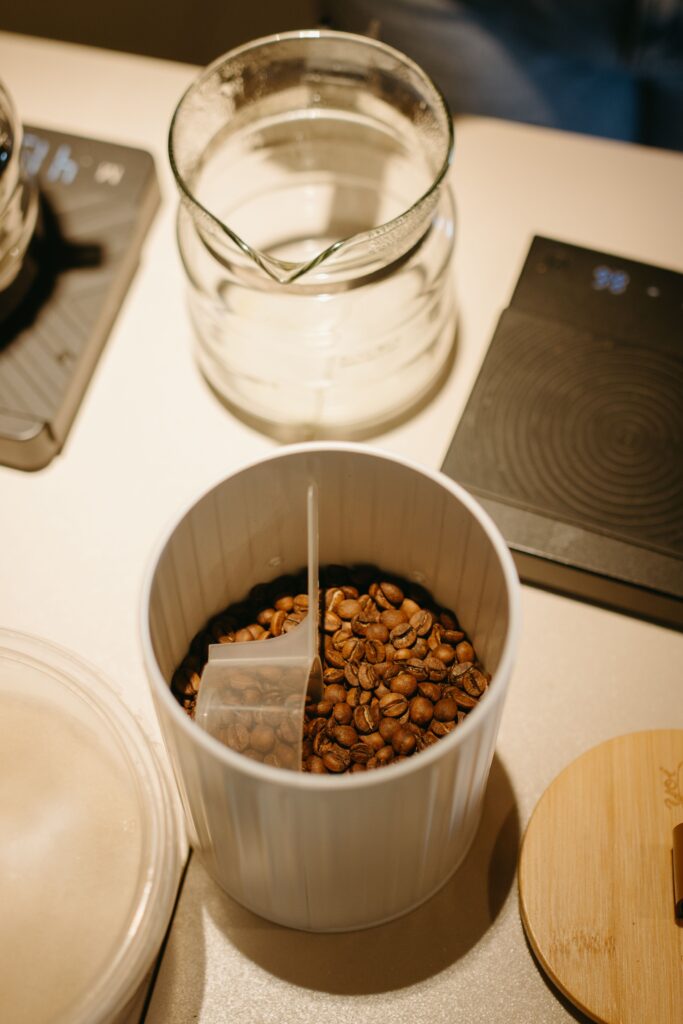
Coffee beans stored in a container on a kitchen counter
Kitchen & Dining

Airscape vs Fellow Atmos: Which Coffee Canister?

Disclosure: As an Amazon Associate, My Indoor Space may earn from qualifying purchases through links in this guide, at no extra cost to you.

A coffee canister cannot rescue stale beans. Its practical job is to make daily storage easy while reducing exposure to air, light, and moisture. Airscape Classic and Fellow’s manual Atmos take different routes: a plunger lowers the air space in one; a lid pump creates a vacuum in the other.

Quick verdict

Airscape Classic is the simpler choice for mixed pantry use or ground coffee. Manual Atmos suits whole-bean coffee drinkers who will maintain the vacuum seal. Fellow cautions against putting grounds or fine powders in Atmos because they can clog its valve. This recommendation is based on manufacturer instructions and fit, not home testing or a claim that either keeps beans fresh for an exact number of days.

How the lids change use

Choice Sealing routine Practical fit
Airscape Classic Push inner plunger down toward the contents; place outer lid Beans and other dry pantry goods; low-tech storage
Manual Fellow Atmos Twist the lid to pump out air; release it to open Whole beans and users willing to refresh the seal
Resealed original bag Press out air and clip or zip tightly Lower-cost starting point when beans are used quickly

Buy the size that matches your bag

Airscape’s Classic comes in 250 g and 500 g versions, approximately half-pound and pound bag sizes. Fellow lists 0.4 L, 0.7 L, and 1.2 L Atmos sizes; its 1.2 L version holds up to 16 ounces of light or medium roast beans, with less room for bulky dark roast. Those capacity figures are approximate. Look at your usual bag size before choosing a canister that will need a second container for the remainder.

What maintenance buys you

Fellow advises twisting a manual Atmos lid again every four to five days to maintain the vacuum. Its built-in pump cannot go in the dishwasher. Airscape calls for hand washing as well, but does not require a pumping routine. If you open the container many times a day, think about whether the extra lid step will become a habit or an annoyance.

Who buys and who skips

Airscape: Choose it for straightforward daily storage and the flexibility to store other dry goods. Skip if you specifically want a lid that indicates a vacuum seal. Atmos: Choose it for whole beans and a vacuum-oriented routine. Skip it for ground coffee, flour, sugar, or anyone unwilling to twist the lid periodically. Both belong away from heat and direct sunlight.

Best value

First improve the basics: buy a quantity you will use, close the bag tightly, and store it in a cool, dark cupboard. A canister earns its space when bags keep opening or the sealing routine is frustrating. The Airscape is the more flexible purchase; an Atmos upgrade makes sense when you prize a vacuum seal and accept its extra care.

Before you order

This comparison covers the manual, twist-lid Atmos, not Electric Atmos. Match the lid type and canister capacity when comparing listings. The Amazon buttons below open Airscape search results, not a fixed product listing; check the selected size, seller, and delivery country before buying. For the alternative, see Fellow’s Atmos model and size options.

Final winner

Airscape Classic wins for everyday versatility. Manual Atmos wins for a deliberate whole-bean coffee station. Check the exact model and size before ordering; a glass Atmos also needs protection from strong light.

Related: Baratza grinder comparison and OXO 8-Cup review guide.

Research: Airscape Classic design and care; Fellow Atmos sizes, use, and grounds warning.

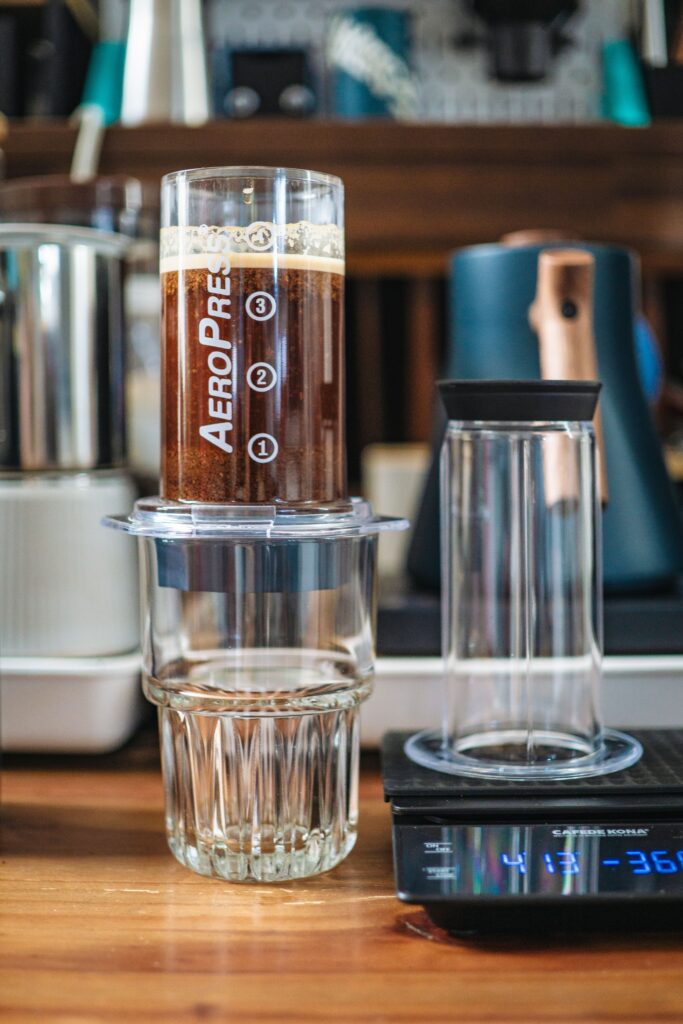
Manual coffee brewer preparing fresh coffee in a home kitchen
Kitchen & Dining

AeroPress Original vs XL: Which Size Makes Sense?

Disclosure: As an Amazon Associate, My Indoor Space may earn from qualifying purchases through links in this article, at no extra cost to you.

The AeroPress Original works neatly for one cup. Its XL sibling exists for people who kept making two batches or wanted to fill a large travel mug in one press. Capacity sounds like a simple upgrade, but the XL also changes the filter you buy and the vessel you press into.

Quick verdict

Original wins for one regular cup and minimal storage. It makes up to a 10-ounce brew by AeroPress’s specification. XL wins for two people or a larger single serving. It is rated for 20 ounces and includes a Tritan carafe. Those are maker specifications, not our measurements or hands-on tasting results.

The size difference changes the daily work

Choice For Watch for
Original One cup, small kitchen, occasional travel Two drinkers may need two separate presses
Original XL Two mugs in a single batch or a larger travel mug Larger body and XL-only filters
Drip coffee maker Several cups with little manual attention Counter space and more pieces to clean

Match capacity to your actual mugs

The stated 10-ounce and 20-ounce capacities refer to US fluid ounces: approximately 296 mL and 591 mL. Two 350 mL mugs need 700 mL in total, so even the XL does not fill both to the rim in one full-volume brew. Measure your usual serving before upgrading. Brewing a concentrate and adding water is a different recipe, not extra chamber capacity.

Filters are not interchangeable

The XL has a wider chamber and needs its own XL paper filters. AeroPress says its standard filters fit the Original and several other standard-size models, but not the XL. Its help page also explains that the lower production volume of XL filters can make each filter cost more. Add the local cost and availability of replacements to the purchase decision.

Press into a sturdy vessel

The XL comes with a 20-ounce Tritan carafe, which is the intended receiving vessel. AeroPress specifically advises against pressing the XL into a glass mug or carafe. With the Original, use only a sturdy mug or carafe and follow the same caution against delicate glass. The inverted brewing method adds a tipping and hot-water risk, so follow the maker’s upright instructions.

Who should buy and who should skip

Original: The person who brews a single 10-ounce-or-smaller serving and puts the brewer away afterward. Skip if you routinely repeat the process for another person. XL: A couple sharing a brew or someone wanting one bigger batch without a permanent countertop machine. Skip if you rarely use the capacity and do not want to stock a second filter size.

Value and upgrade

Buying a larger press does not improve every cup automatically. The Original is the lower-clutter value for a single drinker. The XL’s extra cost earns its place when it removes a second brewing and pressing cycle most mornings. You can grind enough beans and heat enough water for two Original brews together, so those steps are not automatically repeated. A full drip brewer is the more hands-off option when you regularly serve several people.

Final winner

Choose Original for one cup and XL for one press shared by two. Check filter availability in the US or Canada and whether the included carafe fits your serving routine before paying for more capacity.

Related: OXO 8-Cup for one or two and Encore grinder comparison.

Research: AeroPress Original; AeroPress Original XL, filter, and safety details.

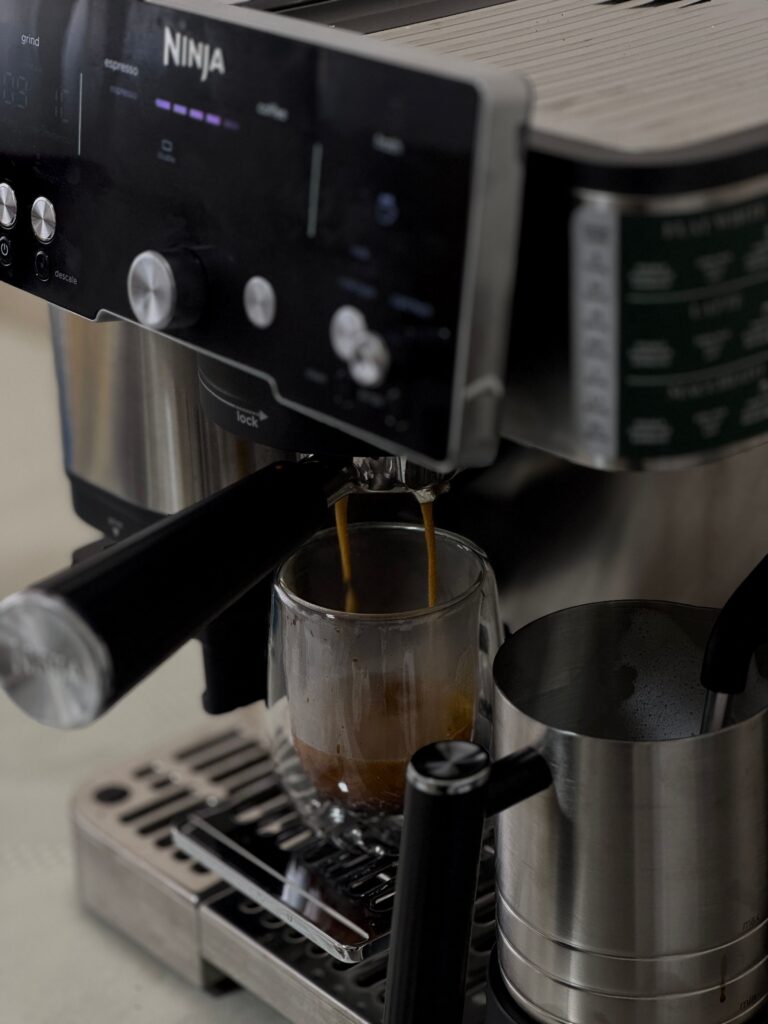
Compact espresso machine brewing coffee in a modern kitchen
Kitchen & Dining

Breville Bambino vs Bambino Plus: Is the Upgrade Worth It?

Disclosure: As an Amazon Associate, My Indoor Space may earn from qualifying purchases through links in this guide, at no extra cost to you.

Breville’s Bambino and Bambino Plus are compact espresso machines with very different approaches to milk. The extra money for the Plus is easiest to justify when you make cappuccinos and lattes regularly. If you mainly drink espresso and want to learn manual steaming, the basic Bambino can be the smarter purchase.

Quick verdict

Bambino: best value for espresso and hands-on milk practice. Bambino Plus: best for frequent milk drinks with less work. Breville specifies a 54 mm portafilter and rapid ThermoJet heat-up for both; the Plus adds an automatic steam wand with selectable milk temperature and texture. This verdict comes from published Breville documentation, not personal testing.

Which machine fits your routine?

Feature Bambino Bambino Plus
Milk texture Manual steam wand; you control the jug Automatic texture and temperature settings, with manual option
Espresso workflow One- and two-shot controls One- and two-shot controls
Who gains most Espresso drinker who wants lower entry cost Household making several milk drinks most days
Ongoing work Clean wand, tray, baskets, and descale Same core care, plus keep auto-steam sensor area clean

Pay for the milk routine you actually use

On the Bambino, positioning the milk jug and ending the steam at the right point are part of the job. The Plus can steam hands-free and offers three temperature settings and three texture levels according to Breville. That reduces the learning curve for lattes shared by a household. It does not eliminate wiping and purging the wand or cleaning the machine.

Espresso needs a grinder, not just a machine

Breville’s 54 mm portafilter is paired with single-wall and dual-wall filter options. If you plan to dial in single-wall baskets with fresh beans, reserve money and counter space for a capable grinder. Spending the entire budget on the Plus while relying on inconsistent grounds may be a poor trade. A pressurized dual-wall basket is more forgiving for beginners and pre-ground coffee; check what your exact package includes.

Check the baskets included in your country

Breville’s Canadian Bambino accessory list names dual-wall baskets, while its US list names both single-wall and dual-wall baskets. The Plus lists both types in Canada and the US. Confirm the exact box contents with the seller before budgeting for fresh-ground espresso in a single-wall basket; compatibility does not guarantee that basket is included.

Small-kitchen reality check

Breville lists the Bambino at 30.2 × 15.4 × 34.2 cm, but measure the whole working zone: grinder, tamping area, milk jug, cup, knock bin, and reservoir access. A narrow espresso machine does not make the entire routine narrow. Breville’s Canadian page lists the Plus at 30.3 × 18.8 × 36.2 cm. Allow room to lift the water tank and move the steam wand; the machine’s body measurements alone are not the working clearance.

Who buys and who skips

Choose Bambino when you drink straight espresso or are happy to practice manual steaming. Skip the Plus premium if its automated milk feature will sit idle. Choose Plus for regular milk drinks, multiple people, or a preference for consistent, repeatable milk texture. Skip both if you want the convenience of a pod with almost no daily cleanup; semi-automatic espresso takes more steps.

Best value and upgrade worth

The basic Bambino is the value choice for espresso. The Plus earns its extra cost when the automatic milk function is used often enough to change the morning routine. Compare current US and Canadian prices and the contents of each box; do not treat a brief promotion as a permanent price gap.

Final winner

For most espresso-first buyers, the Bambino wins on value. For households that make lattes every day, the Bambino Plus wins on convenience. Either way, budget for fresh beans, a suitable grinder, and cleaning supplies.

Related: Encore vs Encore ESP grinders and digital kitchen scale basics.

Research: Breville Bambino specifications; Breville Bambino Plus specifications.

Coffee maker on a warm home kitchen counter
Kitchen & Dining

Is the OXO Brew 8-Cup Worth It for One or Two?

Disclosure: As an Amazon Associate, My Indoor Space may earn from qualifying purchases through links in this guide, at no extra cost to you.

An eight-cup coffee maker sounds oversized for one person until you realize that some full-pot brewers handle a single mug poorly. OXO’s Brew 8-Cup is designed to switch between a carafe and a mug without using pods. That makes it interesting for a small household whose weekday and weekend routines differ.

Quick verdict

Worth it for one or two people who alternate between a mug and a carafe. Its separate single-serve accessory and adjustable mug well are the reason to buy it. If you always brew one small cup and enjoy a hands-on routine, a manual brewer occupies less counter space and costs less. This is a research-based assessment of OXO’s published features; we have not tested the appliance.

Which routine matches it?

Option Best for Give-up
OXO Brew 8-Cup One mug on workdays, several cups on weekends Takes permanent counter space and uses paper filters
Small basic drip brewer A modest pot every day Check how it performs with less than a full batch
Manual press or pour-over One cup and minimal storage Requires a kettle, attention, and manual cleanup

The podless single-cup feature is the point

OXO supplies a single-serve brew accessory that sits in the larger basket, and the well cover can be repositioned for a short mug or removed for a taller travel mug. You still add grounds and a filter. The benefit is brewing a smaller amount without buying sealed pods; the trade-off is washing the accessory and disposing of grounds.

Thermal carafe instead of a hot plate

The double-wall insulated carafe is designed to hold heat rather than reheat coffee over a burner. Preheating the carafe with hot water can help if you drink slowly. OXO recommends hand washing the carafe and lid; the removable brew baskets, scoop, well cover, and showerhead are listed as top-rack dishwasher safe. Check the exact manual for your model before washing anything.

Measure more than the footprint

OXO lists dimensions of 13.5 by 10.5 by 7 inches, but check the orientation of each figure on the product drawing and leave room above for filling the water reservoir. A brewer that fits under a cabinet but cannot be filled in place may become inconvenient. Plan a nearby space to set down the hot carafe and the wet filter basket.

Who buys, who skips

Buy: A one- or two-person household that entertains or wants a travel mug in the morning and a pot on slower days. Skip: Someone who makes only one small cup daily, rarely has guests, or cannot spare a spot on the counter. If a built-in grinder or programmed start time is essential to you, verify those functions separately; do not assume the 8-Cup includes them.

Best value and upgrade

For a single daily cup, an AeroPress matched to your serving size or a simple pour-over plus a kettle can keep the setup smaller. Compare the total cost, including a kettle if you do not already own one. OXO earns its higher appliance cost when both brewing sizes are used frequently and pressing a button is worth the counter space. Buying a brewer with more cup capacity alone is not an upgrade for a small household.

Which 8-Cup model is this?

This guide covers OXO’s thermal-carafe model, SKU 8718800. Match that model and carafe type to the seller’s listing. The shopping buttons open search results, which can include other OXO brewers and replacement parts.

Before checkout

  • Confirm the listing is the thermal-carafe 8-Cup model, since OXO also sells a glass-carafe version.
  • Check whether the single-serve accessory is included with the exact listing.
  • Compare cabinet clearance, filter type, return terms, and current availability in your country.

Final winner

The OXO Brew 8-Cup wins for the household that truly uses both a single mug and a carafe. For one cup every day, buy a compact manual brewer and keep the counter open.

Related: Encore versus Encore ESP grinder and electric kettle buying guide.

Source: OXO Brew 8-Cup features, dimensions, and care instructions.

Scroll to Top