Kitchen & Dining

Practical ideas and products for cooking, dining and everyday kitchen life.

Chocolate chip cookies resting on a cooling rack
Kitchen & Dining

Nordic Ware Quarter vs Eighth Sheet Pan: Which Small Size Should You Buy?

As an Amazon Associate, My Indoor Space earns from qualifying purchases.

Quick verdict

Buy the quarter sheet for a useful small all-round tray if it fits your oven. Buy the eighth sheet for one small portion, ingredient prep or a countertop oven that cannot take the larger pan. The smaller pan is a size choice, not an automatic cooking-performance upgrade. Compare uncoated Naturals with uncoated Naturals, because nonstick versions are separate products.

Research-based buying guide, researched October 18, 2026. We have not tested these products hands-on. Manufacturer specifications and attributed owner experiences inform the recommendations.
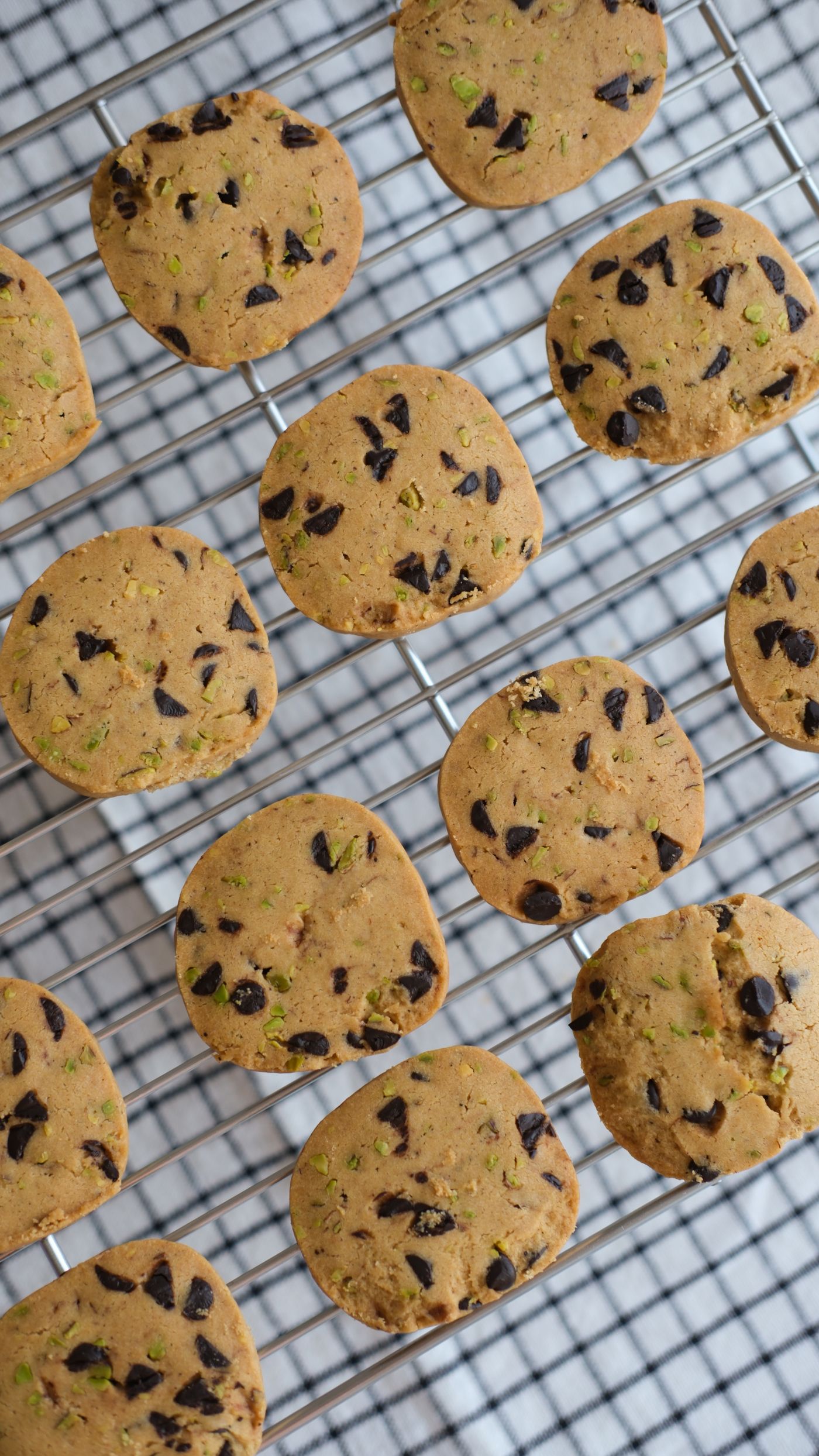
Cookies resting on a cooling rack
Home-baking context; the Nordic Ware sheet pans are not pictured.

Who should buyβ€”and who should skip

Buy if: a full-size tray is cumbersome for your usual meals, or you want separate trays for foods with different cooking times.

Skip if: your existing pan already fits the oven and the food comfortably, or downsizing would crowd the meal.

Compare the practical differences

Option Best reason to choose it Main tradeoff
Naturals quarter sheet Small meals and more working area Needs more oven clearance
Naturals eighth sheet Tiny batches and countertop-oven tasks Easy to overcrowd
Existing larger tray Enough separation for a full meal More pan to store and clean

Outside dimensions decide whether it fits

Nordic Ware’s comparison page lists outside sizes of about 13 Γ— 9.6 Γ— 1.1 inches for the quarter sheet and 10.1 Γ— 7 Γ— 1.1 inches for the eighth. Those are more useful for oven fit than the smaller interior dimensions a retailer may put in a headline.

Measure the usable rack and consult the oven’s clearance rules, including space around elements and walls. Check that you can insert and remove the pan without tilting food or touching the heating assembly. A tray fitting through the door does not establish that its use is approved by the appliance maker.

Choose for the food layout, not just the serving count

A single portion of roast vegetables can need more surface area than two compact sandwiches. Spread out a typical meal on paper cut to the pan’s approximate inside size. If the food is crowded before cooking begins, the smaller pan is unlikely to be the convenient choice.

Two smaller trays can be useful when foods finish at different times, provided the oven allows the arrangement. That does not mean two small pans always replace one larger tray efficiently. Check the actual rack layout and leave the circulation space the appliance requires.

Uncoated aluminum has a different care routine

The Naturals products compared here are uncoated aluminum, not the similarly named nonstick range. Follow the maker’s preparation and hand-washing guidance. Choose liners appropriate for the recipe and appliance when needed, rather than assuming that bare aluminum behaves like a coated sheet.

Expect appearance changes with use rather than treating every stain as a failure. Product-specific care matters: abrasive cleaning or dishwasher use can change the finish. We have not tested release, warping or browning on these two sizes side by side.

When the smaller size earns its cost

The Kitchn’s firsthand quarter-sheet and eighth-sheet pieces describe practical small-batch uses. Those experiences support the convenience argument, but they do not prove an energy saving from buying a smaller tray. The oven and cooking routine determine that outcome.

Start with one size that fills a gap. A set is good value only if you will use its pieces. If you already own a suitable quarter sheet, buy an eighth only for a recurring smaller task; do not replace the quarter just to match a compact appliance aesthetic.

Buying in the United States or Canada

Compare outside dimensions, uncoated versus nonstick finish, and single-pan versus multipack offers. Canadian retailers also stock Naturals small pans, so compare local delivered prices before paying import shipping. Verify that a rack shown in a photo is actually included.

The buttons open country-specific Amazon searches. Check the exact model, seller, included parts, delivered cost and return policy in the results; a similar name does not establish that it is the same version. No fixed Amazon price or stock level is promised.

Questions before you order

Is an eighth sheet half a quarter sheet?
The names indicate a size family. Use the actual dimensions and usable interior rather than assuming exact area ratios.

Will it fit every toaster oven?
No. Measure and follow the specific oven manufacturer’s clearance and cookware guidance.

Final buying decision

Quarter sheet is the more flexible first small tray when it fits. Eighth sheet is the deliberate compact choice for jobs that truly fit its surface. Keep a larger pan when spacing the food matters more.


Related guides

Sources and research

Oysters served with lemon slices on a pink plate
Kitchen & Dining

Is the OXO Oyster Knife Worth It for Shucking at Home?

Disclosure: As an Amazon Associate, My Indoor Space earns from qualifying purchases.

Quick verdict

The OXO oyster knife is worth considering when you regularly open oysters and want a purpose-made bent-tip tool with a substantial grip. Keep a suitable shucker that already feels controlled in your hand. If you only serve oysters occasionally and do not want to learn the handling, buying them prepared for the planned dish may be the better choice.

Research-based buying guide. Checked October 17, 2026. We have not tested these products hands-on. Manufacturer information, attributed external findings and our editorial judgments are distinguished below.

Oysters served with lemon slices on a pink plate
Oyster-serving context; the OXO knife is not pictured and this is not a demonstration of shucking technique. Stock photo: Pexels.

Which option fits your routine?

Choice Choose it for Tradeoff
OXO oyster knife Repeated shucking with a suitable technique Grip preference and hand protection matter
Existing suitable shucker A working tool you already control No automatic benefit from changing brands
Prepared oysters for the dish Avoiding the shell-opening task Different buying, storage and presentation needs

Buy the purpose-made tool, not just a short knife

OXO identifies this bent-tip stainless steel oyster knife as SKU 35681. Its soft handle and blade shape are intended for oyster shells. The checked listings refer to this knife, not a seafood-scissors set or a knife-and-glove bundle.

Oyster opening is a different task from slicing with a kitchen knife. Select an appropriate shucker and learn a suitable method instead of improvising with an unrelated blade. The OXO shape may appeal to you without being the preferred tool for every shell or user.

Grip descriptions do not replace control

The maker describes the handle as non-slip, including when wet. Treat that as a design claim, not a guarantee that hands cannot slip or be injured. A secure working position, appropriate hand protection and a technique learned from competent instruction remain part of the task.

Check the handle fit and whether you can control the tip before committing to a large batch. We have not tested opening force, fatigue, slip resistance or the knife’s performance across different oyster types. No injury-proof or effortless-opening claim is justified.

Decide how often you will actually shuck

A dedicated oyster knife makes more sense for someone who repeatedly buys shell-on oysters than for one party with no established routine. Include learning, suitable protection, a stable preparation arrangement and cleanup in the decision, rather than comparing only the price of the knife.

For occasional serving, consider whether a supplier-prepared option suits the recipe and its food-handling requirements. The knife does not determine how oysters should be stored, cooked or served, and a photograph of open oysters is not a food-safety instruction.

Cleaning and the upgrade decision

OXO marks this model dishwasher safe. Follow its supplied care directions, inspect the blade and handle, and store it where the tip cannot catch someone reaching into a drawer. Keep an existing suitable tool when its condition and handling are sound.

Buy OXO when the bent tip and grip are the specific features you want for repeated use. Skip an extra knife when it duplicates one you already like. Compare the exact model, included items, delivered cost and return terms separately in the United States and Canada; a larger seafood bundle is only useful if you need its other pieces.

Buying in the United States or Canada

Choose the button for your country and compare the exact model, included parts, seller, delivered cost and return terms. Offers and replacement-part availability can differ between Amazon USA and Canada. Confirm regional manufacturer support before relying on a guarantee for an imported product. We do not promise stock, a fixed price or delivery to every address.

Related guides on My Indoor Space

Sources and research

Specifications establish stated features, not independent proof of performance. We base our value judgments on the task, fit, upkeep and alternatives. External experiences are attributed to their sources; no personal testing or measured savings is claimed.

Person grating lemon zest into a bowl
Kitchen & Dining

Is the OXO Citrus Zester with Channel Knife Worth It for Garnishes?

Disclosure: As an Amazon Associate, My Indoor Space earns from qualifying purchases.

Quick verdict

This OXO citrus tool is worth considering when you regularly want narrow strips and twists for garnishes as well as zest. A rasp is the better first choice for the finely grated texture called for by many recipes. Keep a suitable peeler if wider peel pieces already meet your needs.

Research-based buying guide. Checked October 17, 2026. We have not tested these products hands-on. Manufacturer information, attributed external findings and our editorial judgments are distinguished below.

Person grating lemon zest into a bowl
Rasp-zesting context; the pictured rasp is a different tool from the reviewed OXO channel-knife zester. Stock photo: Pexels.

Which option fits your routine?

Choice Choose it for Tradeoff
Channel-knife zester Narrow strips, twists and citrus zest A specific cutting shape and cleanup
Rasp zester Fine grated zest for a recipe Not the same strip-making action
Existing vegetable peeler Wider pieces of peel May need additional shaping

Choose the output before choosing the tool

OXO describes two working functions: holes for zesting citrus and a channel knife for strips or twists. The checked model is 11261400. It is not the company’s long etched rasp grater, even though both products may be called a zester.

Picture what the recipe or drink needs. A fine grated zest, a narrow ribbon and a broad piece of peel have different appearances and handling. Buying a channel knife will not automatically replace a rasp for every citrus recipe.

Frequent garnish making is the stronger value case

A specialized strip-cutting action can be convenient if you repeatedly finish drinks or plated desserts in the same style. For an occasional family meal, an existing peeler or simply omitting an optional decorative twist may be enough.

Practice on suitable fruit before preparing an important presentation. Fruit condition and technique affect the result. We have not tested strip consistency, speed, peel yield or how much pith remains, so no perfect-garnish or waste-reduction claim is made.

Check the head and handle you are buying

OXO specifies a stainless steel working head and a soft grip. Confirm that both the zesting holes and channel opening are present in the listing you choose; a similarly named lemon peeler may have a different arrangement.

Comfort is individual. Check whether you can see and control the cutting area and keep fingers clear of it. A grip described as non-slip still requires ordinary care and a stable preparation routine. Do not interpret a marketing feature as protection from careless cutting.

Cleaning and whether to upgrade

Inspect the small holes and channel after use so trapped peel does not remain. Follow the supplied care instructions for the exact model rather than assuming every citrus tool has the same finish or washing requirements.

Buy when narrow citrus strips are a repeated task your existing tools handle awkwardly. Skip it when you mainly need finely grated zest or already like the strips from another suitable tool. Keep a serviceable zester and compare the exact single tool, seller and delivered cost in each country before paying for a larger barware bundle.

Buying in the United States or Canada

Choose the button for your country and compare the exact model, included parts, seller, delivered cost and return terms. Offers and replacement-part availability can differ between Amazon USA and Canada. Confirm regional manufacturer support before relying on a guarantee for an imported product. We do not promise stock, a fixed price or delivery to every address.

Related guides on My Indoor Space

Sources and research

Specifications establish stated features, not independent proof of performance. We base our value judgments on the task, fit, upkeep and alternatives. External experiences are attributed to their sources; no personal testing or measured savings is claimed.

Person spreading frosting on a cake
Kitchen & Dining

Is the Wilton Adjustable Cake Leveler Worth It Instead of a Knife?

Disclosure: As an Amazon Associate, My Indoor Space earns from qualifying purchases.

Quick verdict

Wilton’s adjustable leveler is worth considering if you regularly trim or split suitable small cakes and prefer a wire guided by feet on the work surface. A serrated knife is enough when you already get a controlled result. The key buying limit is the cake size, not the larger outside dimensions used in some listing titles.

Research-based buying guide. Checked October 17, 2026. We have not tested these products hands-on. Manufacturer information, attributed external findings and our editorial judgments are distinguished below.

Person spreading frosting on a cake
Cake-decorating context; the Wilton leveler and its cutting action are not pictured. Stock photo: Pexels.

Which option fits your routine?

Choice Choose it for Tradeoff
Wilton small leveler Repeated guided cuts on suitable small cakes Cake diameter and cutting-height limits
Serrated knife A method you already control Requires maintaining the chosen cutting plane
Different larger leveler A confirmed need beyond this model’s capacity More size and cost may be unnecessary

Ten-inch cakes and a twelve-inch tool are not contradictory

Wilton’s current guidance calls this a 12 x 6.25 inch tool while specifying cakes ten inches and smaller and height adjustment up to two inches. The checked Canadian listing uses the title Small Cake Leveler, 10-Inch. Those descriptions refer to different aspects of size.

Match the model and actual cake capacity rather than assuming the largest number in a title is the diameter it can cut. A taller or wider cake may need a different setup. Also check the intended height of each cut, not only the finished cake’s overall height.

A guided wire still needs the right working conditions

Wilton describes setting the wire in the desired notches and keeping the feet on the work surface while using a sawing motion. Follow the directions for the supplied version and work on a stable, level surface.

The cake’s condition matters too. Use the recipe’s cooling and handling guidance rather than forcing a wire through a fragile or unsuitable cake. We have not tested crumbling, layer consistency or cutting performance across different cake recipes.

Compare it with a knife you already use

A leveler can make the cutting reference easier to maintain for some bakers. It cannot guarantee an even cake if the tool is set incorrectly or the work surface is unsuitable. Decide whether maintaining the cutting plane is your actual difficulty.

Keep a suitable knife when your existing technique gives the result you need. A dedicated leveler becomes more persuasive for repeated layer cakes, not a single occasional dessert whose slight dome does not matter to the planned presentation.

Check cleanup, storage and the upgrade decision

Care descriptions vary between seller listings, so follow the instructions supplied with the exact tool. Keep the wire and settings clean, inspect the tool’s condition and store it where its working parts will not be bent or snagged.

Buy when its capacity matches your cakes and you want the guided action. Skip it if your cakes exceed the stated limits or a knife already serves you well. Keep a sound existing leveler, and compare exact model, delivered cost and return terms separately in the USA and Canada.

Buying in the United States or Canada

Choose the button for your country and compare the exact model, included parts, seller, delivered cost and return terms. Offers and replacement-part availability can differ between Amazon USA and Canada. Confirm regional manufacturer support before relying on a guarantee for an imported product. We do not promise stock, a fixed price or delivery to every address.

Related guides on My Indoor Space

Sources and research

Specifications establish stated features, not independent proof of performance. We base our value judgments on the task, fit, upkeep and alternatives. External experiences are attributed to their sources; no personal testing or measured savings is claimed.

Person spreading frosting on a cake
Kitchen & Dining

Is the Nordic Ware Cake Lifter Worth It for Moving Whole Cakes?

Disclosure: As an Amazon Associate, My Indoor Space earns from qualifying purchases.

Quick verdict

Nordic Ware’s cake lifter is worth considering when you repeatedly transfer whole baked cakes and want a broad supporting blade. A suitable cake board may already solve the task more simply. A small icing spatula is not an equivalent support for a whole cake, and no lifter guarantees that a fragile cake cannot crack.

Research-based buying guide. Checked October 17, 2026. We have not tested these products hands-on. Manufacturer information, attributed external findings and our editorial judgments are distinguished below.

Person spreading frosting on a cake
Cake-decorating context; the Nordic Ware lifter is not pictured and this photo does not demonstrate a supported transfer. Stock photo: Pexels.

Which option fits your routine?

Choice Choose it for Tradeoff
Nordic Ware broad lifter Repeated whole-cake transfers Large blade, handle clearance and hand washing
Suitable cake board Support that can remain under the cake Board size and presentation need planning
Small icing spatula Spreading or small supported adjustments Not the same whole-cake supporting area

Measure more than the blade width

Nordic Ware’s 02143 lifter combines a stainless steel blade with a beechwood handle. The maker lists an overall length around 16.4 inches and width around ten inches. This is a substantial utensil rather than an ordinary slice server.

Check the cake, receiving platter and approach path. A broad blade needs space to get underneath and then withdraw without meeting a raised rim. Consider the whole movement before assuming a lifter makes every pan-to-stand transfer straightforward.

Support depends on the cake and the setup

The manufacturer positions the tool for Bundt cakes, layers and other baked goods. That is an intended-use statement, not a load rating or a guarantee for every oversized, filled or delicate cake.

Follow the cake’s cooling and handling instructions and consider whether it should remain on a suitable board. A very thin layer and a whole dense ring cake are different jobs. We have not tested cracking, lifting weight or sliding friction, so no universal transfer-success claim is made.

A board may be the cheaper-enough answer

If a cake can remain on its board from assembly through serving, you may avoid the transfer step that prompted the purchase. That can be practical for an occasional celebration cake. Check that the board is suitable and fits the final stand or carrier.

Buy a broad lifter when removing a temporary support or moving a whole cake is genuinely a repeated part of your routine. It should solve a handling step, rather than merely duplicate an existing arrangement that already keeps the cake supported.

Plan storage and care

Nordic Ware recommends hand washing to protect the wooden handle and gives preparation guidance for helping cakes slide. Follow the current instructions for your tool rather than assuming the stainless blade makes the whole utensil dishwasher safe.

Dry and store it where the broad edge and handle are easy to retrieve. Keep a serviceable existing lifter if it fits your cakes and is comfortable to control. Compare model, overall size, delivered price and returns in each country before paying for a professional-looking accessory you may rarely use.

Buying in the United States or Canada

Choose the button for your country and compare the exact model, included parts, seller, delivered cost and return terms. Offers and replacement-part availability can differ between Amazon USA and Canada. Confirm regional manufacturer support before relying on a guarantee for an imported product. We do not promise stock, a fixed price or delivery to every address.

Related guides on My Indoor Space

Sources and research

Specifications establish stated features, not independent proof of performance. We base our value judgments on the task, fit, upkeep and alternatives. External experiences are attributed to their sources; no personal testing or measured savings is claimed.

Homemade Bundt cake on a serving plate
Kitchen & Dining

Is the Nordic Ware ProForm 12-Cup Bundt Pan Worth It?

Disclosure: As an Amazon Associate, My Indoor Space earns from qualifying purchases.

Quick verdict

The ProForm 12-cup Bundt is worth considering when you want a traditional fluted ring cake from a lightweight formed-aluminum pan. Keep a round pan for recipes designed for that shape. A heavier cast Bundt is an optional upgrade for a particular design or handling preference, not an automatic requirement for occasional baking.

Research-based buying guide. Checked October 17, 2026. We have not tested these products hands-on. Manufacturer information, attributed external findings and our editorial judgments are distinguished below.

Homemade Bundt cake on a serving plate
Bundt-cake context; the Nordic Ware ProForm pan is not pictured and this is not a cake from our testing. Stock photo: Pexels.

Which option fits your routine?

Choice Choose it for Tradeoff
ProForm 12-cup Bundt A lightweight traditional fluted cake shape Pan preparation and hand washing
Existing round cake pan A recipe designed for a round layer Different shape and baking arrangement
Cast-aluminum Bundt A chosen pattern or heavier construction Higher cost and weight may be unnecessary

Match the 50342 model and recipe

Nordic Ware identifies the handled ProForm Anniversary pan as 50342, made from lightweight formed aluminum with a nominal twelve-cup capacity. It is different from the heavier cast-aluminum Anniversary models. Check the exact model rather than assuming every Nordic Ware Bundt listing has the same construction.

Nominal capacity is not an instruction to fill the pan with twelve cups of batter. Use a recipe intended for the pan and follow its fill and baking guidance. A center tube and fluted walls change the arrangement compared with a plain round pan.

Prepare the surface even though it is nonstick

The manufacturer recommends greasing and flouring before use and gives a 425Β°F oven limit on the current product page. Follow the care directions supplied with your exact pan and your recipe’s temperature instructions.

Nonstick is not a guarantee that every batter will release without preparation. Attend to the details around the center tube and flutes and use the recipe’s cooling and unmolding process. We have not tested release, browning, baking time or performance against a cast pan.

Allow for the whole pan in storage

A ring pan occupies more three-dimensional cupboard space than a thin baking sheet. Check the outside dimensions and handles against your shelf, sink and oven arrangement. Choose a pan you can grip with appropriate oven protection.

Nordic Ware recommends hand washing and avoiding metal utensils and abrasive cleaning. Consider that upkeep before buying if your routine depends on putting every piece of bakeware in the dishwasher. A decorative shape is not worth much if cleaning makes you avoid using it.

When a cast upgrade or another pan is unnecessary

Buy ProForm when the lightweight design and traditional shape meet a recurring baking plan. Keep an existing sound Bundt if you like its results and it matches your recipes. Choose a cast model for a specific pattern or construction preference you value.

Skip a Bundt entirely when you mainly bake layer cakes or already have a suitable pan for your recipes. Do not assume a differently shaped pan is a direct substitution without recipe guidance. Compare the country-specific delivered price and care requirements rather than buying additional bakeware solely for a discounted listing.

Buying in the United States or Canada

The USA and Canada links identify the checked twelve-cup ProForm listing. A purchasable USA offer was not confirmed during our check. Confirm exact model, seller, current pan instructions, delivered cost and returns; a live listing does not guarantee stock or delivery. Do not assume an imported or cast-aluminum substitute is the same product.

Related guides on My Indoor Space

Sources and research

Specifications establish stated features, not independent proof of performance. We base our value judgments on the task, fit, upkeep and alternatives. External experiences are attributed to their sources; no personal testing or measured savings is claimed.

Fresh mango slices served on a white plate
Kitchen & Dining

Is the OXO Mango Slicer with Scoop Worth It Instead of a Knife?

Disclosure: As an Amazon Associate, My Indoor Space earns from qualifying purchases.

Quick verdict

The OXO Mango Slicer with Scoop is worth considering if you prepare mango often and like one tool for slicing, scoring and scooping. A suitable knife and spoon are enough if you already handle the fruit comfortably. This is the 11305600 slicer-and-scoop design, not the older press-down mango splitter.

Research-based buying guide. Checked October 17, 2026. We have not tested these products hands-on. Manufacturer information, attributed external findings and our editorial judgments are distinguished below.

Fresh mango slices served on a white plate
Sliced-mango context; the OXO tool is not pictured and these slices are not from our testing. Stock photo: Pexels.

Which option fits your routine?

Choice Choose it for Tradeoff
Slicer with Scoop 11305600 A combined slicing and scooping routine Still requires working around the pit
Knife and spoon Occasional mango using existing utensils Two tools and your preferred technique
Press-down splitter A different pit-removal action Fit and fruit shape affect that separate tool

Know which OXO mango tool is linked

OXO describes a serrated slicing end and a scoop for removing flesh from the skin. The current maker page identifies SKU 11305600. The older orange mango splitter is a different design, despite similar listing words such as slicer, corer and splitter.

Check the photograph and model before ordering. This tool does not press around a pit in one downward action. You still choose where to slice around the fruit’s broad pit and how to remove the edible flesh.

Judge the combined workflow against your own method

The appeal is moving between scoring and scooping without collecting several utensils. That may help when mango appears regularly in snacks or meal preparation. It is less persuasive when you cut one fruit occasionally and already use a knife and spoon successfully.

Fruit ripeness and shape can change the handling. A tool cannot make every mango behave identically or guarantee that all flesh comes away cleanly. We have not measured preparation time, usable yield or the amount left around the pit.

Check control and cleaning

The manufacturer describes a plastic slicing blade and marks the tool dishwasher safe. Although its marketing calls the blade safe to touch, treat it as a cutting tool, maintain a stable preparation setup and follow the actual use instructions.

Inspect the scoop and serrations after washing. A longer combined utensil also needs a sensible drawer position. If the tool is awkward to grasp or store in your kitchen, combining functions may not be an improvement over the utensils you already use.

When to buy or skip

Buy for frequent mango preparation when the two working ends suit your handling preference. Skip it if a knife and spoon already give you enough control or if you are shopping specifically for a press-down splitter.

Keep a sound existing tool rather than replacing it for a revised title or package image. Compare the exact model and delivered price in the USA and Canada. Do not base the decision on an unmeasured claim of less waste, faster preparation or universal ease.

Buying in the United States or Canada

Choose the button for your country and compare the exact model, included parts, seller, delivered cost and return terms. Offers and replacement-part availability can differ between Amazon USA and Canada. Confirm regional manufacturer support before relying on a guarantee for an imported product. We do not promise stock, a fixed price or delivery to every address.

Related guides on My Indoor Space

Sources and research

Specifications establish stated features, not independent proof of performance. We base our value judgments on the task, fit, upkeep and alternatives. External experiences are attributed to their sources; no personal testing or measured savings is claimed.

Raw chicken breasts with herbs on a preparation board
Kitchen & Dining

Is the OXO Meat Tenderizer Worth It for Flattening Cutlets?

Disclosure: As an Amazon Associate, My Indoor Space earns from qualifying purchases.

Quick verdict

The OXO 11285000 meat tenderizer is worth considering when you regularly flatten boneless cutlets and want a dedicated two-sided mallet. Keep an existing suitable tool if it already gives controlled results. Choose the smooth or textured face for the intended task; the product does not guarantee tenderness regardless of the cut or cooking method.

Research-based buying guide. Checked October 17, 2026. We have not tested these products hands-on. Manufacturer information, attributed external findings and our editorial judgments are distinguished below.

Raw chicken breasts with herbs on a preparation board
Chicken-preparation context; the OXO tenderizer and its use are not pictured. Stock photo: Pexels.

Which option fits your routine?

Choice Choose it for Tradeoff
OXO two-sided mallet Repeated flattening or textured pounding Needs a suitable board and thorough cleaning
Existing suitable pounding tool Occasional controlled flattening Check its condition and food-contact suitability
Bladed tenderizer A different method specified by a recipe Different action, care and food-handling considerations

Buy the correct mallet version

OXO identifies the 11285000 version with a smooth face and a textured face carrying pyramid-shaped teeth. It is separate from the company’s die-cast and bladed tenderizers. Similar names do not make those products interchangeable.

The flat face is intended for flattening, while the textured face provides another pounding surface. Decide what the recipe needs before using either. A lighter-looking product photograph or a lower listing price does not tell you which construction and head you are buying.

Control matters more than striking harder

Use a stable, suitable preparation surface and follow the tool and recipe instructions. The goal for a cutlet is an appropriate, reasonably consistent thickness, not maximum force. Keep hands clear of the working area and contain splashes with an arrangement suitable for the task.

If the existing setup moves, makes the work awkward or risks damaging the counter, address that before buying a different handle. We have not measured required force, noise, effort or the uniformity produced by this mallet.

Allow for raw-food cleanup

OXO lists this model as dishwasher safe. The head, textured face and handle still need appropriate cleaning after food contact. Inspect the teeth and joints and follow the supplied care directions rather than treating the smooth-looking outer surface as self-cleaning.

A pounding tool does not change the food’s cooking and handling requirements. Keep the preparation area organized so items used with raw food are not mixed with ready-to-eat food or serving utensils. This guide does not establish a cooking-temperature shortcut.

When a dedicated tool is worth the drawer space

Buy when flattened cutlets are a repeated part of your meals and a purpose-made mallet improves control over your current suitable method. Skip it if you rarely pound meat or already own a comfortable serviceable tool.

Replace a damaged or unsuitable tool for a specific reason. A second mallet is a weaker purchase if it merely duplicates a sound one. Compare the exact 11285000 model, delivered cost and returns in each country, without assuming that a pricier construction guarantees a better meal.

Buying in the United States or Canada

Choose the button for your country and compare the exact model, included parts, seller, delivered cost and return terms. Offers and replacement-part availability can differ between Amazon USA and Canada. Confirm regional manufacturer support before relying on a guarantee for an imported product. We do not promise stock, a fixed price or delivery to every address.

Related guides on My Indoor Space

Sources and research

Specifications establish stated features, not independent proof of performance. We base our value judgments on the task, fit, upkeep and alternatives. External experiences are attributed to their sources; no personal testing or measured savings is claimed.

Roasted chicken served with salad and side dishes
Kitchen & Dining

Is the OXO Angled Turkey Baster Worth It Instead of a Spoon?

Disclosure: As an Amazon Associate, My Indoor Space earns from qualifying purchases.

Quick verdict

The OXO angled baster is worth considering when you regularly transfer pan juices and a spoon is awkward in your roasting pan. A spoon or a sound existing baster is enough for occasional use. The angle and cleaning access are the buying reasons; no baster guarantees a juicier roast or correct doneness.

Research-based buying guide. Checked October 17, 2026. We have not tested these products hands-on. Manufacturer information, attributed external findings and our editorial judgments are distinguished below.

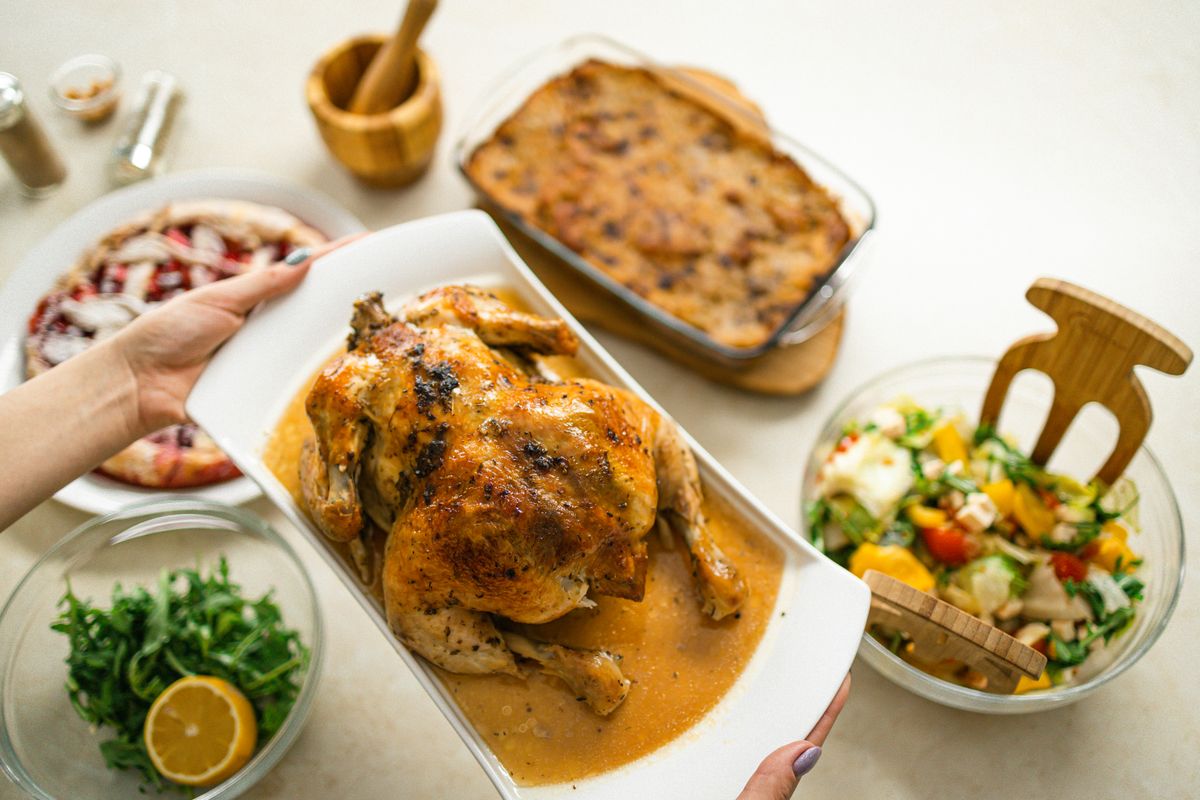
Roasted chicken served with salad and side dishes
Roast-chicken context; the OXO baster is not pictured and this food was not prepared in our testing. Stock photo: Pexels.

Which option fits your routine?

Choice Choose it for Tradeoff
OXO angled baster Drawing juices from a suitable pan position Another tool and brush to clean
Spoon An accessible pan and occasional basting Requires a comfortable reach
Existing straight baster A routine that already works Angle may be less convenient in some pans

Check reach without assuming every pan fits

OXO’s 11111800 has an angled tip, a silicone bulb, measurement markings and an integrated stand intended to limit rolling. The maker lists the baster at approximately twelve inches long. The checked offer includes the cleaning brush.

Compare that shape with your actual pan depth and working position. An angle can be useful without making every reach convenient. Prepare a stable place to set the tool and follow the supplied use guidance rather than assuming a product photo proves a comfortable setup in your oven.

Basting is a transfer task, not a cooking guarantee

This tool moves liquid. It does not establish the best recipe, replace temperature checking or prove a roast is cooked correctly. Buy it for a specific handling problem rather than a promise that frequent basting is essential to every meal.

If you only roast occasionally, a spoon that can safely reach the juices may be sufficient. An existing baster that draws and releases properly may also need no upgrade. We have not tested suction, drips, transferred volume or cooking outcomes.

The cleaning brush is part of the purchase

The baster comes apart for cleaning, and OXO identifies it as dishwasher safe. Follow the exact model’s disassembly and care directions and check the narrow tube rather than assuming a quick rinse reaches everything.

Keep the brush somewhere it can dry and be found. A baster that is inconvenient to clean may stay in a drawer even if its grip feels appealing. Do not leave the tool in an oven or treat general heat-resistant material wording as permission for any temperature or prolonged contact.

When the upgrade earns its space

Buy if the angled pickup, stand and cleaning arrangement solve a repeated roasting task. Skip it for a once-a-year meal when your existing suitable utensil works well.

Check storage length and the complete included package before comparing prices. A listing for a brush alone or a different baster is not an equivalent cheaper offer. Compare current seller, delivered cost and return terms separately for the USA and Canada, and keep a working tool when no specific feature is missing.

Buying in the United States or Canada

Choose the button for your country and compare the exact model, included parts, seller, delivered cost and return terms. Offers and replacement-part availability can differ between Amazon USA and Canada. Confirm regional manufacturer support before relying on a guarantee for an imported product. We do not promise stock, a fixed price or delivery to every address.

Related guides on My Indoor Space

Sources and research

Specifications establish stated features, not independent proof of performance. We base our value judgments on the task, fit, upkeep and alternatives. External experiences are attributed to their sources; no personal testing or measured savings is claimed.

Melon balls served in a bowl with mint and cream
Kitchen & Dining

Is the OXO Double-Sided Melon Baller Worth It for Fruit Platters?

Disclosure: As an Amazon Associate, My Indoor Space earns from qualifying purchases.

Quick verdict

The OXO double-sided melon baller is worth considering when rounded fruit portions are part of the presentation you regularly want. A knife is the cheaper-enough choice for ordinary cubes and slices. Buy this tool for the shape and control, not an assumption that it will prepare more usable fruit faster.

Research-based buying guide. Checked October 17, 2026. We have not tested these products hands-on. Manufacturer information, attributed external findings and our editorial judgments are distinguished below.

Melon balls served in a bowl with mint and cream
Melon-dessert context; the OXO baller is not pictured and this is not a result from our testing. Stock photo: Pexels.

Which option fits your routine?

Choice Choose it for Tradeoff
Double-sided melon baller Decorative round portions in two sizes Scooping and leftover pieces to manage
Knife and board Everyday cubes and slices No automatically rounded shape
Suitable existing small scoop Occasional soft-food portions Check its edge, size and intended use

Check the two scoops and exact model

OXO’s 39781 model has two stainless steel scooping ends. Its UK product guidance describes approximately one-inch and one-and-a-quarter-inch sizes. The linked listings identify the double-sided Good Grips melon baller, not a spring-release ice cream scoop.

Look at the actual presentation you want before buying. Smaller garnishes and a large bowl of fruit are different jobs. The two ends provide a choice of portion shape, but the tool does not establish that every kind of fruit will produce an equally neat ball.

Decide whether the shape is worth the extra work

Rounded portions can be attractive for a fruit platter or dessert. They can also leave pieces that are easier to use in a separate preparation than in the same decorative arrangement. Have a plan for those edible remnants rather than judging value from the prettiest pieces alone.

For everyday snacks, cutting the melon into slices or cubes may meet the need with equipment you already own. We have not measured preparation time, yield or uniformity, so a claim that the tool halves your work would be unsupported.

Keep other scooping uses realistic

The maker describes fruit and vegetable uses beyond a melon platter. Check the firmness of the food and the control you have with the scoop. A small edge is not a reason to force the tool into very hard or frozen food.

An ice cream scoop and a melon baller serve different tasks. If frozen dessert is your main reason for shopping, choose a tool designed for it. Clean the openings and both scoops after use; OXO lists this model as dishwasher safe.

When to buy, keep or skip

Buy if decorative fruit portions are a recurring part of entertaining and you like a small two-ended tool. Skip it if you mainly want ordinary fruit pieces or only need a garnish once.

Keep an existing sound baller that produces the sizes you want. A different finish alone is not a useful upgrade. Compare the exact country-specific offer and delivered cost, remembering that low purchase price does not make drawer space and cleanup irrelevant.

Buying in the United States or Canada

The USA and Canada buttons point to the checked OXO double-sided melon baller. A purchasable Canadian offer was not confirmed during our check. Inspect the current seller, exact model, delivered cost and returns; a working listing does not guarantee stock. Do not assume another scoop shown as a substitute has the same sizes.

Related guides on My Indoor Space

Sources and research

Specifications establish stated features, not independent proof of performance. We base our value judgments on the task, fit, upkeep and alternatives. External experiences are attributed to their sources; no personal testing or measured savings is claimed.

Scroll to Top