
Kitchen & Dining

Practical ideas and products for cooking, dining and everyday kitchen life.

Rice with vegetables served in a black bowl
Kitchen & Dining

Is the Joseph Joseph M-Cuisine Microwave Rice Cooker Worth It?

Disclosure: As an Amazon Associate, My Indoor Space earns from qualifying purchases.

Quick verdict

M-Cuisine is worth considering when you already have a compatible microwave and want a rice-cooking vessel that stores in a cupboard. It combines rinsing and cooking parts without adding an electric appliance. Choose an electric rice cooker if automatic switching and keeping rice warm are the features you want.

Research-based buying guide. Checked October 17, 2026. We have not tested these products hands-on. Manufacturer information, attributed external findings and our editorial judgments are distinguished below.

Rice with vegetables served in a black bowl
Rice-serving context; the M-Cuisine cooker is not pictured. Stock photo: Pexels.

Which option fits your routine?

Choice Choose it for Tradeoff
M-Cuisine Microwave cooking with an included colander Uses microwave time and needs recipe adjustment
Saucepan Existing equipment and familiar stovetop routine You manage the heat
Electric rice cooker Dedicated automatic cooking features Another appliance to store

Compatibility comes before convenience

Joseph Joseph lists the M-Cuisine for microwave ovens up to 900 watts and says cooking times need adjustment because appliances vary. Check your microwave’s cooking output and the current instructions for the exact package before buying; a large cavity alone does not establish compatibility.

The manufacturer’s listed footprint is approximately 22 by 18cm, with 13.5cm height. Leave handling clearance and check that the complete vessel can rotate normally if your microwave uses a turntable. A pot that physically squeezes through the door may still be awkward to lift safely when hot.

Two liters describes the pot

The maker specifies a two-liter pot with colander, measuring cup, lid and multipurpose paddle. That pot size is not an instruction to fill it with two liters of dry rice. Use the supplied grain-and-water guidelines and leave their required space.

The paddle locks the lid and forms carrying handles, then serves the rice. This integrated arrangement can reduce the number of separate utensils you gather. It does not remove the need to handle a hot container carefully or follow the standing time in the instructions.

What you give up versus an electric cooker

This is microwave cookware: it does not contain its own heater, automatic cooking program or powered keep-warm setting. Your microwave supplies heat and you choose the settings. If the appliance is needed for vegetables or another dish at the same time, rice will compete for that space.

WIRED’s 2016 hands-on review liked the compact format and rice results but noted that microwave variation could require adjustment. That historical experience is useful context, not proof that every grain or current appliance will behave identically. We have not tested the cooker ourselves or verified a universal cooking time.

Care and hot-container handling

The official care booklet warns that the vessel and contents can become very hot, calls for hand protection and a standing period, and excludes convection-combination modes, stovetops and conventional ovens. Follow the booklet supplied with your unit rather than treating microwave cookware as universal cookware.

Joseph Joseph labels the set dishwasher safe and warns that strongly colored ingredients can stain it. Decide whether some discoloration would bother you before buying a pale cooking container. The colander’s holes and locking parts still need inspection after washing.

Our buying decision

Buy M-Cuisine if its wattage limit fits your appliance, you have room to handle it and want this specific rinse-cook-serve workflow. The cupboard-storage benefit is strongest when it replaces an additional appliance you would otherwise need.

Keep a saucepan if that routine already works, or choose an electric cooker when automatic operation is the real goal. Do not buy solely on an exceptionally short cooking-time claim. Grain, quantity, water and microwave behavior determine the practical routine you will have to learn.

Buying in the United States or Canada

Choose the button for your country and compare the exact model, included parts, seller, delivered cost and return terms. Offers and replacement-part availability can differ between Amazon USA and Canada. Confirm regional manufacturer support before relying on a guarantee for an imported product. We do not promise stock, a fixed price or delivery to every address.

Related guides on My Indoor Space

Sources and research

Specifications establish stated features, not independent proof of performance. We base our value judgments on the task, fit, upkeep and alternatives. External experiences are attributed to their sources; no personal testing or measured savings is claimed.
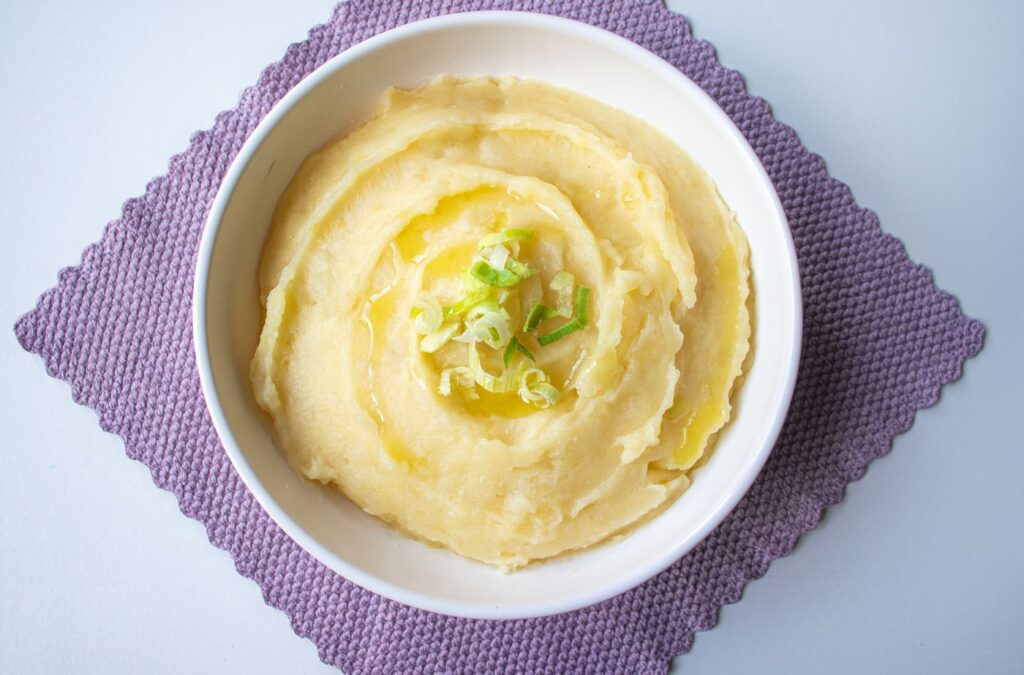
Mashed potatoes served in a white bowl
Kitchen & Dining

OXO Smooth Potato Masher vs Ricer: Which Should You Buy?

Disclosure: As an Amazon Associate, My Indoor Space earns from qualifying purchases.

Quick verdict

Choose OXO’s Smooth Potato Masher if you prefer pressing directly into cooked potatoes and want its broad horizontal grip. Choose a ricer when you specifically want a squeeze-through workflow and are comfortable loading it in batches. Keep your current masher when it provides the texture and handling you like.

Research-based buying guide. Checked October 17, 2026. We have not tested these products hands-on. Manufacturer information, attributed external findings and our editorial judgments are distinguished below.

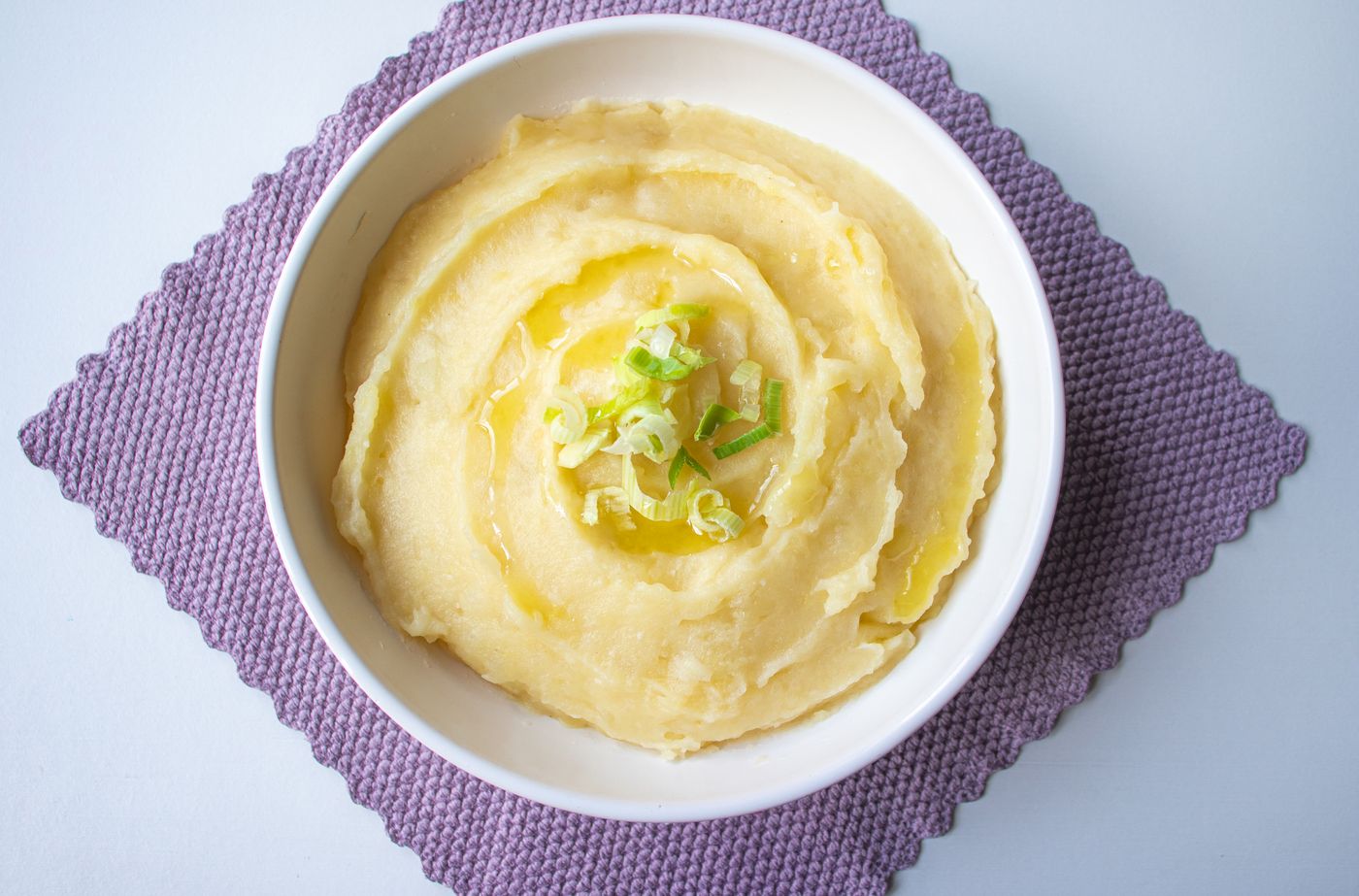
Mashed potatoes served in a white bowl
Mashed-potato serving context; the OXO masher and a ricer are not pictured. Stock photo: Pexels.

Which option fits your routine?

Choice Choose it for Tradeoff
OXO Smooth Masher Direct pressing in a suitable bowl or pan Metal plate and broad head need clearance
Potato ricer A squeeze-through preparation method Loading and emptying batches
Existing masher or fork Occasional small portions May need more repeated work

What makes this OXO model different?

The Smooth Potato Masher is OXO model 34581, with a horizontal soft grip and a perforated stainless-steel plate. It is not the brand’s nylon masher or its wire-style design. Confirm the model and metal head before buying, particularly when marketplace descriptions mix utensil-care claims.

The grip changes how you apply downward pressure. That may suit your technique, but we have not measured effort or assessed individual comfort. A different handle does not guarantee relief from discomfort. Consider the actual hand position and a return policy that allows an appropriate fit assessment.

A masher and ricer have different working rhythms

With a masher you repeatedly press and reposition the head within the bowl. A ricer is loaded and squeezed so food passes through its openings. The best choice depends partly on whether you prefer direct work in the vessel or repeated small loading steps.

Neither tool can compensate for poorly prepared ingredients, and we do not promise a particular texture from equipment alone. If you already like the results from an inexpensive masher, upgrading to a ricer or this OXO simply for a smoother-sounding product name may add little.

Check the vessel and cookware first

A broad plate needs room to reach the food without wedging against the sides. Compare the head’s shape with the bowl or pan you actually use, and think about where your hand will sit above it. A narrow saucepan can be inconvenient even when a tool stores compactly.

This model’s head is stainless steel. Follow the cookware manufacturer’s restrictions for contact with coated or delicate surfaces; do not rely on a generic nonstick-safe phrase in a listing for a different utensil. Transferring food to an appropriate bowl may be a better workflow.

Cleaning can decide the better value

OXO labels the 34581 dishwasher safe. Inspect the perforations after use and follow the supplied instructions. A direct masher has no loading hopper, but its plate still traps food and its broad shape takes drawer room.

A ricer may make sense for a texture you deliberately want, yet requires cleaning its openings and loading area too. Compare the whole routine, including where you will dry and store the tool. For a single small serving, an existing fork may be enough to avoid another purchase.

Our recommendation

Buy the OXO when you want direct mashing, the horizontal grip appeals and your vessel suits its metal plate. Choose a ricer for the squeeze-through method itself. We have not performed a head-to-head texture or speed test.

The U.S. product page resolved correctly during checking, but we could not confirm an active purchase offer there; the Canadian page showed the matching 34581. Check current offers rather than assuming the same seller or availability in both countries. Do not pay a scarcity premium without comparing suitable ordinary mashers.

Buying in the United States or Canada

Both buttons identify OXO’s stainless-steel Smooth Potato Masher, model 34581. The U.S. listing resolved correctly, but an active purchase offer was not confirmed when checked. Verify current availability, the exact head material, seller, delivered price and return terms. Follow your cookware’s utensil restrictions rather than assuming this metal plate is safe for every coating.

Related guides on My Indoor Space

Sources and research

Specifications establish stated features, not independent proof of performance. We base our value judgments on the task, fit, upkeep and alternatives. External experiences are attributed to their sources; no personal testing or measured savings is claimed.
Butter and sugar in a glass mixing bowl
Kitchen & Dining

Is the OXO Butter Dish Worth It for Your Fridge?

Disclosure: As an Amazon Associate, My Indoor Space earns from qualifying purchases.

Quick verdict

The standard OXO Butter Dish is worth considering for a household that buys quarter-pound butter sticks and finds them sliding around while cutting. Its stops and marked base address that small annoyance. Keep a suitable covered dish if it already fits your butter, and choose a larger format for a full Canadian one-pound block.

Research-based buying guide. Checked October 17, 2026. We have not tested these products hands-on. Manufacturer information, attributed external findings and our editorial judgments are distinguished below.

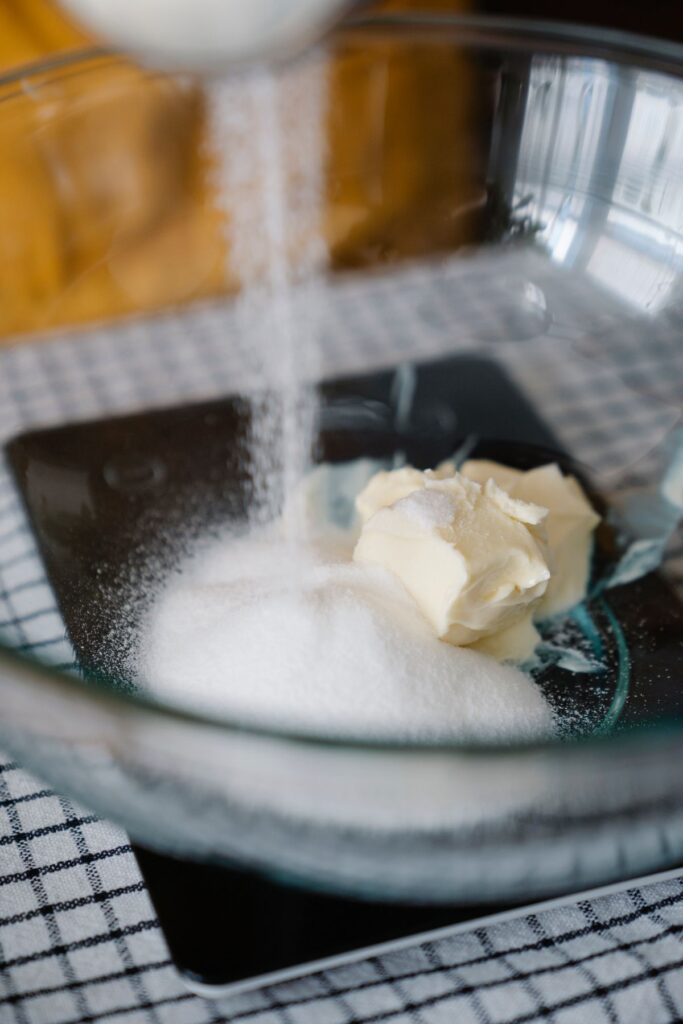
Butter and sugar in a glass mixing bowl
Butter and baking context; the OXO Butter Dish is not pictured. Stock photo: Pexels.

Which option fits your routine?

Choice Choose it for Tradeoff
Standard OXO dish A 4-ounce butter stick and guided cutting Not sized for a full one-pound block
Existing covered dish Butter that already fits and stays put May lack cutting stops
Larger butter dish Wide blocks or larger portions Takes more fridge shelf space

Start with the butter you buy

OXO specifies this standard dish for a four-ounce stick, accommodating both longer eastern-style and shorter western-style U.S. sticks. Its model number is 11122500. That is an important limit for Canadian shoppers accustomed to larger rectangular blocks: the country button does not turn the product into a one-pound butter keeper.

Measure the portion you normally store. Cutting a block down to fit can be reasonable if you already divide it, but becomes another recurring chore if you wanted whole-block storage. OXO also sells a separate wide dish; this guide and its purchase links concern the standard version.

The useful upgrade is control while cutting

The maker describes stops on three sides and measurement marks for the two stick formats. We see those as practical reasons to choose this dish over a plain plate. They give the butter a defined place and help you orient a stick for portioning.

They do not make the dish a precision measuring instrument or automatically improve every recipe. Use the method your recipe requires when accurate weight matters. If cutting on your current dish already works, another marked base is an optional convenience rather than a missing kitchen essential.

Plastic versus a dish you already own

The standard OXO is plastic with a lid, not ceramic or an insulated butter crock. That makes the material and appearance part of the purchase decision. A household wanting a heavy ceramic serving piece may prefer that feel even if it lacks the OXO’s stops.

Before buying, check fridge door clearance with a container of comparable dimensions and leave enough room to lift the lid comfortably. An organizer that fits only when other food is rearranged may be less convenient than your existing storage. Think about use at the table as well as storage.

Cleaning and storage expectations

OXO labels the dish dishwasher safe. Check the supplied instructions for the exact version and clean both the base and lid when needed. Corners, marks and edges are places to inspect rather than assume the cover eliminates cleaning.

A covered butter dish does not establish how long butter can be stored at room temperature. Follow the butter producer’s storage directions and your household’s food-handling guidance. This guide evaluates the container’s fit and cutting features; we have not tested shelf life, temperature control or freshness claims.

Who should buy it?

Buy the standard OXO when you regularly use an appropriate stick, want a covered container and would benefit from its cutting stops. Compare the delivered cost against a basic dish with the same usable size. There is little reason to replace a working container merely to match another OXO utensil.

Skip this size for whole-block storage, choose a different material when appearance is the priority, or keep your current dish when it does the job. The best value comes from removing a repeated nuisance without creating an extra portioning or storage task.

Buying in the United States or Canada

Choose the button for your country and compare the exact model, included parts, seller, delivered cost and return terms. Offers and replacement-part availability can differ between Amazon USA and Canada. Confirm regional manufacturer support before relying on a guarantee for an imported product. We do not promise stock, a fixed price or delivery to every address.

Related guides on My Indoor Space

Sources and research

Specifications establish stated features, not independent proof of performance. We base our value judgments on the task, fit, upkeep and alternatives. External experiences are attributed to their sources; no personal testing or measured savings is claimed.
Glass water bottle and drinking glass
Kitchen & Dining

Are Bodum PAVINA 250ml Double-Wall Glasses Worth It?

Disclosure: As an Amazon Associate, My Indoor Space earns from qualifying purchases.

Quick verdict

Bodum PAVINA glasses are an appearance-and-handling purchase worth considering if you want a compact, handle-free glass for coffee or other drinks. Keep an ordinary mug if a secure handle, inexpensive replacement or generous capacity matters more. The double walls do not make the glass shatterproof.

Research-based buying guide. Checked October 17, 2026. We have not tested these products hands-on. Manufacturer information, attributed external findings and our editorial judgments are distinguished below.

Glass water bottle and drinking glass
Glass serving context; the reviewed Bodum PAVINA glasses are not pictured. Stock photo: Pexels.

Which option fits your routine?

Choice Choose it for Tradeoff
PAVINA 250ml Seeing the drink and holding a compact handle-free glass Glass can break; capacity is modest
Regular handled mug A familiar grip and easy replacement No transparent double-wall appearance
Larger glass or mug Long drinks with room above the liquid More cupboard and serving space

What the double-wall construction buys

Bodum describes mouth-blown borosilicate glass with two walls and a silicone vent at the base. The enclosed air space is part of its insulating design; the vent equalizes pressure between those walls. This construction is different from simply making an ordinary drinking glass thicker.

The manufacturer promotes temperature retention, but we have not measured how long these glasses keep drinks hot or cold. Our reason to consider them is their visible design and different feel in the hand. Do not use the outside temperature as a reliable indicator that the drink itself is ready to sip.

250ml is a compact serving, not a large mug

The manufacturer’s 4558-10 PAVINA page specifies 0.250 liters. That nominal capacity is useful for comparing sizes, but leave headroom for carrying, stirring or adding milk. A recipe that fills your current large mug may need a larger PAVINA size rather than this pair.

Check the exact capacity on the delivered package. The Canadian listing we checked contains inconsistent wording: its capacity table says 250ml while one feature bullet says seven ounces. Those statements are not equivalent. Confirm model 4558-10 and the stated capacity with the seller before ordering if your drink size depends on it.

Durability matters more than the floating-drink effect

Borosilicate is still glass. Avoid treating the double-wall appearance as proof that it will withstand a drop, an impact against a tap or rough cupboard storage. A handle-free vessel also asks you to grip the body rather than lift by a mug handle, which is a meaningful difference for daily use.

Owner reports on ProductReview include both satisfied long-term users and breakage complaints. That collection spans different purchases and sizes, so it cannot establish a failure rate for this exact pair. It does support making replacement cost and careful handling part of the buying decision rather than assuming the set is a lifetime purchase.

Care and cupboard fit

Read the care directions supplied with the exact set before using it in heating appliances or changing temperatures sharply. The maker lists several permitted uses on its product page, but those labels should not be generalized into a guarantee against every thermal shock or accidental impact.

Give each glass room in storage and check the base and walls for damage during normal cleaning. An inexpensive ceramic mug may be the better household workhorse when glasses are frequently knocked together. If you prefer a handle, buying a handle-free design for its appearance alone is unlikely to fix that preference.

When the upgrade is worth paying for

Choose the 250ml PAVINA when you already know the serving size fits, like seeing the layers of a drink and are comfortable caring for glassware. Compare the set price per glass as well as the total, since replacing one broken piece can change its value over time.

Keep your regular mug when it already provides the capacity and grip you need. These glasses do not require a new brewer, frother or drink recipe to be useful; equally, owning those accessories is not a reason you must upgrade your cups. Buy the serving experience you actually prefer.

Buying in the United States or Canada

The buttons lead to the same PAVINA listing identity in the United States and Canada. The Canadian capacity wording was inconsistent when checked: its table stated 250ml and a feature bullet stated seven ounces. Confirm model 4558-10, two-glass pack quantity, actual capacity, seller and return terms before ordering. Prices, offers and regional support can differ; neither availability nor a fixed price is promised.

Related guides on My Indoor Space

Sources and research

Specifications establish stated features, not independent proof of performance. We base our value judgments on the task, fit, upkeep and alternatives. External experiences are attributed to their sources; no personal testing or measured savings is claimed.

Electric kettle in a kitchen setting
Kitchen & Dining

Is the OXO Pour-Over Coffee Maker with Water Tank Worth It?

Disclosure: As an Amazon Associate, My Indoor Space earns from qualifying purchases.

Quick verdict

The OXO water-tank pour-over makes sense if you enjoy one fresh cup but dislike managing a slow, repeated pour. Its tank distributes water over the coffee; you still heat and add that water yourself. Keep a conventional cone if you already enjoy controlling the pour, or use your existing brewer if another set of parts would add clutter.

Research-based buying guide. Checked October 17, 2026. We have not tested these products hands-on. Manufacturer information, attributed external findings and our editorial judgments are distinguished below.

Electric kettle in a kitchen setting
Hot-water preparation context; the reviewed OXO dripper is not pictured. Stock photo: Pexels.

Which option fits your routine?

Choice Choose it for Tradeoff
OXO with water tank One-cup brewing with less active pouring Tank, lid and dripper need cleaning
Conventional cone Direct control with fewer components You manage the pouring
Existing coffee maker Several cups or an established routine A separate dripper may add little

What the water tank actually changes

OXO describes a tank whose hole pattern regulates water delivery. Instead of maintaining a thin stream over the grounds, you pour into that tank and let its design distribute the water. This is a manual brewer, not an electric coffee maker: it does not heat water or keep a finished cup warm.

That distinction matters when counting steps. You still need suitable ground coffee, a filter, hot water and a stable mug underneath. If your main frustration is boiling water or washing a single-cup setup, the tank does not remove either task. Its useful improvement is reducing the attention given to the pour.

Check the capacity and filters before buying

The manufacturer lists tank markings up to 12 ounces. Treat that as a water-input guide, not a promise that exactly 12 ounces will reach your mug: grounds retain water and your recipe affects the result. Leave appropriate headroom in a cup that sits securely beneath the dripper.

The specified consumable is a #2 cone paper filter, and OXO states that ten are included. Those ten are a starter supply rather than a permanent solution. Confirm local replacement availability and the package contents on the offer you select; an inexpensive brewer becomes less convenient if its filters are awkward to replenish.

Who should choose a regular cone instead?

A regular cone is a sensible cheaper-enough choice when you already have one and like the coffee it produces. It leaves you free to alter the pour throughout brewing and generally means fewer separate pieces on the drying rack. Paying for the OXO tank mainly buys a different workflow, not a guaranteed improvement in flavor.

We have not measured extraction, brewing speed or cup temperature. Grind size, dose, water and the coffee itself still matter. A buyer who enjoys experimenting may prefer direct pouring; someone who wants to prepare breakfast while the water passes through may value the tank more.

Cleanup and counter-space tradeoffs

OXO says the lid helps retain heat while brewing and doubles as a drip tray afterward. That is useful for moving the dripper off a finished cup without immediately finding another plate. It also means remembering which surfaces have touched drips before setting parts on a clean counter.

The product page carries dishwasher guidance, but check the instructions supplied with your unit for placement and care. Empty used grounds, rinse away residue and dry the separate pieces before storage. Measure your available shelf and mug arrangement rather than assuming a single-cup brewer occupies no meaningful space.

Our buying decision

Choose this OXO when the specific nuisance you want to solve is tending a pour-over stream. Its tank and lid make that a coherent, modest upgrade for an individual coffee routine. A basic kettle can provide the hot water; buying another specialized kettle is not automatically necessary for a brewer designed to distribute the water itself.

Skip it when your current cone already feels easy, when you routinely brew for several people, or when you want an appliance that heats water automatically. Compare the complete setup cost, including filters and any missing equipment, before treating the dripper’s price as the whole purchase.

Buying in the United States or Canada

Choose the button for your country and compare the exact model, included parts, seller, delivered cost and return terms. Offers and replacement-part availability can differ between Amazon USA and Canada. Confirm regional manufacturer support before relying on a guarantee for an imported product. We do not promise stock, a fixed price or delivery to every address.

Related guides on My Indoor Space

Sources and research

Specifications establish stated features, not independent proof of performance. We base our value judgments on the task, fit, upkeep and alternatives. External experiences are attributed to their sources; no personal testing or measured savings is claimed.

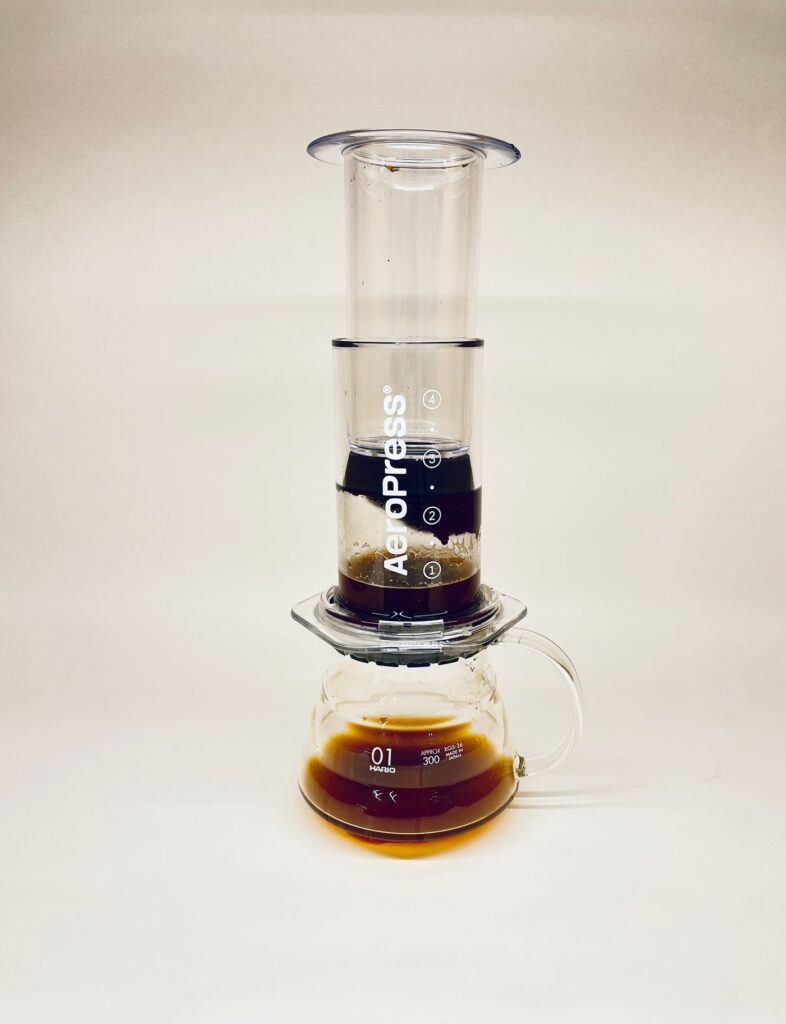
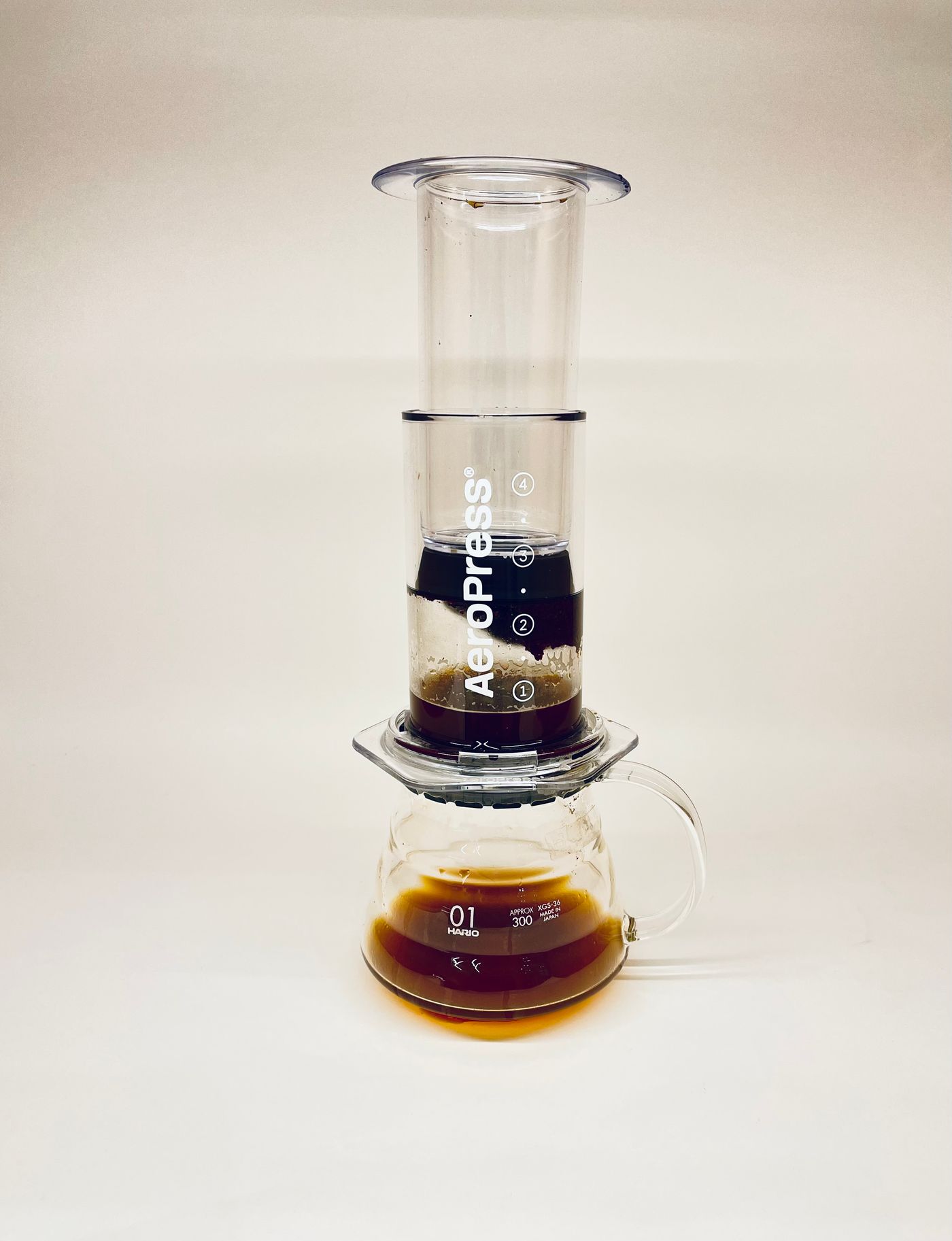
AeroPress coffee maker above a glass serving vessel
Kitchen & Dining

Is the AeroPress Flow Control Filter Cap Worth It for Your Brewer?

Disclosure: As an Amazon Associate, My Indoor Space earns from qualifying purchases.

Quick verdict

Buy the standard AeroPress Flow Control Filter Cap if early drip-through gets in the way of a recipe you want to use with a compatible brewer. Keep the original cap if your current coffee routine already works. This is a focused brewing accessory: it still needs a filter and does not turn the AeroPress into an espresso machine.

Research-based buying guide. Checked October 17, 2026. We have not tested these products hands-on. Manufacturer information, attributed external findings and our editorial judgments are distinguished below.

AeroPress coffee maker above a glass serving vessel
AeroPress brewing context; the reviewed Flow Control cap is not shown or verified in this photograph. Stock photo: Pexels.

Which option fits your routine?

Choice Choose it for Tradeoff
Standard Flow Control cap Controlling drip-through before pressing Extra accessory cost and a valve to clean
Original AeroPress cap A familiar recipe that already works Does not provide the same pressure-actuated valve
XL Variable Flow cap A compatible XL brewer Different size and mechanism; not interchangeable

Match the cap to the brewer before buying

AeroPress lists the standard Flow Control cap for Original, Go, Clear, Premium, Steel and Go Plus brewers. It excludes XL-size coffee makers. The separate XL Variable Flow cap has its own size and operating method; a listing containing XL is not a larger version to fit onto a standard brewer.

Check your exact brewer and the accessory package, especially when shopping a bundle. The cap is not a complete coffee maker. If you do not already own a compatible press, compare the cost of the entire setup before treating this as an inexpensive way to start.

The upgrade is control over a particular step

The standard cap uses a pressure-actuated valve intended to prevent liquid dripping through before you press. That can be useful when you want a longer steep or another recipe where early flow is inconvenient.

It does not follow that every recipe improves. If you already like your coffee and your original cap is easy to use, you may be buying a solution to a problem you do not have. We have not measured extraction, valve pressure, flavour differences or the amount of liquid retained.

A filter is still part of the system

The manufacturer says to use standard-size paper or metal filters with the standard cap. The valve does not replace the filter. Check whether the actual offer includes a filter or only the cap, then include replacement or reusable-filter cost in the comparison.

Paper and metal can give different results, so distinguish the filter decision from the valve decision. If changing filters solves what you dislike about the drink, another cap may be unnecessary. Keep the equipment change tied to one brewing goal at a time.

Espresso-style does not mean machine espresso

AeroPress itself distinguishes the concentrate made with this accessory from real espresso. Choose it for recipes and manual brewing control, rather than expecting the pressure, workflow or milk-steaming functions of a separate espresso machine.

Foam or a crema-like appearance does not establish that the drink is identical to espresso. If that is your main buying goal, compare the appropriate complete equipment instead. We have not conducted tasting or pressure testing and do not claim equivalence.

Check operation, cleaning and returns early

Follow the supplied directions for assembly and use rather than carrying over instructions from a different valved accessory. The manufacturer permits a quick rinse or top-rack dishwasher cleaning for this standard cap; inspect it for residue as part of the routine.

Assess fit and ordinary operation promptly while the seller’s return terms apply. We have not tested leakage, seal longevity or repeated dishwasher wear. A recipe accessory has poor value if maintaining or attaching it becomes more frustrating than the drip-through you wanted to address.

Who should buyβ€”and our verdict

Choose the cap when you own a compatible standard AeroPress, want to control early flow and will use the resulting recipe flexibility. Skip it when you are satisfied with the original cap, own an XL brewer or expect a complete espresso system.

Our verdict is a worthwhile specialist upgrade for a defined recipe need. The best-value choice is the original cap when it already works. Match the standard version, included filters, seller and delivered cost in your country before ordering.

Buying in the United States or Canada

Choose the button for your country and compare the exact model, included parts, seller, delivered cost and return terms. Offers and replacement-part availability can differ between Amazon USA and Canada. Confirm regional manufacturer support before relying on a guarantee for an imported product. We do not promise stock, a fixed price or delivery to every address.

Related guides on My Indoor Space

Sources and research

Specifications establish stated features, not independent proof of performance. We base our value judgments on the task, fit, upkeep and alternatives. External experiences are attributed to their sources; no personal testing or measured savings is claimed.
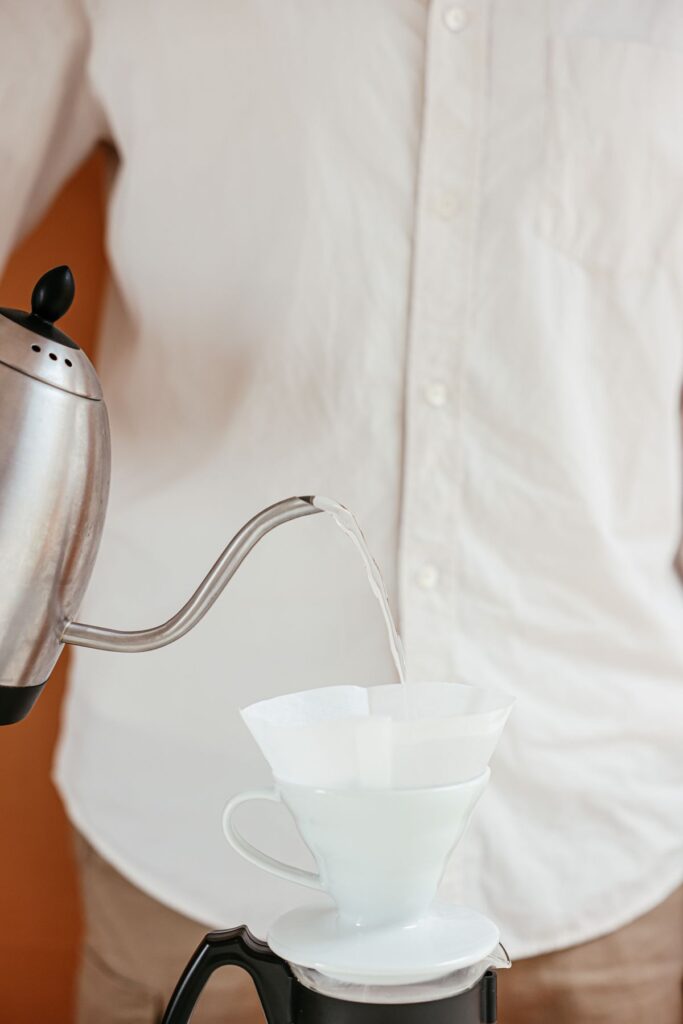
Hot water poured into a manual coffee dripper
Kitchen & Dining

Hario V60 Plastic vs Ceramic 02: Is the Heavier Dripper Worth It?

Disclosure: As an Amazon Associate, My Indoor Space earns from qualifying purchases.

Quick verdict

Choose the plastic V60 02 for a practical first pour-over dripper and less concern about everyday knocks. Choose ceramic if you prefer its feel and appearance enough to accept extra weight and breakage risk. Keep a working V60 rather than upgrading for an assumed flavour improvement: we have no test showing that a material swap alone improves your coffee.

Research-based buying guide. Checked October 17, 2026. We have not tested these products hands-on. Manufacturer information, attributed external findings and our editorial judgments are distinguished below.

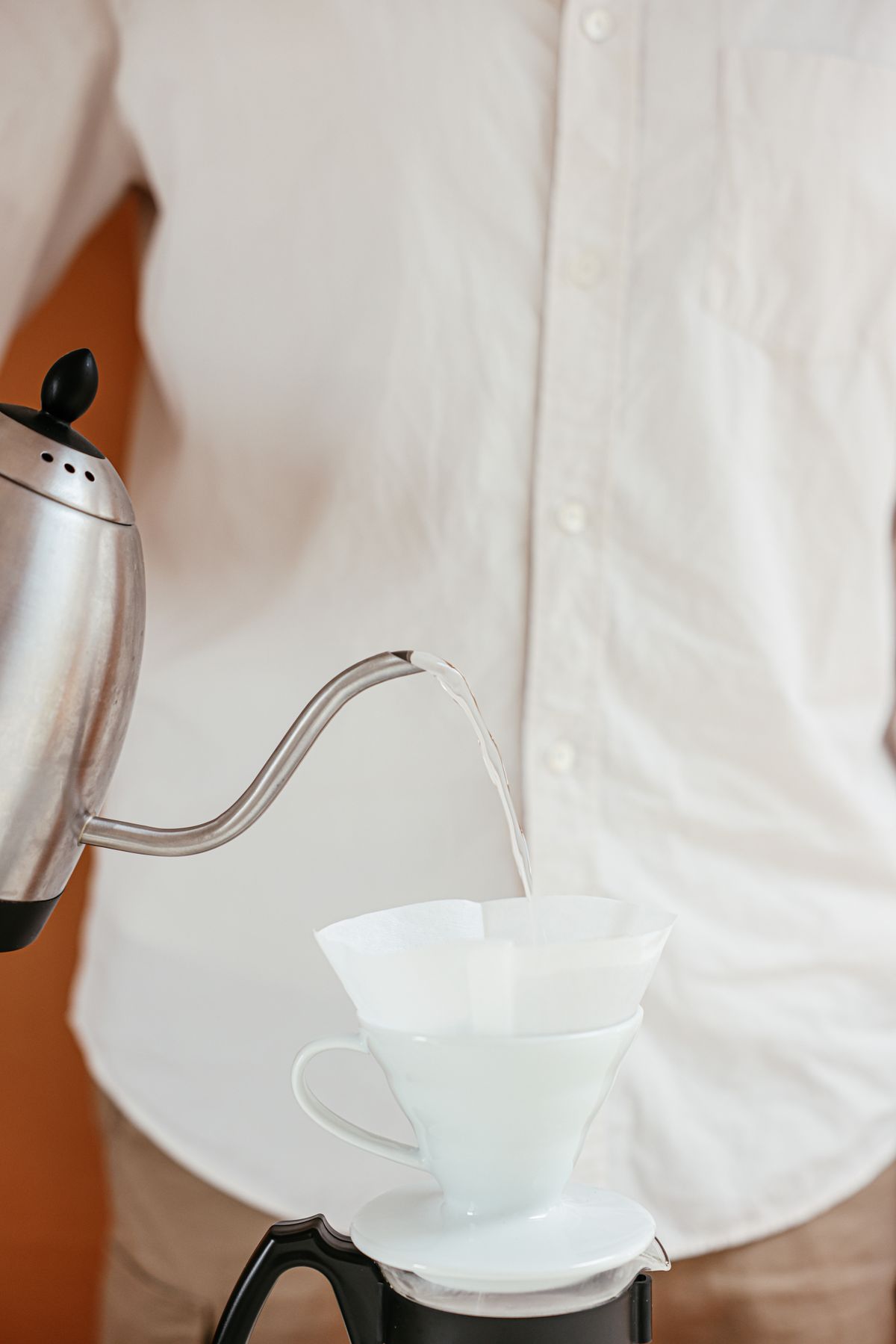
Hot water poured into a manual coffee dripper
Manual pour-over context; this photo is illustrative and does not establish the exact Hario models. Stock photo: Pexels.

Which option fits your routine?

Choice Choose it for Tradeoff
Plastic V60 02 A lightweight, practical first dripper A different feel and appearance from porcelain
Ceramic V60 02 A preferred home-table finish and weight More weight and a material that can chip or break
Existing V60 02 A brewing routine that already works Little reason to change for appearance-independent performance

Compare the same size before comparing the material

Both linked options are size 02 drippers. V60 01, 02 and 03 products and complete server kits also appear in searches, so compare the actual size and package. A ceramic set with a server is not a like-for-like price comparison with a loose plastic dripper.

Hario’s cup counts refer to small brewing servings, not necessarily the number of large mugs in your cupboard. Check the intended dose, recipe and receiving vessel rather than reading 02 as two full mugs.

Plastic is the sensible starting point for many homes

A lighter dripper is easier to handle around a busy sink and less worrying when knocked than a ceramic one. Hario describes its plastic version as shatter resistant; that should not be turned into a promise that it cannot be damaged.

OutdoorGearLab’s testing liked the plastic V60’s brewing results and noted its lower weight relative to ceramic. That is outside evidence for taking the inexpensive format seriously, not our own tasting comparison between these two current listings.

Ceramic is a preference upgrade before a proven taste upgrade

Porcelain can be appealing if you enjoy its finish and the way it sits on the table. Those are legitimate reasons to pay more for a frequently used object. They are different from evidence that the same beans and recipe must taste better through ceramic.

Different materials behave differently when heated, but we have not measured thermal performance or isolated its effect on taste. Follow the brewer’s directions for setup and preheating where applicable. Avoid buying from a broad claim that heavier automatically means better coffee.

Put the price gap beside the rest of the setup

At our October 17 check, Hario Canada’s brewer collection listed plastic 02 options from C$17 and ceramic 02 options from C$45. Those are manufacturer-site reference prices, not a quote for the Amazon offers linked here. Colour, package and delivery can change the actual comparison.

For a beginner, the difference may be better spent on missing basics or coffee for practice. If you already have what you need and simply prefer ceramic, paying for that preference can make sense. A working plastic V60 does not become inadequate because a more decorative one exists.

Filters and handling matter with either material

Both formats require the appropriate V60 02 paper filters for the intended setup. Do not assume that every filter labelled number two has the same shape. Check included filters and local replacement-pack cost before comparing a dripper with a starter kit.

Use a suitable stable receiving vessel and check how the base rests on it. The full wet brewing setup matters more than the dry dripper alone. Follow the care directions for the exact material; we have not tested chip resistance, dishwasher wear or the impact of different filters.

Who should buyβ€”and our verdict

Buy plastic for a cost-conscious start, lighter handling and reduced worry about ceramic breakage. Buy ceramic when its feel and appearance are worth the price to you and you can handle it accordingly. Skip a swap if your present V60 works well.

Our best-value verdict is plastic first. Ceramic is a worthwhile preference purchase when you want it, with no guaranteed flavour gain claimed here. Compare the same size, colour and included parts on the U.S. or Canadian listing before deciding.

Buying in the United States or Canada

Choose the button for your country and compare the exact model, included parts, seller, delivered cost and return terms. Offers and replacement-part availability can differ between Amazon USA and Canada. Confirm regional manufacturer support before relying on a guarantee for an imported product. We do not promise stock, a fixed price or delivery to every address.

Related guides on My Indoor Space

Sources and research

Specifications establish stated features, not independent proof of performance. We base our value judgments on the task, fit, upkeep and alternatives. External experiences are attributed to their sources; no personal testing or measured savings is claimed.
A glass mug filled with iced coffee
Kitchen & Dining

Is the OXO Compact Cold Brew Coffee Maker Worth It for One or Two?

Disclosure: As an Amazon Associate, My Indoor Space earns from qualifying purchases.

Quick verdict

Choose the OXO Compact Cold Brew Coffee Maker when you regularly want a modest batch of concentrate and a dedicated draining carafe. Keep a suitable jar-and-filter routine if it already works easily. Skip this small brewer if your household needs large quantities or you want coffee immediately rather than an overnight preparation.

Research-based buying guide. Checked October 17, 2026. We have not tested these products hands-on. Manufacturer information, attributed external findings and our editorial judgments are distinguished below.

A glass mug filled with iced coffee
Iced-coffee serving context; the OXO brewer is not pictured. Stock photo: Pexels.

Which option fits your routine?

Choice Choose it for Tradeoff
OXO compact brewer Small concentrate batches with a fitted carafe Overnight planning and several parts to clean
Suitable existing jar and filter Trying cold brew without another dedicated brewer Filtering and transfer may be less convenient
Larger cold brewer A household that uses more concentrate More working, fridge and washing space

The 24-ounce number describes the brewing container

OXO lists a 24-ounce brewing container for model 11237500. That should not be read as 24 ounces of finished concentrate or a fixed number of full drinking mugs. Grounds, retained water and your serving dilution all affect the practical amount you use.

Work backwards from your actual routine: how many drinks you want between batches and how much concentrate goes into each. A small household may prefer modest batches, while several daily coffee drinkers can quickly outgrow a compact container.

Buy for overnight brewing, not instant results

OXO specifies a 12-to-24-hour brewing period on the counter or in the fridge, following its instructions. The perforated top distributes the added water, and the brewer drains when placed on its matching glass carafe.

That arrangement is convenient if you plan ahead. It is the wrong purchase if the main problem is wanting a drink in a few minutes. Hot-brewed coffee served over ice or a different rapid method is a separate workflow; the names are not interchangeable.

Compact storage has more than one footprint

The brewing container and carafe nest when stored, but brewing, draining and refrigerated storage are different arrangements. Measure the actual location you plan to use and allow room to handle the container without bumping nearby shelves.

A small footprint is most valuable when the vessel also fits your hand and cleaning access. Check how you will lift and pour the carafe and where the other parts will sit while it is in the fridge. Neat empty storage does not settle the whole-space question.

What current outside testing says

Serious Eats’ current cold-brewer guide includes the OXO as an editor’s compact favourite and likes its draining arrangement, but flags limited batch size for heavier-use households. That supports a small-batch recommendation rather than a claim that compact is best for everyone.

Those are attributed external findings, not our tasting results. We have not compared flavour, filtration or week-long storage. Choose capacity and workflow first; coffee choice and recipe still influence whether you enjoy the drink.

The reusable filter still needs cleaning

OXO supplies a reusable stainless-steel mesh filter and a glass carafe with a cork stopper and silicone seal. Reuse avoids assuming a fresh paper filter is required for every basic cycle, but it does not remove the task of clearing grounds and cleaning the parts.

Follow the exact manual for assembly, component care, concentrate preparation and storage. Do not infer that the entire brewer shares a single dishwasher instruction. We have not tested clogging, seal life, breakage resistance or how different grind sizes change draining time.

Who should buyβ€”and our verdict

Buy the OXO for recurring small batches when a fitted drain-and-carafe system improves a process you already want to do. Skip it if you mainly need large batches, rarely make cold brew or have a jar-and-filter method you like.

Our verdict is a useful compact convenience, with limited batch size as its main compromise. It is not a coffee machine that chills a drink on demand. Compare the complete package, local replacement support and delivered cost before giving it fridge and cupboard space.

Buying in the United States or Canada

Choose the button for your country and compare the exact model, included parts, seller, delivered cost and return terms. Offers and replacement-part availability can differ between Amazon USA and Canada. Confirm regional manufacturer support before relying on a guarantee for an imported product. We do not promise stock, a fixed price or delivery to every address.

Related guides on My Indoor Space

Sources and research

Specifications establish stated features, not independent proof of performance. We base our value judgments on the task, fit, upkeep and alternatives. External experiences are attributed to their sources; no personal testing or measured savings is claimed.
Cook using a frying pan on a stove
Kitchen & Dining

Lodge Pan Scraper vs a Brush: Is the Scraper Set Worth It?

Disclosure: As an Amazon Associate, My Indoor Space earns from qualifying purchases.

Quick verdict

Choose Lodge’s pan scrapers when you regularly need an edge to lift stuck-on food from a compatible pan. Keep a suitable brush for ordinary washing and accessible residue. The small scraper set is a useful supplement when a brush struggles, not an automatic replacement for the rest of your cookware-cleaning routine.

Research-based buying guide. Checked October 17, 2026. We have not tested these products hands-on. Manufacturer information, attributed external findings and our editorial judgments are distinguished below.

Cook using a frying pan on a stove
Cookware context; the Lodge pan scrapers and cleaning brush are not pictured. Stock photo: Pexels.

Which option fits your routine?

Choice Choose it for Tradeoff
Lodge pan scrapers Targeting food with different corner profiles Close hand work and a separate washing step
Suitable brush Routine washing and broader surfaces May struggle with some stuck-on patches
Existing suitable scraper An edge and material that already suit the pan No reason to replace it solely for a different brand

Buy the pan set, not a different grill accessory

Lodge’s SCRAPERPK is a two-piece pan-scraper set with different edge angles. The linked U.S. and Canadian pages describe the red-and-black pan set. Other Lodge products have grill-shaped profiles or different formats, so check the package rather than choosing on colour alone.

Match the working edge to the pan’s base and corners. An accessory is less useful if the edge cannot meet the place where food accumulates. You do not need several scraper styles if one existing suitable edge already reaches the area easily.

Scraping and washing are related but different jobs

A scraper gives you a close edge for lifting residue; a brush works across a larger area with bristles. Start by asking which part of cleanup is difficult. If ordinary washing already removes the food, another hard edge may add nothing.

Lodge’s seasoned cast-iron care guidance includes a nylon brush or pan scraper for stuck-on food. That supports either tool within an appropriate routine. It does not establish that a scraper is always quicker, gentler or more effective on every cooking surface.

Check the exact material and heat directions

The checked marketplace pages identify this set as polycarbonate, while Lodge’s current page contains both polycarbonate and nylon wording. That inconsistency is a reason to confirm the delivered package and its care directions rather than infer a precise heat limit from one short product bullet.

Do not treat a kitchen scraper as a cooking utensil to leave in a hot pan. Follow the cookware and accessory instructions for cooling and cleaning. We have not tested heat resistance, deformation or scratching and do not claim universal compatibility with every coating.

Cookware-specific care still comes first

Seasoned cast iron, enamel and a coated non-stick pan have different care requirements. Lodge’s seasoned-cast-iron guidance allows normal dish soap, advises hand washing and cautions against prolonged soaking. Its enamel guidance separately describes gentler routine cleaning.

Use the instructions for the pan you own, not a general internet rule about all cast iron. A Lodge accessory does not make an unrelated pan’s restrictions disappear. For an unfamiliar finish, check that manufacturer’s permitted tools before scraping.

Compare the complete cleanup, including the small parts

The scraper set is compact and Lodge labels it dishwasher safe, but that does not make the cast-iron pan dishwasher safe. Keep those two care decisions separate. Clean the working edge, inspect it for damage and store it where you can find it.

If a scraper saves frustration at one stubborn patch but then gets lost in a drawer, its practical value is limited. We have not measured cleaning time or long-term edge wear. The strongest buyer already encounters a specific residue problem often enough to use the set.

Who should buyβ€”and our verdict

Buy the Lodge set for repeated stuck-on-food cleanup when the edges and supplied instructions suit your pan. Skip it if your brush already handles the job, your existing scraper works or the pan maker excludes the tool.

Our verdict is brush first for an easy routine, scraper as a targeted addition when needed. Compare the delivered price of the two-piece set and confirm its exact material and care information. A modest accessory is good value only when it solves a recurring problem.

Buying in the United States or Canada

Choose the button for your country and compare the exact model, included parts, seller, delivered cost and return terms. Offers and replacement-part availability can differ between Amazon USA and Canada. Confirm regional manufacturer support before relying on a guarantee for an imported product. We do not promise stock, a fixed price or delivery to every address.

Related guides on My Indoor Space

Sources and research

Specifications establish stated features, not independent proof of performance. We base our value judgments on the task, fit, upkeep and alternatives. External experiences are attributed to their sources; no personal testing or measured savings is claimed.
Zucchini noodles with sauce on a plate
Kitchen & Dining

Julienne Peeler vs Spiralizer: Which OXO Tool Fits Your Vegetables?

Disclosure: As an Amazon Associate, My Indoor Space earns from qualifying purchases.

Quick verdict

Choose a julienne peeler for narrow strips used in salads, garnishes and small preparation jobs. Choose a spiralizer when the spiral-cut format is the result you want. Keep a suitable knife for occasional controlled cuts. These tools earn space by producing the shape you use, not because one makes every vegetable preparation easier.

Research-based buying guide. Checked October 17, 2026. We have not tested these products hands-on. Manufacturer information, attributed external findings and our editorial judgments are distinguished below.

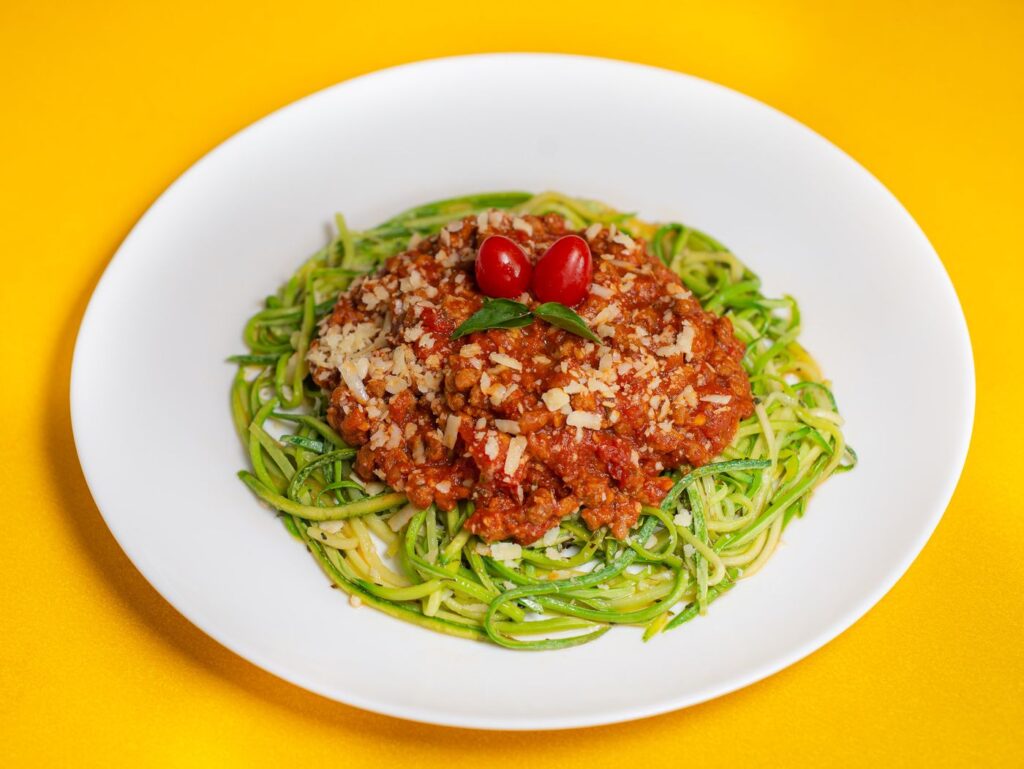
Zucchini noodles with sauce on a plate
Vegetable-noodle serving context; the OXO julienne peeler is not pictured and results depend on the tool used. Stock photo: Pexels.

Which option fits your routine?

Choice Choose it for Tradeoff
Julienne peeler Small amounts of narrow vegetable strips Repeated strokes and less use of the last awkward piece
Handheld spiralizer A spiral-cut result from suitable produce Its own size, shape and turning requirements
Knife and board Different strip widths and other preparation Requires deliberate cutting technique

Choose the cut before choosing the handle

A julienne peeler is not a standard peeler that happens to have a different grip. Its blade creates narrow strips. That makes it useful for a specific recipe shape, while a plain peeler is mainly a skin-removal or broader-shaving tool.

A spiralizer follows another cutting format. If you want a particular noodle-like appearance, compare sample results and the recipe you plan to make. Neither tool is an automatic substitute for every long strip, slice or finely chopped ingredient.

The linked OXO is the classic covered model

OXO lists this Julienne Peeler as model 1054751, with a stainless-steel blade, non-slip handle and a protective cover for storage. The cover flips out of the way during use. The company also sells other Prep Peeler designs, so match the exact mechanism and package.

The maker labels this model dishwasher safe. Follow the supplied care and handling directions rather than assuming the cover makes the exposed blade harmless during use or cleaning. We have not tested blade sharpness, cover life or performance against a competing peeler.

Small toppings are its clearest use case

If you frequently want a modest amount of strips to finish a salad or fill a sandwich, a compact manual peeler may be enough. It avoids setting up a larger appliance just for a small quantity.

For a large bowl, repeated strokes may be less attractive. Consider the amount you actually prepare, the firmness and shape of the produce and the preliminary trimming required. We have not measured output per minute or the amount left over at the end of a vegetable.

Handheld tools still need a controlled grip

Both peeling and handheld spiralizing involve manual motion around a blade. Decide which action suits your kitchen routine and follow each tool’s directions for holding the food. Do not try to use every last small piece if you cannot hold it as intended.

If your real goal is avoiding repetitive hand work, these manual options may not be the upgrade you want. A different preparation method can be the better choice. A soft-grip description does not establish suitability for every user’s hands or strength.

A standard knife remains more versatile

A knife and board can handle different widths, lengths and other tasks without another specialist utensil. For occasional strips, that may be the best value if you are comfortable with the technique.

The peeler makes more sense when a recurring cut is worth a dedicated shape. The spiralizer makes more sense when its output is specifically what you enjoy. Do not buy both merely because both are labelled vegetable-noodle tools; start with the one result you actually want.

Who should buyβ€”and our verdict

Buy the OXO julienne peeler for frequent small strip-preparation jobs when its manual action appeals to you. Skip it if you mainly want spirals, make large quantities or already cut strips comfortably with a knife.

Our verdict is cut shape first, quantity second and storage third. The Canadian page matched this classic model, but a purchase offer was not confirmed during research. Check the current listing and do not mistake the similar name of a different Prep Peeler for the same accessory.

Buying in the United States or Canada

Use the country link to inspect the classic julienne-peeler listing. A Canadian purchase offer was not confirmed during research, so verify current stock and delivered cost before ordering. Match model 1054751, the blade format, protective cover and package contents; compare seller, returns and regional manufacturer support.

Related guides on My Indoor Space

Sources and research

Specifications establish stated features, not independent proof of performance. We base our value judgments on the task, fit, upkeep and alternatives. External experiences are attributed to their sources; no personal testing or measured savings is claimed.
Scroll to Top