Laundry & Cleaning

Simple cleaning routines, laundry solutions and a healthier indoor space.

Person scrubbing bathroom wall tiles with a brush
Laundry & Cleaning

Rubbermaid Reveal Power Scrubber vs OXO Deep Clean Brushes: Is Power Worth It?

Disclosure: As an Amazon Associate, My Indoor Space earns from qualifying purchases through links in this article, at no extra cost to you.

Quick verdict

Choose OXO’s manual set for occasional detail work and control in narrow spaces. Consider Reveal when repeated small-area scrubbing makes a powered head useful. Check the surface, brush shape and replacement heads first; a motor does not make an unsuitable bristle safe for a delicate finish.

Research-based buying guide. Information checked October 16, 2026. We have not tested these products hands-on; published specifications and our buying judgments are identified separately.

Rubbermaid Reveal scrubbers

OXO Deep Clean brushes
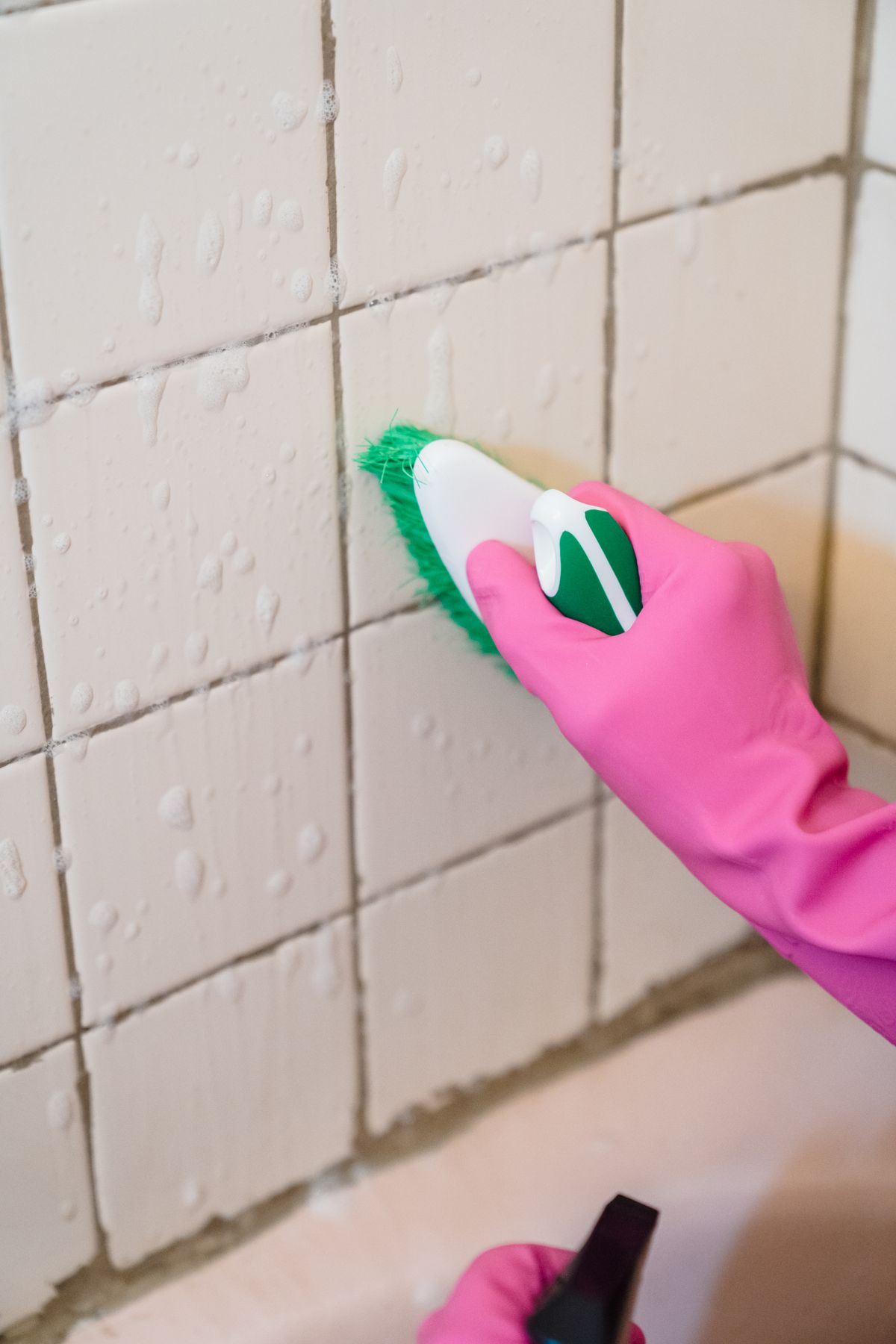
Person scrubbing bathroom wall tiles with a brush
Illustrative cleaning photo; no comparison or surface-compatibility test is shown. Photo: Pexels.

A small cleaning brush should reach the dirt without making a larger job of maintaining the tool. A powered head can help with repeated scrubbing, but a thin manual brush may be easier to position around a tap base or narrow track. Buy for those actual spaces.

Compare the useful functions

Priority Rubbermaid Reveal OXO Deep Clean set
Action Powered oscillating head Manual brushing
Ongoing supplies Batteries and appropriate replacement heads No battery requirement
Detail access Depends on the fitted head Large and small brushes; small detail wiper

When the OXO set is enough

OXO describes a larger brush for areas such as tracks and a smaller one for tight spaces, with a built-in wiper for crevices. That gives two shapes without a battery routine. For a few short cleaning jobs each week, that simplicity may be the better value.

Inspect the space you need to reach. A brush must fit around fixtures as well as along the visible gap. Consider handle angle and where your fingers will be, not just the bristle width in the listing. A flexible wiper can address a different task from scrubbing; it is not a replacement for every brush.

When Reveal earns the upgrade

Rubbermaid lists pulse and continuous modes on the cited scrubber, with all-purpose and grout heads in that package. The manufacturer describes a water-resistant design and includes four AA batteries. That is not permission to submerge the complete tool or use every cleaner on it.

A powered action can suit a repeated task where manual strokes are inconvenient. It still needs appropriate contact and pressure. We have not tested cleaning speed or the brand’s performance comparisons, so we do not assume the motor halves every household cleaning job.

Check the surface and the head

Read the finish manufacturer’s care instructions before using either tool. Coatings, polished fixtures and grout or sealant in poor condition may need a different method. Test only as the instructions allow rather than starting on the most visible area.

Check replacement-head availability for the exact powered model. A cheap kit can become inconvenient if only one unsuitable head remains available locally. Compare the heads actually supplied by the seller; photographs sometimes show accessories that are separate purchases.

Include cleaning the tool

Think about rinsing and drying the brush after the job, storing it away from unrelated items and replacing a worn head. A motorized handle adds a battery compartment and another set of care instructions. Choose that extra routine only when the powered action solves enough recurring work.

The buying judgment

Buy OXO for modest, varied detail work. Buy Reveal for a regular task matched to its available heads. Keep a suitable manual brush when it already reaches the area comfortably. Neither product replaces a cleaning method appropriate to the surface.

Compare listings in your country

These buttons open matching Amazon search results, rather than a guaranteed in-stock offer. Confirm the exact model, seller, included parts, delivered price and return terms. Prices and availability can differ between the United States and Canada.

Rubbermaid Reveal scrubbers

OXO Deep Clean brushes

Related guides on My Indoor Space

Sources and research

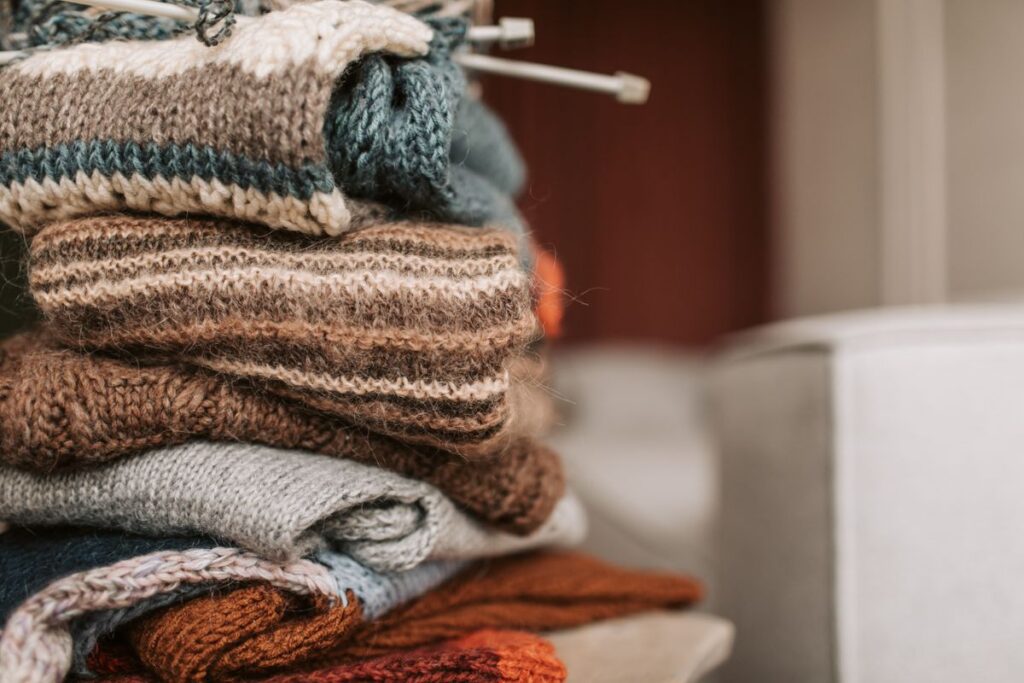
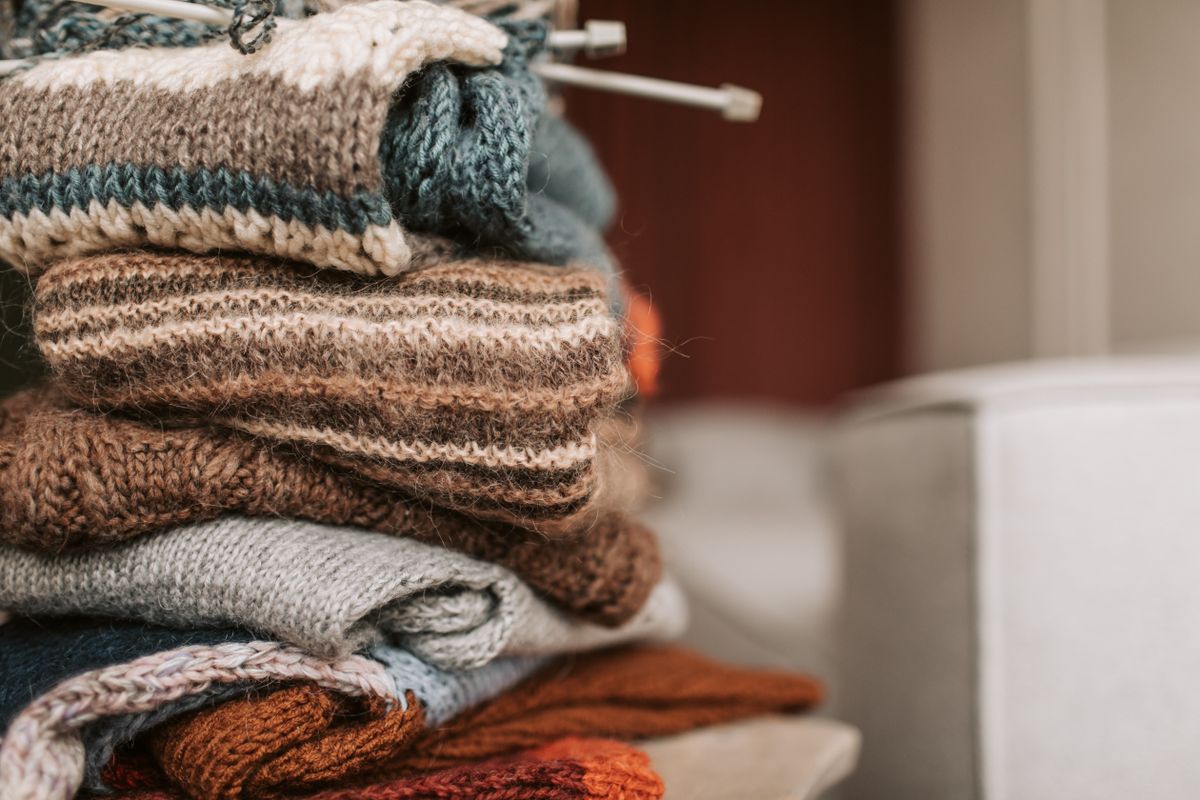
Folded knitted sweaters with knitting needles
Laundry & Cleaning

Gleener vs Philips GC026: Manual or Electric Fabric Shaver?

Disclosure: As an Amazon Associate, My Indoor Space earns from qualifying purchases through links in this article, at no extra cost to you.

Quick verdict

Choose Gleener if you prefer battery-free manual work and will select the appropriate fabric edge. Choose Philips GC026 if you prefer a powered cutting head and accept batteries and cleaning. Neither is permission to treat every fabric without checking the garment and tool instructions.

Research-based buying guide. Information checked October 16, 2026. We have not tested these products hands-on; published specifications and our buying judgments are identified separately.

Gleener fabric shavers

Philips GC026 listings

Folded knitted sweaters with knitting needles
Illustrative knitwear; suitability for either tool must be checked on the garment. Photo: Pexels.

Removing pills can improve the appearance of a suitable garment, but the right tool depends on the fabric and the way you want to work. A manual fabric-care edge and an electric shaver use different actions. They should be compared as maintenance tools, not as a way to make worn fabric new again.

Compare the daily operation

Question Gleener Philips GC026/00
Power Manual, battery-free AA-battery powered
Fabric matching Select the appropriate interchangeable edge Follow shaver and garment guidance
Cleanup Remove collected fuzz and clean as directed Empty the pill container and maintain the head

When Gleener makes sense

Gleener describes three interchangeable edges for different fabric types and an integrated lint brush. The appeal is manual control without a charging or battery routine. Check which product size and accessories the listing includes; the compact and full-size tools should not be confused.

Its instructions describe preparing a flat surface, holding fabric taut and working with light strokes. Choose the recommended edge rather than assuming the strongest one is best. A battery-free tool can still damage an unsuitable fabric or an exposed detail if used incorrectly.

When the Philips is worth considering

The Canadian GC026/00 page lists two AA batteries and a removable pill container. A powered cutting head may suit someone who prefers moving the tool steadily over supported fabric rather than using repeated manual strokes. We have not timed either product or compared their removal results.

Confirm the exact model and regional package. A similarly named marketplace device may use a different power arrangement or include different accessories. Check whether batteries are included in the offer you buy, rather than transferring that detail from the manufacturer’s reference package.

Fabric compatibility comes first

Read the garment care instructions and tool manual, especially for loose knits, raised decoration, seams and delicate surfaces. Use a hidden-area check only where the instructions permit it. Marketing language about many fabric types should not be read as a guarantee for every garment.

Distinguish pills from snags, pet hair and structural wear. A lint brush addresses loose material; a cutting or abrasive action addresses another problem. Do not pull a snag or remove sound yarn merely because it stands above the surface. A valuable or delicate item may need a different care method.

Who should buy or skip?

Buy Gleener when manual control and no batteries fit a small routine. Buy the Philips when its powered method and maintenance suit you. Skip both if pilling is not the issue or the fabric is unsuitable. Keep a working fabric-care tool with available parts if it already handles the job; a motor alone does not prove a better result.

Compare listings in your country

These buttons open matching Amazon search results, rather than a guaranteed in-stock offer. Confirm the exact model, seller, included parts, delivered price and return terms. Prices and availability can differ between the United States and Canada.

Gleener fabric shavers

Philips GC026 listings

Related guides on My Indoor Space

Sources and research

Clothes hanging to dry indoors
Laundry & Cleaning

Winged vs Tower Drying Rack: Which Fits an Apartment Load?

Disclosure: As an Amazon Associate, My Indoor Space earns from qualifying purchases through links in this article, at no extra cost to you.

Quick verdict

Choose a winged rack when spreading garments across a lower, wider layout suits the room. Choose a tower when vertical storage fits your load and the shelves provide enough clearance. Advertised drying length does not tell you how well your actual garments will fit.

Research-based buying guide. Information checked October 16, 2026. We have not tested these products hands-on; published specifications and our buying judgments are identified separately.

winged drying racks

tower drying racks

Clothes hanging to dry indoors
Illustrative drying setup; no Brabantia model is identified. Photo: Pexels.

A rack needs room not only for its frame but also for wet sleeves, towels and the person loading it. A tower can look compact when empty and become crowded with long clothing. A winged rack can display useful capacity while blocking the route across a small room.

Compare the loaded layout

Question Winged rack Tower rack
Room shape Wider horizontal spread More vertical arrangement
Long clothing Check raised-wing height and drop Check shelf spacing and folding sections
Daily access Reach across the width Reach different shelf levels

When wings work better

A lower open arrangement can be convenient for laying out a mixed load. Compare the wing positions and whether longer garments can hang without touching the floor. A central section may suit shorter pieces, but tight rail spacing can reduce how much of the advertised length you actually want to fill.

Brabantia’s HangOn range includes several sizes and configurations. Check the exact version for any hanger features and folded dimensions. A specification for a model with an extra rod should not be copied to the simpler rack beside it.

When a tower makes sense

A tower can use height in a narrow utility area, especially for shorter items. Check which sections can fold or move to make room for longer garments. A large number of levels may be less useful if every wet shirt drapes onto the shelf beneath it.

Evaluate access to the highest and lowest rails, as well as the route for moving a loaded rack. Wheels, where present, do not mean the rack should be moved on every surface or in every loaded arrangement. Follow the product’s load and handling instructions rather than rolling it by a garment.

Measure open, folded and in use

Mark the fully open footprint and walk around it with a basket. Open nearby cupboard doors. Then check the folded size against the intended storage gap, including protruding feet or hooks. A narrow folded dimension can be misleading if the rack is too tall to put away.

Drying depends on conditions and spacing, not just total rail length. Leave the separation your garments and setup need, and follow the care label for items that should dry flat. Do not assume hanging every garment on the most compact layout is the right method.

The value decision

Buy wings when the room can accommodate their spread and that layout fits the usual load. Buy a tower when its shelf clearances and access genuinely work. Keep a suitable rack if it already handles your laundry; a bigger drying-length number alone is not a reason to replace it.

Compare listings in your country

These buttons open matching Amazon search results, rather than a guaranteed in-stock offer. Confirm the exact model, seller, included parts, delivered price and return terms. Prices and availability can differ between the United States and Canada.

winged drying racks

tower drying racks

Related guides on My Indoor Space

Sources and research

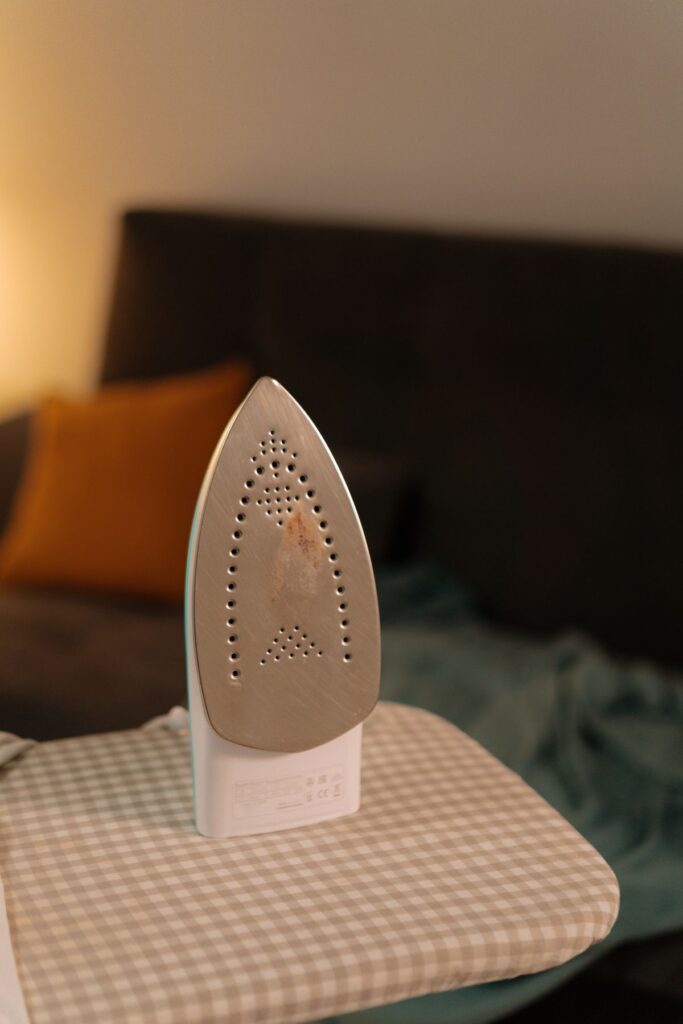
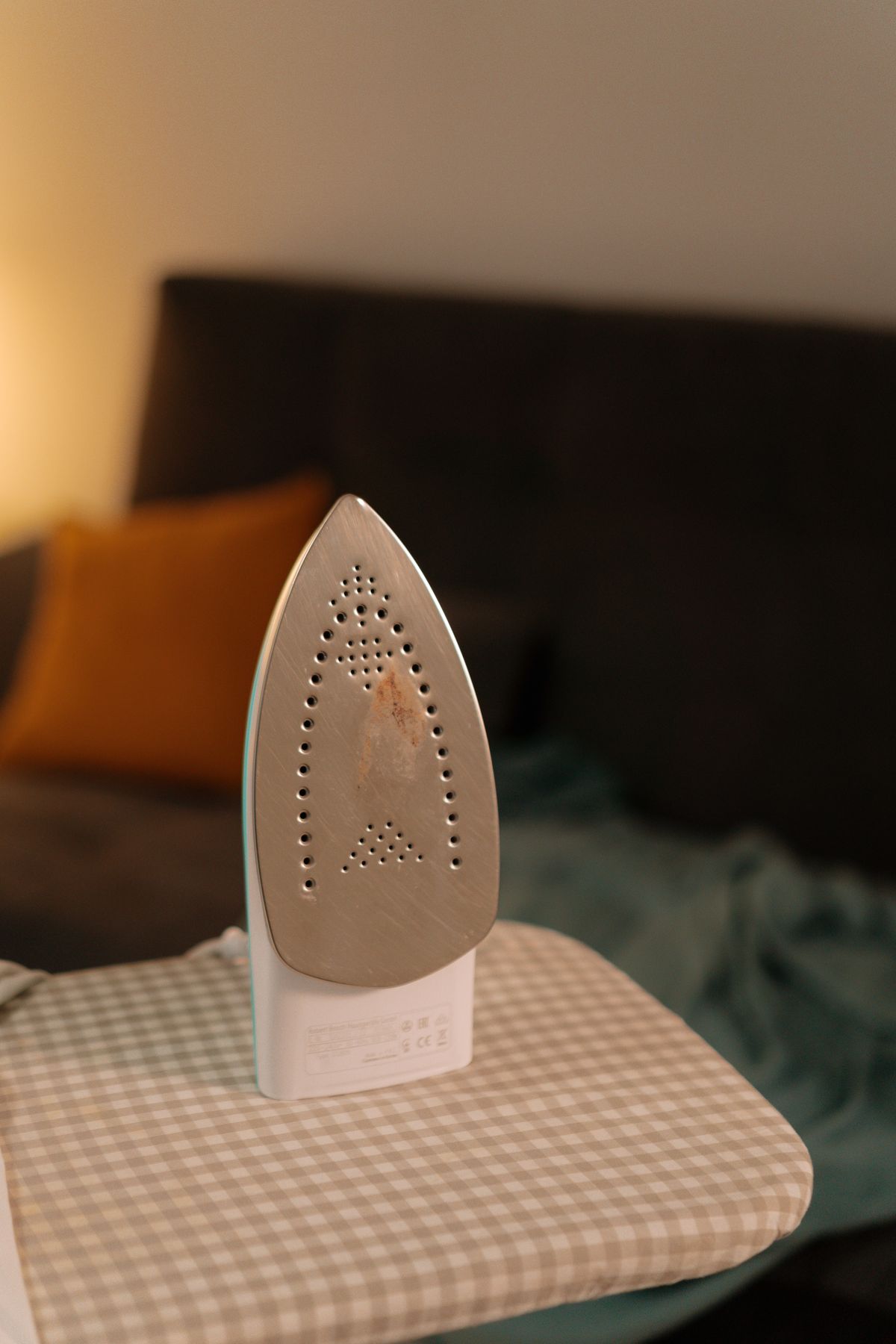
Clothes iron on an ironing board
Laundry & Cleaning

Steam Iron vs Garment Steamer: Which Should You Buy First?

Disclosure: As an Amazon Associate, My Indoor Space earns from qualifying purchases through links in this article, at no extra cost to you.

Quick verdict

Choose an iron when crisp pressing and shaping are regular tasks. Choose a steamer for supported hanging-garment touch-ups when that finish is enough. Some products combine both functions; check the exact design and always follow the garment’s care instructions.

Research-based buying guide. Information checked October 16, 2026. We have not tested these products hands-on; published specifications and our buying judgments are identified separately.

steam irons

garment steamers

Clothes iron on an ironing board
Illustrative iron; not a verified Rowenta model. Photo: Pexels.

A wrinkle-removal tool is worthwhile when it fits the clothes you wear, not simply because a demonstration makes it look quick. Pressing a shirt collar and refreshing a hanging garment are different jobs. Decide which result matters most before choosing.

Compare the finish you want

Priority Steam iron Garment steamer
Crisp creases or shaping Supported pressing is its main strength Check whether the model also presses
Hanging touch-ups Some offer vertical steam A main use for suitable garments
Work area Needs an appropriate pressing surface Needs a suitable hanging and operating area

When an iron is the better first purchase

If you regularly want a defined collar, cuff or crease, direct pressing can be useful. Compare the soleplate, temperature controls and how easily the tool reaches small areas. A steam iron still needs the surface and technique specified in its instructions.

Include the board or pressing surface in the full cost and storage footprint. A compact board can be convenient, but it should support the task without an unstable setup. If you already own a serviceable iron and board, replacing them with a steamer may leave the crisp-finish job unsolved.

When a steamer makes more sense

A suitable handheld steamer can be convenient for a few compatible garments before going out. A standing model may suit longer sessions, though it occupies more space. Compare usable tank capacity, handling and the manufacturer’s stated operating conditions rather than buying on maximum steam output alone.

Rowenta’s range includes combined steaming and ironing products, illustrating that the categories overlap. Check whether a particular device can actually press horizontally and what support it needs. A product advertised with vertical steam is not necessarily a full substitute for an iron in every task.

Fabric instructions decide what you can treat

Read the garment label and the appliance instructions, including guidance around trims, coatings and heat-sensitive components. Do not assume steam is suitable merely because a garment cannot be ironed. Test only as the instructions allow, and use the recommended setting or distance.

Also review water requirements, descaling and cool-down steps. A large tank is less helpful if maintenance is awkward or the filled device feels tiring to hold. Check cord reach and the permitted resting position; you need somewhere appropriate to set the appliance during and after use.

What is worth paying for?

Choose iron-first for a wardrobe requiring regular pressing. Choose steamer-first for compatible quick touch-ups where a relaxed finish is acceptable. Pay for a hybrid only when both functions are documented and useful. Keep the tool you already have if it gives the finish you want without an inconvenient setup.

Compare listings in your country

These buttons open matching Amazon search results, rather than a guaranteed in-stock offer. Confirm the exact model, seller, included parts, delivered price and return terms. Prices and availability can differ between the United States and Canada.

steam irons

garment steamers

Related guides on My Indoor Space

Sources and research

Person holding a laundry basket filled with clothes
Laundry & Cleaning

Plastic vs Fabric Laundry Basket: Which Is Easier to Carry and Store?

Disclosure: As an Amazon Associate, My Indoor Space earns from qualifying purchases through links in this article, at no extra cost to you.

Quick verdict

Choose a rigid plastic basket when a structured shape and wipeable body fit your laundry routine. Choose a collapsible fabric basket when empty storage and flexible carrying matter more. Check the actual care and wet-load instructions; fabric does not automatically mean washable or waterproof.

Research-based buying guide. Information checked October 16, 2026. We have not tested these products hands-on; published specifications and our buying judgments are identified separately.

plastic laundry baskets

fabric laundry baskets

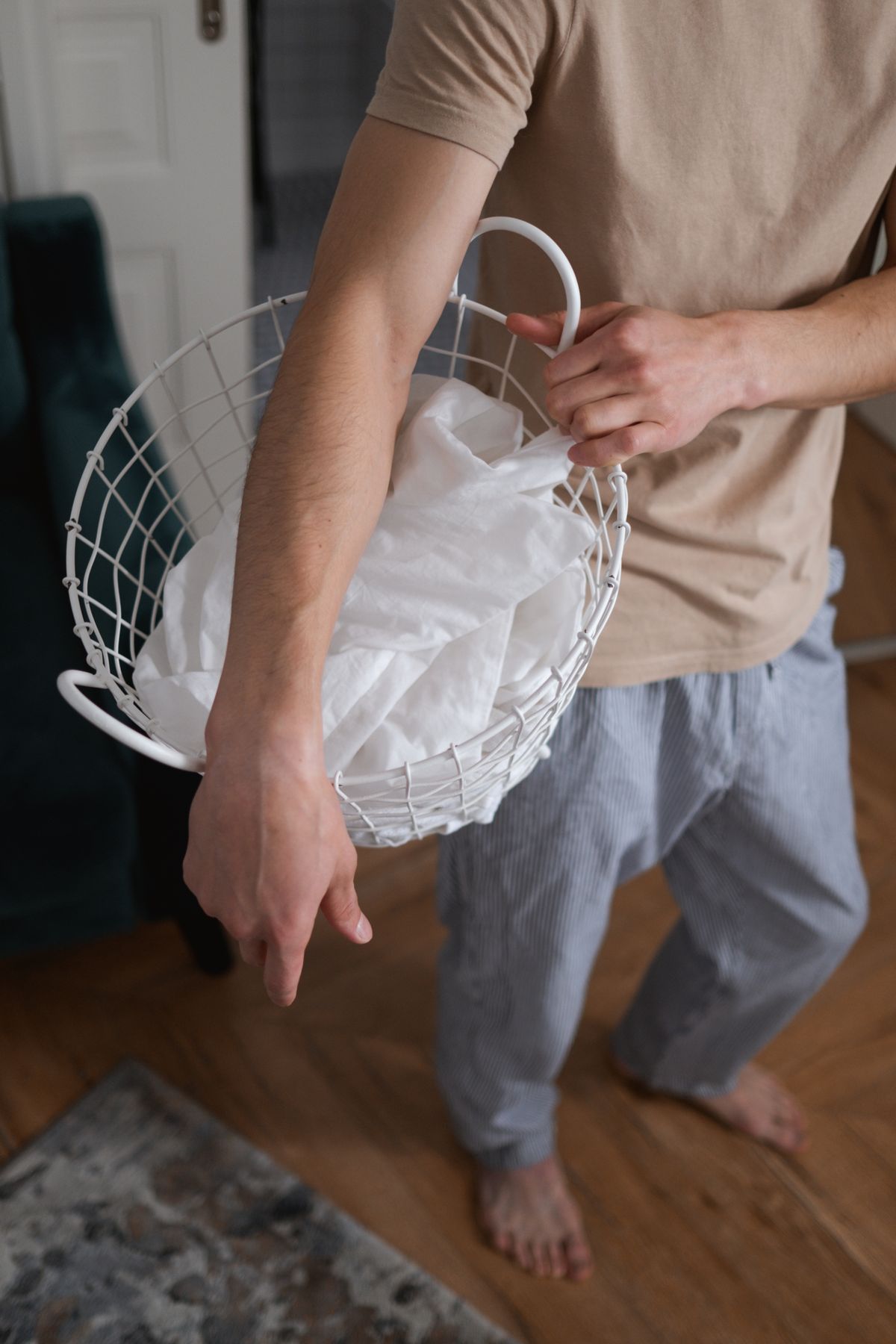
Person holding a laundry basket filled with clothes
Illustrative laundry basket; not a verified comparison model. Photo: Pexels.

A laundry basket should work along the route between bedroom, washer and drying area. The opening must fit the load, the handles must suit the carry, and the empty basket needs somewhere to live. Plastic and fabric change those details more than a simple capacity number suggests.

Compare the whole routine

Priority Rigid plastic Fabric or collapsible design
Shape while loading Structure stays in place Check how the model holds itself open
Empty storage Needs room for its full shape Some collapse substantially
Care Check body and handle instructions Check fabric, coatings and rigid parts

When plastic is the straightforward choice

A rigid basket can be convenient beside a washer or while sorting on the floor. Sterilite’s HipHold design illustrates a basket shaped for carrying against the body. Whether that is comfortable depends on your grip, the full load and the distance involved—not just the product name.

Check the handle openings and rim. A loaded basket can be awkward even if the empty one feels light. Measure doorways and narrow corners along the route. A wide basket that fits the laundry volume may still be inconvenient on stairs or through a shared laundry-room door.

When fabric earns its place

A collapsible fabric basket can suit a small cupboard or a trip to communal machines. Joseph Joseph’s Hold-All is an example designed to maintain its shape when empty and collapse for storage. Other fabric bags may behave differently, so check the opening and base rather than assuming all cloth products stand upright.

Look at how the handles meet the body and whether you need one hand or two for the intended load. Long handles can be useful for some carries but awkward if the base drags or the opening closes on folded clothes. Choose the arrangement that suits the route you actually walk.

Check damp-load and cleaning guidance

A material label does not tell you whether a basket is intended for wet washing. Check liners, coatings and drying instructions. A fabric basket may not be machine washable, particularly when it contains a rigid base or reinforcing parts. A rigid plastic basket can also have components needing particular care.

For both designs, consider how you will keep the basket clean between dirty clothes and freshly laundered items. Let it dry as directed before storing it collapsed. If you want separate clean and dirty containers, two simple suitable baskets may be more useful than one premium oversized one.

Which offers better value?

Buy plastic when fixed structure and the carry shape solve the job. Buy fabric when empty storage is a genuine constraint and the construction suits your loads. Keep an existing basket with sound handles if it already works well; replacing it solely for a larger capacity may encourage a heavier, less manageable carry.

Compare listings in your country

These buttons open matching Amazon search results, rather than a guaranteed in-stock offer. Confirm the exact model, seller, included parts, delivered price and return terms. Prices and availability can differ between the United States and Canada.

plastic laundry baskets

fabric laundry baskets

Related guides on My Indoor Space

Sources and research

Black and red canister vacuum cleaner on carpet
Laundry & Cleaning

Bagged vs Bagless Canister Vacuum: Which Suits an Apartment?

Disclosure: As an Amazon Associate, My Indoor Space earns from qualifying purchases through links in this article, at no extra cost to you.

Quick verdict

Choose bagged if you prefer collecting dirt in a replaceable bag and can keep the correct supplies available. Choose bagless if you prefer a reusable bin and accept emptying and filter maintenance. Floor-head suitability and the complete filtration design matter more than the bag label alone.

Research-based buying guide. Product information checked October 16, 2026. We have not tested these products hands-on; recommendations distinguish published features from our buying judgments.

bagged canister vacuums

bagless canister vacuums

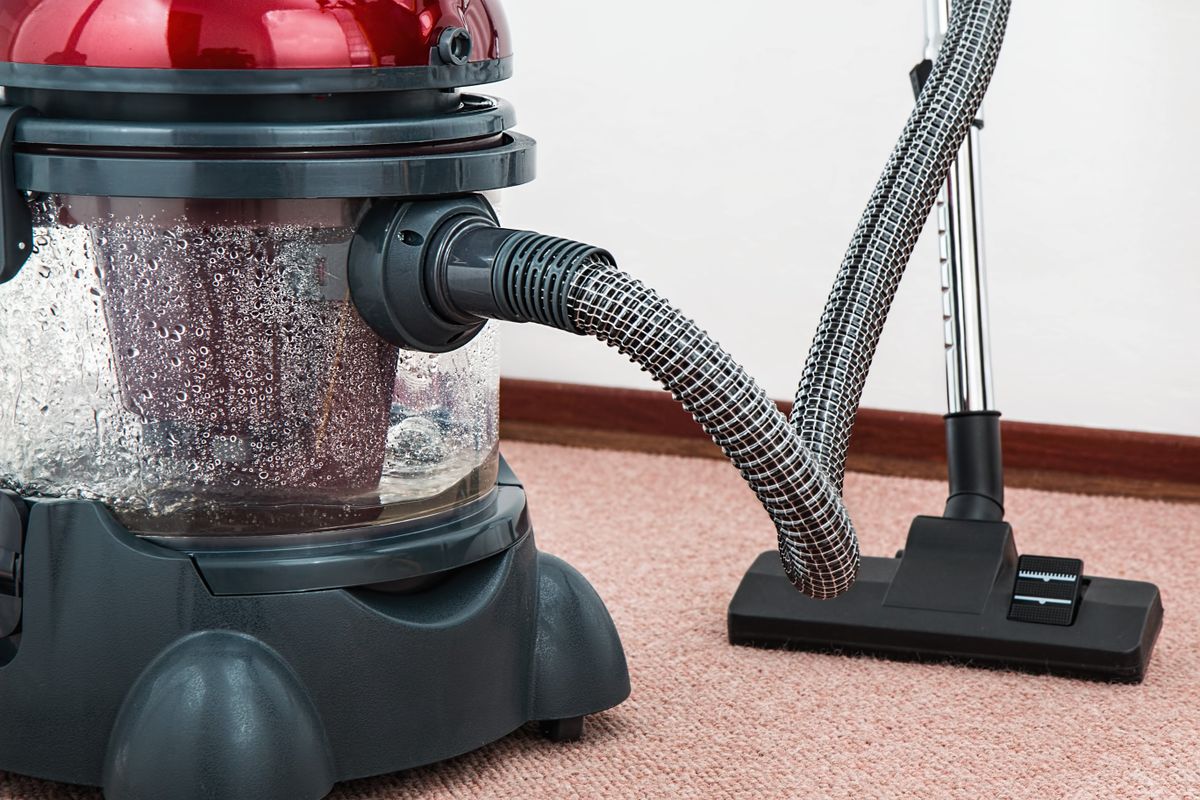
Black and red canister vacuum cleaner on carpet
Illustrative canister vacuum; this pictured model is not one of our tested products. Photo: Pexels.

In an apartment, a canister vacuum has to clean your floors, fit in a cupboard and be manageable when you dispose of the dirt. Bagged and bagless designs change that last step. They do not, by themselves, tell you how well a particular floor head handles your rug or how easily the machine moves around furniture.

Compare the ownership routine

Question Bagged Bagless
Dirt collection Replaceable bag Reusable dust bin
Supplies Correct bags plus specified filters Specified filters and bin care
Disposal Remove and replace bag as instructed Empty bin and clean components as instructed

When bagged is the better fit

A bag can make disposal convenient if you prefer handling a contained load rather than pouring loose dirt into a bin. Check how the particular bag closes and is removed; not every bagged vacuum has the same sealing arrangement. Plan somewhere to keep the correct replacement bags.

Maintenance still matters. Miele’s support guidance explains that a full bag or clogged filters can reduce cleaning performance. A bag is not a reason to ignore the filter schedule or keep vacuuming beyond the indicated fill condition. Verify local availability and the cost of the correct supplies before committing to a discounted machine.

When bagless makes sense

A reusable bin avoids buying collection bags and makes its fill level easy to inspect on transparent designs. But “no bags” does not mean no maintenance or ongoing expense. Read the model’s filter replacement and cleaning requirements, and check how the bin opens over your household rubbish container.

If a filter is washable, follow its cleaning and drying instructions before reinstalling it. Do not assume all filters or motor components can be rinsed. Choose a bin arrangement you can empty without repeatedly making a mess in the small space available. The convenience is partly about your disposal routine, not only the machine’s specifications.

Choose for the floors first

Check the included floor head for your mix of hard flooring, low rugs and thicker carpet. A brand may sell similar canisters with different heads, accessories and filters. A low price on a basic package can stop being a saving if you need an expensive compatible head afterward.

Assess hose and wand storage, cord reach, carrying weight and the turning space around furniture. Measure the storage arrangement with the hose attached or detached as intended. A compact body still needs room for the full set of accessories.

Where to spend the upgrade money

Pay for a suitable head, manageable handling and clearly documented filtration. Neither bagged nor bagless automatically establishes a HEPA filter or a sealed whole-machine system. Compare the exact package rather than assuming an allergy claim applies to every model. Keep a working vacuum if it already suits the floors and its maintenance is practical; changing the collection system alone may not improve cleaning.

Compare current listings in your country

These buttons open matching Amazon search listings rather than a guaranteed in-stock offer. Confirm the exact model, seller, included parts, delivered price and return terms. Offers can differ between the United States and Canada.

bagged canister vacuums

bagless canister vacuums

Related guides on My Indoor Space

Sources and research

Person cleaning a floor with a mop in a home
Laundry & Cleaning

Bona Premium Spray Mop vs Swiffer PowerMop: Which Costs Less to Keep?

Disclosure: As an Amazon Associate, My Indoor Space earns from qualifying purchases through links in this article, at no extra cost to you.

Quick verdict

Choose Bona when you want a washable microfiber-pad routine and refillable cartridge, provided its cleaner suits your floor. Choose PowerMop when compatible disposable pads and its spray routine make cleaning easier for you. Floor-finish approval comes first; a low-cost mop is poor value if its solution or moisture method is unsuitable.

Research-based buying guide. Product information checked October 16, 2026. We have not tested these products hands-on; recommendations distinguish published features from our buying judgments.

Bona Premium hardwood spray mop

Swiffer PowerMop Wood

Person cleaning a floor with a mop in a home
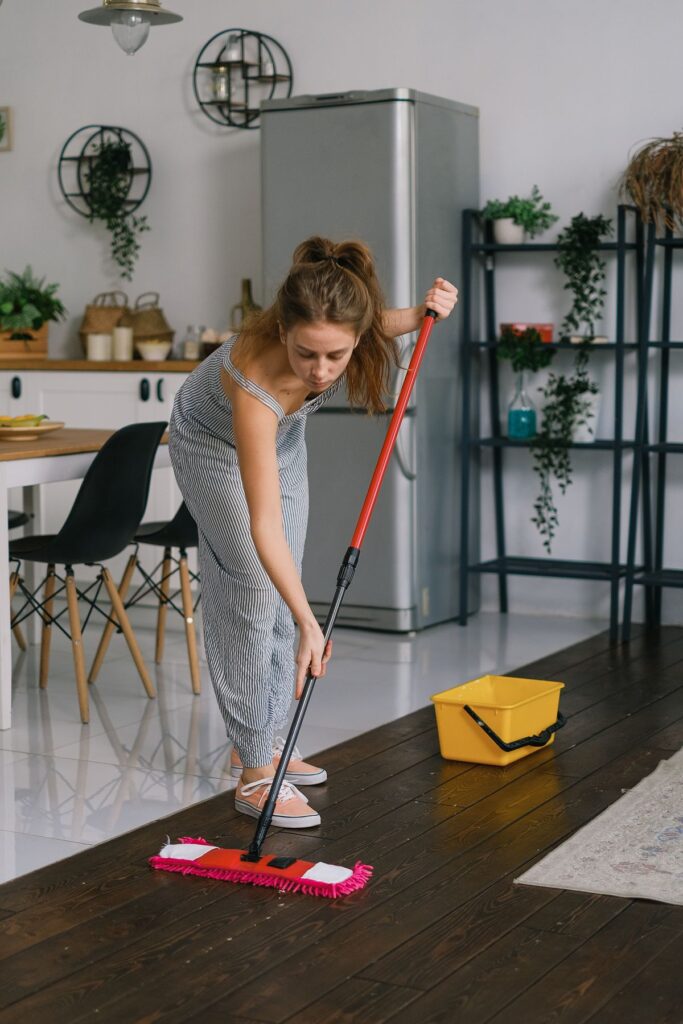
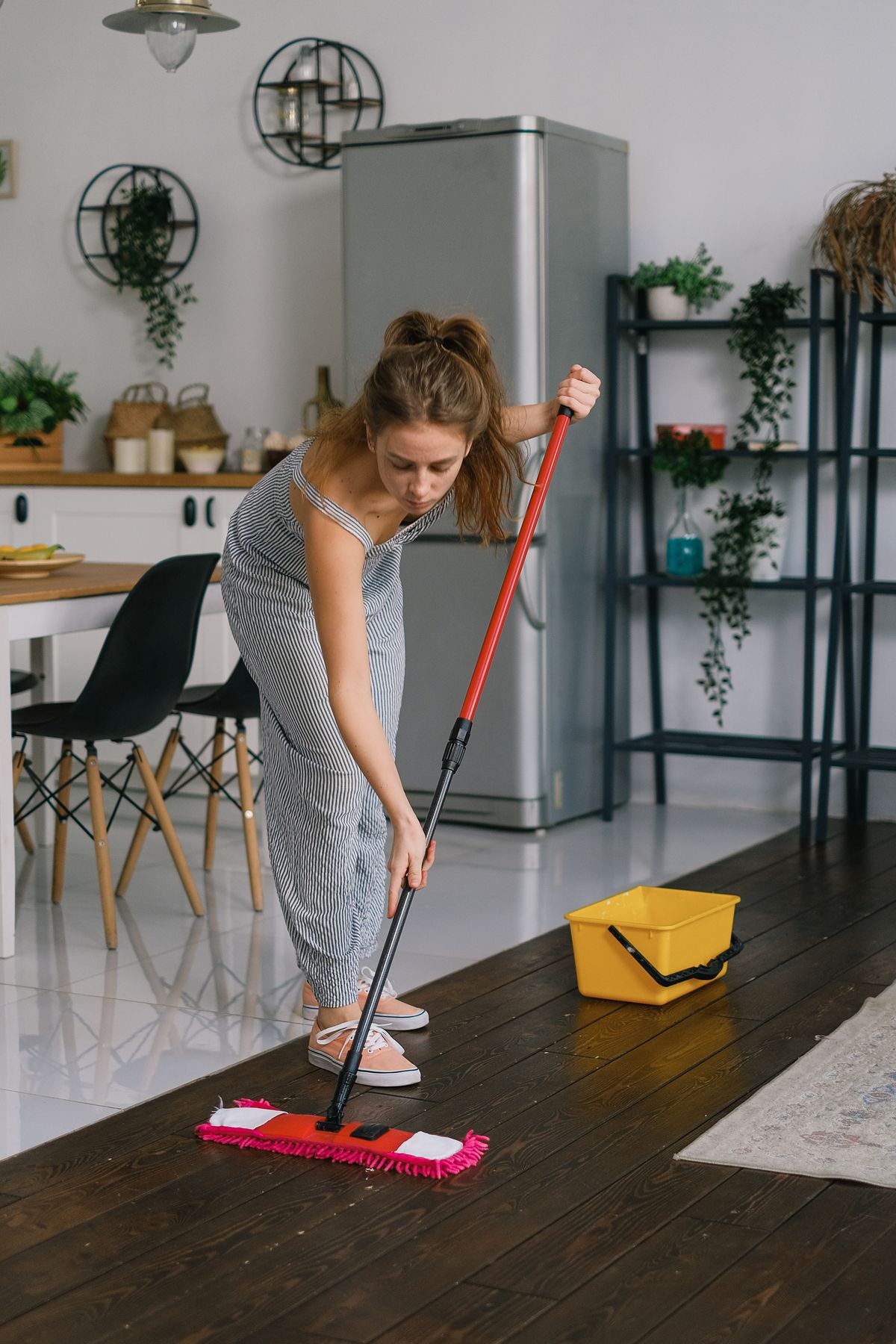
Illustrative cleaning photo; neither compared mop is pictured. Photo: Pexels.

The price on the starter kit is only the beginning. Spray mops create different recurring purchases and cleanup routines. Comparing the Bona hardwood system with PowerMop Wood is most useful when you account for pads, cleaner, washing and your specific floor finish.

The routine you are buying

Question Bona Premium hardwood system Swiffer PowerMop Wood
Pad routine Washable reusable microfiber Compatible disposable refills
Cleaner handling Refillable cartridge Matching PowerMop solution system
Best buyer Willing to wash and rotate pads Prefers a fresh disposable pad

Who should choose Bona?

Bona’s Canadian listing describes a refillable cartridge and an extra-large reusable microfiber cleaning pad as part of its hardwood system. The attraction is a repeatable pad-washing routine rather than buying a fresh disposable pad for every cleaning session.

Buy enough suitable pads that a clean one is available when another is being washed and dried. A dirty pad dragged around several rooms is not an effective substitute for changing or cleaning it. Follow pad care directions and avoid products that reduce microfiber performance.

Who should choose PowerMop?

PowerMop suits someone who values a simple compatible refill routine and does not want to launder pads. Swiffer sells different systems and solutions, so confirm the kit is PowerMop and the chosen floor version, rather than a WetJet or ordinary sweeper bundle.

The Wood kit and Multi-Surface kit should not be treated as automatically identical. Check pad and solution compatibility before buying bulk refills. A large pack for the wrong mop is not a saving.

The floor finish decides compatibility

Swiffer explicitly excludes unfinished, oiled or waxed wooden boards, non-sealed tiles and carpet from the cited PowerMop use. Bona’s hardwood cleaner also needs to be matched to the floor and finish. Neither product name overrules your flooring maker’s maintenance instructions.

If you do not know the finish, establish it before applying a new cleaner. In a rental, ask management for the flooring-care information when needed. Test in an inconspicuous permitted area and avoid leaving excess moisture on the surface.

Compare annual cost with your own habits

List how often you mop and how many pads you use each time. Add solution, disposable refills, any batteries and the washing cost of reusable pads. Divide pack prices by the count you actually receive.

For illustration, an extra C$0.80 of consumables per weekly cleaning adds C$41.60 a year. These are example amounts, not current product prices. The arithmetic helps show why a modest kit discount may matter less than the refill routine.

Handling matters as much as refill cost

Check the trigger, head movement and reach around furniture. Think about how a filled reservoir changes the weight in your hands and where you will store the mop upright. A large head may cover open floor efficiently but be awkward in a narrow bathroom.

We have not conducted a cleaning-performance comparison or measured solution use. Reusable versus disposable is a practical ownership distinction, not proof that one removes more dirt in every home.

When to skip both

A suitable existing microfiber mop and a flooring-approved cleaning routine may already be enough. Do not replace it merely for an integrated spray bottle. If your task is carpet cleaning, grout restoration or removing a damaged finish, a spray mop is not the appropriate upgrade.

Choose a system you can maintain. Reusable pads only deliver their intended convenience when they get washed; disposable pads only deliver theirs when replacements remain affordable and available.

Final winner

Bona is the stronger fit for a refill-and-wash routine; PowerMop is the stronger fit for compatible disposable convenience. Compare local Canadian or U.S. refill prices, then choose the mop and cleaner your floor permits. A cheaper starter kit should never be the only deciding factor.

Compare current listings in your country

These buttons open matching Amazon search listings rather than a guaranteed in-stock offer. Confirm the exact model, seller, included parts, delivered price and return terms. Offers can differ between the United States and Canada.

Bona Premium hardwood spray mop

Swiffer PowerMop Wood

Related guides on My Indoor Space

Sources and research

Laundry hampers in a bright laundry room
Laundry & Cleaning

Dual Laundry Hamper vs Rolling Sorter for an Apartment

Disclosure: As an Amazon Associate, My Indoor Space may earn from qualifying purchases through links in this guide, at no extra cost to you.

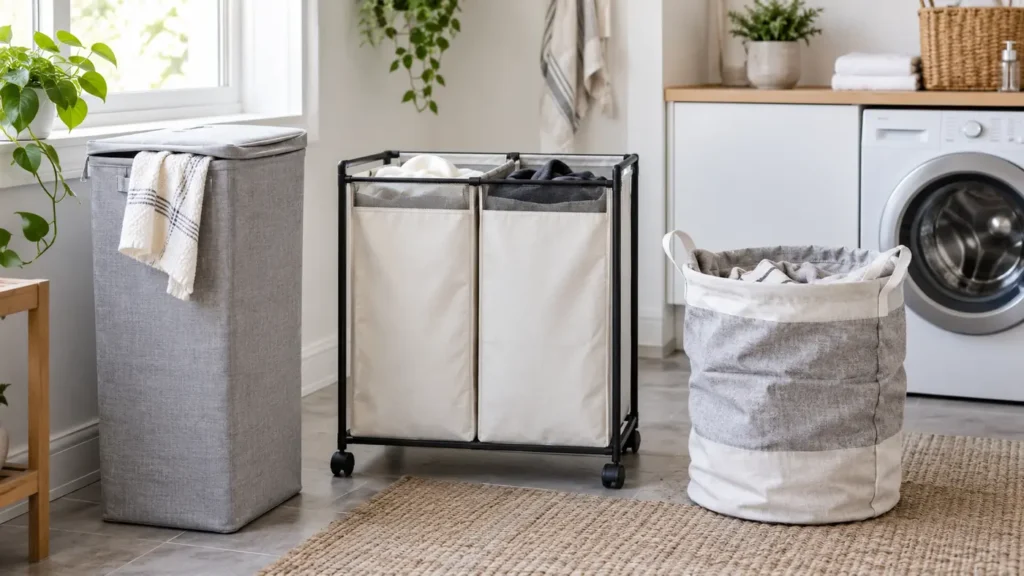
Sorting laundry before wash day sounds efficient until the sorter blocks the bedroom doorway. In a small apartment, a tall dual-bin hamper and a wide rolling three-bag sorter solve different problems. The right one depends on floor area, how you carry clothes to the machine, and whether you actually separate more than two loads.

Quick verdict

Choose a dual-compartment hamper for a tight bedroom or closet. Choose a rolling three-bag sorter for a dedicated laundry corner and a household that divides loads at least three ways. Brabantia’s 55 L Selector illustrates a compact two-section bin; Honey-Can-Do’s rolling triple sorters illustrate the wider, transportable format. These are examples from maker documentation, not products we have personally tested.

What changes in daily use?

Choice Helps with Costs you
Dual-bin hamper Sorting lights and darks where floor area is scarce Two categories and carrying the liner to laundry
Three-bag rolling sorter Separating towels, delicates, and clothing before wash day More width, caster clearance, and exposed bags
One simple hamper A one-person household doing mixed loads Sorting later when it becomes necessary

Measure the path, not just the corner

A sorter can fit along a wall but still block a door when pulled out. Honey-Can-Do lists one three-bin mesh model at 28.25 by 13.5 by 30 inches, with removable drawstring bags. Add room to remove each bag and turn the frame. In an apartment with a shared laundry room or stairs, carrying a removable bag may be more practical than rolling a full frame.

Think about what actually goes in each bin

The Brabantia Selector has two openings and a washable divided liner for two categories. That can prevent the top of a single hamper becoming a pile of separately sorted clothes. A third compartment earns its space only if the household consistently has a third distinct wash load. Labels or different bag colours can help everyone sort the same way, but they cannot fix a capacity mismatch.

Who buys and who skips

Dual hamper: Buy for a bedroom, closet, or narrow laundry nook where two categories are enough. Skip when towels and delicate items need their own bags and are frequently washed separately. Rolling sorter: Buy when you have a floor-level laundry area and a repeatable three-load routine. Skip when moving it over thresholds or carrying it downstairs is harder than lifting one bag.

Best value and upgrade

If you are one person with one mixed load, use a simple hamper first. For two streams, a divided liner or dual-bin hamper is the efficient upgrade. A sturdy wheeled sorter is worth more when the household volume and the route to a nearby washer justify its footprint.

Buying mistakes to avoid

  • Measuring the storage corner but not the doorway or the space needed to lift out a bag.
  • Buying three compartments when you usually wash only one or two categories.
  • Assuming wheels make a sorter convenient on stairs or across high thresholds.
  • Choosing capacity without checking whether a full removable bag is comfortable to carry.

Questions apartment dwellers ask

Is a rolling sorter useful with shared laundry facilities?

Only if the route is suitable for the frame and wheels. For stairs, tight doors, or a trip outside the building, removable bags may be the useful feature. Measure the route before choosing the larger sorter.

Do I need two compartments or three?

Match the compartments to the loads you regularly wash. Two can suit a simple split; a third earns its floor space when you consistently separate another category. A single hamper remains sensible when you sort only on wash day.

Can the bags or liner be washed?

Check the care instructions for the exact model. Honey-Can-Do describes washable mesh bags for the example linked below; do not apply that instruction to every hamper liner or put its frame in the washing machine.

Final winner

In a small apartment, the dual-compartment hamper wins on space. A three-bag roller wins only when there is a dedicated route and three real laundry categories. Measure width, bag removal space, and the laundry-room journey before buying.

Related: small-space hamper guide and folding drying racks.

Research: Brabantia Selector details; Honey-Can-Do three-bin size and bag features.

Robot vacuum and cordless stick vacuum in a small apartment
Laundry & Cleaning

Robot Vacuum vs Cordless Vacuum for a Small Apartment

Disclosure: As an Amazon Associate, My Indoor Space may earn from qualifying purchases made through links in this guide, at no extra cost to you.

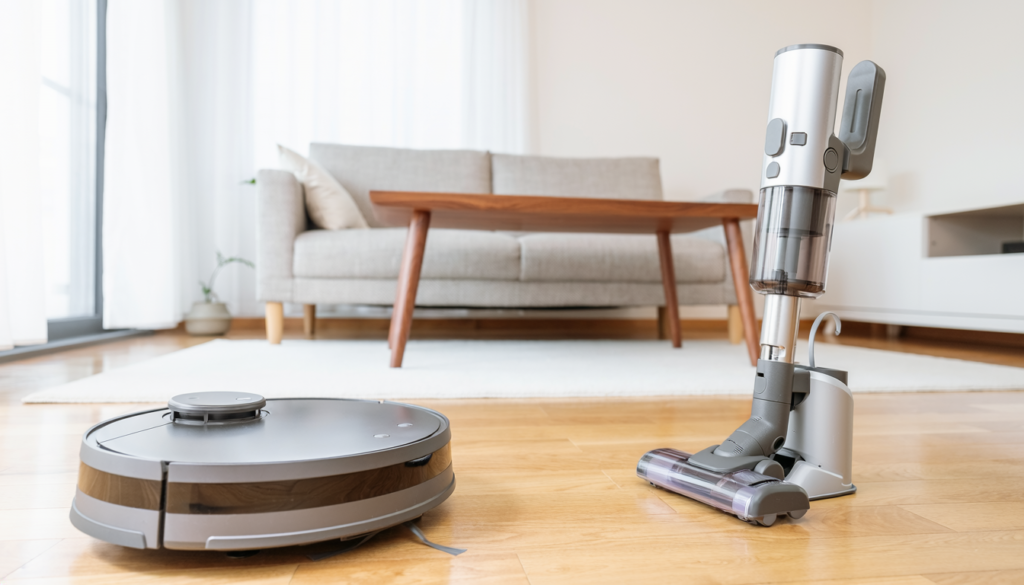
Both kinds of vacuum can help in a small apartment, but they solve different jobs. A robot makes regular passes across reachable floors. A cordless stick follows you to the sofa, stairs, corners, and sudden messes. If you can buy only one, choose the one that covers the dirt you actually notice.

Quick verdict

Buy a cordless stick first if you need one tool for floors, rugs, upholstery, and edges. Buy a robot first when open floor area dominates and automatic maintenance is the job you most want to offload. If budget allows both, they complement each other; a robot does not remove the need for a manual vacuum.

How this guide was made: a research-based comparison of product types, published maker details, and the practical fit questions below. We have not claimed hands-on testing.

Who should buy it—and who should skip

For: A robot suits predictable open layouts with manageable thresholds and little floor clutter. A cordless stick suits mixed surfaces, tight furniture gaps, stairs, and pet hair on upholstery.

Skip: Skip a robot if cords, socks, high thresholds, or deep rugs regularly obstruct its route and you do not want to prepare the floor. Skip a cordless stick if the need for regular manual cleaning means it will remain unused.

Compare the real alternatives

Option Best for Main trade-off
Robot vacuum Frequent routine passes on open floor Navigation limits and routine brush/bin care
Cordless stick Whole-home spot work and upholstery Requires the person to do every pass
Both Automatic upkeep plus edge and furniture cleaning Two purchases and two maintenance routines

Draw the actual cleanable floor

Subtract rug fringe, cables, narrow chair legs, and low furniture from the advertised apartment size. A robot may run every day but still leave spaces that require manual work. iRobot advises clearing loose clothes, shoelaces, and cords that can entangle a robot’s rollers.

Decide which dirt is hardest to live with

For crumbs on hard floors, regular robot runs can reduce the visible daily mess. For sofa hair, stairs, corners, and baseboards, a stick is easier to aim. A robot cannot lift itself onto upholstery or into a cabinet gap.

Compare maintenance, not just convenience

Robots need brushes, filters, sensors, and bins maintained; self-emptying docks add size and consumables. Cordless sticks need filters and brush heads cleaned and a battery charged. Dyson notes that battery life depends in part on maintenance and storage. Neither class is entirely hands-off.

Watch thresholds, rugs, and storage

Check the specific robot’s threshold clearance against the transition strips in your apartment; do not assume all models climb the same height. Confirm a docking location with power and space around it. A stick needs a charging location and storage for attachments.

Best value

A versatile cordless stick is the better single-vacuum value for most small apartments because it covers floors and above-floor messes.

When to pay more

Add a robot when the repetitive open-floor work is frequent enough to justify a second machine and your layout lets it finish a route reliably.

Buying mistakes

  • Buying a robot before mapping cables and thresholds.
  • Treating “hands-free” as maintenance-free.
  • Comparing advertised runtime without looking at the mode you will actually use.

Questions buyers ask

Can a robot replace a cordless stick?

Usually not for furniture, stairs, edges, or sudden dry messes. It can reduce the number of full-floor passes you do manually. Do not use an ordinary dry vacuum to collect liquids; wet pickup requires a model explicitly designed for that job.

Which is better with pets?

Choose by where the hair collects: open floor favors a robot; upholstery and corners favor a stick.

Final winner

If you can buy only one, the cordless stick is the broader tool. Let a robot earn its place when its daily floor route works in your real layout.

Related reading: robot vacuum apartment guide; cordless vacuum apartment guide.

Research sources: iRobot guidance on preparing floors; Dyson cordless battery care.

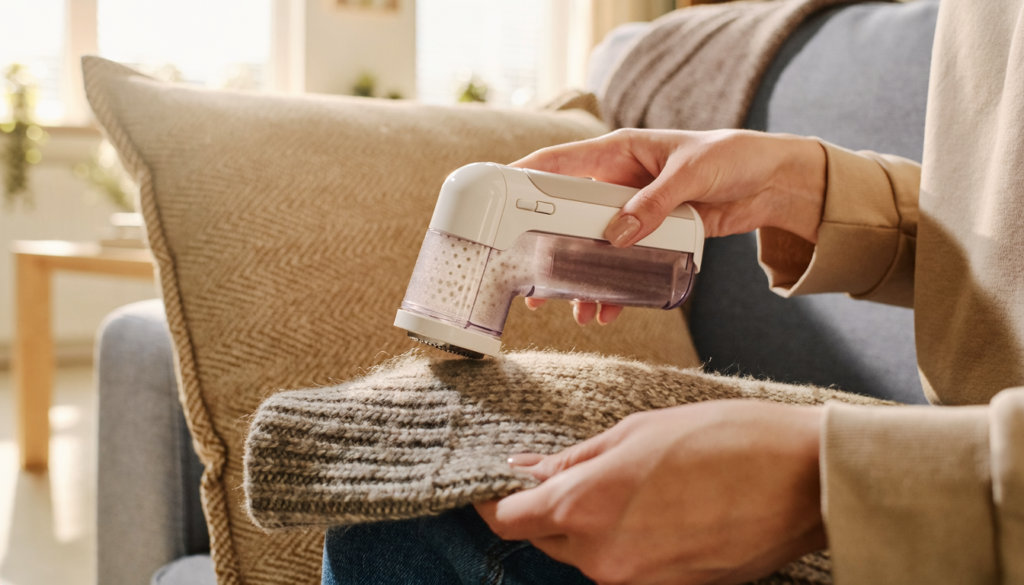
Fabric shaver being used on a sweater in a cozy apartment
Laundry & Cleaning

Best Fabric Shaver for Sweaters and Upholstery

Disclosure: As an Amazon Associate, My Indoor Space may earn from qualifying purchases made through links in this guide, at no extra cost to you.

Pilling can make a good sweater look worn before the fabric itself is finished. A fabric shaver removes raised pills with a rotating blade behind a perforated guard. The useful question is not how powerful it sounds, but whether you can control it gently on the fabrics you own.

Quick verdict

Choose a compact shaver with a protective guard, a removable lint bin, a head you can clean, and a grip that lets you keep the fabric flat. A rechargeable model is convenient for frequent use; replaceable batteries can be simpler for occasional use and long storage.

Who this is for—and when to skip it

Buy it for: Removing attached pills from otherwise usable garments, when both the fabric care instructions and the shaver’s manual permit it.

Skip it when: The problem is loose lint or pet hair, or the fabric has loose threads and delicate raised details. A lint brush or roller is the simpler choice for surface debris.

How this guide was made: a comparison of shaver types and garment-care trade-offs, without hands-on testing claims. For an example of the controls and care information to check, see the Philips GC026 support and manuals; follow the instructions for the model you buy.

Which type fits your home?

Type Best for Trade-off
Rechargeable electric Frequent sweater and couch touch-ups Requires charging and battery care
Battery-powered electric Occasional use Replacement batteries add cost
Manual sweater comb Careful work on suitable knits Slower and requires a light touch
Lint roller Loose hair and surface lint Does not trim anchored fabric pills

Guard design matters more than speed

The mesh guard should keep fingers away from the blades and create a consistent distance from the cloth. On raised seams, embroidery, delicate knits, and loose threads, even a guarded shaver can snag material. Try a hidden area before using it on an expensive garment.

Lay fabric flat and let the tool do the work

Smooth the garment on a firm surface. Make light passes without pushing the head into the cloth. Empty the lint bin before it packs full, and stop if the motor sounds strained. Never shave clothing while someone is wearing it or near skin.

Choose power for your routine

A rechargeable shaver makes sense if you use it weekly on sweaters, throws, or upholstery. Battery-powered versions can sit in a drawer without waiting for a charge. Check the manual for blade replacement availability and whether you can clean the head without awkward tools.

Know when not to shave

A surface with loops, textured embroidery, or loose yarn may pull into the blade. Some fabrics pill because fibers are breaking down; repeated shaving can thin the material. Read the fabric care label and use a brush or roller for loose lint and pet hair instead of trimming sound fibers.

Best value

A basic guarded electric shaver with an easy-to-empty container is enough for most everyday knits.

When the upgrade earns its price

Pay for a better head and replaceable blades when you use it often across large upholstery areas, rather than paying for a display or unnecessary modes.

Buying mistakes to avoid

  • Pressing hard on delicate fabric or raised seams.
  • Using a lint roller as if it could remove attached pills.
  • Buying a sealed head that is difficult to clear when clogged.

Common questions

Will a fabric shaver damage a sweater?

It can if used with pressure, on loose threads, or on delicate textures. Test an inconspicuous spot and work gently.

Does it remove pet hair?

It trims pills; a lint brush or roller is a better first tool for loose pet hair.

Final pick

A guarded, easy-to-clean shaver can refresh everyday knits. Work lightly and treat delicate or loose fabrics as exceptions rather than testing the blade on them.

Keep comparing with our clothes steamer buying guide, laundry hamper guide.

Scroll to Top