Author name: takeonevideoandphotos@gmail.com

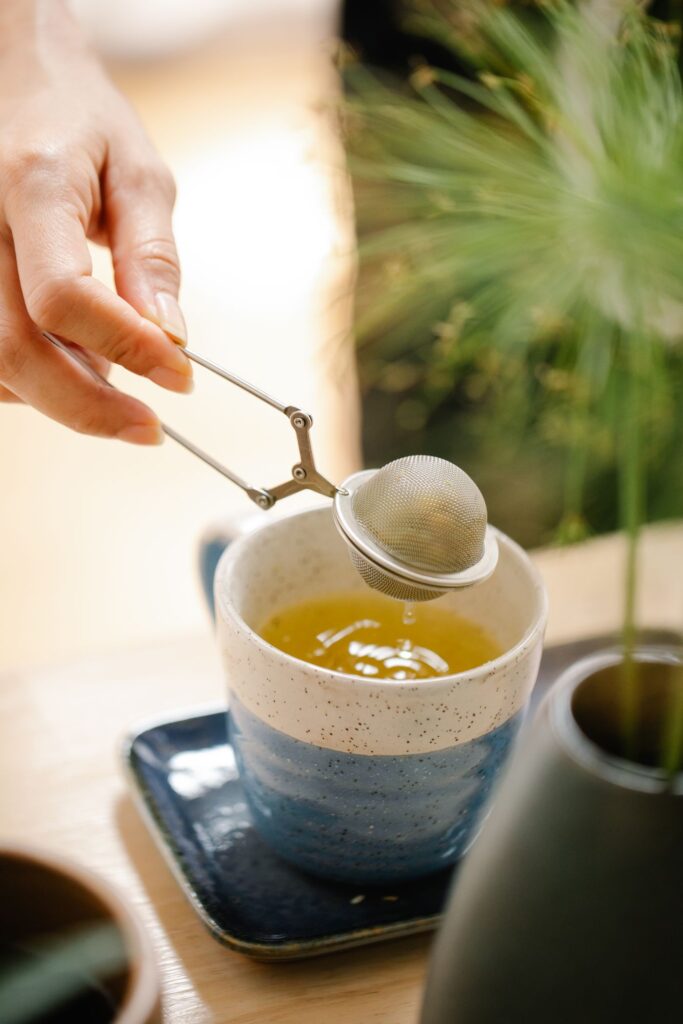
Tea infuser held above a mug
Kitchen & Dining

Hario ChaCha Kyusu Maru vs Bodum Assam: Basket or Tea Press?

As an Amazon Associate, My Indoor Space earns from qualifying purchases.

Quick verdict

Choose the Hario Maru for a straightforward removable-basket routine and a size that matches your cups. Choose the Bodum Assam if you specifically prefer lowering a press instead of lifting out a wet basket at serving time. Neither is a stovetop kettle, and the convenience of a press does not make steeping time irrelevant.

Research-based buying guide, checked October 18, 2026. We have not tested these products hands-on. Manufacturer specifications and attributed outside findings are distinguished from our buying judgments.

Tea infuser held above a mug
Context photo: loose-leaf tea preparation, not either teapot.

Who should buy or skip

Buy if: you make multiple servings of loose-leaf tea and want one pot for steeping and pouring.

Skip if: you normally drink one small mug, need an unbreakable pot or expect the teapot to boil water.

Compare the choices

Choice Choose it for Main tradeoff
Hario ChaCha Kyusu Maru A roomy removable metal basket Needs somewhere for the wet basket
Bodum Assam tea press Lowering a plunger to isolate leaves Extra press components to clean
Infuser basket in a mug A simple single-serving routine Less convenient for serving several people

Decide what happens when steeping ends

Hario’s Maru holds leaves in a removable stainless basket. You lift it out when the tea reaches your preferred strength. Plan a small dish for the wet filter rather than leaving it on a surface that will stain.

Bodum markets the Assam press as stopping further brewing when its plunger is lowered. That is a manufacturer description, not our measured extraction result. If you are very sensitive to changes in strength, serving or decanting the tea promptly is still a straightforward way to manage the routine.

Match volume to your cups

Hario lists Maru practical capacities of 300, 450 and 700 ml. The Assam version considered here is 1 L. These are different serving sizes, so a price comparison without volume can be misleading.

Measure the mug you actually use. If a 700 ml pot already covers your normal tea round, a litre may be unnecessary. If you serve several people, a small decorative pot may require repeated brewing. The right size is more useful than the lowest price per advertised cup.

The leaf basket deserves a close look

Hario emphasizes space for leaves to expand. Check the exact filter depth and minimum useful water level for the chosen pot. A large vessel with a shallow dose can leave the leaves poorly positioned in the brewing water.

For the Assam, inspect the filter and plunger assembly and how it comes apart for cleaning. Fine leaf particles and wet tea collect in different places than they do in an open basket. We have not tested filtration with tiny-leaf blends or compared pouring drips.

Glass needs the right heating and cleaning treatment

Both products discussed here use heatproof glass, which remains breakable. Heatproof is not the same as safe on a flame. Hario explicitly says the Maru is not for an open fire, induction stove or oven, and requires removing the metal strainer for microwave use.

Use separately heated water and follow the exact pot’s manual. Let components cool appropriately before washing and avoid treating a press handle as a carrying handle. Check whether replacement lids, glass or filters are available before selecting a model you expect to keep for years.

Buying in the United States or Canada

Match Maru CHJMN-70T if you want the linked 700 ml version, and a 1 L Assam with the intended stainless filter. Bodum sells different Assam finishes and sizes; verify materials rather than relying on the first product photo in a US or Canadian search.

The buttons open the named country’s Amazon search results. Match the exact model, size and included parts before ordering. Compare delivered cost, seller and return terms; no fixed price, availability or warranty eligibility is promised.

Questions before ordering

Will the Assam keep tea hot like a vacuum flask?
It is a glass tea press, not an insulated vacuum carafe. Do not transfer heat-retention claims from a different product category.

Is Maru’s basket simpler for one cup?
A smaller Maru can work, but a suitable basket in your existing mug may be an even simpler purchase for one serving.

Final buying decision

Maru is our choice for a familiar lift-out basket and flexible size selection. Assam is worth considering when its press routine solves the wet-basket inconvenience for you. Choose the actual volume, filter arrangement and replacement parts before paying for a decorative finish.
Related guides

Sources and research

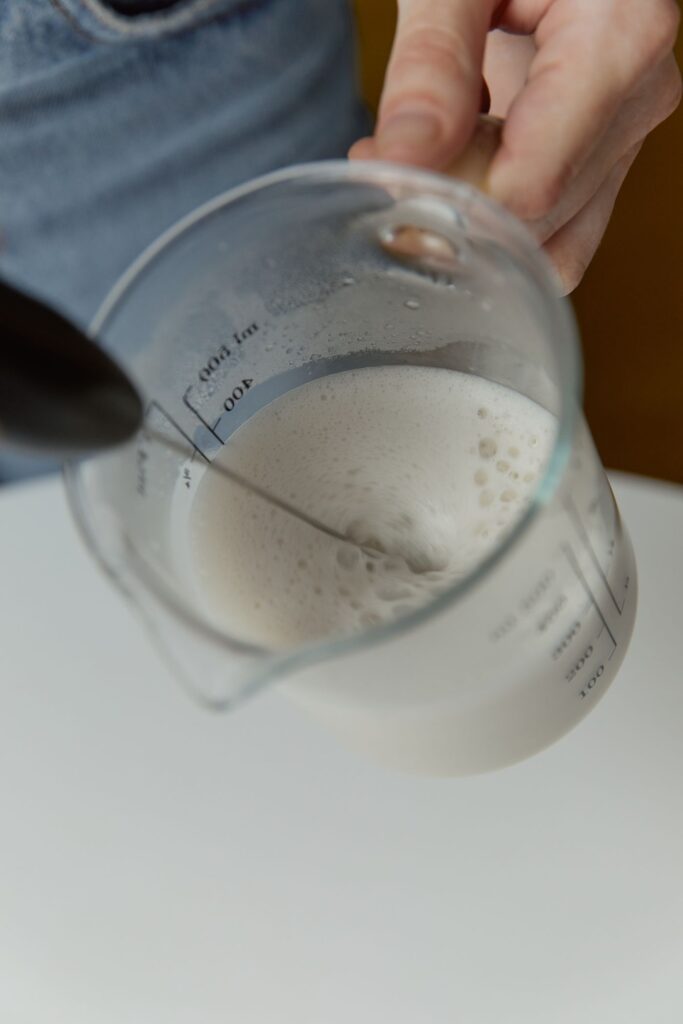
Cup of milk being held during coffee preparation
Kitchen & Dining

Bialetti Tuttocrema vs Bodum Latteo: Stovetop or Microwave?

As an Amazon Associate, My Indoor Space earns from qualifying purchases.

Quick verdict

Choose the aluminium Tuttocrema if you want to heat milk on a compatible stovetop and then froth by hand. Choose the glass Latteo if you prefer its microwave-compatible glass-carafe workflow. Both require manual pumping; choose an automatic heating frother if that recurring work is what you want to remove.

Research-based buying guide, checked October 18, 2026. We have not tested these products hands-on. Manufacturer specifications and attributed outside findings are distinguished from our buying judgments.

Cup of milk being held during coffee preparation
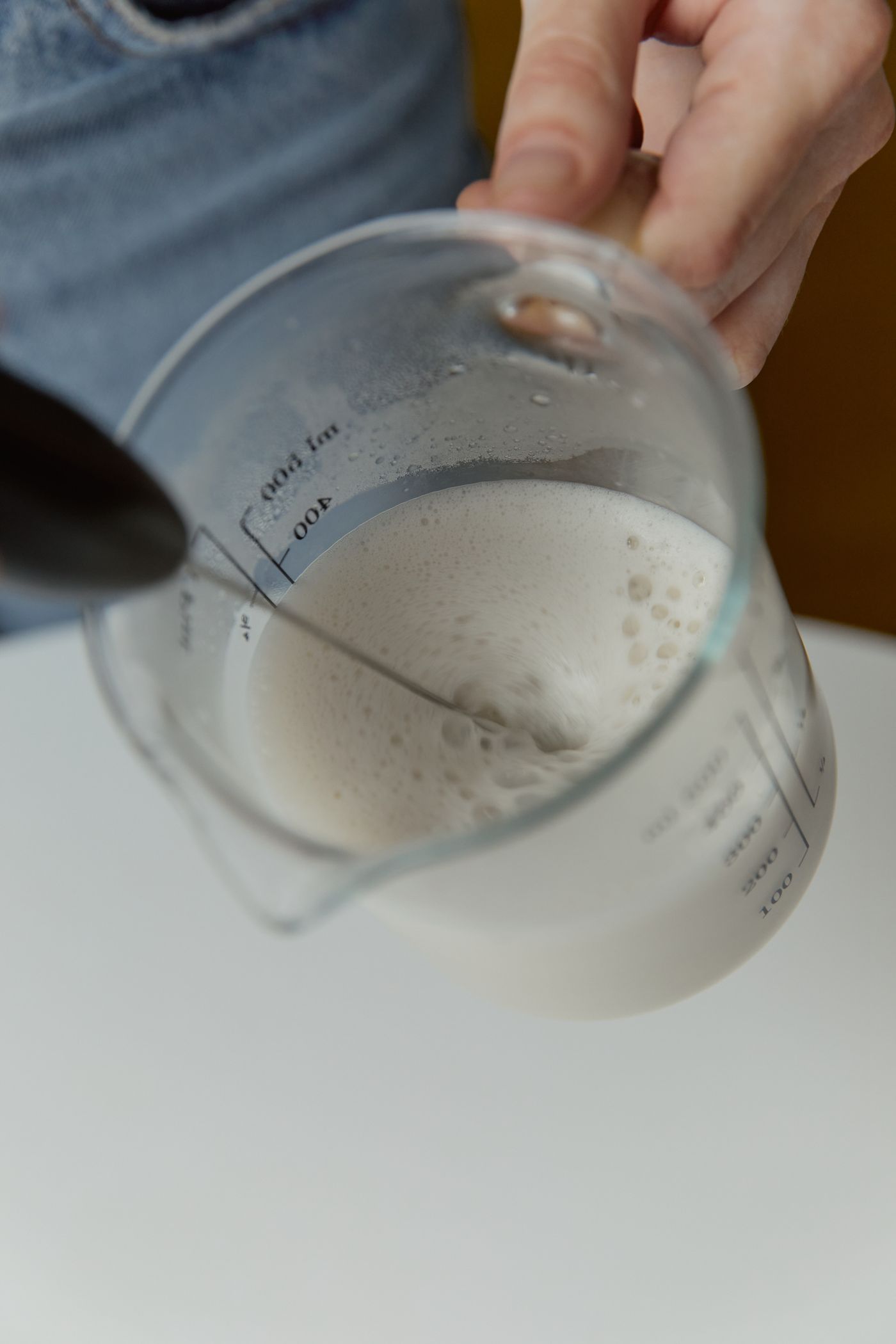
Context photo: milk prepared for coffee, not either manual frother.

Who should buy or skip

Buy if: you want occasional milk foam without adding a powered appliance and accept manual operation and prompt washing.

Skip if: you want automatic temperature control, effortless repeated drinks or guaranteed cafΓ©-style microfoam from any milk.

Compare the choices

Choice Choose it for Main tradeoff
Aluminium Tuttocrema Compatible stovetop heating in the jug Not the induction version; no automatic shutoff
Glass Latteo A glass-carafe and microwave heating routine Breakable glass and manual pumping
Automatic heating frother Less manual work and a heating cycle Extra appliance, electrical parts and capacity limits

Choose the heat source before the brand

The Tuttocrema in this guide is the aluminium, non-stick-interior version. Bialetti’s regional instructions list gas, electric and ceramic hobs, not induction. There are separately named stainless induction and glass variants; do not transfer their features to the aluminium model.

Bodum’s Latteo uses a borosilicate glass carafe and manual plunger. Bodum describes microwave heating of the glass carafe for hot foam. Follow the exact manual about removing the lid and frothing assembly; microwave compatibility of glass is not permission to microwave every component.

Usable milk fill is smaller than total jug volume

Frothing needs expansion space. Bialetti’s regional page distinguishes a 330 ml milk fill from a 1 L full vessel capacity for one Tuttocrema size. That difference is easy to miss when a marketplace title advertises a large jug.

The Latteo version discussed here is labeled 0.25 L/8 oz. Use its marked maximum and supplied instructions. Count the milk you need for your normal drinks rather than treating maximum vessel volume as a frothing batch.

Manual foam is a different promise from steaming

Both use physical pumping to aerate milk. That can suit a cappuccino-style topping, but we have not tested texture, consistency or latte-art performance. Milk type, temperature and technique can change the result.

If you make several milk drinks in a row, repeat the entire heat-froth-clean sequence in your mind before buying. A product that uses no motor can still demand more time and effort than you want at breakfast.

Cleaning and handling decide long-term value

A milk-coated plunger needs prompt, thorough cleaning according to the model’s instructions. Check how easily the filter assembly comes apart and whether replacement glass or a filter is available locally. Avoid abrasive cleaning that conflicts with the coated Tuttocrema’s care guidance.

Use a stable surface when pumping and handle warmed vessels carefully. We have not measured handle temperatures or durability. If dropping glass is a recurring worry, Latteo may be a poor fit even if its appearance appeals; if you only have induction, the aluminium Tuttocrema is the wrong version.

Buying in the United States or Canada

Listings can confuse a full 1 L Tuttocrema vessel with its much smaller milk-frothing fill. Confirm aluminium versus the separately sold induction model and read the actual capacity marks. Match Latteo 1446-01 and check local replacement glass and return terms in the US or Canada.

The buttons open the named country’s Amazon search results. Match the exact model, size and included parts before ordering. Compare delivered cost, seller and return terms; no fixed price, availability or warranty eligibility is promised.

Questions before ordering

Does the aluminium Tuttocrema work on induction?
The regional instructions we checked say no. A separately named stainless induction model is a different product.

Can either replace a steam wand?
They can make hand-frothed milk but do not reproduce the same heating and steaming process. We make no promise of identical texture.

Final buying decision

Tuttocrema aluminium is the practical match for a compatible stovetop routine; Latteo suits a buyer who prefers glass and microwave heating. If the aim is less work every morning, compare an automatic heating frother before buying another manual tool.

Related guides

Sources and research

Manual coffee brewer preparing fresh coffee in a home kitchen
Kitchen & Dining

Bialetti Moka Express vs Venus: Which Fits Your Stovetop?

As an Amazon Associate, My Indoor Space earns from qualifying purchases.

Quick verdict

Choose the aluminium Moka Express for a compatible non-induction stovetop when you want the classic shape and routine. Choose a compatible Venus size when stainless steel or induction use is the priority. Check the base diameter against your induction hob: the Venus name and a stainless finish are not enough to guarantee that a burner will detect it.

Research-based buying guide, checked October 18, 2026. We have not tested these products hands-on. Manufacturer specifications and attributed outside findings are distinguished from our buying judgments.

Manual coffee brewer preparing fresh coffee in a home kitchen
Context photo: manual home coffee brewing, not a verified image of either moka pot.

Who should buy or skip

Buy if: you want concentrated stovetop coffee and are willing to attend the brewing and wash the pot afterward.

Skip if: you expect pump-machine espresso, want one pot to make any batch size or need a product chosen only by an advertised cup count.

Compare the choices

Choice Choose it for Main tradeoff
Moka Express Classic aluminium stovetop brewing Standard model is not directly induction-compatible
Venus Stainless steel and suitable induction versions Small versions and hob detection require care
Different brewer Large mugs or unattended convenience A different method produces a different style of coffee

Stovetop compatibility comes first

Bialetti’s support guidance says the standard Moka Express is suitable for gas, electric and ceramic hobs, not direct induction use. This guide is about that standard aluminium model, not a separately named induction product.

Bialetti’s New Zealand regional Venus page lists its 4-, 6- and 10-cup sizes for induction but excludes the 2-cup version. It also tells buyers to check their hob’s minimum base diameter. Verify the exact regional model and size you intend to order.

A moka cup is not a large breakfast mug

Moka-pot cup labels describe small servings of concentrated coffee. Compare the manufacturer’s actual brewed volume with your drinks, including any milk or water you add. Do not assume a six-cup label across two shapes guarantees identical output.

Buy a size that matches the batch you normally make. A moka pot has a specified water chamber and coffee funnel; treating a large pot as infinitely adjustable is a poor reason to buy extra capacity. If you routinely want one large mild mug, another brewing method may be simpler.

Material changes care, not the whole brewing category

Moka Express is aluminium; Venus is stainless steel. Both are stovetop brewers, not pump espresso machines. Our recommendation is about compatibility and handling rather than a claim that one metal automatically makes superior-tasting coffee.

Check the model-specific washing instructions and allow the pot to cool before opening. The regional Venus guidance calls for hand care rather than assuming stainless steel means dishwasher-safe. Keep the valve and filter maintained as the manual directs.

Check parts and the complete handling routine

Look up the exact gasket and filter kit for the selected model and size before ordering. Parts for one Bialetti line are not automatically interchangeable with another. A locally available replacement can be more useful than a small initial discount on imported stock.

Bialetti instructs Moka Express users to keep water below the safety valve, avoid tamping the grounds and control the heat. Follow the supplied manual for your unit. We have not tested either pot’s handle temperature, pouring behaviour or performance on your particular burner.

Buying in the United States or Canada

US and Canadian offers may show older and newer Venus designs or mix sizes in a single listing. Confirm the material, induction symbol, base diameter, local manual and replacement gasket. The linked searches specify six-cup models, but verify their actual volume before purchasing.

The buttons open the named country’s Amazon search results. Match the exact model, size and included parts before ordering. Compare delivered cost, seller and return terms; no fixed price, availability or warranty eligibility is promised.

Questions before ordering

Does every Venus work on induction?
No. The regional guidance we checked excludes the 2-cup version, and the hob must still detect the base diameter of the chosen model.

Is moka coffee the same as espresso from a pump machine?
No. It is its own concentrated stovetop brewing method; buy it because you like that style and workflow.

Final buying decision

For a compatible non-induction kitchen, Moka Express is the straightforward classic choice. For induction, start with a Venus size explicitly approved for it and confirm the hob’s detection requirements. Buy the right volume and parts fit before choosing a finish or comparing discounts.

Related guides

Sources and research

A glass mug filled with iced coffee
Kitchen & Dining

Hario Mizudashi vs Takeya Cold Brew: Glass or Tritan?

As an Amazon Associate, My Indoor Space earns from qualifying purchases.

Quick verdict

Choose the Mizudashi if you prefer a glass pitcher and will store it upright. Choose Takeya’s original Tritan cold-brew maker if a lighter, shatter-resistant body and its sealing lid better suit a busy fridge. In either case, choose by usable batch and shelf clearance rather than assuming every cold-brew pot makes strong concentrate.

Research-based buying guide, checked October 18, 2026. We have not tested these products hands-on. Manufacturer specifications and attributed outside findings are distinguished from our buying judgments.

A glass mug filled with iced coffee
Context photo: a glass of iced coffee, not either cold-brew pitcher.

Who should buy or skip

Buy if: you make cold coffee repeatedly and want the brewing filter, storage vessel and serving pitcher in one system.

Skip if: you only make it occasionally, lack fridge space or already have a jar-and-filter routine you like.

Compare the choices

Choice Choose it for Main tradeoff
Hario Mizudashi Glass and a removable basket Breakage risk; do not assume an airtight lid
Takeya Tritan Lighter, shatter-resistant storage with a sealing lid Plastic body; glass versions are separate products
Jar plus suitable filter Trying the method without a dedicated pitcher More handling during filtering and serving

Buy the material you will handle comfortably

Hario lists a borosilicate glass pot with a resin mesh filter. Takeya describes its original cold-brew maker as Eastman Tritan with a fine-mesh filter and an airtight lid. Takeya also sells glass products, so the brand name alone does not settle the material comparison.

Think about a crowded sink and refrigerator door. Glass can appeal if you prefer that surface for storage, but one knock can end its usefulness. Shatter-resistant plastic is not indestructible, and it still needs care to avoid scratches and residue.

The capacity labels are not identical promises

Hario offers 600 ml and 1,000 ml brewed-volume versions. Takeya offers 1 qt and 2 qt versions; its listed 1 qt volume is 946 ml. Filter occupancy, recipe and coffee absorbed by grounds affect what you finally pour.

Decide whether you want ready-to-drink coffee or a concentrate to dilute. Serious Eats’ original testing found the Mizudashi convenient but its basket limiting for a strong concentrate recipe. That is an attributed test result, not our own and not a verdict on every recipe.

Measure the shelf with the lid attached

Hario’s 1,000 ml model is taller than its 600 ml version. Measure vertical clearance and the space for the handle, then allow room to lift the filter without spilling. A pitcher that technically fits can still be awkward to remove from behind milk and leftovers.

The same Serious Eats review noted that the Mizudashi lid was not tightly sealed. Plan upright storage. Takeya markets a sealing lid, but check the exact assembly instructions and test the seal over a sink before relying on it.

Cleanup and batch size decide ongoing value

A fine filter that is easy to lift, empty and rinse can matter more than decorative details. Follow the manufacturer’s recipe and cleaning guidance, and remove grounds at the end of the intended brew. Do not let an oversized batch become the reason coffee sits longer than you enjoy drinking it.

We have not measured these pitchers’ leak resistance, flavour or long-term odour retention. Start with a small batch and your usual beans. If a plain jar and suitable filter already give a result you like, the dedicated pitcher mainly buys handling convenience.

Buying in the United States or Canada

Match the coffee Mizudashi rather than Hario’s tea pot, and Takeya’s original Tritan version rather than its glass alternative. Compare 1 L and 1 qt as nearby but distinct labels, and check the exact dimensions and size selected on the US or Canadian listing.

The buttons open the named country’s Amazon search results. Match the exact model, size and included parts before ordering. Compare delivered cost, seller and return terms; no fixed price, availability or warranty eligibility is promised.

Questions before ordering

Does cold brew always mean concentrate?
No. The coffee-to-water recipe and filter capacity determine whether you make a concentrate or a drink intended to be served directly.

Can I store the Mizudashi on its side?
Do not assume its lid seals for sideways storage. Use it upright unless the exact manufacturer’s instructions expressly allow otherwise.

Final buying decision

Mizudashi suits a glass-first, upright-storage routine. Takeya Tritan is the more practical consideration when reduced breakage risk and a sealing lid matter. Choose the batch you will finish and a pitcher you can comfortably lift, clean and fit in the fridge.

Related guides

Sources and research

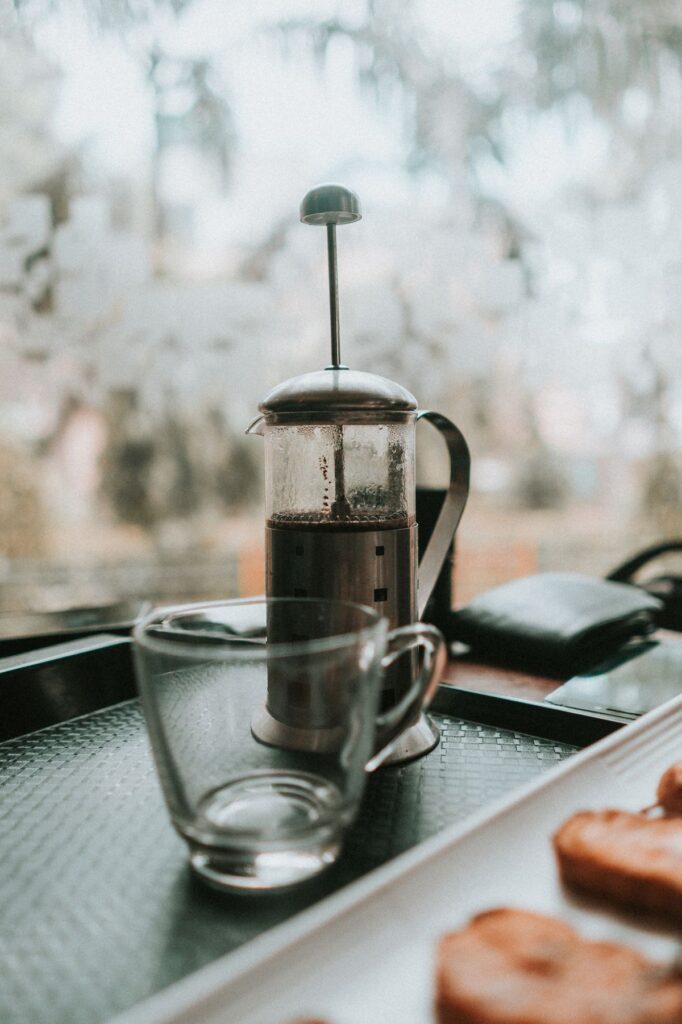
French press beside a glass cup
Kitchen & Dining

Espro P3 vs Bodum Chambord: Is the Double Filter Worth It?

As an Amazon Associate, My Indoor Space earns from qualifying purchases.

Quick verdict

Choose the Espro P3 if reducing the sediment associated with a basic French press is the reason for upgrading, and its minimum batch suits you. Choose the glass Chambord if you already like a traditional mesh-filter cup and prefer a simpler familiar arrangement. Neither glass model is the answer to a need for insulation or impact resistance.

Research-based buying guide, checked October 18, 2026. We have not tested these products hands-on. Manufacturer specifications and attributed outside findings are distinguished from our buying judgments.

French press beside a glass cup
Context photo: a French press and cup, not a verified image of either exact model.

Who should buy or skip

Buy if: you want immersion coffee and have a clear preference about how much fine sediment remains in the cup.

Skip if: you want a brewer that makes any tiny dose equally well, a shatterproof pot or the cleanest possible paper-filter result without buying additional filters.

Compare the choices

Choice Choose it for Main tradeoff
Espro P3 Dual micro-filters aimed at reducing sediment More filter pieces and a model-specific minimum brew
Glass Chambord A traditional mesh-filter routine Fine sediment may remain in the cup
Paper-filter immersion brewer A different approach to a cleaner cup Uses disposable filters and a different workflow

The useful upgrade is filtration

Espro’s P3 uses two nested micro-filters rather than the conventional mesh assembly in the glass Chambord. The reason to pay for that system is the cup you want, not the assumption that more parts always make better coffee.

If you enjoy the body of a familiar French press and do not mind the last sip, there may be little problem to solve. If fine particles bother you, a filtration change has a clearer purpose. We have not compared sediment levels or tasted these models ourselves.

Check minimum brew size before the maximum

Espro’s current page lists a 32 oz P3 with a 24 oz minimum brew size; it also offers another size. Confirm the manual for the exact version you buy. A large nominal capacity is not proof that the filter will work as intended with one small mug.

Write down how much coffee you actually drink in one sitting. If you routinely brew much less than the selected model’s minimum, choose a smaller appropriate brewer. Do not purchase a larger press solely because its cost per advertised cup looks lower.

A filter system also has a washing routine

Nested filters need to be separated and cleaned according to the instructions. Inspect how the pieces reconnect and what replacement filters cost in your country. The same questions apply to the Chambord’s screen and other model-specific parts.

Consider the cleanup after a normal weekday brew, not just the appearance of a clean product photograph. Coffee residue left in fine openings can undermine the convenience you expected from an upgrade. Buy a system whose maintenance you are willing to repeat.

Do not confuse filtration with a thermal carafe

Both products in this comparison use glass. Espro’s product family includes insulated metal models, but their heat-retention features should not be transferred to the P3. A frame protects and supports a vessel; it does not make the glass unbreakable.

Espro markets its plunger design as limiting further extraction after pressing. We have not tested that claim, and it is not a promise that coffee left for hours will taste freshly brewed. Make an amount that suits your serving routine and follow the brewer’s instructions.

Buying in the United States or Canada

Compare the exact P3 size and the glass Chambord capacity. Search results may mix Espro P3, P5 and insulated P7 models or different Bodum materials. Check minimum brew guidance, spare glass and filter availability before ordering from a US or Canadian seller.

The buttons open the named country’s Amazon search results. Match the exact model, size and included parts before ordering. Compare delivered cost, seller and return terms; no fixed price, availability or warranty eligibility is promised.

Questions before ordering

Will P3 make completely particle-free coffee?
Espro markets reduced grit, but we have no independent measurement here proving a particle-free result. Grind, use and maintenance still matter.

Can I add paper to the Espro?
Espro lists compatible paper filters separately. Verify the exact filter size and manual rather than inserting an arbitrary paper filter.

Final buying decision

P3 is the more purposeful upgrade when sediment is the complaint and its batch size fits. Chambord remains sensible when you like the traditional result and do not want a more involved filter system. Buy for a specific cup preference rather than replacing a working press because a filter count sounds impressive.

Related guides

Sources and research

French press beside a glass cup
Kitchen & Dining

Bodum Brazil vs Chambord: Is the Metal Frame Worth More?

As an Amazon Associate, My Indoor Space earns from qualifying purchases.

Quick verdict

Choose the glass Brazil if you want a straightforward French press at the lower delivered price. Choose the glass Chambord when you prefer its metal-frame appearance enough to pay for it. With comparable capacity and a conventional mesh-filter workflow, the frame upgrade is not by itself a reason to expect better coffee.

Research-based buying guide, checked October 18, 2026. We have not tested these products hands-on. Manufacturer specifications and attributed outside findings are distinguished from our buying judgments.

French press beside a glass cup
Context photo: French-press coffee preparation, not a verified product image of these exact models.

Who should buy or skip

Buy if: you enjoy immersion coffee and want a simple brewer with a reusable filter.

Skip if: you need an unbreakable pot, long heat retention or a very clean paper-filter-style cup.

Compare the choices

Choice Choose it for Main tradeoff
Glass Brazil A lightweight plastic-frame format Glass remains breakable
Glass Chambord A metal frame and a more decorative table presence A higher price need not buy a different brewing result
Insulated steel press Durability and heat retention as the main priorities Different feel and often a higher initial cost

Compare the same capacity and material first

The Brazil and Chambord ranges include different sizes and finishes. This guide compares their roughly 1 L glass versions, not every item sharing those names. Brazil uses a plastic body, handle and lid; Chambord places its glass vessel in a metal frame.

Product cup counts are small serving measures. If you use a large breakfast mug, compare millilitres or fluid ounces rather than expecting an eight-cup label to mean eight full mugs. Allow room for grounds and follow the brewer’s fill instructions.

The frame does not replace the brewing recipe

Both use a familiar immersion-and-plunge approach. Coffee, grind, water and steeping choices remain the main variables you control. We have not blind-tasted these models and have no evidence that the Chambord frame alone improves the flavour.

If your present press makes coffee you like, changing its exterior is mainly a design purchase. If you dislike sediment, investigate filtration or a different brewing method. If the problem is coffee cooling, investigate insulation. Each issue points to a different upgrade.

Replacement glass can change the value calculation

Before ordering, look up the exact replacement beaker and filter assembly for the chosen size. A spare that looks similar may differ in diameter or height. Availability in your country matters more than a generic claim that the brand sells parts.

A glass vessel can break even inside a frame. Think about the sink, drying rack and shelf where it will be handled. If breakage is the main concern in a busy household, another glass brewer may leave that concern unresolved.

Choose the one you will clean and use

Check how the filter separates for cleaning and whether the lid and handle are easy for you to grip. Empty used grounds into an appropriate waste container and clean according to the supplied care instructions rather than forcing them down a drain.

We have not tested frame rigidity, long-term finish wear or dishwasher performance. During a return period, check pouring control with the actual amount you normally make. A handsome frame is worth paying for only if the complete brewer works comfortably in daily use.

Buying in the United States or Canada

US and Canadian marketplace listings can combine several capacities and materials under one product family. Confirm glass construction, the actual 1 L size, frame finish and replacement-part match. Compare delivered cost rather than a discount displayed for a different size.

The buttons open the named country’s Amazon search results. Match the exact model, size and included parts before ordering. Compare delivered cost, seller and return terms; no fixed price, availability or warranty eligibility is promised.

Questions before ordering

Will the Chambord remove more sediment?
Do not assume that from the frame. Check the exact filter assembly; both products here use a conventional reusable mesh brewing approach.

Does an eight-cup label mean eight large mugs?
No. Compare the stated volume with the amount you actually pour into your mugs.

Final buying decision

Brazil is our value pick when it is meaningfully cheaper. Chambord is a reasonable design upgrade for someone who likes the metal frame and will keep it on display. If your dissatisfaction is heat retention, fragility or sediment, spend the upgrade budget on a design that addresses that specific problem.

Related guides

Sources and research

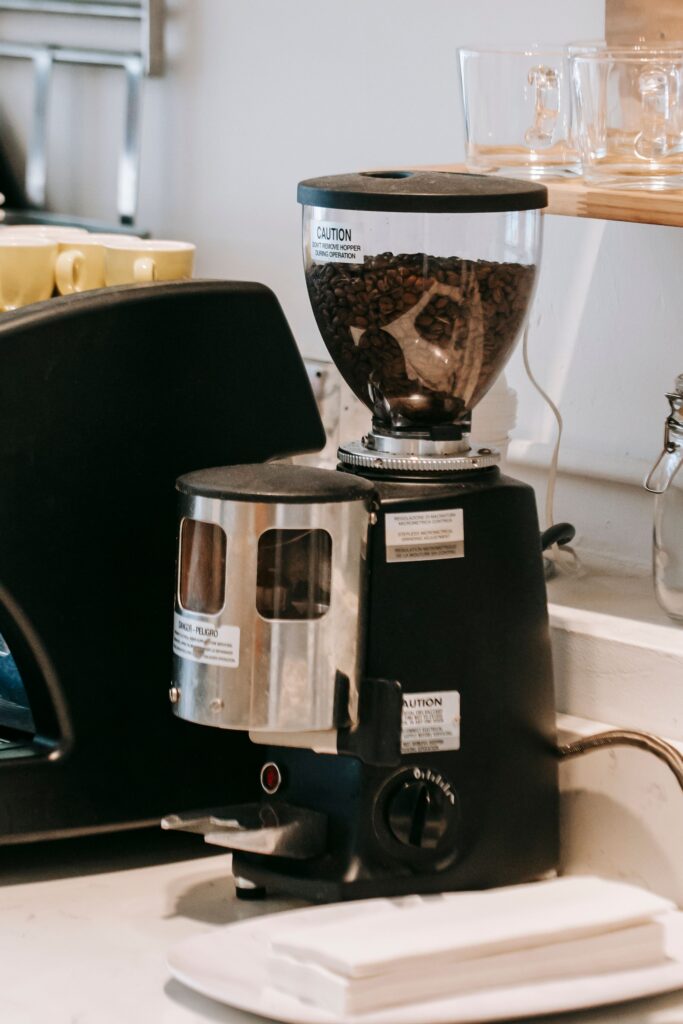
Modern coffee grinder on a kitchen counter
Kitchen & Dining

OXO Brew Conical Burr vs Baratza Encore for Daily Filter Coffee

As an Amazon Associate, My Indoor Space earns from qualifying purchases.

Quick verdict

Choose the standard OXO Brew Conical Burr for its remembered timer setting and an everyday filter-coffee routine when it costs less. Choose the standard Baratza Encore when parts access, repair documentation and continued maintenance matter more. If espresso is the main task, compare a purpose-oriented grinder rather than treating either standard model as the automatic choice.

Research-based buying guide, checked October 18, 2026. We have not tested these products hands-on. Manufacturer specifications and attributed outside findings are distinguished from our buying judgments.

Modern coffee grinder on a kitchen counter
Context photo: a home coffee-grinding station, not a verified image of either compared model.

Who should buy or skip

Buy if: you make filter coffee regularly and want adjustable burr grinding without moving to a complicated appliance.

Skip if: you mainly want a built-in scale, precise espresso adjustments or a silent grinder; those are different purchase requirements.

Compare the choices

Choice Choose it for Main tradeoff
OXO Brew 8717000 Remembered timed grinding Time is not a measured dose
Baratza Encore ZCG485 Manual operation with a documented parts ecosystem Repairability still involves parts, work and possible service cost
Espresso-oriented grinder Fine adjustment for a demanding shot workflow May cost more than a filter-first setup needs

Timer convenience versus weighing the dose

OXO’s one-touch timer remembers its previous setting. That is convenient if you use similar beans and make a similar batch each morning. It does not weigh the coffee: a different roast or grind setting can change how much reaches the container in the same time.

Baratza lists the Encore’s dosing as manual. If you already weigh each dose, the OXO timer may be less important than it first sounds. Decide whether you want a repeatable time shortcut or a weigh-before-and-after routine.

More numbered settings do not prove a better cup

OXO lists 15 settings plus intermediate adjustments; Baratza lists 40 individual settings. The numbers belong to different adjustment systems and do not form a shared quality score. The useful question is whether you can find and repeat an appropriate grind for your brewer.

TechGearLab’s original comparative testing found both capable for their price class and flagged more mess for the standard OXO. That is outside testing, not our result, and it is a reason to inspect cleanup rather than assume either grinder is mess-free.

Repair support is part of the Encore argument

Baratza publishes Encore documentation and sells model-specific parts. That gives a maintenance-minded owner something concrete to check before buying: which parts can be ordered locally, which procedures are documented and when professional support is needed.

It is not a guaranteed service life or a promise that repair is always economical. Compare the delivered purchase gap with the time and cost you would realistically spend maintaining a grinder. A buyer who will never repair one may value simple daily controls more.

Fit the actual grinder into the morning routine

Measure cupboard clearance with room to lift the hopper lid and remove the grounds container. Think about noise timing in a shared home, the nearest outlet and where a brush and scale will live. We have not measured these units’ sound in your kitchen.

Try your usual beans and brewer during the return period, then check whether the container pours neatly and the controls feel straightforward. Keep the burr chamber dry and follow the exact cleaning manual. A grinder that is easy to use and clean is more likely to earn its space.

Buying in the United States or Canada

Buy a locally rated electrical unit and compare the standard OXO 8717000 with the standard Encore ZCG485. OXO’s integrated-scale models and Baratza’s Encore ESP/ESP Pro are different products. Check seller authorization, local parts supply and applicable support in your country.

The buttons open the named country’s Amazon search results. Match the exact model, size and included parts before ordering. Compare delivered cost, seller and return terms; no fixed price, availability or warranty eligibility is promised.

Questions before ordering

Does the OXO timer measure grams?
No. A timed run is not a weight measurement. Use a suitable scale if dose by mass matters to your recipe.

Should I choose Encore ESP instead?
Consider its espresso-oriented adjustment if espresso is the main job. Compare the exact model’s features and cost rather than assuming all Encores are the same.

Final buying decision

OXO is the convenient value choice when its timer fits your routine and its delivered price is lower. Encore earns a premium for a buyer who values its parts and support path. For daily filter coffee, dose consistency, usable adjustment and cleanup matter more than the setting count alone.

Related guides

Sources and research

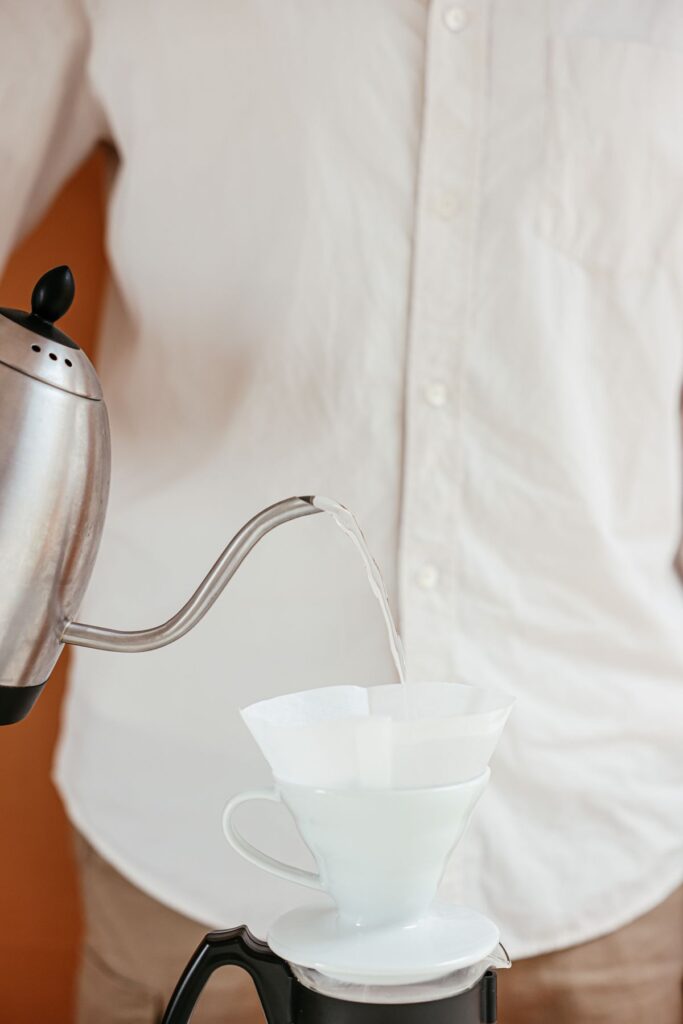
Hot water poured into a manual coffee dripper
Kitchen & Dining

Hario V60 Drip Scale vs Timemore Basic 2: Which Coffee Scale?

As an Amazon Associate, My Indoor Space earns from qualifying purchases.

Quick verdict

Choose Timemore Basic 2 if rechargeability, a backlit display and flow-rate information will help your brewing. Choose the Hario V60 Drip Scale for a simpler battery-powered pour-over routine, with an important caveat: its displayed weight increments become coarser at higher loads. Check footprint before buying either for espresso.

Research-based buying guide, checked October 18, 2026. We have not tested these products hands-on. Manufacturer specifications and attributed outside findings are distinguished from our buying judgments.

Hot water poured into a manual coffee dripper
Context photo: pour-over coffee preparation, not either scale.

Who should buy or skip

Buy if: you want to repeat a coffee-to-water ratio and time the brew on one device.

Skip if: you already have a suitably responsive scale and timer, need more than the rated capacity or assume a fine display proves laboratory accuracy.

Compare the choices

Choice Choose it for Main tradeoff
Hario V60 Drip Scale Simple manual pour-over weighing and timing 0.1 g display increments do not apply across the range
Timemore Basic 2 Backlit readout, rechargeable power and flow-rate feature Extra modes and a charging routine
Existing kitchen scale Basic ratios without another purchase Check response and minimum detectable changes

The Hario’s weight ranges matter in real recipes

Hario lists a 2,000 g maximum and increments of 0.1 g from 2–200 g, 0.5 g from 200–500 g and 1 g from 500–2,000 g. The brewer, server and water all contribute to the physical load, even when the display is tared.

That does not make the Hario unusable for coffee. It means you should buy it with the right expectation: measuring a small bean dose and tracking water into a loaded server are different tasks. Display resolution and measurement accuracy are separate concepts.

Decide whether more brewing information is useful

Timemore describes a 0.1 g readout, a 2 kg range and a 0.5 g minimum detection weight for Basic 2. It also lists automatic timing and a water-flow-rate function. Those features can help someone practicing a consistent pour, but they do not decide the recipe for you.

If you make one forgiving immersion brew every morning, manual weight and time may be enough. If you deliberately practice pour speed, the extra information has a clearer role. We have not measured either scale’s response time or calibration accuracy.

Check the space under the brewer

A scale must support the whole vessel without touching nearby objects. Measure the platform, cup clearance and drip-tray depth if you plan to use it under an espresso machine. A product called an espresso scale is not automatically small enough for every machine.

Put the empty vessel on the scale, tare it and watch the weight settle before brewing. During a return period, repeat the same small load several times. Avoid leaning a cable or kettle against the vessel because that can alter the reading.

Water protection is not permission to rinse it

Hario explicitly says this V60 scale is not water resistant. Timemore describes protection at the top surface and charging port, but the scale is still an electronic device; follow the manual and do not infer that it can be submerged or washed under a tap.

Keep the charging connector dry and use the supplied heat-protection pad as instructed. Compare ordinary replaceable batteries with the convenience and eventual wear of a rechargeable battery. The better choice is the one that stays ready in your kitchen.

Buying in the United States or Canada

Match the exact standard Hario V60 model and Timemore Basic 2/2.0. Older Basic, Basic Plus, Nano and other Black Mirror names have different features. Check included batteries or charging accessories and local returns; marketplace photos can mix generations.

The buttons open the named country’s Amazon search results. Match the exact model, size and included parts before ordering. Compare delivered cost, seller and return terms; no fixed price, availability or warranty eligibility is promised.

Questions before ordering

Does taring remove the vessel from the maximum capacity?
No. Tare changes the displayed zero, not the physical load supported by the sensor.

Do I need flow-rate measurement?
Only if you will use it to practice a repeatable pour. A clear weight readout and reliable timing cover many everyday brews.

Final buying decision

Timemore Basic 2 is our feature-oriented pick for someone who wants a rechargeable, information-rich routine. Hario makes more sense for simplicity when its resolution ranges and lack of water resistance are acceptable. Choose by actual brew load and fit rather than a single decimal place in the product title.

Related guides

Sources and research

Coffee beans stored in a container on a kitchen counter
Kitchen & Dining

Bodum Bistro Blade vs Cuisinart DCG-20N: Which Budget Grinder?

As an Amazon Associate, My Indoor Space earns from qualifying purchases.

Quick verdict

Choose between these blade grinders by delivered cost, usable dose and how easily you can empty and clean them. The Cuisinart lists a slightly larger maximum bean load; the Bodum offers simple pulse control in a compact body. Neither is the upgrade to buy when repeatable grind-size adjustment is your main goal.

Research-based buying guide, checked October 18, 2026. We have not tested these products hands-on. Manufacturer specifications and attributed outside findings are distinguished from our buying judgments.

Coffee beans stored in a container on a kitchen counter
Context photo: coffee beans at home, not either blade grinder.

Who should buy or skip

Buy if: you want a small, inexpensive way to grind whole coffee beans and accept the limits of time-controlled blade chopping.

Skip if: you already own a working blade grinder, need precise espresso dialing or want the consistency controls of an adjustable burr grinder.

Compare the choices

Choice Choose it for Main tradeoff
Bodum Bistro 11160 blade Compact push-button operation Bistro branding also covers different burr models
Cuisinart DCG-20N A listed 70 g maximum bean capacity Maximum fill is not proof of uniform results
Entry-level burr grinder Repeatable grind-size selection Usually costs more and occupies more space

Make sure the comparison is actually blade against blade

The Bodum model here is the 11160-series blade grinder, not a Bistro conical burr grinder. Its rotating blade chops beans while a burr grinder passes them through an adjustable gap. A transparent lid helps you inspect the result; it does not turn blade grinding into a calibrated size setting.

The practical tradeoff is cost and simplicity versus repeatability. If a recipe keeps clogging or tasting different, replacing one blade model with another may leave the same underlying limitation. Consider whether the budget should go toward a burr grinder instead.

Capacity is a limit, not a quality score

Bodum lists up to 60 g of beans; Cuisinart lists 70 g for the DCG-20N. Measure your normal coffee dose rather than translating the manufacturers’ cup claims into your household’s mugs.

A larger maximum only helps if you need that amount and the resulting grind suits your brewer. Do not exceed the fill mark to save a second batch. Begin with the manufacturer’s operation guidance and inspect a small trial dose before grinding a whole bag.

Choose a cleaning routine you will actually follow

Both are simple countertop electrical appliances. Bodum instructs users to unplug its grinder, brush out the metal container and wipe rather than immerse it. Follow Cuisinart’s model-specific manual for its bowl, lid and electrical base; an easy-clean description is not a dishwasher instruction.

Coffee oils and trapped particles make cleanup part of ownership. Think about where grounds go when you tip the appliance out and whether the cord can be stored conveniently. We have not tested which model leaves less mess or runs more quietly.

Keep coffee separate from strong spice aromas

A grinder bought for coffee should remain a coffee tool if you want to avoid carrying strong spice aromas into a brew. Do not assume every hard ingredient is approved merely because the appliance has a blade.

If your main job is spice preparation, compare tools intended for those ingredients. If your main job is daily filter coffee, weigh beans before grinding and keep the brew method consistent so you can tell whether a change in grinding actually helped.

Buying in the United States or Canada

Buy the electrical version rated for your local supply. Canadian Cuisinart listings may use DCG-20NC or DCG-20BKNC suffixes; check the local manual and specifications rather than assuming every DCG-20 package matches the US DCG-20N. Confirm that the Bodum listing explicitly says blade, not burr.

The buttons open the named country’s Amazon search results. Match the exact model, size and included parts before ordering. Compare delivered cost, seller and return terms; no fixed price, availability or warranty eligibility is promised.

Questions before ordering

Does longer grinding make the particles uniform?
It can make the overall result finer while still leaving a mixture of particle sizes. Time is not the same control as a burr-gap setting.

Should I replace a working blade grinder with one of these?
Only if a specific problem such as capacity or usability is solved. For a grind-control upgrade, compare a burr design.

Final buying decision

Buy the lower-cost blade model that fits your dose and cleanup routine if budget simplicity is the priority. Pay for a burr grinder when repeatable adjustment is the reason for buying. The 10 g capacity difference alone is not a strong reason to replace equipment you already use successfully.

Related guides

Sources and research

Modern coffee grinder on a kitchen counter
Kitchen & Dining

Hario Skerton Pro vs Timemore C2: Which Hand Grinder Fits?

As an Amazon Associate, My Indoor Space earns from qualifying purchases.

Quick verdict

Choose the Timemore C2 for a compact, metal-bodied grinder used for small daily doses. Consider the Skerton Pro when its glass grounds container and larger stated grounds capacity suit a home-only routine, especially at a lower price. For several large coffees each morning, compare an electric burr grinder before committing to repeated hand grinding.

Research-based buying guide, checked October 18, 2026. We have not tested these products hands-on. Manufacturer specifications and attributed outside findings are distinguished from our buying judgments.

Modern coffee grinder on a kitchen counter
Context photo: home coffee-grinding equipment, not either hand grinder.

Who should buy or skip

Buy if: you brew small amounts, want adjustable burr grinding without a motor and are willing to turn a handle for every dose.

Skip if: you need effortless batches, have difficulty gripping or cranking, or want a grinder selected specifically for precise espresso adjustment.

Compare the choices

Choice Choose it for Main tradeoff
Skerton Pro A home-oriented glass grounds container Bulkier shape and breakable glass
Chestnut C2 Small doses and a compact metal body Model revisions matter; hand effort remains
Electric burr grinder Several servings with less manual work More counter space and purchase cost

Compare the amount you grind, not just the container

Hario lists 100 g of grounds capacity for the MMCS-2B Skerton Pro. The authorized Australian Timemore distributor lists a 25 g bean container for its updated C2. Those figures describe different containers; they are not evidence that one grinds four times as much in one uninterrupted load.

Weigh your normal dose first. If you regularly prepare more than the C2’s exact hopper allows, refilling is part of the routine. If you grind one small brew, a larger grounds jar may simply occupy more cupboard space.

Construction changes how you use and store it

Hario uses ceramic burrs and a borosilicate glass grounds bowl. The C2 listing describes steel burrs, bearings and an aluminium body. Our preference for the C2’s compact format is a buying judgment, not a measured claim that its coffee always tastes better.

For a shared kitchen, think about the grip, the turning clearance and where the handle will be stored. Glass is useful for seeing collected grounds but needs protection from knocks. Metal construction does not make a grinder safe to wash or drop indiscriminately.

Do not buy a different C2 by accident

Timemore names can look very similar: C2, C2S and folding-handle variants are not interchangeable specifications. The distributor’s current C2 description includes an updated aluminium adjustment dial. Check photographs and the exact model rather than relying on a broad marketplace title.

For repeatable brewing, record your chosen adjustment and the starting point defined in the supplied manual. A click number from a different revision or a different grinder is not a calibration standard. Change one variable at a time when dialing in a brew.

What owners highlight, and what remains untested

Several owner comments on Hario’s own Skerton Pro page mention the rubber base coming loose. Those are individual experiences, not a measured failure rate, but they make base fit and stability worth checking promptly.

We have not timed these grinders or measured their particle distribution. Try your normal beans and dose during the return period. If the effort or time makes you avoid freshly grinding, an electric burr model may be better value than an unused manual upgrade.

Buying in the United States or Canada

US and Canadian searches may return imported stock and newer Timemore variants. Confirm the exact C2 revision, seller support and replacement-part access. The Hario model in this guide is Skerton Pro MMCS-2B, not the original Skerton or Skerton Plus.

The buttons open the named country’s Amazon search results. Match the exact model, size and included parts before ordering. Compare delivered cost, seller and return terms; no fixed price, availability or warranty eligibility is promised.

Questions before ordering

Is the bigger Skerton container its hopper capacity?
Hario’s 100 g figure is for collected coffee grounds. Do not treat it as the amount of whole beans that can be loaded at once.

Are these our espresso picks?
No. For espresso as the main use, compare grinders with adjustment designed for that workflow and verify compatibility with your basket and machine.

Final buying decision

The C2 is our more appealing small-dose choice when the exact revision and delivered price are right. The Skerton Pro can suit a less portable routine and a buyer who prefers its container. Choose by dose, effort and actual model; do not buy either simply because manual grinding sounds more traditional.

Related guides

Sources and research

Scroll to Top