

Person cutting rosemary with scissors
Kitchen & Dining

Is the Chef’n LooseLeaf Herb and Greens Stripper Worth It?

Disclosure: As an Amazon Associate, My Indoor Space earns from qualifying purchases.

Quick verdict

LooseLeaf is worth considering when you frequently remove leaves from firm stems and like a compact pull-through tool. Keep hand stripping when it is already quick and comfortable. The hole must grip the stem appropriately; a tool with several openings is still not guaranteed to work on every bunch.

Research-based buying guide. Checked October 17, 2026. We have not tested these products hands-on. Manufacturer information, attributed external findings and our editorial judgments are distinguished below.

Person cutting rosemary with scissors
Herb-preparation context; these scissors are not the LooseLeaf tool. Stock photo: Pexels.

Which option fits your routine?

Choice Choose it for Tradeoff
Classic LooseLeaf Repeated compatible greens and herb stems Stem sizes may not match the holes
Hand stripping A small or varied bunch A repeated manual motion
Shears or knife where appropriate Trimming and cutting tasks A different job from pulling leaves off stems

Choose the classic tool, not the Plus

Chef’n identifies the classic LooseLeaf as model 102-734-062, intended for greens and herbs. The Plus is a separate design with shears. The purchase links here concern the classic flat stripping tool, so do not assume cutting blades are included.

Its compact size is useful when drawer space is limited. That is not enough by itself to make it necessary: a small accessory can still become clutter if the task occurs only occasionally. Count how often you actually prepare the relevant ingredients.

Stem fit is the main limitation

You pass a stem through an appropriately sized opening so leaves collect separately. The useful fit depends on thickness and how the leaves attach. Check the manufacturer’s directions for the ingredients you use rather than assuming all herbs behave alike.

The Kitchn’s hands-on review found the tool useful with larger stems but reported that even the smallest hole was too large for some kale in its test. That specific drawback matters more than a broad promise that stripping always takes seconds. We have not repeated that test.

Think about the whole preparation sequence

A stripping tool does not wash, inspect or finish chopping the leaves. Compare the complete process with what you do now, including collecting the leaves and handling the remaining stems. It may simplify one stage without removing the others.

If you usually prepare a small garnish, fingers may be cheaper enough and leave nothing extra to wash. If you repeatedly work through a substantial compatible bunch, the dedicated motion may be more appealing. We have not measured a universal time saving.

Cleaning and handling

Chef’n labels the classic tool top-rack dishwasher safe. Follow the exact package instructions and inspect the openings for trapped residue. Keep it where it can be found before preparation rather than beneath a pile of rarely used gadgets.

The classic and Plus have different construction, so do not transfer safety or handling assumptions between them. We have not assessed durability, grip in wet hands or suitability for every user. Use the item as directed and choose a method that feels controlled.

Our buying decision

Buy the classic LooseLeaf if you regularly prepare compatible greens, its openings suit your typical stems and the delivered cost is modest compared with the convenience you expect. Confirm the model and one-tool quantity in both country offers.

Skip it for mostly tiny stems, rare herb preparation or a hand-stripping routine that already works. The independent review supports a conditional recommendation, not an essential-tool claim. A clear recurring use is the reason to give it drawer space.

Buying in the United States or Canada

Choose the button for your country and compare the exact model, included parts, seller, delivered cost and return terms. Offers and replacement-part availability can differ between Amazon USA and Canada. Confirm regional manufacturer support before relying on a guarantee for an imported product. We do not promise stock, a fixed price or delivery to every address.

Related guides on My Indoor Space

Sources and research

Specifications establish stated features, not independent proof of performance. We base our value judgments on the task, fit, upkeep and alternatives. External experiences are attributed to their sources; no personal testing or measured savings is claimed.

Potatoes and a peeler on a wooden board
Kitchen & Dining

Is the OXO Vegetable Brush Worth It for Potatoes and Carrots?

Disclosure: As an Amazon Associate, My Indoor Space earns from qualifying purchases.

Quick verdict

The OXO Vegetable Brush is worth considering if you frequently clean firm produce and prefer a compact palm grip. Keep an existing suitable clean produce brush when it works comfortably. This is a tool for scrubbing, not a disinfectant or a reason to brush delicate fruit as though it were a potato.

Research-based buying guide. Checked October 17, 2026. We have not tested these products hands-on. Manufacturer information, attributed external findings and our editorial judgments are distinguished below.

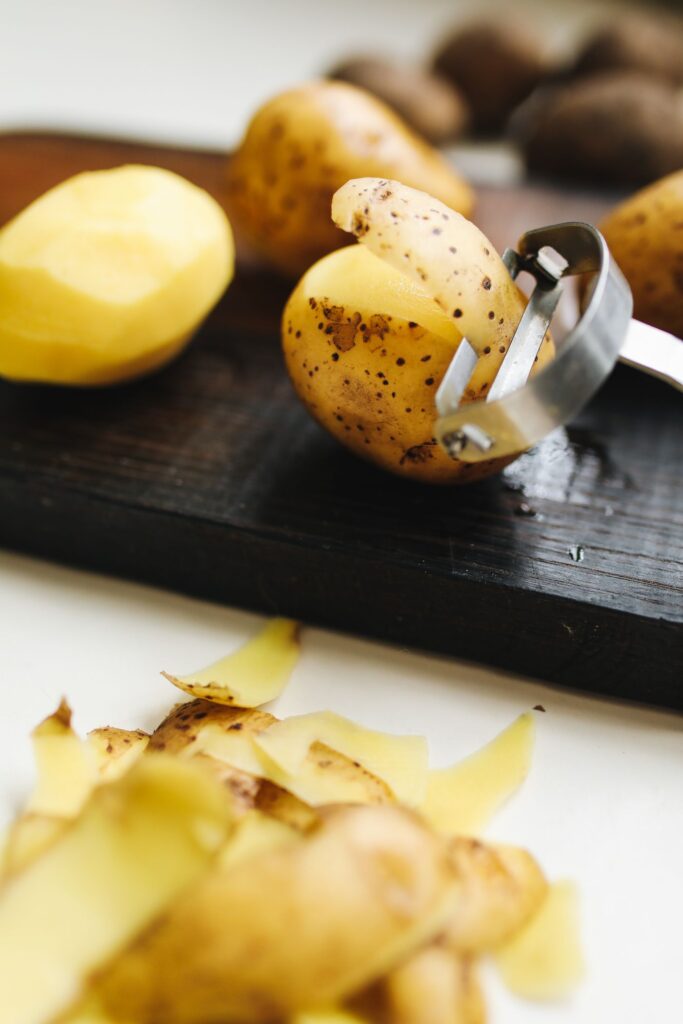
Potatoes and a peeler on a wooden board
Potato-preparation context; the OXO vegetable brush is not pictured. Stock photo: Pexels.

Which option fits your routine?

Choice Choose it for Tradeoff
OXO palm brush Firm produce and a palm-sized grip Bristles need cleaning and drying
Existing suitable produce brush A comfortable tool already in use Replace if its condition no longer suits the job
Appropriate rinsing and handling Produce that does not suit firm brushing Different foods need different handling

Match the bristles to the food

OXO describes nylon bristles for harder vegetables such as potatoes and carrots, with a flexible non-slip palm grip. Model 33781 is the compact vegetable brush, not the brand’s long-handled dish brush or soap-dispensing brush.

A firm bristle arrangement may be useful around the surface of an unpeeled potato, but does not make it the right tool for every berry or soft fruit. Choose the handling method for the produce rather than trying to justify a new brush by using it on everything.

A dedicated produce brush has a defined role

Keep it for the intended food-preparation task and follow appropriate cleaning guidance. Using a kitchen-cleaning brush indiscriminately for dishes, sink surfaces and produce would create a different hygiene decision from buying a purpose-specific tool.

FDA produce guidance includes scrubbing firm produce with a clean vegetable brush under running water. That supports the basic role of a brush; it does not establish that this particular OXO removes more contamination than every alternative. We have not measured cleaning effectiveness or microbial outcomes.

Grip and size decide comfort

OXO’s soft, non-slip grip is a stated design feature. Check whether you like holding a small object directly over the produce rather than using a long handle. The better shape is the one that gives you control without an awkward hand position.

We have not tested comfort with different hand sizes or wet conditions. If a brush you already own is easy to hold, the OXO name alone is not a reason to replace it. An appropriate return policy matters if handling is your main reason to change.

Cleaning the tool is part of the routine

The manufacturer labels this brush dishwasher safe. Follow the instructions for the exact delivered unit and inspect between the bristles for trapped residue. Dry and store it in a suitable place rather than leaving it buried among wet cleaning tools.

Check condition during normal use and replace a brush when wear or damage makes it unsuitable. We have not measured bristle lifespan. A small brush is only convenient when it is easy to find, clean and keep separate for its intended task.

Our buying decision

Buy it for repeated firm-produce preparation when the palm shape appeals and you need a suitable brush. Compare the delivered price of one brush and check the exact model; color wording can vary between U.S. and Canadian listings.

Skip it when a clean existing produce brush already works or most of the food you prepare does not call for firm scrubbing. The Canadian page resolved correctly, but an active offer was not confirmed when checked. Avoid paying an import premium for a simple task that another suitable brush can perform.

Buying in the United States or Canada

The buttons identify the OXO 33781 vegetable brush. The Canadian page resolved to the matching brush, but an active purchase offer was not confirmed during checking. Verify the actual color, one-brush quantity, current availability, seller, delivered cost and return terms.

Related guides on My Indoor Space

Sources and research

Specifications establish stated features, not independent proof of performance. We base our value judgments on the task, fit, upkeep and alternatives. External experiences are attributed to their sources; no personal testing or measured savings is claimed.

Red cooking pot in a kitchen
Kitchen & Dining

Is the Joseph Joseph Stretch Trivet Worth It Instead of Fixed Mats?

Disclosure: As an Amazon Associate, My Indoor Space earns from qualifying purchases.

Quick verdict

Stretch is worth considering when you regularly serve different-sized hot dishes and want an expandable stand that stores compactly. Keep suitable fixed trivets if they already support your cookware well. Check the base of the actual pan: expansion is useful only when the contact points remain stable and protected.

Research-based buying guide. Checked October 17, 2026. We have not tested these products hands-on. Manufacturer information, attributed external findings and our editorial judgments are distinguished below.

Red cooking pot in a kitchen
Hot-cookware context; the Stretch trivet is not pictured. Stock photo: Pexels.

Which option fits your routine?

Choice Choose it for Tradeoff
Stretch expandable stand Different dish footprints from one compact tool Support must be checked at each size
Fixed suitable trivet A familiar stable footprint Several sizes may take more storage
Existing approved hot-pot support The task is already covered No benefit from another accessory

Expandability is the useful difference

Joseph Joseph describes the black 70033 as an expandable silicone-nylon-composite pot stand that folds for storage. Its intended use includes larger dishes or more than one suitable pan. It is different from the brand’s stainless-steel Space trivet.

An expandable footprint does not mean every vessel can be placed anywhere across it. Look at where a pan’s feet, flat base or curved bottom would touch the stand. A narrow or unusually shaped vessel may suit a fixed support better.

Use the correct heat specification

The current Stretch product page states heat resistance up to 240Β°C, or 464Β°F. Do not copy the higher rating of another Joseph Joseph product onto this silicone-composite model. Check the instructions delivered with the exact item.

The stated material rating is not independent proof that every countertop finish remains unaffected under any hot pan. Follow both the stand’s guidance and the surface or cookware requirements. We have not tested temperature transfer, prolonged contact or surface marking.

Compact storage versus serving setup

A folding stand can be easier to fit in a utensil drawer than several broad mats. Measure its stored shape against the drawer you plan to use and keep it accessible before hot cookware needs a landing place.

For a household that always serves the same small pot, a fixed trivet may be simpler. If you routinely serve multiple dishes, compare the whole table layout instead of assuming one expandable piece replaces every individual support. Leave space between items for secure handling.

Washing instructions deserve a check

The maker’s current U.S. page says hand wash only. Its older official catalog called the same model dishwasher safe, and some marketplace wording follows that older guidance. We would follow the current supplied care instructions and confirm with the maker if they conflict.

That difference is a useful reason not to buy from a short feature list alone. Clean between the moving sections as instructed and inspect the stand before use. We have not tested repeated folding, dishwasher effects or long-term wear.

Our buying decision

Buy Stretch when its support pattern fits the dishes you use, folding storage is valuable and you are comfortable following the applicable hand-wash guidance. Confirm black model 70033 and the delivered package instructions in either country.

Skip it when fixed supports already fit your cookware or when you mainly want a dishwasher-only routine. Compare the delivered cost with one suitable ordinary trivet before replacing several working pieces. Flexible sizing earns its premium only when you actually use that flexibility.

Buying in the United States or Canada

Choose the button for your country and compare the exact model, included parts, seller, delivered cost and return terms. Offers and replacement-part availability can differ between Amazon USA and Canada. Confirm regional manufacturer support before relying on a guarantee for an imported product. We do not promise stock, a fixed price or delivery to every address.

Related guides on My Indoor Space

Sources and research

Specifications establish stated features, not independent proof of performance. We base our value judgments on the task, fit, upkeep and alternatives. External experiences are attributed to their sources; no personal testing or measured savings is claimed.

Produce stored inside a refrigerator
Kitchen & Dining

Are Rubbermaid FreshWorks 7.2-Cup Produce Containers Worth It?

Disclosure: As an Amazon Associate, My Indoor Space earns from qualifying purchases.

Quick verdict

The FreshWorks 7.2-cup two-pack is worth considering if its produce-specific storage routine fits what you buy and the containers will be used regularly. Keep suitable original packaging when it already works. The vented design is a manufacturer feature, not proof that every fruit stays fresh for a fixed number of extra days.

Research-based buying guide. Checked October 17, 2026. We have not tested these products hands-on. Manufacturer information, attributed external findings and our editorial judgments are distinguished below.

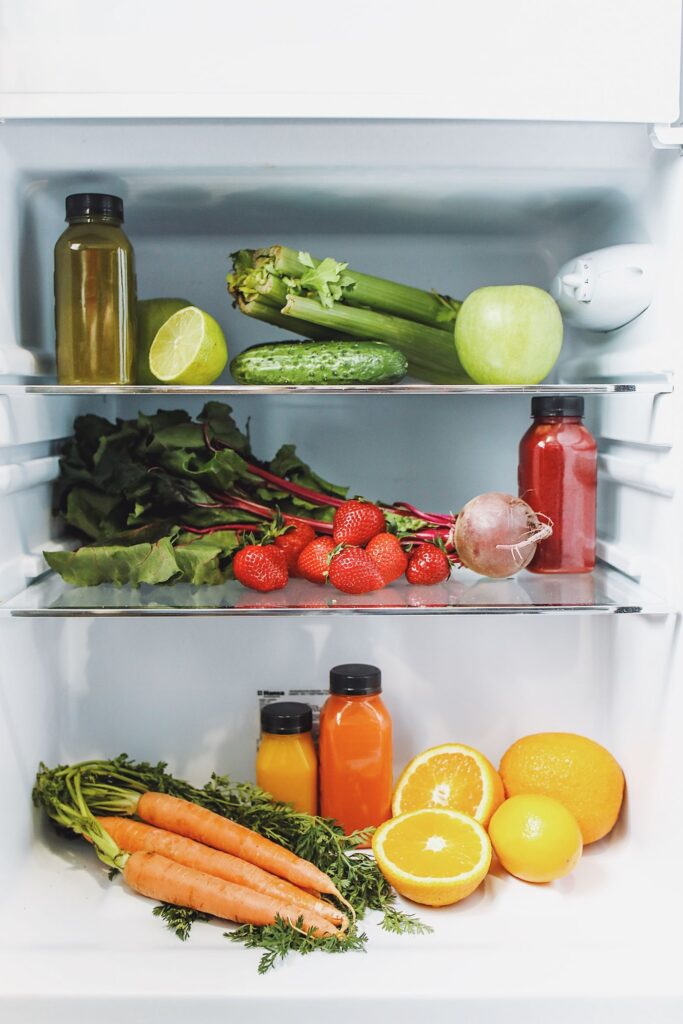
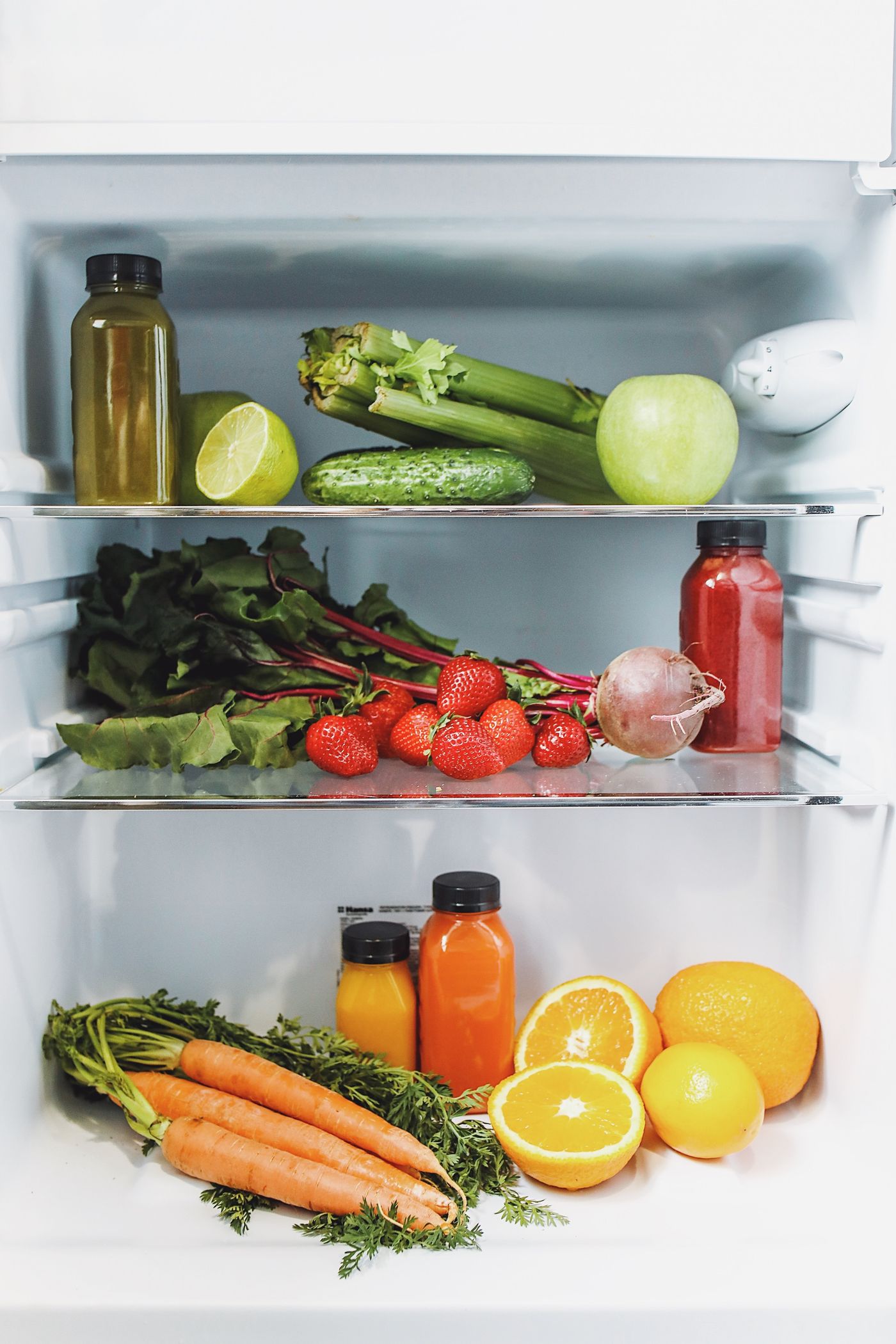
Produce stored inside a refrigerator
Refrigerator-produce context; the FreshWorks containers are not pictured. Stock photo: Pexels.

Which option fits your routine?

Choice Choose it for Tradeoff
FreshWorks 7.2-cup pair Two frequently used produce-storage spaces More containers to wash and fit
Original suitable packaging A routine that already preserves usable produce Less coordinated appearance
Ordinary container An existing appropriate storage job Not automatically equivalent to a vented design

Confirm the set and generation

The linked model is Rubbermaid 2114739: two medium 7.2-cup containers with their lids, described as four pieces in total. Four pieces does not mean four separate containers. Other FreshWorks sets use different capacities and designs.

Check the actual model before transferring claims from an older review or a different-shaped product. A shared FreshWorks name does not establish identical dimensions, inserts or care requirements. We have not tested this specific pair hands-on.

What the vent and raised base are intended to do

Rubbermaid describes FreshVent airflow control and an elevated base that separates produce from accumulated moisture. The current maker page says the built-in filter needs no replacement refills. That distinguishes this model from products that require recurring filter purchases.

These design features do not guarantee a quantified reduction in food waste. We have not run shelf-life comparisons or measured savings. Freshness varies with the condition of the produce, refrigerator conditions and handling, so avoid justifying the price with an assumed number of days or dollars saved.

Use the intended produce routine

The manufacturer directs placing unwashed, uncut produce inside and says the containers work best with one produce type per container. Its examples for this size include berries. Follow the specific instructions instead of using the name produce saver as permission for every food-storage task.

This is not our recommendation to ignore washing before eating or to replace food-safety guidance. If you mostly store prepared salads or cooked leftovers, choose containers intended for that task. The right storage product depends on what goes inside it.

Count fridge space and cleanup

Measure both containers with lids fitted, including room to remove them from the shelf. A stated cup capacity tells you volume, not whether a bulky fruit fits well. Compare your normal grocery quantity rather than the largest amount a listing photograph can hold.

Rubbermaid labels the pair dishwasher safe. Follow current component-specific care directions and inspect vent and base areas for residue. A container that sits unwashed after each batch may offer less practical value than simpler packaging already in use.

Our buying decision

Buy the pair when two suitable produce categories are purchased often, the footprint fits and the vented routine appeals at the delivered price. Verify the two-container package and compare cost per usable container across regional offers.

Skip it if produce is already eaten promptly from suitable original packaging or if you mainly want a matching fridge appearance. Start by buying realistic quantities and keeping the refrigerator organized. A dedicated container is an optional tool, not a guarantee that neglected produce will remain usable.

Buying in the United States or Canada

Choose the button for your country and compare the exact model, included parts, seller, delivered cost and return terms. Offers and replacement-part availability can differ between Amazon USA and Canada. Confirm regional manufacturer support before relying on a guarantee for an imported product. We do not promise stock, a fixed price or delivery to every address.

Related guides on My Indoor Space

Sources and research

Specifications establish stated features, not independent proof of performance. We base our value judgments on the task, fit, upkeep and alternatives. External experiences are attributed to their sources; no personal testing or measured savings is claimed.
Glass water bottle and drinking glass
Home Organization

Is the OXO Refrigerator Beverage Mat Worth It?

Disclosure: As an Amazon Associate, My Indoor Space earns from qualifying purchases.

Quick verdict

The OXO Beverage Mat is worth considering if cans or bottles roll around a suitable fridge shelf and you want a low-profile way to hold them horizontally. Keep an existing stable arrangement if it works. A ridged mat creates defined resting positions; it does not add shelf height or make every bottle safe to stack.

Research-based buying guide. Checked October 17, 2026. We have not tested these products hands-on. Manufacturer information, attributed external findings and our editorial judgments are distinguished below.

Glass water bottle and drinking glass
Bottle-and-glass context; the OXO beverage mat is not pictured. Stock photo: Pexels.

Which option fits your routine?

Choice Choose it for Tradeoff
OXO beverage mat Reducing rolling on a compatible shelf Stacked height and bottle shape still matter
Plain shelf A few stable containers Round containers can move
Dedicated can bin A contained can-storage arrangement A larger fixed footprint

One mat, two different sides

OXO describes one side for cans and the other for bottles. Its stated footprint is approximately 13.2 by 4.9 inches, with a 0.4-inch profile. Check the exact product rather than confusing it with a full refrigerator bin or shelf riser.

The manufacturer advertises capacity for up to twelve stacked cans. That depends on suitable can shapes and the full arrangement; it is not a promise for every tall, slim or oversized format. Measure the drinks you buy instead of assuming a standard advertising photo matches your collection.

Stacking needs more than a matching base

Consider the height of the complete stack, its position relative to shelves above and how you will remove one drink. A tidy arrangement is less useful if the top layer has to be dismantled each time a lower item is needed.

Follow the product’s intended arrangement and the refrigerator’s shelf-loading limits. Do not assume ridges guarantee stability under any load or prevent every movement when a shelf is pulled. We have not tested tipping, sliding or impact resistance.

What problem are you actually solving?

A mat is most useful when rolling is the recurring nuisance. If the problem is locating different flavors, separating cans in an existing bin may be enough. If the problem is buying more drinks than the shelf holds, the mat will not increase the refrigerator’s physical capacity.

Horizontal storage can be convenient for suitable sealed containers. Check the beverage packaging and do not lay a container on its side unless its closure and use directions permit it. A reusable bottle’s appearance does not establish that its lid is leakproof horizontally.

Cleaning and compatibility with other pieces

OXO labels the mat dishwasher safe and describes it as sized to work with parts of its fridge-organizing system. Buying the rest of that system is optional. Compare the mat’s measurements directly with your existing shelf or bin before adding matching accessories.

Remove it for cleaning when necessary and inspect the ridges for residue. Its slim profile is easier to put away than a rigid bin, but it remains one more item to maintain. We have not measured cleaning time or long-term staining.

Our buying decision

Buy it when your measured shelf and drink formats fit and a low mat addresses unwanted rolling better than what you already own. Compare its delivered price with a suitable simple bin or your current upright arrangement.

Skip it when drinks already stand or rest securely, clearance is poor or the main need is containment during handling. Start with the minimum organizer needed for a defined problem. A matching collection is not necessary to make one refrigerator shelf easier to use.

Buying in the United States or Canada

Choose the button for your country and compare the exact model, included parts, seller, delivered cost and return terms. Offers and replacement-part availability can differ between Amazon USA and Canada. Confirm regional manufacturer support before relying on a guarantee for an imported product. We do not promise stock, a fixed price or delivery to every address.

Related guides on My Indoor Space

Sources and research

Specifications establish stated features, not independent proof of performance. We base our value judgments on the task, fit, upkeep and alternatives. External experiences are attributed to their sources; no personal testing or measured savings is claimed.
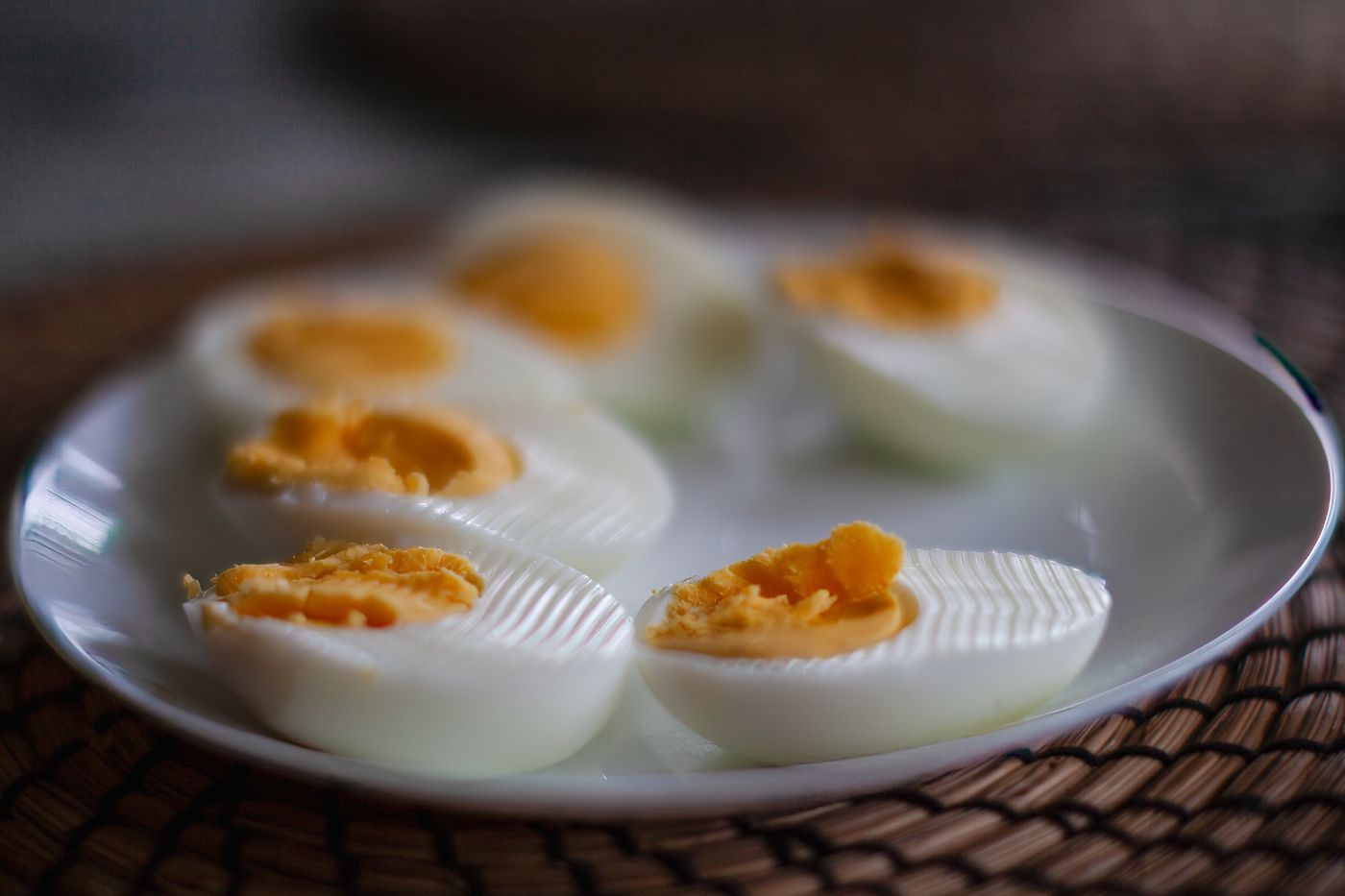
Sliced boiled eggs on a white plate
Home Organization

Is the OXO Fridge Egg Bin Worth It Instead of the Carton?

Disclosure: As an Amazon Associate, My Indoor Space earns from qualifying purchases.

Quick verdict

For ordinary refrigerated shell eggs, keeping the original carton is our default recommendation: both Health Canada and the FDA advise it. OXO’s clear twenty-egg bin offers visibility and a removable tray, but appearance alone is a weak reason to decant eggs. Treat it as an optional organizer, not an upgrade in food safety or freshness.

Research-based buying guide. Checked October 17, 2026. We have not tested these products hands-on. Manufacturer information, attributed external findings and our editorial judgments are distinguished below.

Sliced boiled eggs on a white plate
Egg-serving context; these cooked eggs do not show the OXO bin or raw-egg storage. Stock photo: Pexels.

Which option fits your routine?

Choice Choose it for Tradeoff
Original carton Following official shell-egg storage guidance Less transparent appearance
OXO egg bin A clear, removable-tray organizer Extra washing and a large fixed footprint
Existing fridge shelf Keeping cartons accessible in the fridge body Needs space allocated consistently

Why we would keep the carton first

Health Canada’s food-handling guidance says to store eggs in their original carton. Its egg-safety page also recommends the colder body of the refrigerator and notes the carton’s protection against damage. The FDA likewise advises original-carton storage.

Those recommendations matter more than an attractive organized-fridge photograph. Retaining the packaging also keeps the supplier’s date and handling information with the eggs. We do not present a clear aftermarket bin as a way to extend shelf life or make an unsafe storage location suitable.

What OXO’s organizer actually provides

OXO describes capacity for up to twenty eggs, a clear lid, rounded handles and a removable tray. Its listed dimensions are approximately 5.75 by 14.8 by three inches. The tray lifts out for cleaning, while the lid permits the product’s intended stacking arrangement.

Those are physical storage features. We have not tested impact protection, freshness or different egg sizes. Do not assume the tray format accommodates every unusually large egg or that a stacking lid supports arbitrary heavy loads. Follow the exact unit’s instructions.

The footprint may be the deciding factor

Measure a shelf in the refrigerator body and check the path needed to slide and lift the bin. Its long footprint may be convenient in one fridge and obstruct a short shelf in another. Leave appropriate room for circulation and ordinary access to nearby food.

Do not buy it merely because twenty sounds like more than a carton. If you normally keep a dozen eggs, another container may consume more useful room than the original package. A visible shopping list can address uncertainty about remaining eggs without another storage purchase.

Cleaning adds a recurring task

OXO specifies hand washing for this bin. A removable tray makes its surfaces accessible, but does not remove the need to clean after a spill or cracked shell. Follow the manufacturer’s care instructions and official food-handling guidance.

Keeping egg handling simple is a valid reason to skip an organizer. We have not compared washing time or measured contamination outcomes. A household that prefers minimal extra food-contact surfaces may find the original carton and an appropriate shelf position sufficient.

Our buying decision

Our recommendation is to keep shell eggs in their original carton and prioritize proper refrigeration. Consider the OXO only after deciding that its specific organizing function fits your needs without treating it as a freshness or safety improvement.

The U.S. page resolved to the correct product, but an active purchase offer was not confirmed during checking. Verify current availability and the complete bin, tray and lid package. Avoid a scarcity premium for a purchase whose main benefit may simply be appearance.

Buying in the United States or Canada

Both buttons identify the OXO twenty-egg bin with removable tray and lid. An active purchase offer was not confirmed on the U.S. page when checked. Confirm current offers, package contents, seller, delivered price and return terms. Official Canadian and U.S. guidance favors original-carton storage for shell eggs; this bin is not presented as a safety upgrade.

Related guides on My Indoor Space

Sources and research

Specifications establish stated features, not independent proof of performance. We base our value judgments on the task, fit, upkeep and alternatives. External experiences are attributed to their sources; no personal testing or measured savings is claimed.

Kitchen knives and peelers on a wooden board
Kitchen & Dining

Is the Joseph Joseph DoorStore Chop Board Set Worth It?

Disclosure: As an Amazon Associate, My Indoor Space earns from qualifying purchases.

Quick verdict

DoorStore Chop is worth considering when small everyday cutting boards need an accessible home inside a compatible cupboard door. It is less persuasive if you already own suitable boards and only need storage. Check door movement and shelf clearance before attaching the case; a slim holder can still collide with cabinet contents.

Research-based buying guide. Checked October 17, 2026. We have not tested these products hands-on. Manufacturer information, attributed external findings and our editorial judgments are distinguished below.

Kitchen knives and peelers on a wooden board
Cutting-tool context; the DoorStore boards and storage case are not pictured. Stock photo: Pexels.

Which option fits your routine?

Choice Choose it for Tradeoff
DoorStore Chop set Two compact boards with a matching mounted case Adhesive placement and fixed board sizes
Existing boards and holder Boards you already like Requires a suitable separate storage method
Large board on a shelf More preparation area More room needed for storage and washing

You are buying boards as well as storage

The manufacturer describes two different-sized, double-sided boards with non-slip feet and a slim case. Listed board dimensions are approximately 34 by 24cm and 27.5 by 20cm. Confirm the delivered set and measurements rather than judging usable area from a styled photograph.

These sizes can suit small preparation jobs but are not an automatic replacement for a broad carving board. Think about the ingredients you prepare and the sink space used to wash a board. Matching storage is useful only when the boards themselves suit your routine.

Measure the cabinet with the door moving

Position a temporary cardboard outline where the case would sit, then consider the door’s full swing and the space occupied by shelves, hinges and contents. Leave clearance for putting boards in and lifting them out. An open door photograph does not reveal every obstruction.

The case mounts to a suitable clean, flat surface using supplied 3M VHB adhesive. Follow the complete installation instructions, including preparation and any waiting time. Check finish compatibility and permission where relevant; tool-free mounting is not proof of damage-free removal.

Cutting marks are expected

Joseph Joseph explicitly says its knife-friendly board surface is designed to mark slightly during use. Do not buy plastic boards expecting them to retain an untouched appearance. Inspect and maintain them according to the supplied care guidance.

We have not tested knife feel, slipping, warping or long-term wear. A textured surface and non-slip feet are stated features, not independent performance results. If your current board provides the size and stability you prefer, the mounting case alone may not justify replacing it.

Separate the washing instructions

The manufacturer labels the boards dishwasher safe but specifies wiping the case with a damp cloth. Treat those as different components with different care needs. Clean and dry boards properly before returning them to enclosed storage.

Check the holder for residue and keep the insertion path clear. If the kitchen’s usual habit is leaving boards to dry on the counter, decide whether this storage arrangement fits that habit rather than assuming it will change automatically after installation.

Our buying decision

Buy the set when the supplied board sizes fit your tasks, the measured mounting position works and reducing visible countertop storage is valuable. Verify model 60149 and the complete two-board-plus-case package; color descriptions can vary between listings.

Skip it when you only need a place for larger boards you already own, cannot use adhesive on the cabinet or have a collision in the door’s path. A suitable ordinary holder can be cheaper enough. The useful upgrade is a complete preparation-and-storage routine that fits the actual cupboard.

Buying in the United States or Canada

Choose the button for your country and compare the exact model, included parts, seller, delivered cost and return terms. Offers and replacement-part availability can differ between Amazon USA and Canada. Confirm regional manufacturer support before relying on a guarantee for an imported product. We do not promise stock, a fixed price or delivery to every address.

Related guides on My Indoor Space

Sources and research

Specifications establish stated features, not independent proof of performance. We base our value judgments on the task, fit, upkeep and alternatives. External experiences are attributed to their sources; no personal testing or measured savings is claimed.

Spice jars arranged on a kitchen shelf
Home Organization

Is the Joseph Joseph Under-Shelf Spice Rack Worth It?

Disclosure: As an Amazon Associate, My Indoor Space earns from qualifying purchases.

Quick verdict

CupboardStore’s grey under-shelf spice rack is worth considering when compatible jars sit in an accessible but otherwise unused space below a shelf. Skip it if the shelf, cabinet width or jar sizes do not fit. A simple existing shelf or turntable is cheaper enough when the spices are already visible and easy to reach.

Research-based buying guide. Checked October 17, 2026. We have not tested these products hands-on. Manufacturer information, attributed external findings and our editorial judgments are distinguished below.

Spice jars arranged on a kitchen shelf
Spice-storage context; the under-shelf rack is not pictured. Stock photo: Pexels.

Which option fits your routine?

Choice Choose it for Tradeoff
Under-shelf rack A suitable unused area below a shelf Adhesive installation and clearance limits
Existing shelf Visible jars without another fitting Less separation between rows
Turntable Reaching several jars in a suitable footprint Uses shelf surface and rotating clearance

Check the two installation limits first

Joseph Joseph lists model 85147 for kitchen units over 32cm wide and shelves no thicker than 2cm. The stated overall size is approximately 32 by 13.5 by 9.3cm. Measure the actual shelf edge, not an estimate from the cabinet’s outer width.

Also check the space below and in front of the rack. The drawer needs to pull out without meeting a door hinge, neighboring jar or lower shelf contents. Using empty overhead space is helpful only when it does not block what is already stored underneath.

Seven jars is a format, not universal compatibility

The maker describes capacity for up to seven standard spice jars, with jars sold separately. Wide refill tubs, grinders and unusually tall lids may not fit that arrangement. Lay out your commonly used jars before choosing this format.

A small working selection can make sense here while bulk refills remain elsewhere. Transferring every spice into matching jars is an extra purchase and recurring task; it is not required simply because a rack photograph shows coordinated packaging.

Installation includes preparation and waiting

The official instructions require cleaning and fully drying the shelf underside, pressing the adhesive area firmly and waiting twenty-four hours before use. Follow the complete supplied instructions for the delivered unit and suitable surface.

The rack uses 3M VHB adhesive plus hooks over the shelf edge. Tool-free installation should not be treated as proof that removal will be harmless to every finish. Check your cabinet and property requirements before attaching anything to a surface you cannot risk marking.

A pull-out compartment still needs upkeep

Joseph Joseph includes a drawer stop and specifies wiping with a damp cloth. Check the rack for spice dust or sticky residue rather than assuming a closed drawer stays clean. Keep the sliding path clear when moving other cupboard items.

We have not tested adhesive life, sliding force or loading with different jar shapes. Avoid using the rack as general heavy storage. Its useful purpose is a defined small jar collection in a compatible location, following the manufacturer’s directions.

Our buying decision

Buy it when the measured shelf, usable cabinet width and actual jars fit, and the waiting period is acceptable. Confirm the grey seven-jar model rather than mixing its dimensions with a newer larger CupboardStore rack.

Skip it for a thick shelf, poor reach or spices that are already organized well enough. Compare the complete delivered cost with the simpler arrangement you would otherwise use. Recovering awkward space can justify this fitting; buying a fitting before measuring usually cannot.

Buying in the United States or Canada

Choose the button for your country and compare the exact model, included parts, seller, delivered cost and return terms. Offers and replacement-part availability can differ between Amazon USA and Canada. Confirm regional manufacturer support before relying on a guarantee for an imported product. We do not promise stock, a fixed price or delivery to every address.

Related guides on My Indoor Space

Sources and research

Specifications establish stated features, not independent proof of performance. We base our value judgments on the task, fit, upkeep and alternatives. External experiences are attributed to their sources; no personal testing or measured savings is claimed.
Organized storage shelves with plastic containers
Home Organization

Is the YouCopia UpSpace 3-Shelf Wide Bottle Organizer Worth It?

Disclosure: As an Amazon Associate, My Indoor Space earns from qualifying purchases.

Quick verdict

The 3-Shelf Wide UpSpace rack is worth considering for a large collection of reusable bottles that becomes awkward when stored upright. Buy it only after checking its wide footprint and your tallest bottle profiles. Keep upright storage for a small collection that is already easy to reach.

Research-based buying guide. Checked October 17, 2026. We have not tested these products hands-on. Manufacturer information, attributed external findings and our editorial judgments are distinguished below.

Organized storage shelves with plastic containers
Household storage context; the UpSpace bottle rack is not pictured. Stock photo: Pexels.

Which option fits your routine?

Choice Choose it for Tradeoff
3-Shelf Wide UpSpace Many bottles stored horizontally A wide fixed footprint
Narrower bottle rack Less cabinet width Fewer spaces per level
Upright bottles A small, accessible collection May waste overhead space

Wide means a different cabinet commitment

YouCopia’s documentation describes the 3-Shelf Wide format as approximately 16.4 inches wide, 7.5 deep and 9.1 high, with shelves adjustable in one-inch steps. It is different from the narrower three-shelf version and the newer six-bottle products.

Measure the cabinet opening as well as its interior. Door hinges, a face frame and nearby items can reduce usable access. The useful question is whether you can retrieve a bottle easily once the rack is loaded, not just whether the empty frame fits on a shelf.

Bottle shape controls real capacity

The maker describes horizontal bottle storage with roll-resistant slots and adjustable levels. Bottles with broad shoulders, handles, flip lids or attached straps may need more clearance than a simple cylinder. Do not assume every slot accepts the largest insulated tumbler in a collection.

Lay out the actual bottles before ordering. Check body diameter, length and anything protruding from the cap. If most are too bulky to share a level efficiently, a smaller mixed arrangement may use the cupboard better than filling every advertised position.

Horizontal storage has a specific purpose

The rack is for organizing bottles and travel mugs, not proving that a filled bottle is leakproof on its side. Store suitable clean, dry containers and follow the drinkware maker’s care guidance. A lid that seals upright may have different limits when lying horizontally.

The practical benefit is visibility and access to a collection that otherwise falls into a pile. If you own two bottles, simply giving them a consistent upright position may be enough. Removing unused duplicates can save more useful space than adding a large rack.

Assembly and washing

YouCopia describes tool-free assembly using wire supports and plastic shelves. Its UpSpace care FAQ specifies mild hand washing and excludes the dishwasher. Check the instructions for the exact version, secure shelves properly and respect its stated load guidance.

We have not tested stiffness, long-term shelf wear or retrieval with unusually heavy drinkware. Adjustable shelves offer flexibility, but require choosing sensible gaps rather than automatically creating more space. Allow time to clean and dry the rack periodically.

Our buying decision

Choose the wide three-shelf rack when many regularly used bottles fit its compartments and a broad cabinet area is available. Confirm the Wide variant on the package; an otherwise similar listing may describe a different shelf count or width.

Skip it when an existing shelf keeps the collection accessible or a narrower format would fit better. Compare delivered price, usable positions and the amount of cabinet space surrendered. The best value is the smallest arrangement that makes the bottles you use easy to retrieve.

Buying in the United States or Canada

Choose the button for your country and compare the exact model, included parts, seller, delivered cost and return terms. Offers and replacement-part availability can differ between Amazon USA and Canada. Confirm regional manufacturer support before relying on a guarantee for an imported product. We do not promise stock, a fixed price or delivery to every address.

Related guides on My Indoor Space

Sources and research

Specifications establish stated features, not independent proof of performance. We base our value judgments on the task, fit, upkeep and alternatives. External experiences are attributed to their sources; no personal testing or measured savings is claimed.
Food containers and glass jars on a kitchen counter
Home Organization

Is the YouCopia StoraLid 24 Worth It for Food-Container Lids?

Disclosure: As an Amazon Associate, My Indoor Space earns from qualifying purchases.

Quick verdict

StoraLid 24 is worth considering when matching food-container lids are hard to find and upright, divided storage would solve that problem. Keep a simple bin if it already keeps lids accessible. Sort unmatched lids first: a rack cannot make an incomplete container collection useful.

Research-based buying guide. Checked October 17, 2026. We have not tested these products hands-on. Manufacturer information, attributed external findings and our editorial judgments are distinguished below.

Food containers and glass jars on a kitchen counter
Food-container storage context; the StoraLid organizer is not pictured. Stock photo: Pexels.

Which option fits your routine?

Choice Choose it for Tradeoff
StoraLid 24 Separating lids upright in adjustable compartments Footprint, clearance and hand washing
Existing bin A modest lid collection Less separation between shapes
Store lids on containers A small matching set Uses more vertical space

Choose the current 24-lid model deliberately

YouCopia’s current Organizing Hero version has five adjustable dividers and a stated footprint of 10.8 inches deep by 13.2 wide by 3.3 high. It accepts round or square lids up to nine inches. Those specifications should not be copied to the older Medium Classic model, which has a different footprint.

The name 24 describes the advertised format, not a guarantee for twenty-four unusually bulky lids. Raised tabs, gasket edges and thick profiles affect how much space each uses. Count the lids you actually keep and consider how you will separate them.

Measure the loaded organizer

The tray’s height is only part of the clearance calculation. A lid stored upright can extend well above its sides, so measure from the cabinet shelf or drawer base to the obstruction above. Leave room to lift the lid out without tilting a whole stack.

A rack that fits an empty drawer may be unusable once filled. In a cupboard, check the door opening and hinge area as well as the internal shelf width. Moving an organizer forward should not require rearranging everything beside it.

Sort before buying more storage

Match each lid with its container, remove damaged pieces appropriately and decide which sizes are used often. This prevents paying to organize a collection that still cannot pack leftovers efficiently. The best compartments are based on your actual set, not a photograph of perfectly matched lids.

A small household with only a few containers may be better served by keeping lids attached. For a larger nested collection, adjustable divisions can make the desired shape easier to see. That is a practical organizing judgment, not a measured time-saving claim.

Cleanup and daily access

The maker describes built-in handles and specifies hand washing with mild soap and lukewarm water, not dishwasher cleaning. That matters if your storage area collects crumbs or occasional drips. Dry the organizer and lids before putting them away.

Check that the dividers are secured according to the supplied instructions and adjust spacing when the collection changes. We have not tested divider durability or how easily different lids slide in and out. Avoid buying solely on an assumption that all adjustable racks behave identically.

Our buying decision

Buy StoraLid 24 if your loaded clearance works, the compartments suit several regularly used lid sizes and the complete delivered price is reasonable compared with a plain bin. Confirm the current 24-lid version and included dividers in both country offers.

Skip it when unmatched pieces are the real issue or an existing container already keeps everything visible. Clearer access is the useful upgrade; filling another organizer is not an improvement by itself. Start with one suitable rack rather than converting every cupboard at once.

Buying in the United States or Canada

Choose the button for your country and compare the exact model, included parts, seller, delivered cost and return terms. Offers and replacement-part availability can differ between Amazon USA and Canada. Confirm regional manufacturer support before relying on a guarantee for an imported product. We do not promise stock, a fixed price or delivery to every address.

Related guides on My Indoor Space

Sources and research

Specifications establish stated features, not independent proof of performance. We base our value judgments on the task, fit, upkeep and alternatives. External experiences are attributed to their sources; no personal testing or measured savings is claimed.

Scroll to Top