
Chocolate chip cookies resting on baking paper
Kitchen & Dining

Cookie Scoop vs Spoon: Is a Dedicated Scoop Worth Buying?

Disclosure: As an Amazon Associate, My Indoor Space earns from qualifying purchases through links in this article, at no extra cost to you.

Quick verdict

A scoop is worth considering when you repeatedly portion similar dough and want a consistent filling routine. An ordinary spoon remains enough for occasional, flexible-size baking. Buy the right capacity and release mechanism rather than assuming every cookie scoop is equivalent.

Research-based buying guide. Information checked October 16, 2026. We have not tested these products hands-on; published specifications and our buying judgments are identified separately.

OXO small cookie scoop

OXO silicone scoop set

Chocolate chip cookies resting on baking paper
Illustrative cookies; the portioning tool and baking method are not established. Photo: Pexels.

A cookie scoop organizes a repetitive task. It does not replace a suitable recipe, careful filling or a scale when exact dough weight matters. The sensible purchase is one that matches the portion and hand action you want to repeat.

Compare the real alternatives

Question Ordinary spoon Dedicated scoop
Portion size Judged or weighed by the cook Defined bowl capacity when filled consistently
Release Use another spoon or suitable method Wiper or press-release design
Storage and cost Likely already owned Extra tool to store and clean

When a spoon is enough

If you bake a small batch occasionally and do not mind varying portions, the spoon in your drawer may be the best value. You can also weigh portions when a recipe specifies grams. That avoids buying a scoop simply because a recipe writer used one in a photograph.

Be precise about spoon terminology. An ordinary eating spoon is not automatically a standardized tablespoon measure. If the recipe depends on a measured volume, use the appropriate measure or the stated weight.

When a scoop is useful

OXO’s cited small stainless model is a size-70 portioner holding one tablespoon. It uses a spring-loaded handle and internal wiper. That can be useful when you make repeated batches requiring that capacity and prefer a squeeze-to-release motion.

Choose for the actual dough and instructions. A manufacturer’s suggested finished cookie diameter is not a guarantee across recipes: spreading and baking affect the result. We have not tested release with stiff dough, chunky additions or chilled mixtures.

The mechanism matters as much as size

OXO also sells a silicone press-release set with one-, one-and-a-half- and three-tablespoon scoops. That set uses a different action from the spring-handle tool. Someone who dislikes squeezing a mechanism should compare the alternative directly rather than assuming every scoop will feel the same.

Both cited designs are listed as dishwasher-safe, but check the actual tool’s instructions and loading position. A moving wiper has a different cleaning routine from a simple spoon. Plan how you will dry and store it after the dough is gone.

Who should buy or skip?

Buy one suitable scoop when its capacity matches your regular baking. Consider multiple sizes only when you actually use several portion sizes. Keep using a spoon for occasional baking or use your scale when precision matters most. A large set is not a better deal if only one piece leaves the drawer.

Compare listings in your country

These buttons open matching Amazon search results, rather than a guaranteed in-stock offer. Confirm the exact model, seller, included parts, delivered price and return terms. Prices and availability can differ between the United States and Canada.

OXO small cookie scoop

OXO silicone scoop set

Related guides on My Indoor Space

Sources and research

Cookies on baking paper on a tray
Kitchen & Dining

Silicone Baking Mat vs Parchment Paper: Which Is Better Value?

Disclosure: As an Amazon Associate, My Indoor Space earns from qualifying purchases through links in this article, at no extra cost to you.

Quick verdict

Choose parchment for occasional baking, cut-to-fit jobs and minimal washing. Buy a silicone mat when you repeatedly use a matching tray and will wash and store it properly. Reusability only becomes useful value when the mat actually replaces paper in your routine.

Research-based buying guide. Information checked October 16, 2026. We have not tested these products hands-on; published specifications and our buying judgments are identified separately.

OXO half-sheet baking mat

Reynolds parchment paper

Cookies on baking paper on a tray
Illustrative parchment use; no OXO mat or comparative baking result is shown. Photo: Pexels.

The choice is partly about cleanup and partly about fit. A reusable mat offers a fixed surface for repeated jobs; paper can be cut for different trays and pans. Neither should be treated as a universal liner for any appliance or temperature.

Compare the full routine

Question Silicone mat Parchment
Fit Buy the intended size Cut from a roll or buy sheets
After baking Wash, dry and store Handle or discard according to use
Cost pattern Higher initial purchase Ongoing paper supply

When parchment is enough

Paper can suit occasional cookies, a loaf-pan lining or a job where you need a shape different from your regular baking sheet. Buy the format you will use: pre-cut sheets simplify a matching tray, while a roll gives more flexibility.

For the cited Reynolds parchment, the manufacturer specifies a 425°F limit in a preheated conventional oven and excludes broiler and toaster-oven use. Keep it away from flames and oven sides. These directions are specific to that product; do not generalize from another brand’s rating.

When a silicone mat earns its cost

OXO’s referenced mat measures 11.5 by 16.5 inches and uses silicone with fiberglass reinforcement. It is identified as dishwasher-safe. Those dimensions make it a candidate for a matching half-sheet pan, but check the usable flat interior of your tray rather than the outer rim size.

Follow the selected mat’s temperature and appliance instructions. A pastry work mat, bread mat and baking-sheet liner can have different intended uses. Do not assume a larger mat can be cut down unless the manufacturer explicitly permits that change.

Do the value calculation for your baking

Divide the mat’s delivered price by the cost of the paper it actually replaces per session. For illustration only, a C$25 mat replacing C$0.25 of paper per bake needs about 100 uses to match that paper spend, before washing costs. These are example inputs, not current product prices.

If you bake monthly, reaching that use count takes much longer than if you bake several times a week. A lower-priced roll can therefore be sensible even when a reusable product sounds more economical in the abstract.

What we would choose

Choose parchment for flexible shapes and occasional baking. Buy a mat for a repeated, compatible tray job when cleanup is acceptable. We have not tested browning, spread or crispness between these products, so no liner receives a universal baking-performance win. Keep a working routine if your cookies and cleanup already suit you.

Compare listings in your country

These buttons open matching Amazon search results, rather than a guaranteed in-stock offer. Confirm the exact model, seller, included parts, delivered price and return terms. Prices and availability can differ between the United States and Canada.

OXO half-sheet baking mat

Reynolds parchment paper

Related guides on My Indoor Space

Sources and research

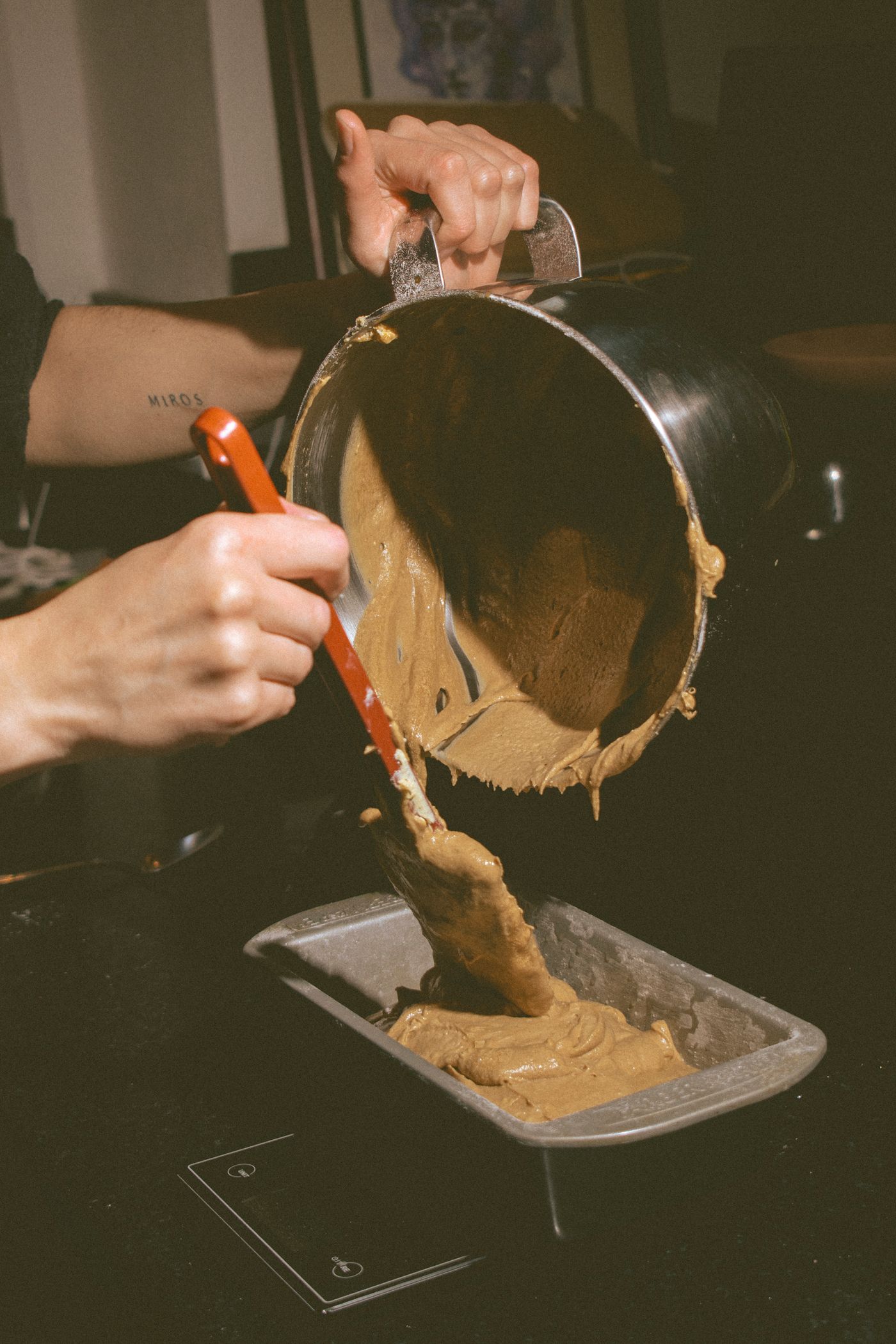
Batter being poured into a loaf pan
Kitchen & Dining

Nordic Ware Naturals vs USA Pan Loaf Pan: Which One-Pound Pan Fits?

Disclosure: As an Amazon Associate, My Indoor Space earns from qualifying purchases through links in this article, at no extra cost to you.

Quick verdict

Choose the pan whose interior dimensions match your regular recipes first. Then choose uncoated Nordic Ware or coated USA Pan around the release and care routine you prefer. The words “one pound” do not make their interiors identical.

Research-based buying guide. Information checked October 16, 2026. We have not tested these products hands-on; published specifications and our buying judgments are identified separately.

Nordic Ware Naturals 1 lb pan

USA Pan 1140LF 1 lb pan

Batter being poured into a loaf pan
Illustrative baking photo; neither compared pan is identified. Photo: Pexels.

The best loaf pan is not simply the more expensive one. Start with the recipe’s intended pan size, then compare material and care. A loaf that fits your usual recipe is a more useful purchase than a premium pan chosen only by its capacity label.

Compare interiors before materials

Specification Nordic Ware Naturals USA Pan 1140LF
Published interior/baking dimensions 8.2 × 4.2 × 2.8 inches 8.5 × 4.5 × 2.75 inches
Construction Uncoated aluminum Aluminized steel with Americoat coating
Care direction Hand wash recommended Hand wash; no dishwasher

Why the size difference matters

Both are sold as one-pound pans, but their listed baking spaces differ. Compare the actual dimensions with the recipe rather than transferring a “one-pound” label from one brand to the other. Outside measurements matter for storage, while inside measurements matter for the batter or dough.

A new pan may require observing your recipe differently. We have not tested rise, crust color or timing side by side. Follow the recipe and manufacturer’s guidance rather than assuming the same nominal capacity guarantees an identical loaf.

When uncoated aluminum makes sense

Nordic Ware’s Naturals version uses uncoated aluminum and recommends hand washing. Its guidance permits parchment and traditional preparation methods, and notes that acidic ingredients can affect the surface with prolonged contact. It is a fit for someone comfortable with the preparation and appearance of natural aluminum.

Do not confuse Naturals with a Naturals Nonstick listing. Nordic Ware sells coated versions in related sizes. Check the complete product name before deciding that a photographed silver or light-colored pan has the construction you intended.

When the coated USA Pan is useful

The USA Pan model uses aluminized steel with a nonstick silicone coating. Its care instructions specify hand washing, avoiding sharp metal utensils and a 450°F maximum. These are ownership requirements, not optional details after choosing the pan.

Read its preparation guidance as well: the manufacturer still says to follow the recipe’s greasing and flouring directions and does not recommend cooking spray. “Nonstick” does not mean every recipe should be handled in the same way.

Who should buy or skip?

Buy Nordic Ware when the recipe fit and uncoated routine appeal to you. Choose USA Pan when the dimensions fit and you want its coated release surface with the required care. Keep a sound existing pan if your recipes already work well in it. Paying extra is worthwhile for a useful material or shape difference, not for an expectation of guaranteed better baking.

Compare listings in your country

These buttons open matching Amazon search results, rather than a guaranteed in-stock offer. Confirm the exact model, seller, included parts, delivered price and return terms. Prices and availability can differ between the United States and Canada.

Nordic Ware Naturals 1 lb pan

USA Pan 1140LF 1 lb pan

Related guides on My Indoor Space

Sources and research

Cup of milk being held during coffee preparation
Kitchen & Dining

Bodum Schiuma vs Bistro Milk Frother: Is Heating Worth the Upgrade?

Disclosure: As an Amazon Associate, My Indoor Space earns from qualifying purchases through links in this article, at no extra cost to you.

Quick verdict

Choose the battery Schiuma for a compact whisk when you can manage milk heating separately. Pay for the referenced Bistro jug when its combined heating-and-frothing routine is useful most mornings. Check exact model numbers: Bodum sells different frothers under related names.

Research-based buying guide. Information checked October 16, 2026. We have not tested these products hands-on; published specifications and our buying judgments are identified separately.

Bodum Schiuma battery whisk

Bodum Bistro 11870 frother

Cup of milk being held during coffee preparation
Illustrative milk preparation; no compared Bodum model or foam test is shown. Photo: Pexels.

A small handheld frother and an electric jug do not perform the same complete job. One whisks milk in a separate vessel; the other adds a heating routine in its own container. The upgrade is worthwhile when that extra step is something you want the appliance to handle.

Match these specific versions

Question Battery Schiuma Bistro 11870-01US
Main role Whisk in a separate cup Heat and froth in its jug
Power Two AA batteries in cited instructions Mains-powered base
Cleaning Rinse metal whisk; protect motor handle Clean after use; do not submerge jug

When the Schiuma is enough

The cited Schiuma instructions use a small quantity of milk in a separate cup and require two AA batteries. Heating, if wanted, is handled separately in an appropriate vessel. That can suit an occasional drink or someone who values a tool that stores in a drawer.

Budget for batteries and a suitable cup with room for expansion. A handheld whisk is not a milk heater, so it will not remove that task from a hot-drink routine. Choose it because you prefer separate steps or do not always need warm foam.

When the Bistro jug earns its place

Bodum’s referenced 11870-01US page describes automatic heating and frothing, with a removable whisk for heating without the frothing action. Its listed 300 ml heating capacity should not be treated as permission to froth that same amount: follow the appropriate minimum and maximum marks.

Keep model identification precise. A different Bistro frother can have other controls, capacities or modes, and newer Schiuma variants may use another power system. The comparison here does not assign every Bodum listing the specifications of these two versions.

Milk choice and cleaning affect value

We have not compared foam texture, alternative milks or temperature accuracy. A “barista” label does not establish identical results across every milk. If a particular drink is your main reason for buying, look for information about that milk and the actual model.

Both tools need attention after use. The Schiuma’s motor section should not be submerged or put in the dishwasher; the Bistro’s electrical jug needs its own prescribed cleaning method. Check whether that routine is easier for you than rinsing a whisk and washing a separate cup.

Who should upgrade or skip?

Choose Schiuma for compact, occasional whisking. Buy Bistro when a dedicated heated-milk routine is frequent enough to justify the base, jug and cord. Skip either if your existing coffee machine already supplies the milk texture you want. A larger appliance is not automatically better value for one occasional cappuccino.

Compare listings in your country

These buttons open matching Amazon search results, rather than a guaranteed in-stock offer. Confirm the exact model, seller, included parts, delivered price and return terms. Prices and availability can differ between the United States and Canada.

Bodum Schiuma battery whisk

Bodum Bistro 11870 frother

Related guides on My Indoor Space

Sources and research

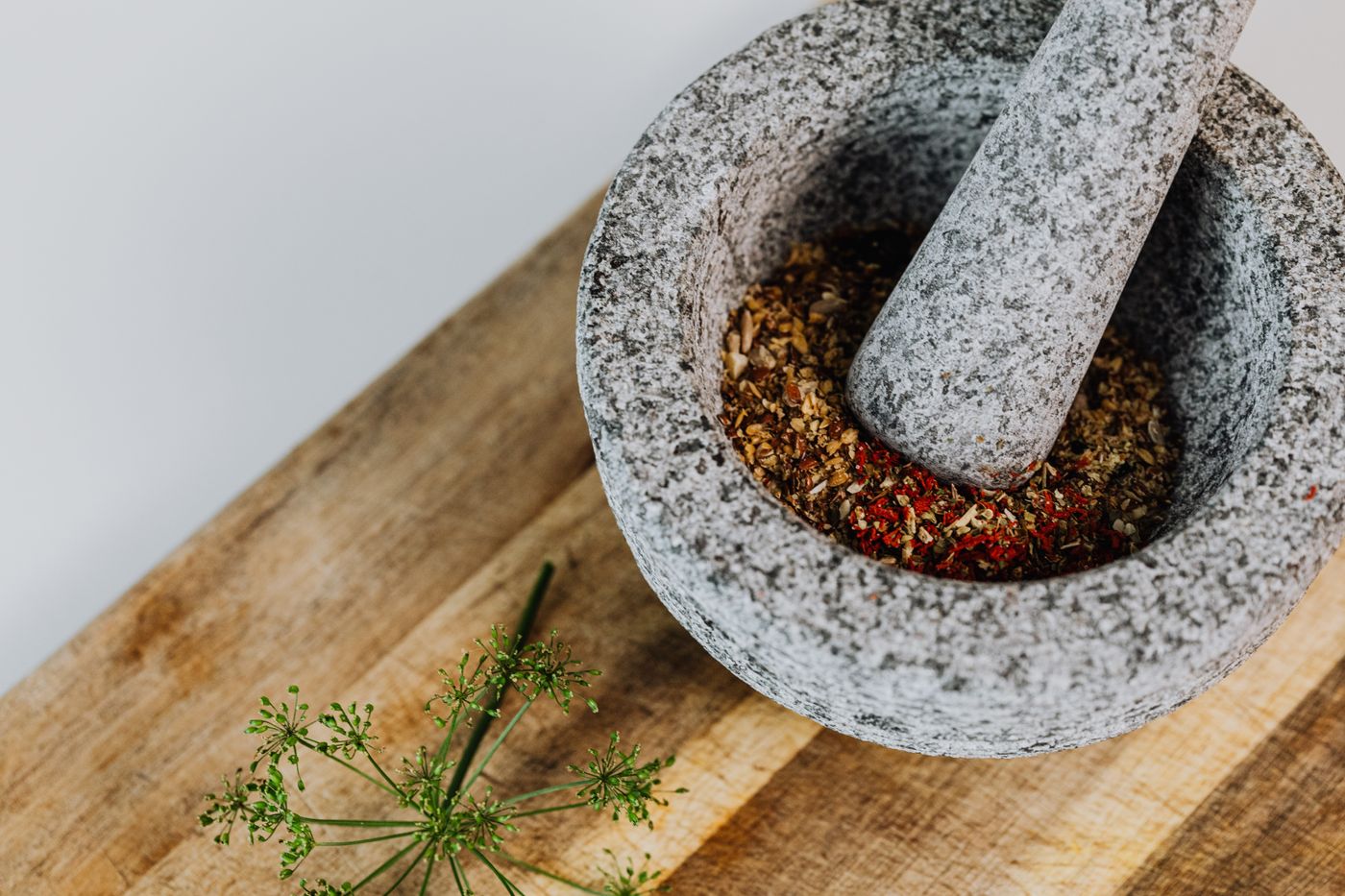
Spices in a mortar beside a pestle
Kitchen & Dining

Mortar and Pestle vs Electric Spice Grinder: Which Fits Your Cooking?

Disclosure: As an Amazon Associate, My Indoor Space earns from qualifying purchases through links in this article, at no extra cost to you.

Quick verdict

Choose a mortar when hands-on crushing and a supported wet-or-dry paste routine are what you want. Buy an electric spice grinder for frequent batches suited to its bowl and instructions. For occasional seasoning, suitable pre-ground spices can be the cheaper, simpler choice.

Research-based buying guide. Information checked October 16, 2026. We have not tested these products hands-on; published specifications and our buying judgments are identified separately.

Cole & Mason Worcester mortar

Cuisinart SG-10 grinder

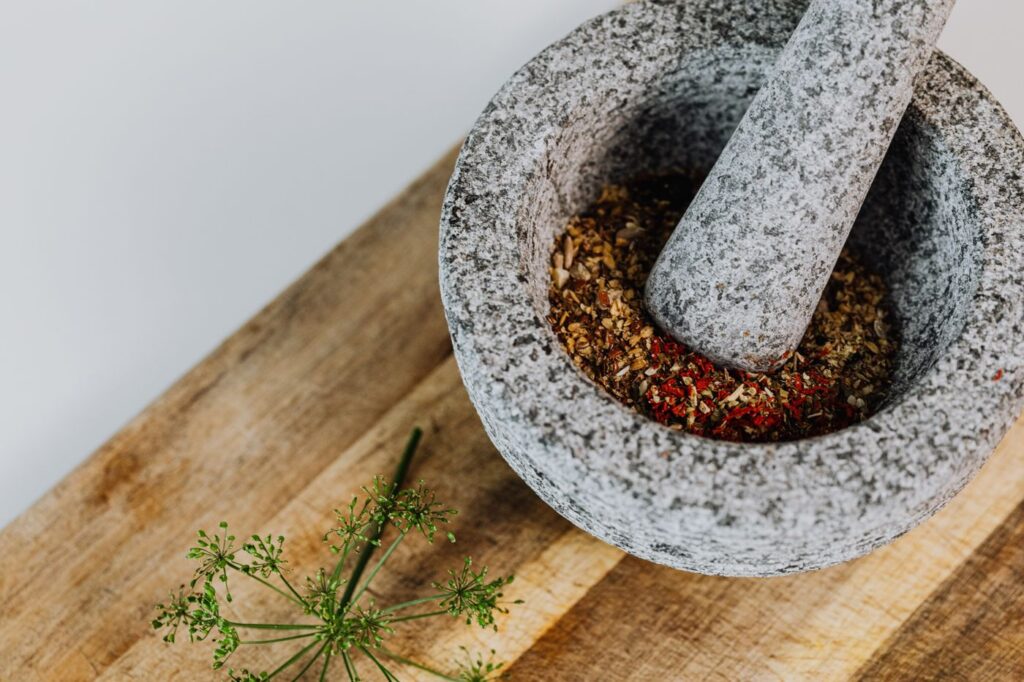
Spices in a mortar beside a pestle
Illustrative spice preparation; no compared model or grinding test is shown. Photo: Pexels.

A mortar crushes ingredients under a pestle; a blade grinder processes them in a powered bowl. Both can be useful, but they ask for different work from the cook. Choose around the blend you make repeatedly, how much you need and how you will clean the tool afterward.

Compare the ownership routine

Question Granite mortar Cuisinart SG-10
Operation Manual crushing and grinding Push-top blade action
Referenced size Worcester 140 mm version Published bowl capacity up to 90 g
Storage issue Heavy stone bowl and pestle Motor base, bowl, lid and cord

When the mortar is worth buying

Cole & Mason lists the Worcester granite design for wet and dry ingredients. It can be a good match when you enjoy working a mixture by hand and want to watch its texture change. Check that the bowl size suits the amount you actually prepare.

A heavy base is not automatically convenient in a small kitchen. Decide whether it will stay on the counter or need lifting out of a cupboard. Read the preparation and cleaning instructions for the selected stone tool; do not assume every mortar tolerates the same detergent or dishwasher routine.

When the powered grinder earns its space

The SG-10 lists a 200-watt motor, lid interlock and removable stainless bowl, with the bowl and lid identified as dishwasher-safe. That separation can simplify cleanup compared with a grinder whose bowl is fixed to the motor.

Its 90-gram figure is a maximum published capacity, not a promise that every quantity or ingredient will process equally well. Follow the manual’s recipe and operating limits. A spice grinder should not be treated as a general blender merely because both have blades.

Think about strong flavors and small batches

Plan how you will clean between unrelated mixtures. A bowl used for an assertive spice blend may be inconvenient if your next job is a delicate flavor. If you already own a coffee grinder, check its intended use and cleaning before turning it into a shared tool.

Also think about the smallest batch you need. Buying a larger tool to process tiny quantities can create more handling than the recipe requires. We have not tested minimum batch size, particle uniformity or noise on either product.

Who should buy or skip?

Buy the mortar for its manual method and suitable paste recipes. Consider the SG-10 when repeated grinding justifies the appliance and cleaning routine. Keep an existing suitable tool, or buy pre-ground ingredients, when that already meets your cooking needs. Freshly ground is a preparation choice, not a reason to buy equipment you rarely use.

Compare listings in your country

These buttons open matching Amazon search results, rather than a guaranteed in-stock offer. Confirm the exact model, seller, included parts, delivered price and return terms. Prices and availability can differ between the United States and Canada.

Cole & Mason Worcester mortar

Cuisinart SG-10 grinder

Related guides on My Indoor Space

Sources and research

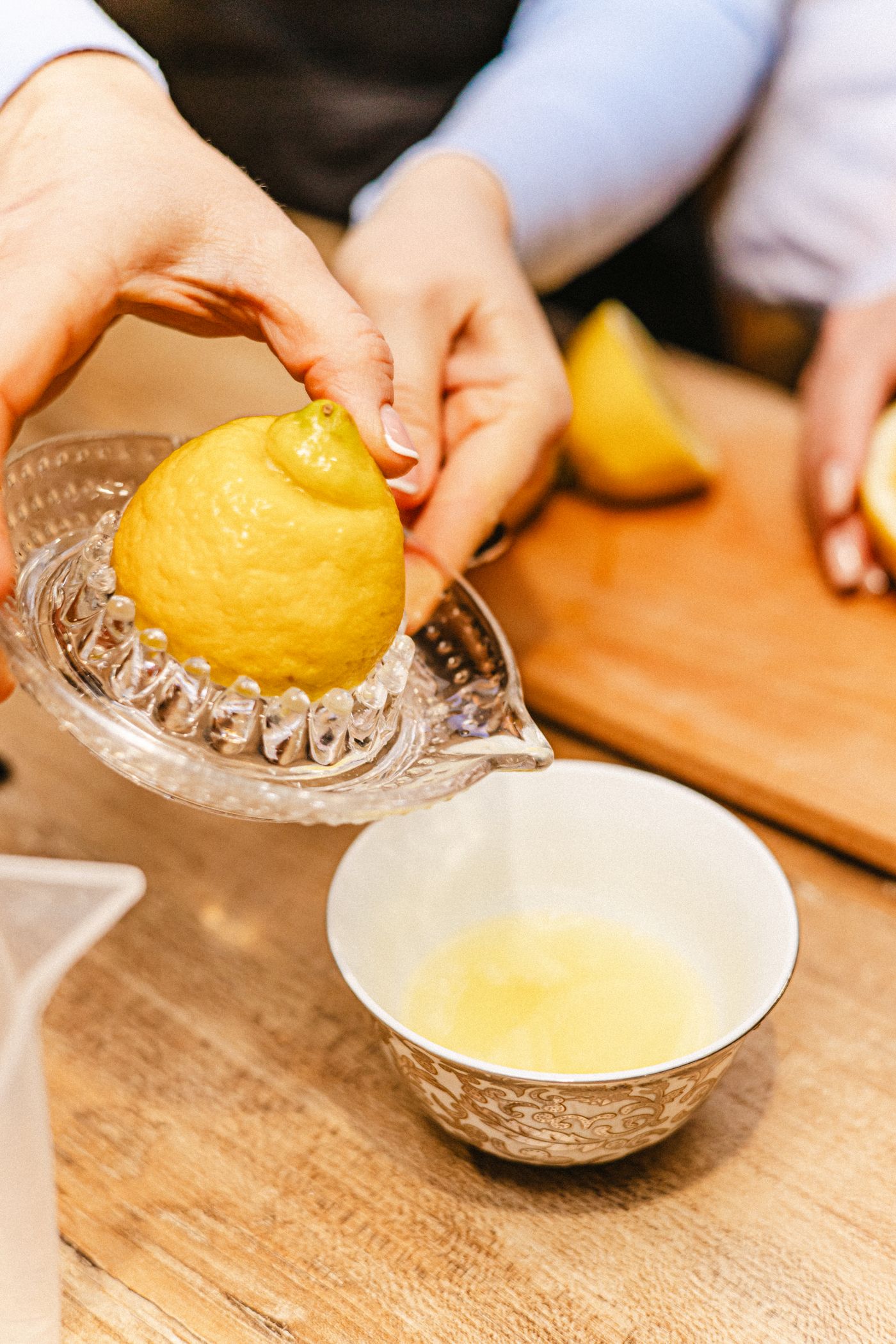
Lemon juice being squeezed during kitchen preparation
Kitchen & Dining

Manual vs Electric Citrus Juicer: When Is the Motor Worth It?

Disclosure: As an Amazon Associate, My Indoor Space earns from qualifying purchases through links in this article, at no extra cost to you.

Quick verdict

Choose a manual press for a few lemons or limes and easy drawer storage. Consider an electric citrus juicer when you regularly process more fruit or want its pulp-control workflow. A motorized reamer still needs fruit positioning, cleaning and suitable counter space.

Research-based buying guide. Information checked October 16, 2026. We have not tested these products hands-on; published specifications and our buying judgments are identified separately.

Chef’n FreshForce citrus press

Cuisinart CCJ-500P1 juicer

Lemon juice being squeezed during kitchen preparation
Illustrative citrus preparation; neither compared juicer is identified. Photo: Pexels.

Juice for a dressing and juice for several breakfast glasses are different jobs. A handheld press can be efficient to take out for one fruit; an electric citrus machine offers a different process for repeated halves. Start with quantity and fruit size before choosing an appliance.

What you are paying for

Question FreshForce citrus press CCJ-500P1
Referenced fruit range Lemons and limes Limes through grapefruits
Action Squeeze handles Hold fruit against powered reamer
Pulp adjustment Check the press and recipe needs Three listed settings

When the handheld press makes sense

Chef’n describes a dual-gear press made from stainless steel and nylon for lemons and limes. It requires no outlet and can live with other preparation tools. Its compact workflow can be the main advantage when you need a little citrus juice while cooking.

Check the actual bowl and fruit fit. A press intended for lemons and limes is not automatically suitable for an oversized orange or grapefruit. Chef’n recommends hand washing even though the page also identifies top-rack dishwasher use; follow the instructions supplied with the chosen version.

When the electric model is useful

Cuisinart’s CCJ-500P1 lists an auto-reversing cone, three pulp settings, a final-spin function and dishwasher-safe removable parts. These features can be useful when repeated citrus preparation justifies keeping a motorized base available.

It is still a citrus juicer rather than a general fruit-and-vegetable extractor. Decide whether its supported fruit range matches your shopping habits. Do not buy it expecting to feed in whole apples or replace the job of a different machine.

Check the model suffix and warranty

Cuisinart identifies the plain CCJ-500 as discontinued, while the referenced current page is CCJ-500P1. Match that suffix when checking stock, instructions and replacement parts. A marketplace title shortened to “500” can obscure which version is being sold.

The current US product page also gives inconsistent warranty lengths in different sections. Obtain the warranty document for the exact model, seller and country instead of relying on one line of sales copy. We do not assign a warranty winner from that conflicting page.

Who should buy or skip?

Buy the press for modest lemon-and-lime quantities if the squeezing action suits you. Consider the Cuisinart for repeated juicing with its supported larger fruit and pulp settings. Keep a simple reamer if it already does the job. Compare delivered prices with cleaning and storage needs; electric is a workflow choice, not proof of better juice yield in every kitchen.

Compare listings in your country

These buttons open matching Amazon search results, rather than a guaranteed in-stock offer. Confirm the exact model, seller, included parts, delivered price and return terms. Prices and availability can differ between the United States and Canada.

Chef’n FreshForce citrus press

Cuisinart CCJ-500P1 juicer

Related guides on My Indoor Space

Sources and research

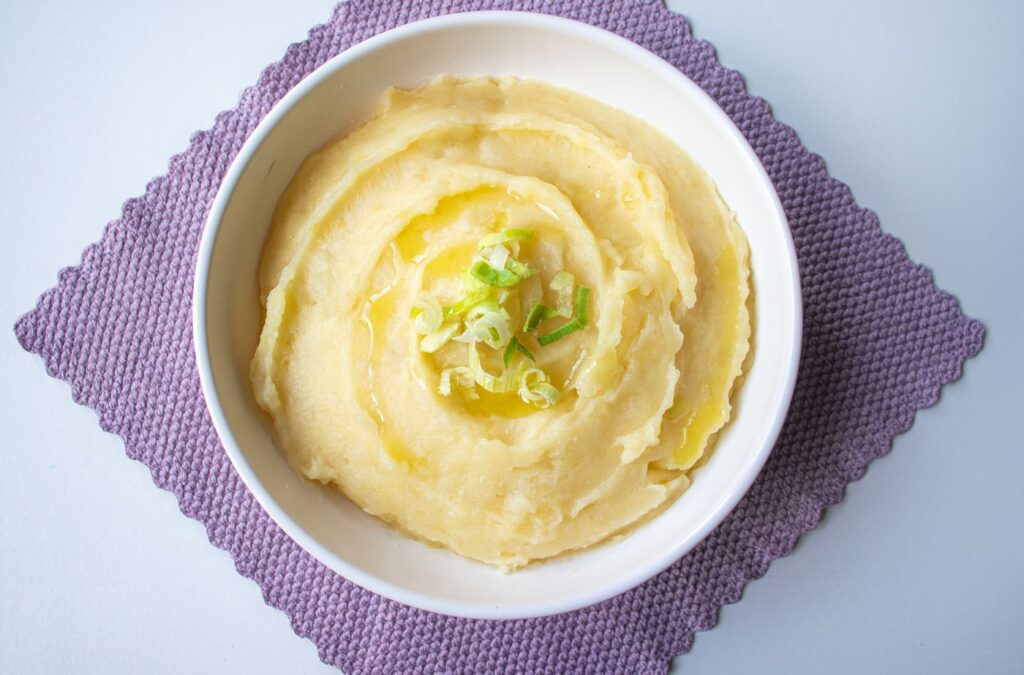
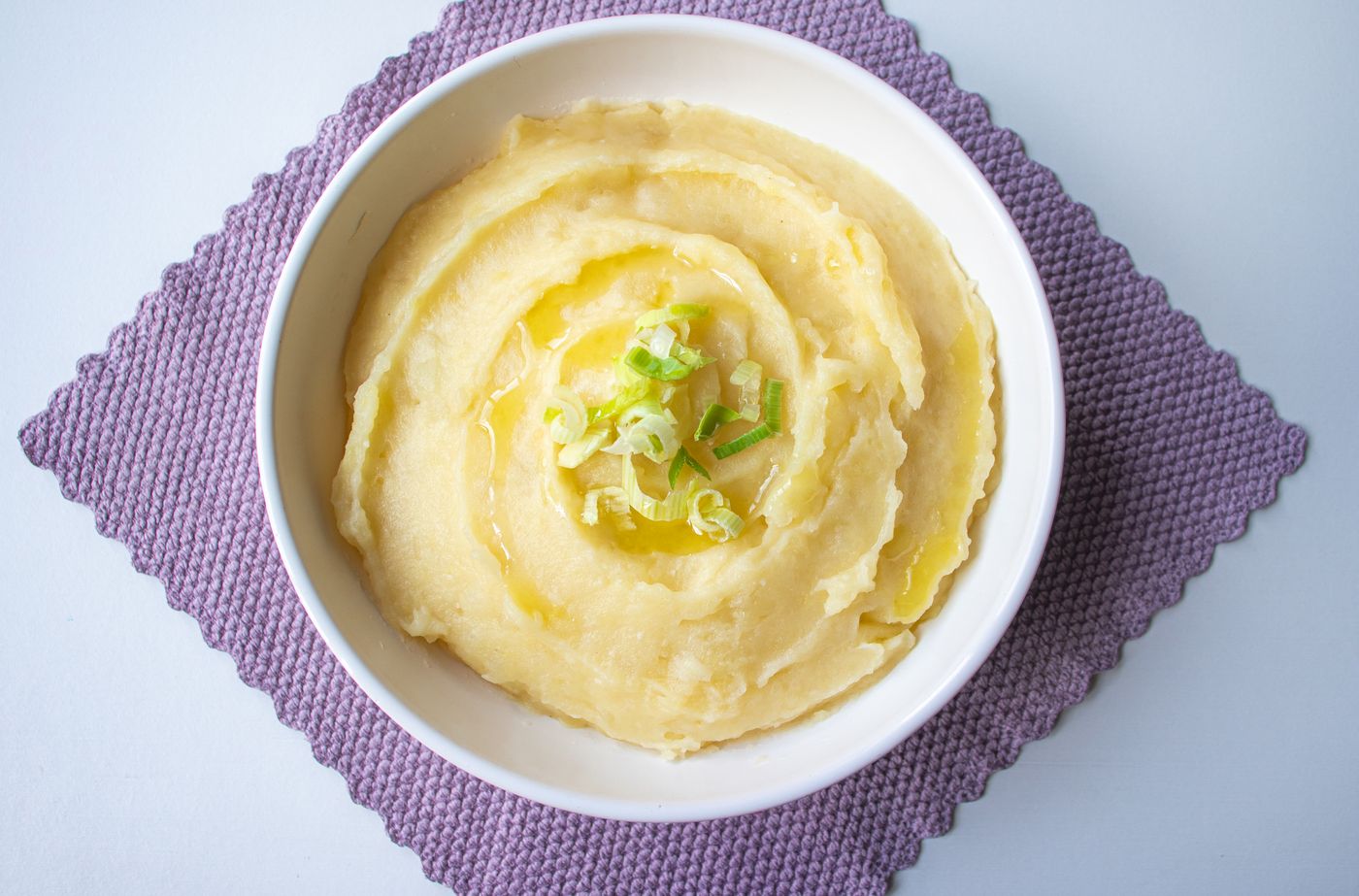
Mashed potatoes served in a white bowl
Kitchen & Dining

Potato Ricer vs Food Mill: Which Is Worth Buying for Home Cooking?

Disclosure: As an Amazon Associate, My Indoor Space earns from qualifying purchases through links in this article, at no extra cost to you.

Quick verdict

Choose a ricer for repeated small batches where a squeeze-through tool suits your routine. Buy a food mill when its cranking workflow and interchangeable discs cover several foods you regularly prepare. For occasional mash and a texture you already like, a simple masher may be enough.

Research-based buying guide. Information checked October 16, 2026. We have not tested these products hands-on; published specifications and our buying judgments are identified separately.

OXO standard potato ricer

OXO 2.3-quart food mill

Mashed potatoes served in a white bowl
Illustrative food photo; the preparation method and tool are not established. Photo: Pexels.

These tools both push food through openings, but the handling is different. A ricer uses a pressing action with repeated fills. A food mill uses a crank and a larger bowl. The useful upgrade depends on your batch size and the foods you prepare, not which tool looks more professional.

The practical differences

Question Standard OXO ricer OXO food mill
Main action Squeeze handles Turn crank over a receiving vessel
Texture arrangement Standard pressing basket Fine, medium and coarse discs
Published overall dimensions 11.5 × 5 × 4 inches 14.75 × 10.25 × 7.25 inches

When a ricer is enough

OXO’s standard ricer is a stainless steel tool with soft handles and a support knob for resting against a bowl or pot. It can suit a cook who wants this particular pressing method without a larger mill to assemble and store.

Consider the action as well as the result you want. Repeated squeezing and reloading may be acceptable for a small meal and less appealing for a larger batch. We have not measured required hand force, so a soft grip should not be treated as proof that it suits every user’s strength or mobility.

When a food mill earns the extra space

The cited OXO mill has a 2.3-quart capacity, three discs and folding legs. The disc options are useful when you genuinely need different textures and will follow the use guide for the selected food. The removable discs also mean more pieces to clean and keep together.

Check the receiving pot or bowl, working height and clearance for the crank. A tool can fit a cupboard yet be awkward over the vessel you actually own. Measure the full setup before buying primarily on bowl capacity.

Do not mix up the ricer versions

OXO also sells a 3-in-1 adjustable ricer with built-in disc adjustment. That is a separate product from the standard model here. Compare its own dimensions and cleaning instructions if multiple textures are your reason for shopping; do not assign its features to the cheaper standard ricer.

Is the price difference justified?

The manufacturer’s US pages checked October 16, 2026 showed US$34.99 for the standard ricer and US$64.99 for the mill. Those reference prices make the mill a meaningful extra purchase, before considering storage. Check current delivered prices in your country.

Buy the mill when several recurring recipes justify the larger tool. Choose the ricer for a narrower pressing task. Skip both if an existing masher produces the texture you enjoy and you have no repeated reason to change methods.

Compare listings in your country

These buttons open matching Amazon search results, rather than a guaranteed in-stock offer. Confirm the exact model, seller, included parts, delivered price and return terms. Prices and availability can differ between the United States and Canada.

OXO standard potato ricer

OXO 2.3-quart food mill

Related guides on My Indoor Space

Sources and research

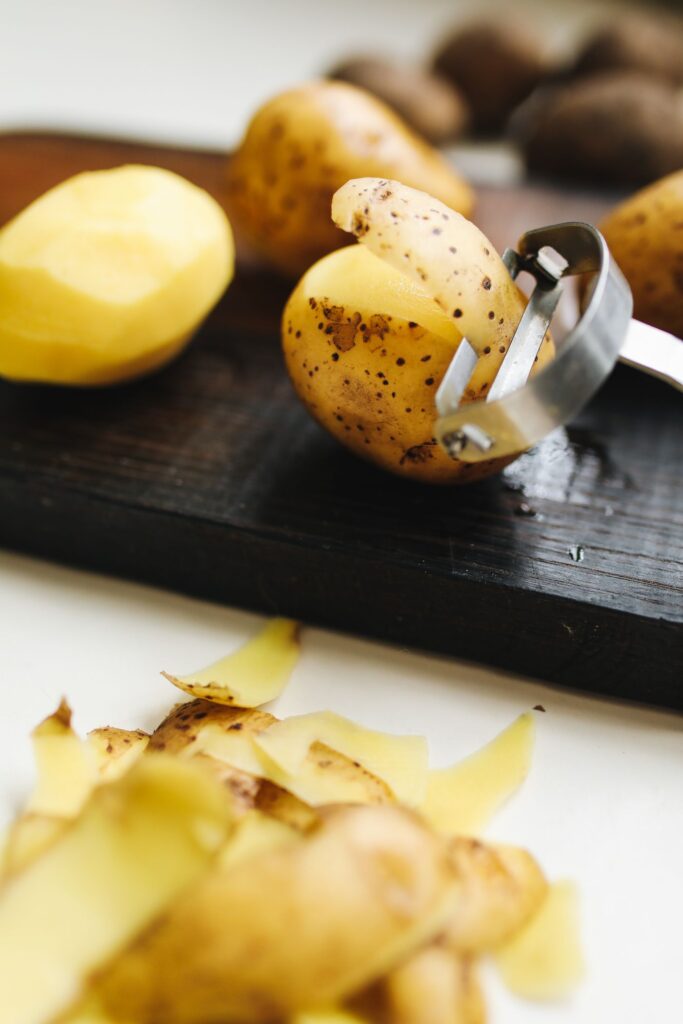
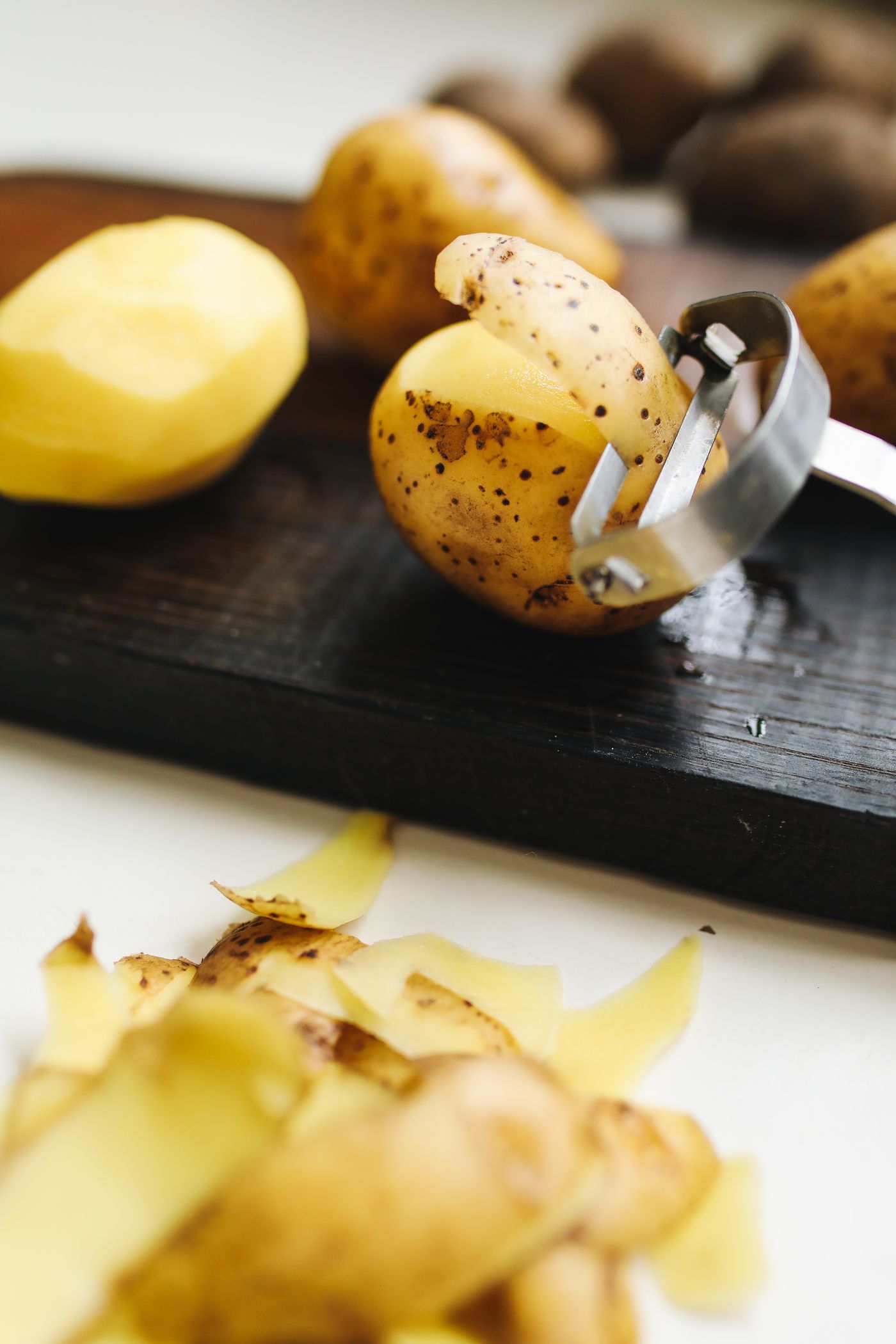
Potatoes and a peeler on a wooden board
Kitchen & Dining

OXO Swivel vs Y-Peeler: Which Shape Fits Your Prep Style?

Disclosure: As an Amazon Associate, My Indoor Space earns from qualifying purchases through links in this article, at no extra cost to you.

Quick verdict

Choose the shape that gives you a comfortable, controlled peeling motion. The standard OXO swivel and Y models share several features, so the Y shape is not an automatic premium upgrade. If your current sharp peeler works comfortably, there is little reason to replace it just to change orientation.

Research-based buying guide. Information checked October 16, 2026. We have not tested these products hands-on; published specifications and our buying judgments are identified separately.

OXO Good Grips swivel peeler

OXO Good Grips Y-peeler

Potatoes and a peeler on a wooden board
Illustrative preparation photo; no OXO model or peeling comparison is established. Photo: Pexels.

The main difference is where the blade sits relative to the handle. A straight swivel peeler places it along the tool’s length; a Y-peeler holds it across a forked head. That changes your hand position and working motion more than it changes the category of food you can prepare.

Compare the standard models

Feature Swivel 20081 Y-peeler 21081
Blade orientation In line with handle Across the handle
Published grip design Soft, non-slip; either hand Soft, non-slip; either hand
Other listed features Potato eyer, dishwasher safe Potato eyer, dishwasher safe

Choose by the motion you control

Think about the last vegetable you peeled awkwardly. Was the difficulty gripping the produce, positioning the blade or maintaining a comfortable stroke? A different orientation might address the second or third issue, but buying a new handle shape will not make every unstable piece of produce easy to manage.

Both cited OXO models are described as suitable for right- and left-handed use. Neither should be chosen solely because of an assumption that one shape belongs to one hand. If possible, compare the handles in person and follow the tool’s directions when using it.

When a second shape adds value

A second peeler can make sense when two people prepare food together or when you have a clear preference for different tasks. It is less compelling as a speculative upgrade for a drawer that already contains a suitable working tool.

Do not confuse the ordinary Y-peeler with a julienne or serrated model. Those blade types serve different purposes. A listing full of colorful tools may contain a mix of functions rather than several interchangeable vegetable peelers.

Price, storage and replacement

OXO’s US pages checked October 16, 2026 listed both standard shapes at US$13.99. That makes this primarily a fit decision at the source price, not a reason to assume the broader Y head is a higher tier. Local prices, bundles and Canadian offers can differ.

Check the space occupied by the head when it is stored. A wider tool may fit a shallow organizer differently from a straight one. Keep sharp edges positioned appropriately and follow the care instructions rather than leaving the peeler loose among items you reach for blindly.

Our buying judgment

Buy the swivel if you prefer an in-line tool; buy the Y when its transverse grip suits your controlled motion. Skip an expensive set until you know why you need multiple blade types. We have not measured peel thickness, speed or fatigue, so no shape receives a performance win based on specifications alone.

Compare listings in your country

These buttons open matching Amazon search results, rather than a guaranteed in-stock offer. Confirm the exact model, seller, included parts, delivered price and return terms. Prices and availability can differ between the United States and Canada.

OXO Good Grips swivel peeler

OXO Good Grips Y-peeler

Related guides on My Indoor Space

Sources and research

Liquid being poured into a measuring cup
Kitchen & Dining

OXO Angled vs Pyrex Glass Measuring Cup: Which Should You Buy?

Disclosure: As an Amazon Associate, My Indoor Space earns from qualifying purchases through links in this article, at no extra cost to you.

Quick verdict

Choose OXO’s angled cup when reading liquid levels from above is the main benefit. Choose the appropriate Pyrex glass model when you want a cup with documented heating uses. Keep your existing readable cup if it already handles your measuring routine.

Research-based buying guide. Information checked October 16, 2026. We have not tested these products hands-on; published specifications and our buying judgments are identified separately.

OXO 2-cup angled measure

Pyrex 2-cup glass measure

Liquid being poured into a measuring cup
Illustrative measuring photo; no accuracy test or compared model is shown. Photo: Pexels.

A liquid measure is useful when its markings are readable in the position you use it. OXO changes that reading angle; Pyrex offers a glass vessel with specified heating uses. They solve different inconveniences, so choose by the task rather than declaring plastic or glass universally better.

What the designs change

Priority OXO angled 2-cup Pyrex glass 2-cup
Reading position Angled internal scale read from above External side markings
Current referenced material Tritan Renew plastic Tempered glass
Care distinction Top-rack dishwasher guidance Follow glass-use and heating precautions

When OXO earns its place

OXO’s current 70981 cup has cup, ounce and milliliter markings, a non-slip handle and an internal angled scale. Its main attraction is checking the quantity without repeatedly changing your viewing position. That is a meaningful feature if you prepare dressings, sauces or several measured liquids.

Check the exact version before transferring care advice from an old cup. OXO’s current page identifies Tritan Renew and top-rack dishwasher care. It does not provide a reason to assume that every older angled cup’s heating guidance applies to this one. Use the instructions supplied with the actual item.

When Pyrex is the better fit

The cited Pyrex 6001075 glass cup is listed for dishwasher, microwave and preheated-oven use, subject to the manufacturer’s precautions. That can reduce transfers when a recipe needs a measured ingredient heated in a suitable vessel. Check the complete use-and-care guidance rather than treating any glass cup as unrestricted cookware.

The side scale needs a suitable viewing position. Look at the visibility of the marks in your lighting and with the ingredients you measure most often. We have not tested either cup’s calibration, pouring control or long-term marking durability.

Choose a useful capacity

A two-cup measure is a practical middle size, but check the recipe quantities before buying a nested set. A larger jug can be awkward for small amounts; a smaller one can force repeated filling. Cup markings also do not replace a scale when your recipe specifies ingredient weight.

Consider cupboard clearance around the handle and spout. Compare the whole footprint, not just the stated capacity. Two cups that hold the same volume may nest differently and may require different space for safe retrieval.

Best value and who should skip

Buy OXO for its reading angle, or Pyrex for the documented glass workflow you need. A lower-priced readable measure can be enough for occasional cold-liquid measuring. Keep an undamaged existing cup if the markings remain clear and it suits the job; buying both is worthwhile only when both workflows occur regularly.

Compare listings in your country

These buttons open matching Amazon search results, rather than a guaranteed in-stock offer. Confirm the exact model, seller, included parts, delivered price and return terms. Prices and availability can differ between the United States and Canada.

OXO 2-cup angled measure

Pyrex 2-cup glass measure

Related guides on My Indoor Space

Sources and research

Soap dispenser beside a kitchen sink
Kitchen & Dining

Manual vs Sensor Soap Dispenser: Is Touch-Free Worth the Upgrade?

Disclosure: As an Amazon Associate, My Indoor Space earns from qualifying purchases through links in this article, at no extra cost to you.

Quick verdict

Choose a manual pump when one-handed pressing already works well. Pay for a sensor pump when avoiding the press solves a daily inconvenience and you accept charging and soap-compatibility checks. Touch-free operation alone does not establish better health or cleaning results.

Research-based buying guide. Information checked October 16, 2026. We have not tested these products hands-on; published specifications and our buying judgments are identified separately.

OXO 12 oz manual dispenser

simplehuman 9 oz liquid sensor pump

Soap dispenser beside a kitchen sink
Illustrative sink setup; neither compared dispenser is identified. Photo: Pexels.

The sensible upgrade is the one that improves the dispensing step you actually dislike. A manual pump can already operate with one hand; a sensor model removes the press but adds a powered mechanism. Neither eliminates refilling or cleaning the sink area.

Compare the correct versions

Question OXO manual pump simplehuman sensor pump
Referenced version 12 oz, SKU 13273700 9 oz liquid model
Operation Press the top Move hand into sensor area
Power No charging Built-in rechargeable battery

When the manual dispenser is enough

OXO describes a wide filling opening, clear level window and non-slip base on its current 12-ounce version. These features address ordinary ownership tasks: knowing when to refill, pouring without crowding a small neck and keeping the base steady while pressing.

There is also a separate 15-ounce Easy Press model. Match the listing to the capacity, photographs and SKU rather than assuming every stainless OXO pump is identical. A larger reservoir may reduce refill frequency, but measure the space beside the tap before treating that as an automatic improvement.

When touch-free is worth paying for

The 9-ounce simplehuman is a rechargeable liquid-soap pump. Its hands-free action can be useful when reaching for soap with messy fingers. Buy it for that practical convenience rather than a claim that a sensor makes ordinary handwashing more effective.

Check the exact soap requirements. Liquid and foam pumps are separate products, and a refill bottle that fits your manual dispenser is not automatically suitable for a sensor mechanism. If you regularly switch soaps, compatibility may be more important than the finish.

Understand the price premium

On the manufacturers’ US pages checked October 16, 2026, the current OXO was listed at US$25.99 and simplehuman’s brushed 9-ounce pump at US$70, with some finishes higher. These are reference prices, not live Amazon offers or Canadian prices. A substantial premium makes sense only when the different dispensing action earns its place.

Include charging access in the decision. Decide where the cable will live and how you will manage a depleted battery. A manual pump needs no spare cable or powered backup, which can be its strongest advantage in a rarely used bathroom.

Who should buy or skip?

Buy OXO for straightforward, visible-level dispensing. Consider simplehuman when touch-free use is the specific feature you want. Keep a working pump if it already dispenses comfortably and cleans easily. Skip either upgrade if the real problem is a crowded counter or an unsuitable soap rather than the dispenser.

Compare listings in your country

These buttons open matching Amazon search results, rather than a guaranteed in-stock offer. Confirm the exact model, seller, included parts, delivered price and return terms. Prices and availability can differ between the United States and Canada.

OXO 12 oz manual dispenser

simplehuman 9 oz liquid sensor pump

Related guides on My Indoor Space

Sources and research

Scroll to Top