
Kitchen & Dining

Practical ideas and products for cooking, dining and everyday kitchen life.

Chocolate chip cookies resting on baking paper
Kitchen & Dining

Is the OXO Cookie Press Worth It for Spritz Cookies?

Disclosure: As an Amazon Associate, My Indoor Space earns from qualifying purchases.

Quick verdict

Buy the OXO 14-piece cookie press if you want patterned spritz cookies and will use a press-compatible dough. Skip it for ordinary chocolate-chip cookies, chilled slice-and-bake dough, or occasional baking that already works with a scoop. Its value is making one particular kind of cookie repeatedly, not replacing every shaping tool.

Research-based buying guide. We have not tested these products hands-on. Specifications and care come from the linked manufacturer documentation; recommendations are our editorial judgment.

Chocolate chip cookies resting on baking paper
Home-baking context; these are ordinary cookies, not samples made with the OXO press. Stock photo: Pexels.

Which option fits your routine?

Choice Choose it for Tradeoff
OXO press Repeated patterned spritz cookies Needs suitable dough and the right baking surface
Cookie scoop Drop-cookie portions Does not stamp the press’s patterns
Cutters or a knife Rolled or sliced cookie recipes Different dough and shaping process

What is included—and what is not

OXO’s set contains a press, twelve stainless steel pattern disks, and a disk-storage case. A clear barrel shows the remaining dough, while the lever operates the dispensing mechanism. The twelve designs provide variety within the spritz-cookie format; they are not twelve different baking techniques.

Check the listing carefully because OXO also sells other cookie-press bundles and additional disk sets. “Fourteen-piece” describes the package, not fourteen stainless steel disks. Match the contents rather than comparing prices on product titles alone.

The recipe matters more than the number of disks

The OXO instruction booklet calls for soft, room-temperature dough unless a recipe specifies otherwise and says store-bought refrigerated dough is not recommended. Follow a recipe intended for a cookie press. A dough that works beautifully for rolled cookies may resist the mechanism or fail to release properly.

That is the most useful reason to pass on this purchase: if you do not actually like spritz cookies or want to adapt your baking routine, more patterns will not solve the mismatch. Do not buy the press expecting thick dough with large mix-ins to behave like a soft butter-cookie mixture.

The baking sheet is part of the system

OXO instructs users to press onto an ungreased sheet that is cold or at room temperature and to wash it between batches. Its method also includes priming the press until dough emerges evenly; the first cookie can be uneven. Follow that method before concluding that the tool or your technique is faulty.

If your usual habit is to line every tray, stop and check the press recipe and instructions first. A blanket recommendation to add a silicone baking mat can undermine the prescribed contact with the sheet. Our baking-mat comparison is useful for other recipes, but it is not a substitute for this press’s directions.

Cleaning is not all-dishwasher

The manual identifies the barrel, bottom ring and stainless steel disks as dishwasher safe; the top and plunger are hand-wash only. Separate the pieces and follow the booklet supplied with your exact version. A retailer’s broad dishwasher-safe badge should not override the component-by-component instructions.

The disk case helps keep small parts together, but the press still takes more cupboard space and setup than a spoon. Count filling, refilling, cleaning and drying when deciding whether this is useful for your normal batch size. We have not timed it against a scoop or tested long-term lever durability.

Who should buy it, and when the cheaper route is enough

Choose the OXO if a recurring holiday tradition or regular baking session calls for many patterned spritz cookies. Its lever-and-disk arrangement is a meaningful functional purchase for that task. Buy extra disks only after the included designs and your dough work together reliably.

Keep your scoop, spoon, cutters or knife if they suit the cookies you already bake. Those are better-value alternatives for their own recipes, even though they do not reproduce a pressed spritz pattern. Our verdict is a conditional yes for spritz bakers and a clear skip for someone simply looking for a universal cookie shortcut.

Questions first-time buyers ask

Can the press fix cookies that spread? A consistent starting shape cannot guarantee the baked result. Recipe balance, dough preparation, tray condition and oven behaviour still matter.

Are the stock-photo cookies a test batch? No. The photo supplies baking context only. This article uses the manufacturer’s product description and instructions; we have not produced or tasted cookies with this press.

Buying in the United States or Canada

Use the country button that matches where you shop. Compare the exact model, included parts, seller, delivered cost and return terms; marketplace offers can differ between the two countries. Check regional manufacturer support before relying on a guarantee for an imported item. We do not quote fixed Amazon prices or promise delivery to every address.

Related guides on My Indoor Space

Sources and research

Manufacturer descriptions establish stated features and care, not independent proof of performance. Our value judgments consider the job, storage and cleanup. No personal testing, measured time savings or long-term durability is claimed.

Berry muffins on a tray
Kitchen & Dining

Is the OXO Precision Batter Dispenser Worth It for Home Baking?

Disclosure: As an Amazon Associate, My Indoor Space earns from qualifying purchases.

Quick verdict

The OXO Precision Batter Dispenser is worth considering if you repeatedly portion pourable batter into small wells or onto a griddle. For a few pancakes, a ladle or measuring jug is usually better value. Buy it for control at the outlet, not as a promise of identical portions or effortless cleanup.

Research-based buying guide. We have not tested these products hands-on. Specifications and care come from the linked manufacturer documentation; recommendations are our editorial judgment.

Berry muffins on a tray
Muffin-baking context; the OXO dispenser is not pictured. Stock photo: Pexels.

Which option fits your routine?

Choice Choose it for Tradeoff
OXO dispenser Repeated pours into muffin wells A valve and container to clean
Ladle Small pancake batches Batter can drip during transfers
Existing spouted jug Free-pouring batter with fewer parts Stopping each pour needs care

What the dispenser actually adds

OXO describes a wide filling opening, markings up to four cups, a squeeze-operated shut-off valve, and a lid that can serve as a drip tray. The valve is removable for cleaning. Those are the features that distinguish it from a container with a pouring spout.

The practical benefit is keeping the outlet close to the target while starting and stopping flow. That is most useful when moving along many small muffin cavities. It is less compelling when you are already comfortable pouring a handful of large pancakes directly from a jug.

Choose by your batter, not only by the batch size

OXO markets the dispenser for thin and thick batters, but that does not establish compatibility with every recipe or mix-in. Large fruit pieces and other chunks deserve particular scrutiny at a narrow outlet. Do not assume a batter that flows from a ladle will pass through a valve equally well.

For a recipe you make often, consider the texture before buying: is it pourable, does it contain pieces, and does it thicken as it stands? We have not tested flow rates or established a maximum chunk size. If those details determine the purchase, ask OXO about the specific recipe and outlet rather than relying on a general “thick batter” claim.

Four cups is capacity, not portion automation

The marked container can help you see what remains, but the lever does not automatically measure each pancake or cupcake. Portion size still depends on flow and how long you squeeze. For recipes needing closely matched weights, use a suitable weighing method rather than treating the dispenser as a calibrated portioning machine.

A large batch may require refilling. A small batch may leave you cleaning a full container and valve for only a few pours. Estimate how many portions you normally make; do not size the purchase around one unusually busy holiday breakfast.

Cleanup is the buying tradeoff

The removable valve is useful because leftover batter needs attention wherever it collects. Plan to take apart and clean the parts according to the supplied care instructions, then dry them before storage. A less messy counter does not automatically mean less total washing.

OXO’s design explanation identifies access for cleaning as a development priority. That supports the reason for a removable valve; it does not prove that every batter rinses away quickly. If you dislike dismantling kitchen tools, a plain ladle can remain the easier appliance-free solution.

Who should buy, who should skip, and our verdict

Buy it for regular pancake sessions, repeated cupcake filling, or mini-muffin batches where moving batter from bowl to target is the frustrating part. Skip it if you bake infrequently, usually make very small batches, or already have a spouted jug that gives you enough control.

Our value pick for occasional use is the tool already in your drawer. The OXO is the upgrade for someone who wants a controlled outlet often enough to accept its extra storage and cleaning. If your main problem is inconsistent mixing or an overflowing recipe, address that before adding a dispenser.

Two questions to settle first

Does it replace a mixing bowl? It is sold as a dispenser. Its filling opening is not a reason to assume every batter should be mixed inside it. Follow the recipe and the product instructions.

Will it guarantee no drips? OXO designed the shut-off valve to help prevent dripping, and the lid provides a place to rest it. We have not tested it and would not promise a completely clean counter with every batter or handling technique.

Buying in the United States or Canada

The U.S. and Canadian links identify the same Precision Batter Dispenser model. The Canadian listing may show offers rather than a standard Add to Cart button; inspect current seller and delivery options before ordering. Compare delivered cost, included lid, returns, and regional support. Avoid paying an import premium merely to solve an occasional pouring inconvenience.

Related guides on My Indoor Space

Sources and research

Manufacturer descriptions establish stated features and care, not independent proof of performance. Our value judgments consider the job, storage and cleanup. No personal testing, measured time savings or long-term durability is claimed.
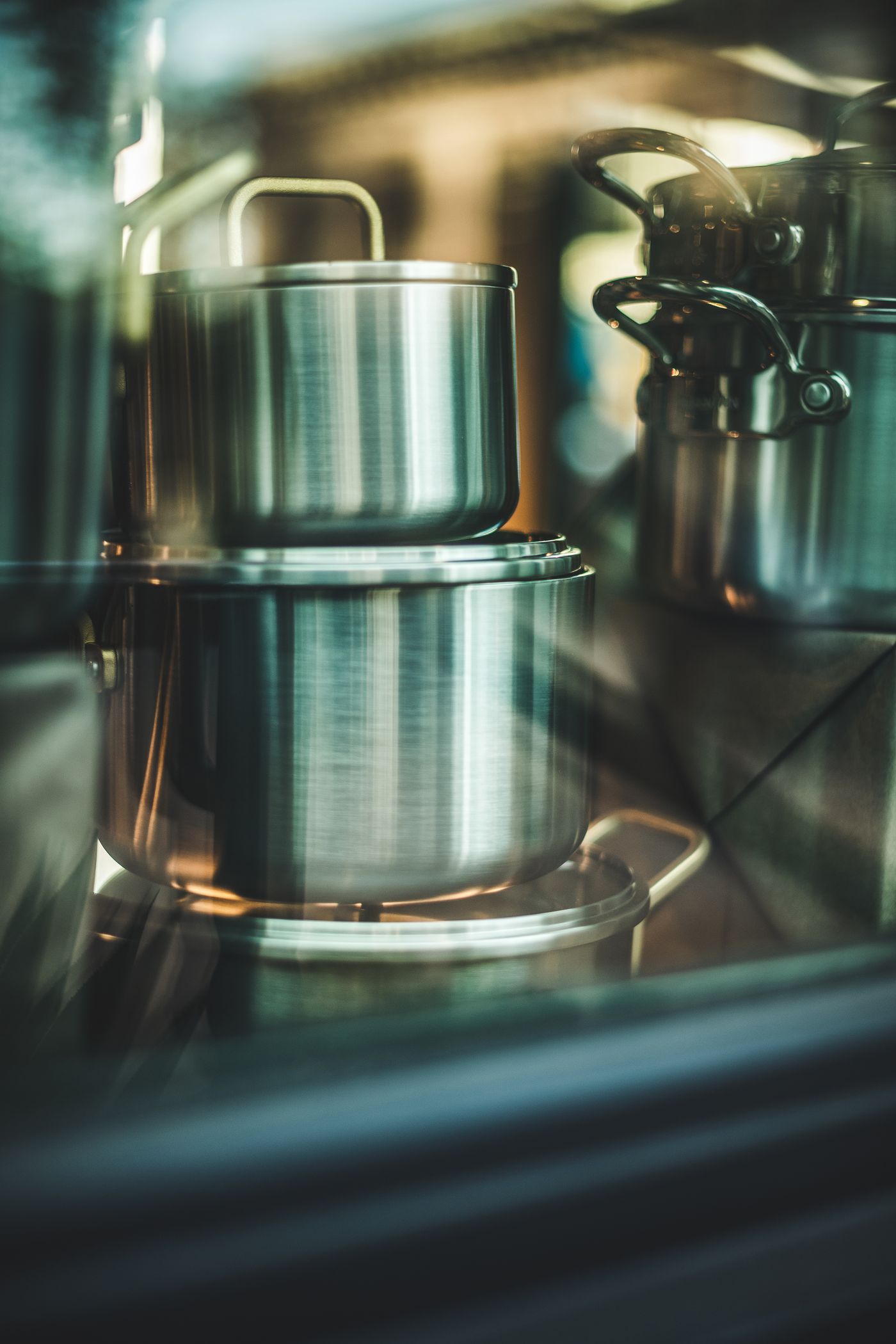
Stacked stainless steel cooking pots
Kitchen & Dining

OXO Good Gravy vs Spout Fat Separator: Is Bottom Release Worth It?

Disclosure: As an Amazon Associate, My Indoor Space earns from qualifying purchases.

Quick verdict

Choose the OXO Good Gravy if you frequently separate hot drippings and want to dispense liquid without tilting a full jug. Choose OXO’s simpler 4-Cup Fat Separator if you prefer a conventional pour and fewer moving parts. For an occasional small pan of drippings, try careful skimming with a spoon before buying either.

Research-based buying guide. We have not tested these products hands-on. Manufacturer specifications, published independent testing, and our buying judgments are distinguished below.

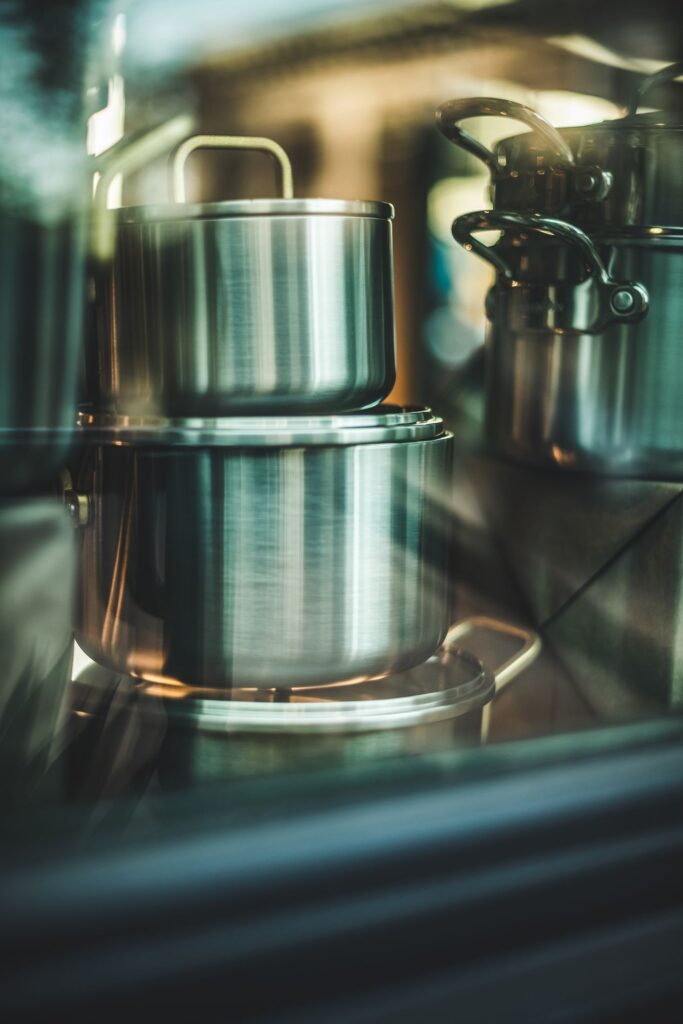
Stacked stainless steel cooking pots
Cooking context; neither fat separator is pictured. Stock photo: Pexels.

Which option fits your kitchen?

Choice Best reason to buy Main tradeoff
Good Gravy Regular sauces; upright dispensing Trigger and bottom outlet need careful handling and cleaning
4-cup spout model A familiar pour with a simpler release design Requires tilting the jug; keep track of the stopper
Existing spoon Occasional small quantities More manual skimming; no dedicated separator to store

The two models solve the same problem differently

These are both 4-cup separators, but “OXO fat separator” is not a precise enough shopping description. The Good Gravy model, SKU 11198900, has a squeeze-operated outlet underneath. The conventional 4-Cup Fat Separator, SKU 11273200, has a projecting spout and removable stopper. Check the release mechanism in the listing photographs rather than buying by the capacity alone.

OXO’s instructions for the spout model start with the stopper in place while filling. After the fat rises, remove the stopper and pour the liquid beneath it. With Good Gravy, the jug stays upright while squeezing the handle opens the bottom outlet. Stop before the upper fat layer reaches that outlet. Neither design replaces the waiting needed for the layers to separate.

When bottom release earns its place

The practical upgrade is the dispensing motion. Imagine adding recovered juices to a saucepan a little at a time while your other hand holds a whisk. A bottom outlet lets you control the flow without rotating the full jug. That can be a meaningful convenience if making gravy or separating braising liquid is a regular task.

Taylor Murray’s independent Serious Eats test selected Good Gravy as its overall favourite and also recommended OXO’s spout model. Its stated concern about accidentally squeezing the trigger is worth taking seriously: a convenient release is still a release. Our recommendation is based on that published test and the documented designs, not our own handling or spill measurements.

Why the simpler spout model can be better value

If you are already comfortable pouring from a jug, a bottom-release mechanism may add little to your routine. A spout design avoids a trigger-and-valve assembly. It still has a stopper and strainer to keep track of, so “simpler” does not mean one-piece or maintenance-free.

Compare the delivered price difference with how often you would use the release mechanism. Paying extra for a seasonal tool makes less sense when a careful pour already works for you. Conversely, someone preparing sauces regularly may value the dispensing action more than a small difference at checkout. Neither purchase is necessary simply because a recipe mentions pan drippings.

Cleaning and storage checks that matter

OXO lists both models as dishwasher safe. That is a care instruction, not a promise that greasy residue will disappear from every opening. Follow the supplied directions, inspect the outlet or spout after washing, and let components dry before putting them away. Do not assume a valve that looks clean from above is clean underneath.

Storage is worth checking before choosing capacity. OXO lists the spout model at 6 × 9.75 × 6.85 inches and Good Gravy at 5.5 × 7.8 × 6.4 inches. These are overall product dimensions, not usable liquid measurements. Allow room for the handle and spout in your cupboard; do not choose a four-cup jug if it only fits after moving everyday cookware.

Neither product page establishes a comparative long-term failure rate. Good Gravy’s valve adds a part to inspect, but it would be speculation to claim that every spout model lasts longer or that every bottom-release model eventually leaks.

Who should buy—and who should skip

Buy Good Gravy if separating drippings is a recurring job and upright, controlled dispensing is the specific improvement you want. Buy the spout model if you want a dedicated separator while keeping the operating mechanism straightforward. Skip both if you seldom make these sauces, already have a separator that pours cleanly, or can skim your usual small quantities comfortably.

Do not buy one expecting its top strainer to remove dissolved ingredients or replace every kitchen sieve. Its job is to help separate a visible fat layer from the liquid below; the top catches larger solids. If the recipe needs a particularly fine texture, assess that straining step separately.

Questions before ordering

Is Good Gravy a glass jug? OXO describes heat-resistant nylon and Tritan construction, with a silicone shut-off valve. Some marketplace titles use inconsistent material descriptions. Match the model and manufacturer information rather than assuming “clear” means glass.

Does a four-cup capacity mean I should fill it to the rim? No. Use the product’s marked capacity and supplied instructions, and leave the working clearance needed to transfer liquid safely. Overall jug size is not an invitation to overfill.

Is the upgrade worth buying for one holiday meal? Usually only if the dispensing motion solves a real difficulty for you. The simpler model—or careful skimming with a suitable existing tool—can be enough. For regular use, Good Gravy is our preferred functional upgrade.

Buying in Canada or the United States

The links below distinguish the Good Gravy bottom-release model from the conventional 4-cup spout model in each country. Compare model number, supplied strainer and stopper where applicable, seller, delivered cost, and return terms. Do not assume a U.S. offer and a Canadian offer include identical seller support.

Check OXO’s regional support arrangements and the seller’s eligibility before relying on its Better Guarantee, particularly for imported marketplace stock. We do not quote fixed Amazon prices or promise delivery availability to every address. The best-value choice is the design that solves your actual pouring problem at an acceptable total cost.

Related guides on My Indoor Space

Sources and review method

Product descriptions establish stated construction and care. Independent testing is attributed to its publisher. Our buying advice weighs those findings against frequency of use, cleaning, storage, and the value of keeping an existing tool. We have not measured durability or commissioned product testing.

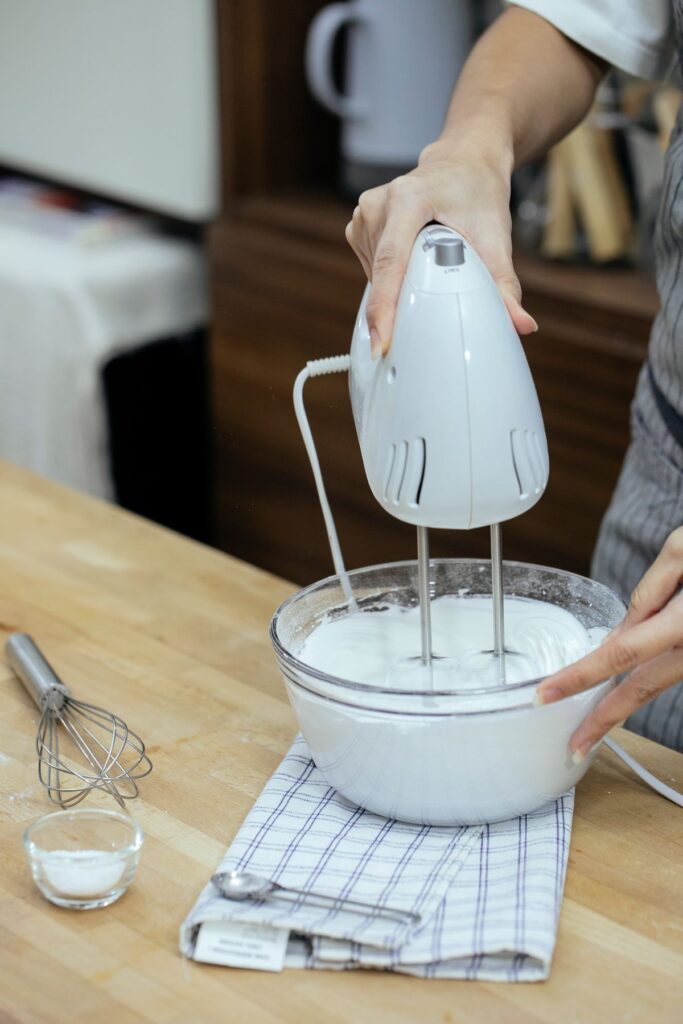
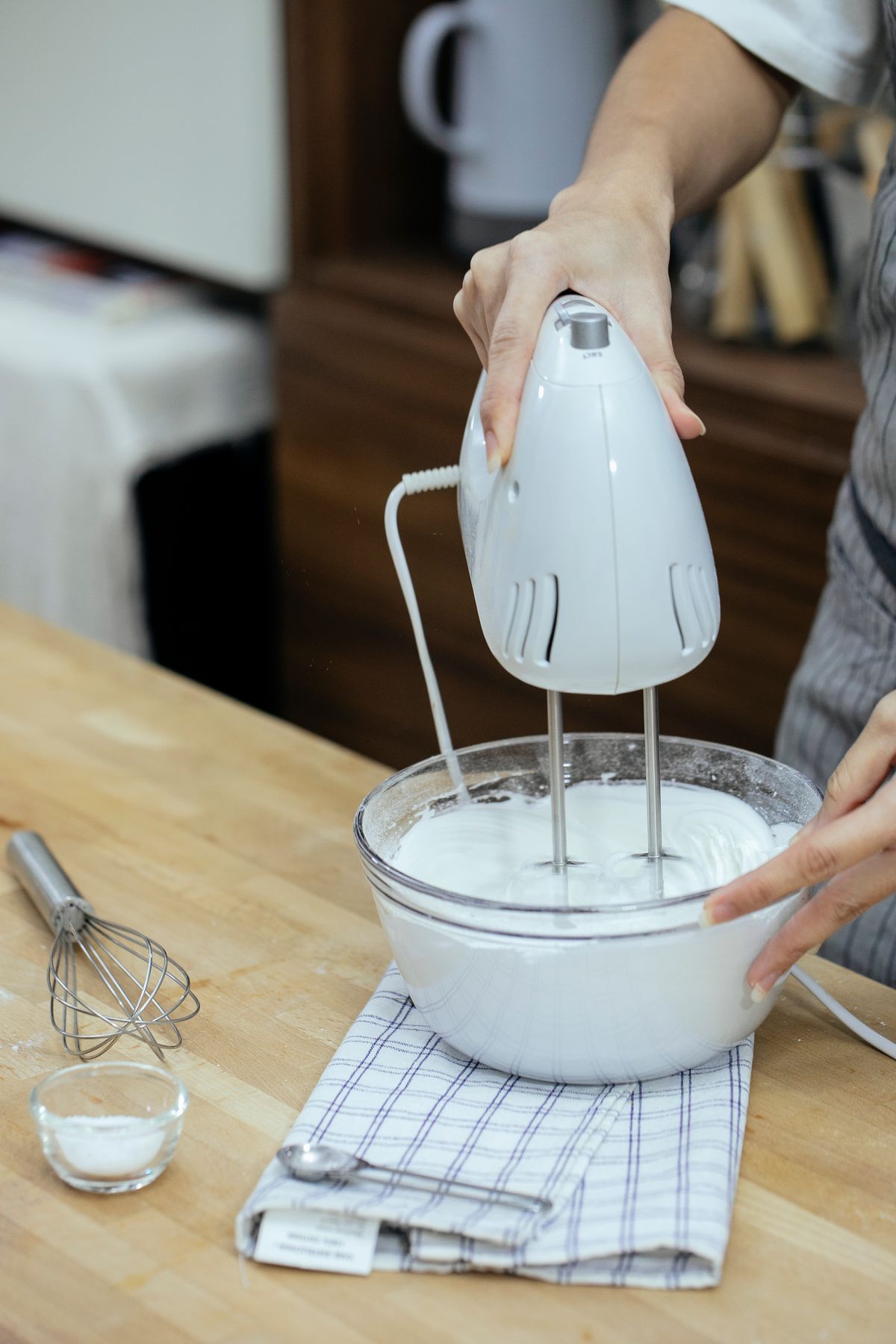
Person using a hand mixer in a mixing bowl
Kitchen & Dining

Jar Spatula vs Everyday Spatula: Which Silicone Tool Comes First?

Disclosure: As an Amazon Associate, My Indoor Space earns from qualifying purchases.

Quick verdict

Choose the jar spatula for repeated work in narrow containers. Choose the everyday spatula first for mixing bowls and general scraping. Keep one good spatula if it already reaches your jars and handles your normal mixing.

Research-based buying guide. Checked October 17, 2026. We have not tested these products hands-on. Manufacturer specifications, attributed external tests, and our buying judgments are distinguished below.

Person using a hand mixer in a mixing bowl
Stock photo for context; the named products are not pictured.

Which choice fits your routine?

Choice Best reason to choose it Main tradeoff
Jar spatula Narrow openings and tight corners Smaller working area for a large bowl
Everyday spatula General stirring, mixing, and bowl scraping Check whether the head enters your jars
Keep one tool It covers both jobs comfortably A second shape may add little

Different heads, overlapping jobs

OXO describes the Jar Spatula as a long-handled tool for jars and tight spaces, with flexible edges and a nylon core. The Everyday Spatula has a broader general-purpose role for stirring and scraping. OXO lists both as nonstick friendly and dishwasher safe; the Everyday model is stated at 12.5 inches long with a 2.1-inch-wide head.

The decision is about access versus coverage. A head that passes easily through a narrow opening can be less efficient across a large bowl. A broad spatula can cover more surface while being frustrating in the shoulder of a small jar. Neither shape wins every job.

Measure the opening, not the outside of the jar

Try your current spatula in the jars you use most. Notice whether the head cannot enter, cannot turn inside, or simply has a handle too short for comfortable reach. These are different fit problems, and a jar-shaped product name does not establish the answer for every container.

For bowls, consider how stiff you want the tool to feel when stirring your usual mixture. We have not compared force or scraping performance hands-on. Avoid assuming that a narrow tool is suitable for every heavy mixing task simply because the handle contains a firm core.

The extra tool has to stay useful after washing

Count how often the job occurs and how you will store the spatula. A narrow tool used daily for condiments has a clearer place than one bought for a nearly empty jar once a year. Inspect edges for damage and follow the supplied washing and temperature instructions.

If using a tool to scrape around appliance parts, disconnect the appliance and follow its cleaning instructions before working near blades. A manufacturer mentioning blenders does not mean scraping a running machine is an approved use. This is a fit-and-value comparison, not an appliance operating guide.

Which should you buy first?

For a first kitchen spatula, the everyday shape is our default when bowls, batters, and ordinary stirring dominate. Add the jar version when narrow-container access remains a repeated problem after trying the tool you own. A long spoon may already be adequate when reaching a condiment is the only task.

Buy both only for two jobs you can clearly name. Skip a large set that adds several near-identical heads. Our verdict favours a general tool first and a narrow specialist second, with a no-purchase option when your current head shape already works well.

Buying in the United States or Canada

At research time OXO’s U.S. store listed the Jar Spatula at US$11.99 and the Everyday Spatula at US$13.99. The US$2 gap is less important than buying the head shape you will use; these are not Canadian prices.

Use the button for your country and compare the exact model, size, included parts, seller, delivered price, and return terms before ordering. U.S. and Canadian offers can differ. Check regional warranty eligibility with the manufacturer or seller, especially for imported marketplace offers; a brand guarantee does not establish identical coverage from every seller.

Questions before buying

Is a jar spatula a turner for pancakes?

No. A flexible scraping spatula and a flat food turner are different tool formats.

Do colours guarantee identical models?

No. Match the named head shape and current model; colours and sets can have different listings or dimensions.

Related guides on My Indoor Space

Sources and research

Manufacturer pages establish stated specifications and care; retailer listings identify the linked offers. Buying recommendations and comparisons are our editorial assessment. We do not claim personal testing, measured performance, or long-term durability.

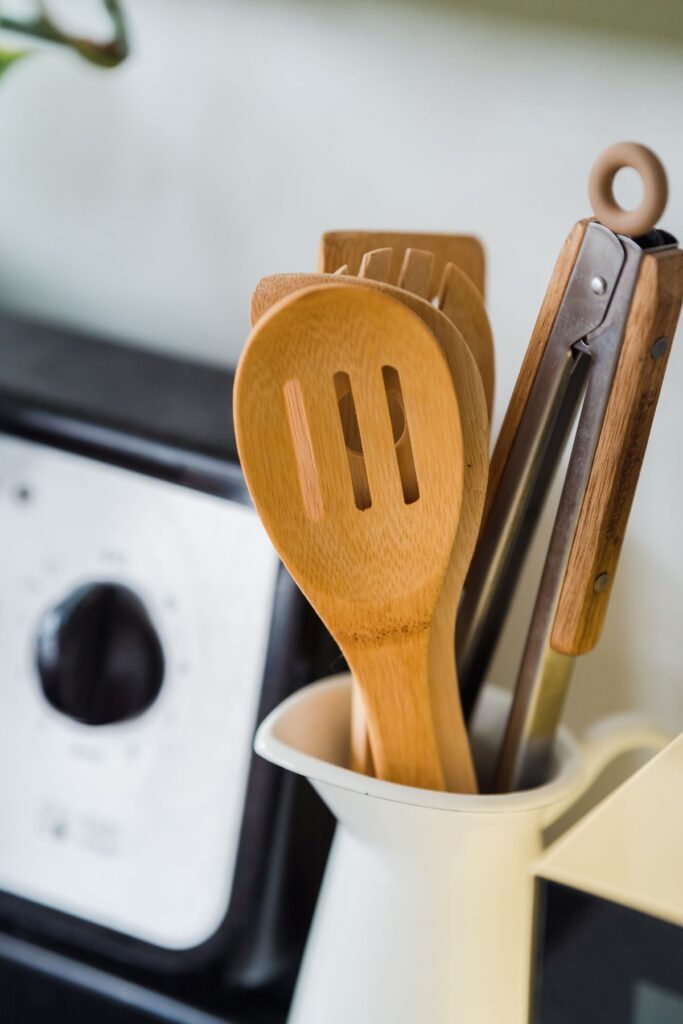
Wooden and metal utensils in a kitchen container
Kitchen & Dining

Is the OXO Spoon Rest with Lid Holder Worth Buying?

Disclosure: As an Amazon Associate, My Indoor Space earns from qualifying purchases.

Quick verdict

Buy it when you regularly need a place for both a cooking utensil and a compatible lid beside the stove. Keep a suitable plate or ordinary spoon rest when lid parking is not the problem. Skip it if its footprint would crowd your working area.

Research-based buying guide. Checked October 17, 2026. We have not tested these products hands-on. Manufacturer specifications, attributed external tests, and our buying judgments are distinguished below.

Wooden and metal utensils in a kitchen container
Stock photo for context; the named products are not pictured.

Which choice fits your routine?

Choice Best reason to choose it Main tradeoff
OXO rest and lid holder One planned parking spot for a utensil and lid Lid compatibility and footprint need checking
Ordinary spoon rest Only the utensil needs a place Does not provide a dedicated lid support
Suitable plate Occasional use without another accessory Can use more surface than a compact rest

What you get beyond a spoon rest

OXO describes a stainless base sized for oversized or multiple utensils, a wire lid holder that folds down, and heat-resistant silicone feet. It is listed as dishwasher safe. The stated dimensions are 8.65 by 5.7 by 0.9 inches; those numbers should not be read as the maximum size of every lid it can hold.

The useful change is organizing a pause in cooking. If you regularly lift a lid and then shuffle objects to find somewhere to put it, a dedicated location may help. If lids rarely leave your pots mid-cooking, the extra support may simply remain folded.

Check the lids before making space

Look at the lid shapes, handles, and weights you actually use, then compare the holder’s instructions and product images. A photo with one lid is not proof that your largest heavy lid will sit securely. We have not tested compatibility across lid sizes or materials.

If possible, confirm the fit before committing to a permanent spot. Consider the direction the lid faces, where drips fall, and whether reaching for the utensil would bump it. A holder should simplify a work area rather than put a balanced lid where passing hands repeatedly catch it.

The footprint is the main small-kitchen tradeoff

Mark out the base on the counter with paper. Leave space for a chopping board, pan handles, and normal movement beside the stove. Do this at the moment you usually cook, when the counter already has ingredients and equipment on it.

The feet’s stated heat resistance does not make the accessory a burner cover or authorize contact with direct flame. Use it on a suitable surface and follow its instructions. If a small plate already gives you a convenient spot for one spoon, that solution can be entirely adequate.

A useful upgrade for a specific annoyance

Buy it when the lid support is the feature you will actually use. Skip it if you only want a place for a teaspoon, or if your lids do not suit the holder. Cleaning the base and support is another small task to count alongside convenience.

Our verdict is a targeted yes for repeated lid-and-utensil parking, and a no-purchase recommendation when an ordinary rest or suitable plate works. Do not pay for a second lid-management system if your cupboard and counter are already serving different needs adequately.

Buying in the United States or Canada

OXO’s U.S. store listed this accessory at US$26.99 during research. Compare the delivered local price with an ordinary rest and with reusing a suitable plate; the lid feature must justify the extra cost.

Use the button for your country and compare the exact model, size, included parts, seller, delivered price, and return terms before ordering. U.S. and Canadian offers can differ. Check regional warranty eligibility with the manufacturer or seller, especially for imported marketplace offers; a brand guarantee does not establish identical coverage from every seller.

Questions before buying

Does the holder fit every lid?

We have not established universal fit. Check your actual lids against the maker’s guidance and the return terms.

Can it go on a hot burner?

Heat-resistant feet are not permission for direct burner use. Follow the product’s placement instructions.

Related guides on My Indoor Space

Sources and research

Manufacturer pages establish stated specifications and care; retailer listings identify the linked offers. Buying recommendations and comparisons are our editorial assessment. We do not claim personal testing, measured performance, or long-term durability.

Red cooking pot in a kitchen
Kitchen & Dining

Ladle vs Serving Spoon: When Is a Dedicated Soup Ladle Worth It?

Disclosure: As an Amazon Associate, My Indoor Space earns from qualifying purchases.

Quick verdict

Buy a ladle when soup or another liquid needs repeated controlled transfers into bowls. Keep a serving spoon for foods you want to lift in smaller, less liquid-heavy portions. Do not buy a new ladle if the one you own already reaches the pot and pours comfortably.

Research-based buying guide. Checked October 17, 2026. We have not tested these products hands-on. Manufacturer specifications, attributed external tests, and our buying judgments are distinguished below.

Red cooking pot in a kitchen
Stock photo for context; the named products are not pictured.

Which choice fits your routine?

Choice Best reason to choose it Main tradeoff
Ladle Repeated portions of liquid Deeper head takes more storage space
Serving spoon Smaller scoops and mixed serving tasks Shallower form can mean more trips for soup
Existing ladle It fits your pot and bowls A different finish alone adds little value

What the OXO ladle changes

The Good Grips stainless steel ladle has pouring spouts on both sides, an angled head, and a non-slip handle. OXO lists it as dishwasher safe. The design offers a specific reason to consider it: directing liquid from the scoop into the receiving bowl.

Serious Eats highlighted handle comfort and the dual spouts in its testing. That is useful external evidence about the design, but it does not establish how this handle will feel in every hand or prove that every transfer will be drip-free. We have not tested the ladle ourselves.

Think about pot depth and serving height

Your pot and bowls define whether the shape is convenient. Consider whether the handle reaches comfortably without leaving your hand too close to the pot, and whether the head fits through the pot opening. A large scoop may be awkward over a narrow mug or small sauce dish.

Also consider where the ladle rests between servings. A tool that tends to disappear into your particular pot is a poor fit regardless of its review score. Check the actual dimensions and use instructions in the offer rather than inferring capacity from photographs.

Stainless steel is a cookware choice too

A metal working end is not automatically suitable for every nonstick or coated pot. Follow the cookware maker’s utensil guidance; choose an approved gentler material if required. Do not treat a comfortable handle as permission to scrape a surface that calls for nonmetal utensils.

For occasional sauce, your existing suitable serving spoon may be sufficient. For a pot of soup served to several people, the repeated trips are where a deeper scoop becomes more useful. Buying for the largest meal you make once a year can leave an oversized tool in the drawer all the other days.

The value comes from a repeated serving task

Buy this OXO model if its spouts and handle address a real annoyance and the steel end suits your cookware. Skip it if you need a different material or if the main problem is portion measurement: a ladle is not a calibrated measuring cup unless its maker specifically establishes that function.

Our verdict is yes for frequent liquid serving, with the serving spoon or existing ladle the better-value choice when already adequate. Measure your storage space before ordering. A bulky head can be more awkward to put away than the handle length suggests.

Buying in the United States or Canada

OXO’s U.S. product page listed US$14.99 during research. Compare the current local delivered offer with a basic suitable ladle, especially if you only need occasional soup service.

Use the button for your country and compare the exact model, size, included parts, seller, delivered price, and return terms before ordering. U.S. and Canadian offers can differ. Check regional warranty eligibility with the manufacturer or seller, especially for imported marketplace offers; a brand guarantee does not establish identical coverage from every seller.

Questions before buying

Is this the same as the OXO SteeL line?

No. Match the Good Grips stainless steel ladle shown in the linked listing; OXO sells more than one handle design.

Can it replace a measuring cup?

Do not assume a precise volume unless the exact product specifies it. This guide does not claim calibrated portioning.

Related guides on My Indoor Space

Sources and research

Manufacturer pages establish stated specifications and care; retailer listings identify the linked offers. Buying recommendations and comparisons are our editorial assessment. We do not claim personal testing, measured performance, or long-term durability.

Dish rack holding glassware and dishes
Kitchen & Dining

Silicone vs Microfiber Dish Drying Mat: Which Cleanup Fits Your Kitchen?

Disclosure: As an Amazon Associate, My Indoor Space earns from qualifying purchases.

Quick verdict

Choose silicone if you prefer collecting and emptying water and washing the mat as a kitchen item. Choose microfiber if you prefer an absorbent surface and will launder and dry it regularly. Keep a clean suitable towel if it already handles your occasional handwashing.

Research-based buying guide. Checked October 17, 2026. We have not tested these products hands-on. Manufacturer specifications, attributed external tests, and our buying judgments are distinguished below.

Dish rack holding glassware and dishes
Stock photo for context; the named products are not pictured.

Which choice fits your routine?

Choice Best reason to choose it Main tradeoff
OXO silicone Raised drying surface; water is emptied Needs counter space and cleaning between ribs
Microfiber mat Absorbs drips; folds away Needs laundering and thorough drying
Existing towel or rack A setup that already handles the load Replace only for an observed problem

These materials manage water differently

OXO’s large silicone mat has raised ribs and measures 16.9 by 12.5 by 0.25 inches. The manufacturer lists dishwasher cleaning and heat resistance to 425°F. Silicone collects water rather than soaking it up; plan to empty and dry the mat and the surface underneath.

As a fabric example, S&T’s Original 16-by-18-inch mat uses polyester microfiber around a foam core. Its care directions call for cold machine washing, low tumble drying, and no fabric softener or dryer sheets. The relevant question is which care routine fits your household.

Use the available counter, not the largest advertised size

Measure the space beside the sink and leave room for the tap, soap, and food preparation. Try arranging your usual handwashed dishes within that rectangle before buying. A flat mat does not automatically provide the upright plate storage that a rack supplies.

If you wash several plates by hand each day, a rack may remain useful even with a mat beneath or beside it. If you mostly handwash a knife and a mug, a large permanent mat may occupy more valuable counter space than the job needs.

Storage and drying are part of the decision

Food & Wine’s testing selected the OXO as its silicone pick but noted that keeping it rolled required an elastic. That is a modest practical drawback worth considering if the mat must disappear after every use; it is not our own test result.

For fabric, decide where the wet mat will dry fully before it is folded away. For silicone, consider how you will clean around the ribs and dry the countertop. Neither format should be chosen on an unverified promise that it prevents mould or keeps every kitchen hygienic without maintenance.

Who benefits from paying more?

Choose OXO silicone when raised ribs and its cleaning method address a problem with your current setup. Choose microfiber when absorption, soft packing, and a laundry routine are the better fit. Skip a material upgrade when the actual issue is overcrowding dishes or leaving a wet surface covered.

Our verdict is based on maintenance preference and usable footprint, not a claim that one material dries every load faster. For occasional overflow from a dishwasher, start with the smallest effective setup. Add a second mat only when the normal load demonstrates a need.

Buying in the United States or Canada

Compare the actual mat dimensions and pack quantity along with price. A two-pack of fabric mats and one silicone mat are different offers; the lower per-piece number does not settle which routine is better value.

Use the button for your country and compare the exact model, size, included parts, seller, delivered price, and return terms before ordering. U.S. and Canadian offers can differ. Check regional warranty eligibility with the manufacturer or seller, especially for imported marketplace offers; a brand guarantee does not establish identical coverage from every seller.

Questions before buying

Does silicone absorb water like microfiber?

No. It collects water for you to empty; microfiber holds moisture within the fabric.

Can every drying mat double as a trivet?

No. Only use a product that is specifically rated for the intended heat and follow its instructions. Do not transfer the OXO rating to fabric mats.

Related guides on My Indoor Space

Sources and research

Manufacturer pages establish stated specifications and care; retailer listings identify the linked offers. Buying recommendations and comparisons are our editorial assessment. We do not claim personal testing, measured performance, or long-term durability.

Vegetables in a stainless steel colander
Kitchen & Dining

Spider Skimmer vs Slotted Spoon: Which Draining Tool Comes First?

Disclosure: As an Amazon Associate, My Indoor Space earns from qualifying purchases.

Quick verdict

Choose a spider-style skimmer for repeatedly lifting larger pieces while leaving most liquid behind. Keep a slotted spoon for smaller portions and ordinary serving. A colander may remain the better tool when you want to drain an entire pot.

Research-based buying guide. Checked October 17, 2026. We have not tested these products hands-on. Manufacturer specifications, attributed external tests, and our buying judgments are distinguished below.

Vegetables in a stainless steel colander
Stock photo for context; the named products are not pictured.

Which choice fits your routine?

Choice Best reason to choose it Main tradeoff
Spider skimmer Lifting a batch of larger food pieces Open basket is a poor fit for tiny particles
Slotted spoon Smaller scoops and everyday serving Less basket depth for bulky pieces
Colander Draining the whole batch Different workflow from lifting selected pieces

What the OXO example is designed to do

OXO’s Scoop & Strain Skimmer uses a deep, open wire-coil basket and a long, angled stainless steel handle with a soft grip. The manufacturer lists it as dishwasher safe. The basket is the important change from a relatively shallow spoon with slots.

That shape gives a clear buying reason when you regularly want to lift food from liquid without tipping out the whole pot. It is not a fine-mesh strainer: small fragments and fine ingredients need a working surface suited to their size.

Match the tool to the pieces and the pot

Think of your usual dumplings, vegetables, or other larger pieces and compare them with the basket opening. Then compare the basket width and depth with the pot you use. A broad tool can be awkward in a narrow saucepan even when it would suit a wide pot.

A long handle can help with reach, but storage length still counts. Measure the drawer and leave room to lift the basket out. If your present slotted spoon handles the same meals easily, a deeper basket may solve no problem at all.

The useful alternative may already be in the cupboard

For draining a whole batch, a suitable colander can be more direct. For serving a few vegetables alongside other food, a slotted spoon may be less cumbersome. The skimmer’s value is selective lifting and transferring, not replacing every tool that separates food from liquid.

Before buying, notice which part of your current routine is difficult. Repeated small scoops suggest a different problem from needing to remove tiny particles. Buying the largest basket available will not fix a mismatch between the openings and the food.

Drawbacks and the final buying decision

Wire intersections and the basket shape need proper cleaning and drying, even with dishwasher compatibility. Consider the whole cleanup step, especially if the tool would be used for only one occasional meal. We have not timed drainage or tested long-term basket durability.

Buy the OXO example when its deeper basket and handle solve a repeated transfer task and fit your pot. Skip it when a slotted spoon or colander already gives the result you want. A small kitchen benefits more from a clear role for each tool than a complete matching utensil collection.

Buying in the United States or Canada

Compare the delivered price with a basic slotted spoon only after deciding whether you need the basket. A specialist tool is poor value if the smaller tool you own already handles the task.

Use the button for your country and compare the exact model, size, included parts, seller, delivered price, and return terms before ordering. U.S. and Canadian offers can differ. Check regional warranty eligibility with the manufacturer or seller, especially for imported marketplace offers; a brand guarantee does not establish identical coverage from every seller.

Questions before buying

Can it replace a fine-mesh strainer?

No. An open wire basket and fine mesh retain different sizes of food.

Is it automatically better than a colander?

No. Choose selective lifting or whole-batch draining according to your meal and setup.

Related guides on My Indoor Space

Sources and research

Manufacturer pages establish stated specifications and care; retailer listings identify the linked offers. Buying recommendations and comparisons are our editorial assessment. We do not claim personal testing, measured performance, or long-term durability.

Cook using a frying pan on a stove
Kitchen & Dining

Nylon-Head vs Stainless Steel Tongs: Which OXO Pair Fits Your Pan?

Disclosure: As an Amazon Associate, My Indoor Space earns from qualifying purchases.

Quick verdict

Choose nylon heads when your cookware calls for gentle, nonmetal utensils. Choose steel heads for compatible uncoated cookware when a rigid metal working end suits the job. Keep your current pair if it already grips well and is approved for your pans.

Research-based buying guide. Checked October 17, 2026. We have not tested these products hands-on. Manufacturer specifications, attributed external tests, and our buying judgments are distinguished below.

Cook using a frying pan on a stove
Stock photo for context; the named products are not pictured.

Which choice fits your routine?

Choice Best reason to choose it Main tradeoff
Nylon heads Nonstick-compatible everyday handling OXO states a 400°F head limit
Stainless steel heads Rigid ends for compatible cookware Metal may be unsuitable for coated surfaces
One existing pair It fits both your food and pan instructions Do not replace it for matching handles alone

The head material matters more than the handle

OXO’s 9-inch nylon-head tongs combine steel construction with nonstick-friendly nylon ends rated to 400°F. The stainless-head pair uses brushed steel ends with soft grip areas and thumb rests. Both designs lock closed for storage and are listed as dishwasher safe.

Choose from the cookware instructions first. A metal tip can be the wrong choice even when a listing calls it durable. Equally, a soft head with a stated temperature ceiling should not be treated as permission to leave the tool against a burner or in an open flame.

Look at the food you pick up most often

A pair that feels comfortable lifting a serving of pasta may feel different when you try to turn a bulky piece of food. Consider head shape, reach, opening width, and the pressure needed to close the arms. We have not measured gripping force or compared performance on slippery foods.

For a small kitchen, a 9-inch pair is a focused everyday size rather than a claim that it replaces long grill tongs. If reach is your problem, changing the head material alone will not solve it. Choose a length appropriate to the cooking setup rather than assuming this short pair covers every task.

Check the hinge and closed storage

The locking design helps keep the arms together in a drawer, but you still need space for the head and handle. Check how you would operate the lock with your usual grip and whether the closed tool fits the utensil divider. A crowded drawer can make even a compact tool annoying to retrieve.

Clean the working ends and hinge according to the product instructions and inspect the tips for wear. A damaged nylon head or loose mechanism is a reason to assess replacement; an older handle colour is not. Dishwasher compatibility does not remove the need to check for trapped food.

When buying two pairs makes sense

One nylon pair can be enough when the pans you use require it and it handles your normal food. A separate steel pair is reasonable when you also use compatible uncoated cookware and prefer the firmer head for a recurring task. Keep the cookware rules clear so the wrong pair does not reach a coated pan.

Our verdict is to buy for the pan you use most, then add another pair only after identifying a real gap. Skip a multipack if the extra sizes and head types merely take up space. Buying two versions of the same compromise is not an upgrade.

Buying in the United States or Canada

Compare a single 9-inch pair in each material, rather than a one-pair listing against a multi-size bundle. Paying more is justified only by cookware compatibility, comfortable operation, or a job your current tongs cannot do.

Use the button for your country and compare the exact model, size, included parts, seller, delivered price, and return terms before ordering. U.S. and Canadian offers can differ. Check regional warranty eligibility with the manufacturer or seller, especially for imported marketplace offers; a brand guarantee does not establish identical coverage from every seller.

Questions before buying

Are nylon and silicone tongs the same thing?

No. This comparison covers OXO nylon heads and steel heads. A silicone model has its own material and temperature specifications.

Does the 400°F rating cover direct flame?

Do not treat the stated head rating as permission for burner or flame contact. Follow the supplied use instructions.

Related guides on My Indoor Space

Sources and research

Manufacturer pages establish stated specifications and care; retailer listings identify the linked offers. Buying recommendations and comparisons are our editorial assessment. We do not claim personal testing, measured performance, or long-term durability.

Kitchen knives and peelers on a wooden board
Kitchen & Dining

OXO Hand-Held vs V-Blade Mandoline: Is the Larger Slicer Worth It?

Disclosure: As an Amazon Associate, My Indoor Space earns from qualifying purchases.

Quick verdict

Choose the Hand-Held model for recurring plain slices and compact storage. Choose the V-Blade only if its extra cutting formats will be used regularly. Keep your knife if slicing is occasional or you do not want to handle and clean an exposed-blade tool.

Research-based buying guide. Checked October 17, 2026. We have not tested these products hands-on. Manufacturer specifications, attributed external tests, and our buying judgments are distinguished below.

Kitchen knives and peelers on a wooden board
Stock photo for context; the named products are not pictured.

Which choice fits your routine?

Choice Best reason to choose it Main tradeoff
Hand-Held Plain slices at 1, 2.5, or 4 mm Does not supply the V-Blade’s four-blade setup
V-Blade Slice and julienne options Larger footprint and more components
Knife Flexible cuts without another tool Even thickness depends on your technique

Start with the cuts, not the blade count

OXO specifies three slice settings on the Hand-Held: 1, 2.5, and 4 millimetres. Its clear lower surface helps show the accumulating slices. The V-Blade has four blades and height adjustment for slicing or julienne work. Both include a food holder, but their capabilities and storage demands differ.

If your regular job is cucumber rounds, the larger machine’s extra formats may add little. If you repeatedly want julienned vegetables, that difference is substantive. Name the actual recipe and desired cut before paying for options; “more versatile” only helps when the extra function reaches the counter.

Storage is a measurable difference

The Hand-Held is listed at 11.5 by 3.75 by 0.5 inches. OXO lists the V-Blade folded at 15.5 by 6 by 2.25 inches; its feet fold and it locks for storage. The folded size still needs a much larger drawer space.

Make a paper rectangle for each footprint and try it in the intended drawer. Leave room to retrieve the tool without reaching across an exposed cutting surface. A slicer stored behind several heavy pans may be used much less often than its feature list suggests.

The blade changes your cleanup routine

Read the exact model’s instructions before use, use its supplied food holder, and follow its guidance for stopping before pieces become too small. Keep hands away from the cutting path. A holder does not make any mandoline injury-proof, and this guide does not establish one model as safer.

Check the care instructions for each component before washing. The Hand-Held is listed as dishwasher safe; that does not establish identical care for every V-Blade part. Count assembly, washing, drying, and storage in your idea of convenience, not only the cutting pass.

Where the larger model earns its premium

The V-Blade earns a place when the additional cuts serve a routine you already have. The Hand-Held is the more focused purchase when plain slicing is enough. Neither needs to be bought in anticipation of a cooking habit you have not yet started.

Our verdict favours the compact model for a narrow, repeated task. Choose the larger one for demonstrated use of the blade options and enough storage. Skip both when your knife gives acceptable results without a cleanup or handling tradeoff you want to accept.

Buying in the United States or Canada

At research time, OXO’s U.S. pages listed US$21.99 for the Hand-Held and US$52.99 for the V-Blade. That US$31 difference is a useful reference for deciding whether extra cuts matter; local offers can differ.

Use the button for your country and compare the exact model, size, included parts, seller, delivered price, and return terms before ordering. U.S. and Canadian offers can differ. Check regional warranty eligibility with the manufacturer or seller, especially for imported marketplace offers; a brand guarantee does not establish identical coverage from every seller.

Questions before buying

Does the Hand-Held julienne like the V-Blade?

The manufacturer describes the Hand-Held as a three-thickness slicer. Do not buy it expecting the four-blade V-Blade setup.

Have we tested cutting speed or safety?

No. This is a research-based buying comparison, not a measured speed trial or a safety ranking.

Related guides on My Indoor Space

Sources and research

Manufacturer pages establish stated specifications and care; retailer listings identify the linked offers. Buying recommendations and comparisons are our editorial assessment. We do not claim personal testing, measured performance, or long-term durability.

Scroll to Top