Kitchen & Dining

Practical ideas and products for cooking, dining and everyday kitchen life.

Fresh vegetables and kitchen tools arranged on a countertop
Kitchen & Dining

OXO Salad Dressing Shaker vs a Jar: Is the Pouring Lid Worth It?

Disclosure: As an Amazon Associate, My Indoor Space earns from qualifying purchases.

Quick verdict

Buy the OXO shaker if frequent mixing and serving make a purpose-built pouring lid useful. Keep a suitable food-storage jar when it already mixes your dressing neatly and you do not mind spooning or pouring from a wide opening.

Research-based buying guide. Checked October 17, 2026. We have not tested these products hands-on. Manufacturer specifications, attributed external tests, and our buying judgments are distinguished below.
Fresh vegetables and kitchen tools arranged on a countertop
Stock photo for context; the named products are not pictured.

Which choice fits your routine?

Choice Best reason to choose it Main tradeoff
OXO large shaker Repeated mixing and controlled serving More lid parts and a tall container
Suitable jar Using a container you already own Wide-mouth pouring may be less convenient
Bowl and whisk Mixing only what you need now Not a closed storage container

What is different from an ordinary jar?

OXO lists a 1.5-cup capacity, a Tritan body, and a lever that opens the pouring spout when tipped back and closes it when moved forward. The stated dimensions are 2.5 by 2.5 by 8.75 inches. The manufacturer lists the shaker as BPA free and dishwasher safe.

That design puts the value in serving convenience. A jar can already hold ingredients and, with a suitable secure lid, mix them by shaking. The decision is whether a dedicated spout makes your normal meal routine easier enough to justify another container.

Measure the refrigerator shelf first

The tall form may be more awkward than a squat jar on a low shelf. Measure clear height, including space to lift the container out. Also consider the batch you normally make: owning a large shaker does not require making a large amount of dressing.

If you only dress salad immediately before dinner, a small bowl may be the simpler choice. If dressing routinely moves from refrigerator to table and back, the shaker has a clearer role. Think about the complete serving routine, not just the seconds spent mixing.

A spout adds convenience and cleaning work

Look at the lid and spout before ordering and decide whether you are willing to clean those areas thoroughly. Thick ingredients or larger pieces can behave differently from a thin vinaigrette. We have not tested pouring with different recipes, and a product description cannot settle that fit for every mixture.

The container is not a preservation method. Refrigerate and use your recipe according to appropriate ingredient guidance. Nor does a closed lid establish leakproof travel in every orientation; check the current instructions before packing it loose in a bag.

Who should buy it and who should skip it?

Buy it when your existing jar’s wide-mouth pouring is the repeated annoyance and the taller container fits. Skip it if you make a spoonful at a time, rarely store dressing, or dislike cleaning specialized lids. Keep a perfectly useful jar instead of upgrading simply to match the rest of your kitchen.

Our verdict is a practical yes for frequent serving, with an ordinary jar the better-value default for occasional use. If buying the shaker, start with one. Multiple flavour-specific shakers quickly turn a small convenience into extra refrigerator and cupboard space.

Buying in the United States or Canada

OXO’s U.S. store listed the large shaker at US$19.99 during research. Compare that with your local offer and the zero purchase cost of reusing a suitable jar.

Use the button for your country and compare the exact model, size, included parts, seller, delivered price, and return terms before ordering. U.S. and Canadian offers can differ. Check regional warranty eligibility with the manufacturer or seller, especially for imported marketplace offers; a brand guarantee does not establish identical coverage from every seller.

Questions before buying

Is this the small OXO shaker?

No. The linked example is the large 1.5-cup model; check size and model before buying.

Will the shaker keep dressing safe for longer?

This guide makes no shelf-life claim. Follow the storage guidance for your recipe and ingredients.

Related guides on My Indoor Space

Sources and research

Manufacturer pages establish stated specifications and care; retailer listings identify the linked offers. Buying recommendations and comparisons are our editorial assessment. We do not claim personal testing, measured performance, or long-term durability.
Cut red apples and a knife on a wooden board beside a kitchen window
Kitchen & Dining

OXO Apple Divider vs Corer: Which Prep Tool Fits Your Apples?

Disclosure: As an Amazon Associate, My Indoor Space earns from qualifying purchases.

Quick verdict

Choose the divider for repeated snack wedges. Choose the corer when you want to remove the centre while keeping the apple largely whole. Keep using a knife if you need flexible slice sizes and only prepare an apple occasionally.

Research-based buying guide. Checked October 17, 2026. We have not tested these products hands-on. Manufacturer specifications, attributed external tests, and our buying judgments are distinguished below.

Cut red apples and a knife on a wooden board beside a kitchen window
Apple-preparation context; the OXO tools are not pictured. Stock photo: Pexels, photo 6368802.

Which choice fits your routine?

Choice Best reason to choose it Main tradeoff
Apple Divider Wedging and coring in one downward action Fixed cutting pattern and a wide head
Apple Corer Removing the centre without dividing the fruit Separate slicing still needed for wedges
Kitchen knife Variable shapes and occasional prep Requires controlled manual cutting

Two tools with different jobs

OXO’s divider uses stainless steel blades and wide, raised handles; its stated footprint is 7 by 4 by 2 inches. The corer uses a stainless steel working end with a soft grip and measures 8 by 1 by 1 inches. Both are listed as dishwasher safe by OXO.

The important difference is the result you want. A divider creates sections as it removes the core. A corer leaves the surrounding fruit together, which is useful when the recipe starts with a whole cored apple. Buying the wrong format adds a second step rather than removing one.

Snack prep versus recipe prep

If the same household asks for wedges most days, a divider has a clear role. If you want thin tart slices, small dice, or uneven pieces cut around bruises, its fixed pattern can be restrictive. A knife lets you decide where each cut goes without committing the entire apple to one pattern.

The corer makes more sense for a recurring whole-apple task than for a vague hope of faster cooking. Think through the next three recipes you expect to make. If none needs a cored whole apple, it may not deserve a permanent drawer slot.

Fit, force, and cleanup deserve a check

Compare the actual apples you buy with the tool’s working opening, not just the outside dimensions. A product photo does not establish that every fruit size will fit. Read the supplied instructions for positioning the fruit and using a stable cutting surface; do not assume a push tool removes the need for controlled handling.

Look closely at how you would clean around the divider blades or the corer’s cutting edge. Dishwasher compatibility is convenient, but lodged food may still need attention using the maker’s recommended method. Avoid using fingers against cutting edges to clear pieces.

Which one is worth the money?

Our buying judgment favours the divider for repetitive wedges and the corer for recipes that specifically need its result. Skip both if knife prep is already quick, comfortable, and infrequent. A specialist tool earns its price by removing a repeated step, not merely by being inexpensive.

Buying both is reasonable only if both jobs happen often. Otherwise start with the tool that solves today’s task. In a small kitchen, the wider divider head also needs a real storage plan so its blades are not left loose among frequently handled utensils.

Buying in the United States or Canada

Compare the delivered price of one tool with the cost of buying both. A low unit price is not good value when the extra tool duplicates a job your knife already handles.

Use the button for your country and compare the exact model, size, included parts, seller, delivered price, and return terms before ordering. U.S. and Canadian offers can differ. Check regional warranty eligibility with the manufacturer or seller, especially for imported marketplace offers; a brand guarantee does not establish identical coverage from every seller.

Questions before buying

Does the divider leave a whole apple?

No. Choose the corer if keeping the surrounding apple together is the point of the task.

Does a corer replace a knife?

No. It addresses the centre; separate cutting is still needed for slices, wedges, or dice.

Related guides on My Indoor Space

Sources and research

Manufacturer pages establish stated specifications and care; retailer listings identify the linked offers. Buying recommendations and comparisons are our editorial assessment. We do not claim personal testing, measured performance, or long-term durability.
Wooden rolling pin resting on dough
Kitchen & Dining

Silicone vs Natural-Bristle Pastry Brush: Which Should You Buy?

Disclosure: As an Amazon Associate, My Indoor Space earns from qualifying purchases.

Quick verdict

Choose silicone for an easy-clean everyday brush; choose a fine natural-bristle brush when delicate pastry and thin washes are your main work. Keep a sound brush that already spreads your usual glaze evenly.

Research-based buying guide. Checked October 17, 2026. We have not tested these products hands-on. Manufacturer specifications, attributed external tests, and our buying judgments are distinguished below.

Wooden rolling pin resting on dough
Stock photo for context; the named products are not pictured.

Which choice fits your routine?

Choice Best reason to choose it Main tradeoff
Silicone Routine butter, oil, and glaze May need more dips for thin liquids
Natural bristle Fine application on delicate pastry Care and inspection need more attention
Keep your brush It is intact and coats evenly Replacing it may add no useful benefit

What the OXO design actually adds

OXO’s small silicone brush combines tapered outer bristles with centre bristles containing holes to retain liquid. Its angled head keeps the bristles raised when set down, and the manufacturer lists it as dishwasher safe. These are useful convenience features, rather than evidence that every pastry will receive a better finish.

The Spruce Eats tested both formats and found this silicone model carried less liquid than natural bristles, while carrying more than many other silicone brushes. That gives a practical reason to keep a fine brush for thin washes. This is their test result; we have not measured liquid pickup ourselves.

Choose for the food you actually brush

For buttering a pan or coating sturdy vegetables, fine detail may matter less than quick washing. On a fragile dough surface, consider how lightly you want to work and whether a wide head makes it difficult to reach a small corner. A large barbecue basting brush and a small pastry brush are different purchases.

Before replacing your current tool, brush one normal batch and notice what bothers you: repeated dipping, streaks, shed bristles, awkward grip, or cleanup. Buy for that observed problem. A brush that is merely a different colour will not solve an application problem.

The tradeoff is cleaning versus fine control

Silicone does not remove the need to wash between jobs. Clean around the bristle roots, let the tool dry, and inspect it before storage. Follow the exact brush’s temperature and care instructions; a rating on a larger brush is not automatically the rating on this smaller one.

For a natural-bristle alternative, check the specific maker’s washing and drying instructions rather than assuming it can share the dishwasher load. Skip a new natural brush if that care routine would make you avoid using it. Skip silicone if your main frustration is already having to reload thin liquid repeatedly.

When the upgrade earns its space

Buy the OXO silicone example when its cleanup and head design address a recurring annoyance. Choose natural bristles when you prioritize careful finishing and will maintain the brush. Neither purchase needs to become a full brush set: one tool that suits your usual baking is a better starting point.

If you bake only occasionally and your current brush is clean, intact, and effective, keep it. For frequent pastry work, two deliberately different brushes can make sense; buying several similar silicone brushes simply duplicates the same compromise.

Buying in the United States or Canada

Price check: OXO’s U.S. store listed the small silicone brush at US$11.99 when researched. Use that as a comparison point, not a promised Amazon price or a Canadian quote.

Use the button for your country and compare the exact model, size, included parts, seller, delivered price, and return terms before ordering. U.S. and Canadian offers can differ. Check regional warranty eligibility with the manufacturer or seller, especially for imported marketplace offers; a brand guarantee does not establish identical coverage from every seller.

Questions before buying

Is silicone automatically better for egg wash?

No. Consider the delicacy of the surface and how much liquid the brush carries, not just its material.

Is the small brush the same as OXO’s large basting brush?

No. Match the small pastry-brush listing, dimensions, and care instructions before ordering.

Related guides on My Indoor Space

Sources and research

Manufacturer pages establish stated specifications and care; retailer listings identify the linked offers. Buying recommendations and comparisons are our editorial assessment. We do not claim personal testing, measured performance, or long-term durability.
Hands opening a glass jar
Kitchen & Dining

Is the OXO Jar Opener with Base Pad Worth Buying?

Disclosure: As an Amazon Associate, My Indoor Space earns from qualifying purchases.

Quick verdict

Worth considering when slippery lids and jar movement are the repeated problem, and the manual turning action suits you. Skip it if you need a powered opener or if a simple gripping pad already handles your jars.

Research-based buying guide. Checked October 17, 2026. We have not tested this product hands-on. Manufacturer details and our buying judgments are distinguished below.

Hands opening a glass jar
Jar opening context; the OXO opener is not pictured. Stock photo: Pexels.

Which choice fits your routine?

Choice Best reason to choose it
OXO opener and pad You want lid grip plus support under the jar
Simple gripping pad Extra friction is all your current method needs
Another opener format The required turning movement does not suit you

What the base pad contributes

OXO describes a handheld jar opener used together with a non-slip pad beneath the jar. The opener grips the lid while the pad helps keep the container in place on the worktop. The product remains manually operated: the user supplies the turning movement.

That combination addresses two contact points rather than only the lid. It can be a useful design to consider when your current problem is the whole jar moving. It does not make the opener an automatic machine or eliminate every physical demand of opening a jar.

Check your lids and your grip

Look at the jars that are actually difficult for you. Lid diameter, depth, shape, and surface can differ. Compare the opener's working design with those lids and read the exact model information before buying.

If possible, assess whether its handle shape and turning movement feel comfortable. We have not measured the force required or tested it for individual hand conditions. Retailer wording aimed at seniors or people with arthritis is not proof that a tool will suit every person's strength or range of motion.

A simple pad may already be enough

If your usual lid is just slippery, a basic suitable gripping aid may provide the extra friction you want. If both holding the jar and gripping the lid are troublesome, the two-part OXO setup has a more specific purpose.

Buying a bigger accessory is not always the next step. First identify whether the obstacle is friction, leverage, the lid's fit, or the turning action itself. An opener chosen for the wrong obstacle can add clutter while leaving the difficult part unchanged.

Keep the working setup stable

Use the opener according to its instructions on a suitable stable surface. Check that the jar and lid are intact, and avoid treating improvised methods or extra force as approved use. This guide does not recommend tools for damaged glass or containers that appear compromised.

Think about storing the base pad with the opener so the complete setup is easy to retrieve. A useful accessory loses convenience when its supporting piece lives in a different drawer. Check the supplied care directions before washing or putting the parts in a dishwasher.

Who should buy and our final verdict

Buy it when the lid-gripping design suits your jars and the base pad addresses movement on the counter. Skip it if you specifically need powered operation or if trying the manual action shows it does not suit you. Return terms matter when fit and comfort are uncertain.

Our judgment is a targeted yes for a clear grip-and-stability problem. Keep a simple pad if that already works. Choose another opener format when your real need is a different movement, rather than expecting this manual tool to become automatic.

Buying in the United States or Canada

Use the button for your country and compare the exact model, supplied parts, seller, delivered price, and return terms before ordering. U.S. and Canadian listings can differ in availability, packaging, and price; a U.S. dollar amount is not a Canadian quote. We do not publish a fixed price here because offers change.

Check regional warranty eligibility with the manufacturer or seller, especially for an imported offer. A brand guarantee does not establish that every marketplace seller supplies the same regional coverage.

Questions before buying

Is this an electric jar opener?

No. This guide covers the handheld model used with a separate base pad.

Is it the same as OXO's twisting jar opener?

OXO sells more than one design. Match the model, photos, and included base pad instead of relying on the brand alone.

Related guides on My Indoor Space

Sources and research

The manufacturer source establishes stated features and care. Linked retailer pages identify the selected offer. Comparisons, buy/skip guidance, and value judgments are our editorial assessment; we do not claim measured durability or performance without testing.

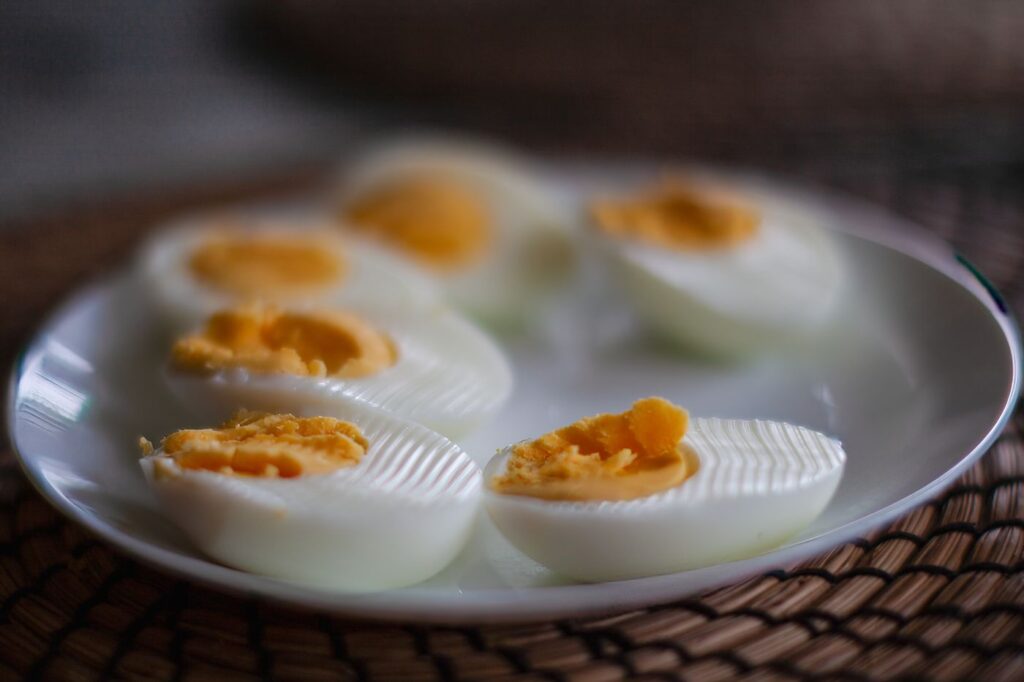
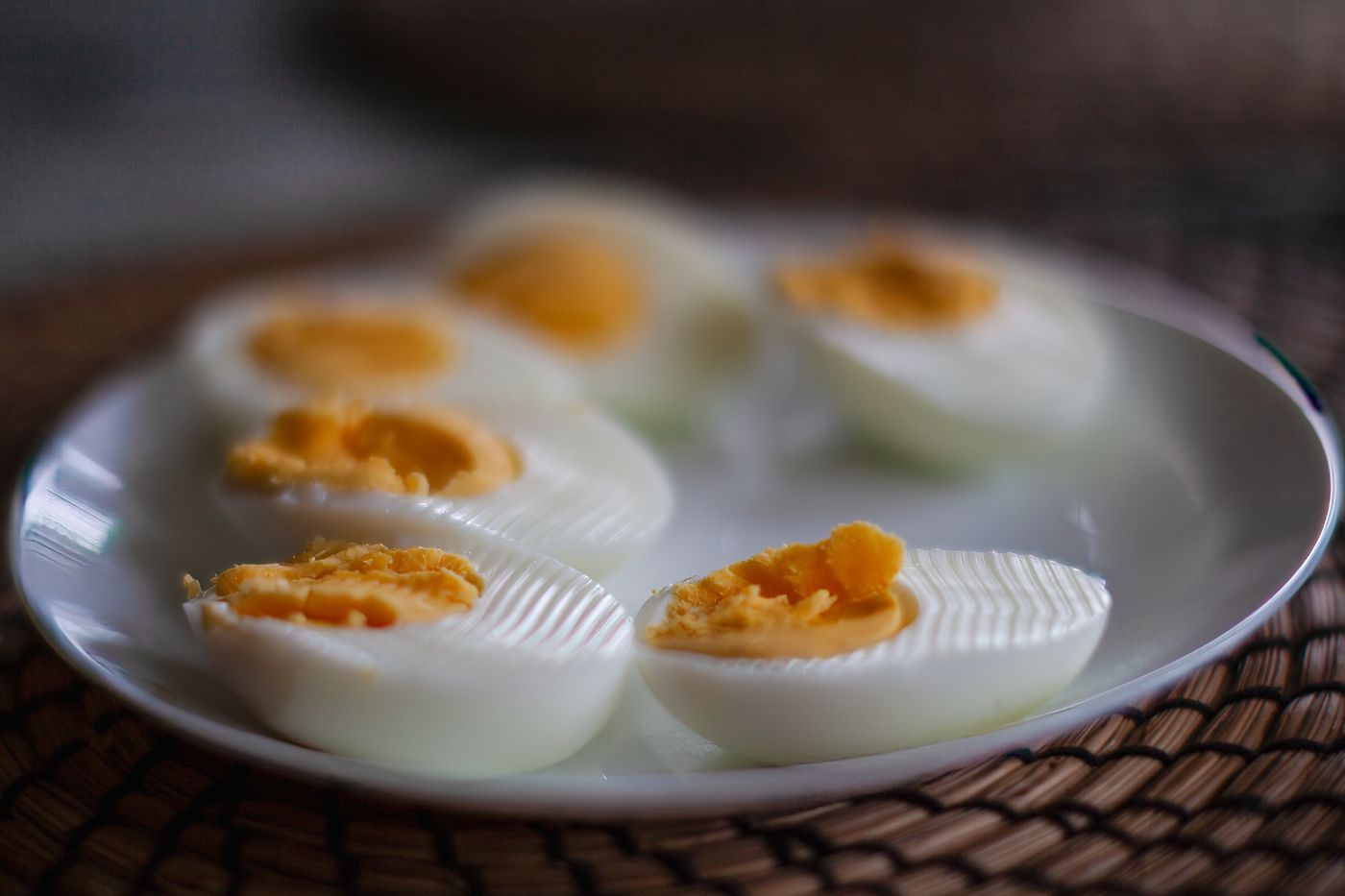
Sliced boiled eggs on a white plate
Kitchen & Dining

Is the OXO Egg Slicer Worth It for Sandwiches and Salads?

Disclosure: As an Amazon Associate, My Indoor Space earns from qualifying purchases.

Quick verdict

Worth considering if you regularly want even slices of hard-boiled egg for sandwiches or salads. Skip it if your eggs usually become mashed filling or you only prepare one occasionally. Uniform slices are the main benefit.

Research-based buying guide. Checked October 17, 2026. We have not tested this product hands-on. Manufacturer details and our buying judgments are distinguished below.

Sliced boiled eggs on a white plate
Egg preparation context; the OXO slicer is not pictured. Stock photo: Pexels.

Which choice fits your routine?

Choice Best reason to choose it
Buy the slicer Repeated sliced-egg sandwiches and salads
Keep a fork Mostly mashed egg filling
Keep an existing knife Occasional slicing and minimal gadget storage

What the OXO slicer is designed to deliver

OXO specifies 5 mm slices and a cradle that positions the egg in two directions for round or oblong pieces. The design includes a raised handle and a non-slip base, and the manufacturer lists it as dishwasher safe.

This is a preparation tool for hard-boiled eggs. It does not cook, peel, or store them. Its value depends on whether repeated, evenly spaced cuts are useful to you, rather than on whether it looks like a convenient all-in-one breakfast gadget.

Sliced eggs and sandwich filling need different tools

For an open sandwich or a composed salad, repeated slices can be useful. For a bowl of mashed egg filling, the same slices may be unnecessary because you will break them up anyway. A fork may already handle the texture you prefer.

Think about the result you actually serve. Buying a tool for neat presentation makes sense when you use that presentation regularly. Buying it because you sometimes eat eggs does not establish that its specific cutting pattern will help.

Pay attention to the food's condition

The stated job is hard-boiled eggs. Do not transfer a broad seller phrase such as multipurpose into an assumption that the wires can cut every firm food in your kitchen. Follow the product instructions and avoid forcing food through the mechanism.

The shape of the cradle and the size of the egg also matter to how it sits. We have not compared slice consistency across egg sizes or measured wire durability. Our judgment is based on the intended format and the difference between its job and a general knife.

Cleaning can be the deciding factor

Several closely spaced cutting wires need washing along with the cradle below them. Dishwasher-safe care can help, but inspect the tool for residue before storing it. The relevant comparison is the full routine: prepare, slice, clean, dry, and put away.

If washing a small knife is already easy for you, the slicer needs to justify itself through repetition or the result you prefer. If you make several sliced-egg sandwiches each week, that is a stronger case than a single garnish for a holiday meal.

Best value, upgrade value, and our verdict

Buy it when uniform hard-boiled-egg slices are a repeated need and you have room for a dedicated utensil. Skip it if most eggs are eaten whole, halved, or mashed. A higher-priced slicer does not automatically improve a meal whose texture is intentionally rough.

Our final verdict is a practical yes for frequent sliced-egg preparation. For occasional use, keep your existing knife or fork. Choose a larger or more elaborate cutter only if its additional function solves another task you actually perform.

Buying in the United States or Canada

Use the button for your country and compare the exact model, supplied parts, seller, delivered price, and return terms before ordering. U.S. and Canadian listings can differ in availability, packaging, and price; a U.S. dollar amount is not a Canadian quote. We do not publish a fixed price here because offers change.

Check regional warranty eligibility with the manufacturer or seller, especially for an imported offer. A brand guarantee does not establish that every marketplace seller supplies the same regional coverage.

Questions before buying

Does it peel eggs?

No. The intended role is slicing an already prepared hard-boiled egg.

Can I cut harder vegetables with it?

Do not assume so. Stay within the exact product's food-use instructions instead of forcing the wires.

Related guides on My Indoor Space

Sources and research

The manufacturer source establishes stated features and care. Linked retailer pages identify the selected offer. Comparisons, buy/skip guidance, and value judgments are our editorial assessment; we do not claim measured durability or performance without testing.

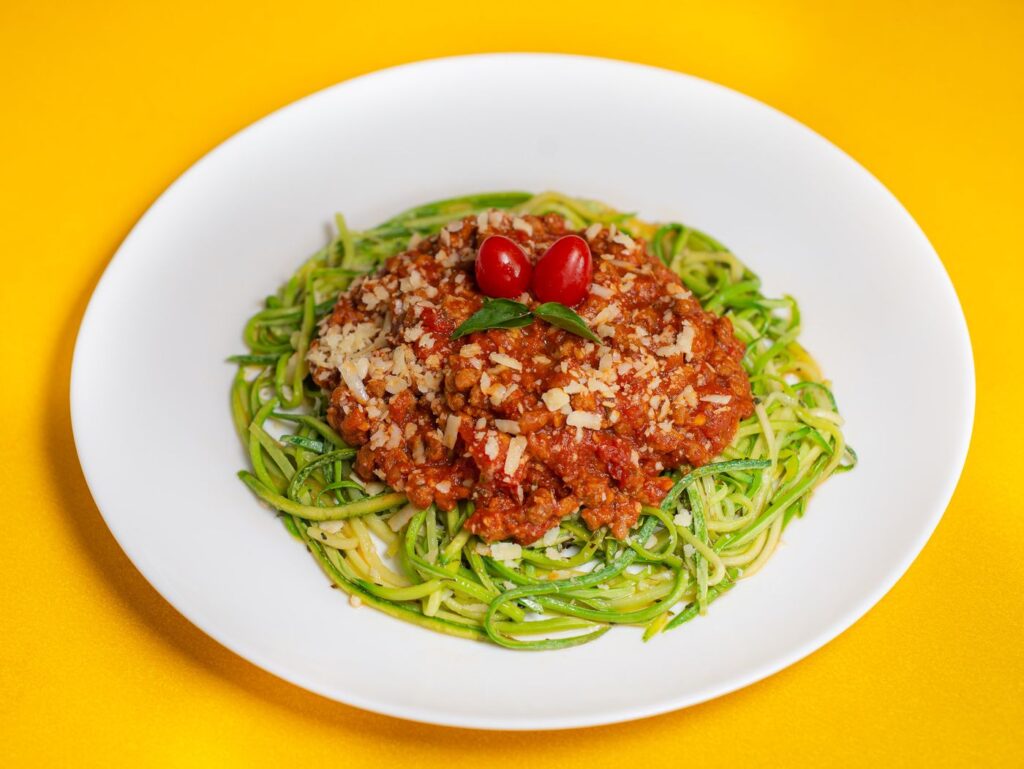
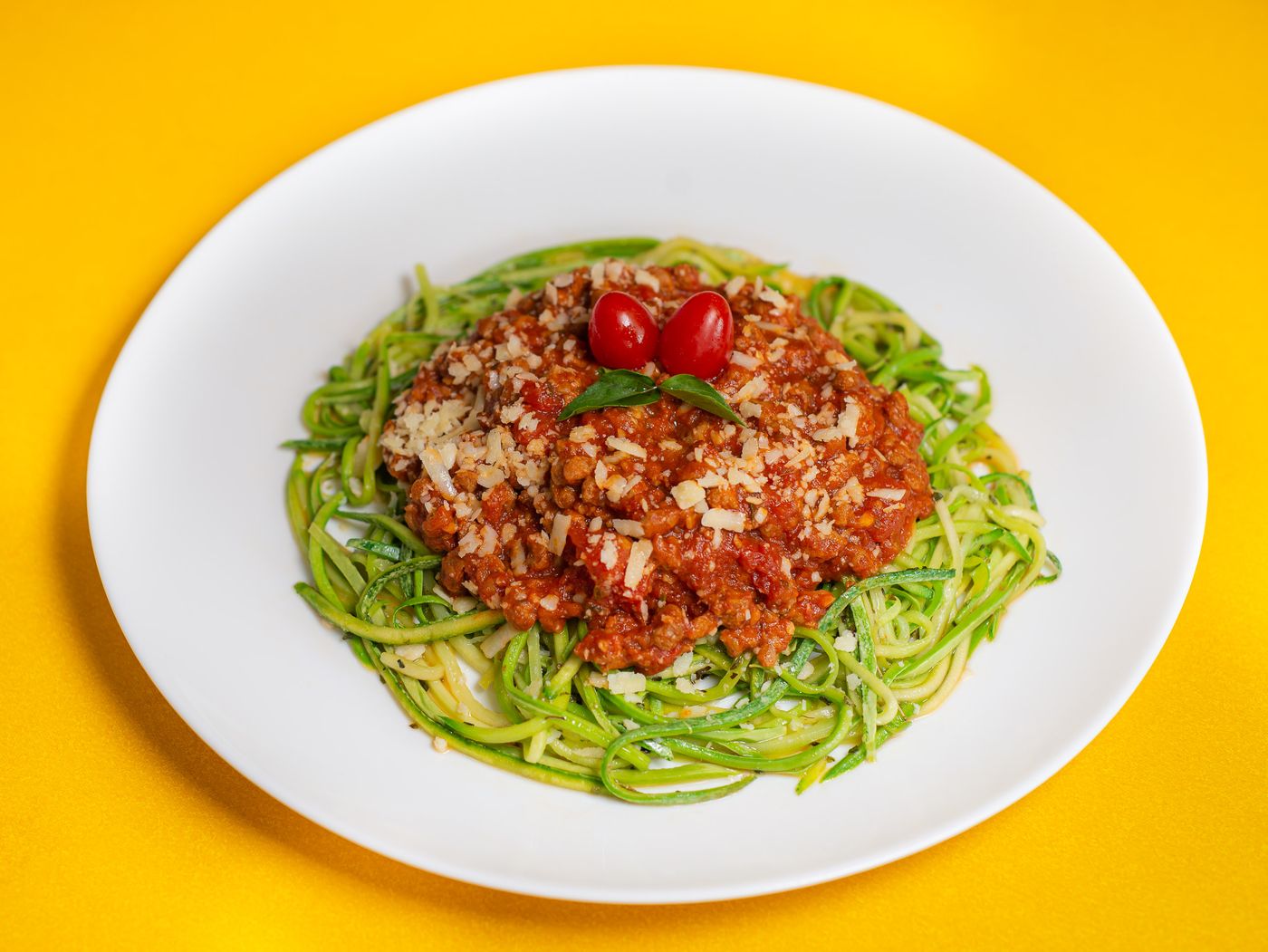
Zucchini noodles with sauce on a plate
Kitchen & Dining

Is the OXO Handheld Spiralizer Worth It for One or Two?

Disclosure: As an Amazon Associate, My Indoor Space earns from qualifying purchases.

Quick verdict

Worth considering for occasional small portions of vegetable noodles when compact storage matters. Skip the handheld format if repeated twisting is the part you want to avoid or if you regularly prepare several servings.

Research-based buying guide. Checked October 17, 2026. We have not tested this product hands-on. Manufacturer details and our buying judgments are distinguished below.

Zucchini noodles with sauce on a plate
Vegetable noodle context; the OXO spiralizer is not pictured. Stock photo: Pexels.

Which choice fits your routine?

Choice Best reason to choose it
One-blade handheld Small batches and compact storage
Tabletop format Frequent larger batches; compare crank operation
Keep a peeler Flat vegetable ribbons are enough

Which OXO spiralizer are we discussing?

This guide covers the green one-blade handheld model, not the three-blade handheld set or the tabletop machine. OXO describes spaghetti-like strands, an open working area, and a food holder that also serves as a storage cap. It lists dishwasher-safe care.

That distinction matters when comparing reviews and prices. A tabletop model's crank, suction base, and multiple blades are not features you receive by ordering the single-blade handheld tool. Check the selected offer's blade count and photos.

Buy for your portion size

A small handheld tool has an appealing storage advantage if you occasionally prepare a portion for one or two. Its value is less convincing when you regularly work through several vegetables. The repeated movement remains part of the job even though the tool is compact.

Our buying judgment is to choose the format around your normal batch. Someone who makes a small topping once a week has a different need from someone preparing a family meal. A larger spiralizer is not automatically better; it must justify its extra bulk through actual use.

Twisting effort is the main trade-off

You turn the produce against the cutting mechanism. If your reason for buying a gadget is to avoid repeated hand work, this is the feature to assess carefully. We have not measured effort across vegetables or compared it with a tabletop crank.

Use the supplied holder as directed, especially near the end of the vegetable, and follow the instructions for suitable produce. Do not keep feeding a small end piece with unprotected fingers. The presence of a holder is a feature, not a reason to ignore blade handling.

The alternative may already be in your drawer

If you want broad vegetable ribbons rather than spaghetti-shaped strands, a suitable peeler may already provide the result you need. If appearance and strand shape are central to your recipes, the dedicated cutting format has a stronger purpose.

Before ordering, try the meals using a preparation method you already have. That tells you whether vegetable noodles will become part of your routine. It is easier to judge the value of a specialized tool after you know you actually enjoy the dishes.

Cleaning, storage, and final verdict

The small size does not make the blade area disappear during washing. Follow the cleaning instructions and let the tool dry before storage. Keep the holder and cap with it so the complete set is ready for the next use.

Our verdict is a conditional yes for occasional small portions and a compact drawer. For repeated larger batches, compare a tabletop design before spending. If vegetable ribbons are enough, keeping a suitable existing peeler is the cheapest sensible option.

Buying in the United States or Canada

Use the button for your country and compare the exact model, supplied parts, seller, delivered price, and return terms before ordering. U.S. and Canadian listings can differ in availability, packaging, and price; a U.S. dollar amount is not a Canadian quote. We do not publish a fixed price here because offers change.

Check regional warranty eligibility with the manufacturer or seller, especially for an imported offer. A brand guarantee does not establish that every marketplace seller supplies the same regional coverage.

Questions before buying

Does the one-blade version make several noodle widths?

Do not assume it includes the separate blades supplied with other OXO versions. Check the selected model.

Is it powered?

No. This handheld format depends on manual turning rather than an electric motor.

Related guides on My Indoor Space

Sources and research

The manufacturer source establishes stated features and care. Linked retailer pages identify the selected offer. Comparisons, buy/skip guidance, and value judgments are our editorial assessment; we do not claim measured durability or performance without testing.

Corn cobs on a white plate
Kitchen & Dining

Is the OXO Corn Prep Peeler Worth Buying?

Disclosure: As an Amazon Associate, My Indoor Space earns from qualifying purchases.

Quick verdict

Worth considering when fresh corn kernels are a regular ingredient in your cooking. Skip it if you mainly eat corn on the cob or buy frozen kernels. This is a dedicated prep tool, so frequency of use is the strongest reason to own it.

Research-based buying guide. Checked October 17, 2026. We have not tested this product hands-on. Manufacturer details and our buying judgments are distinguished below.

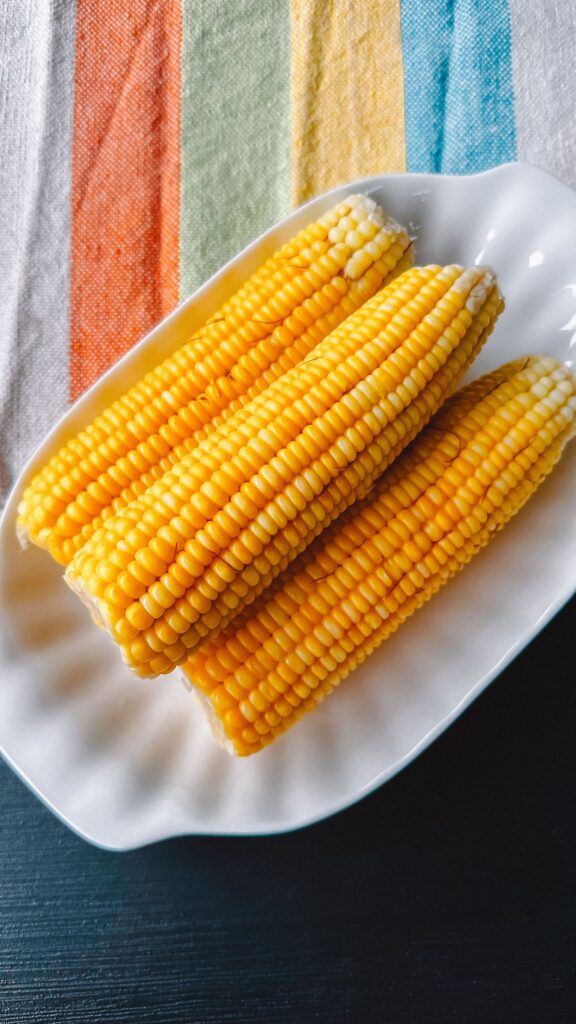
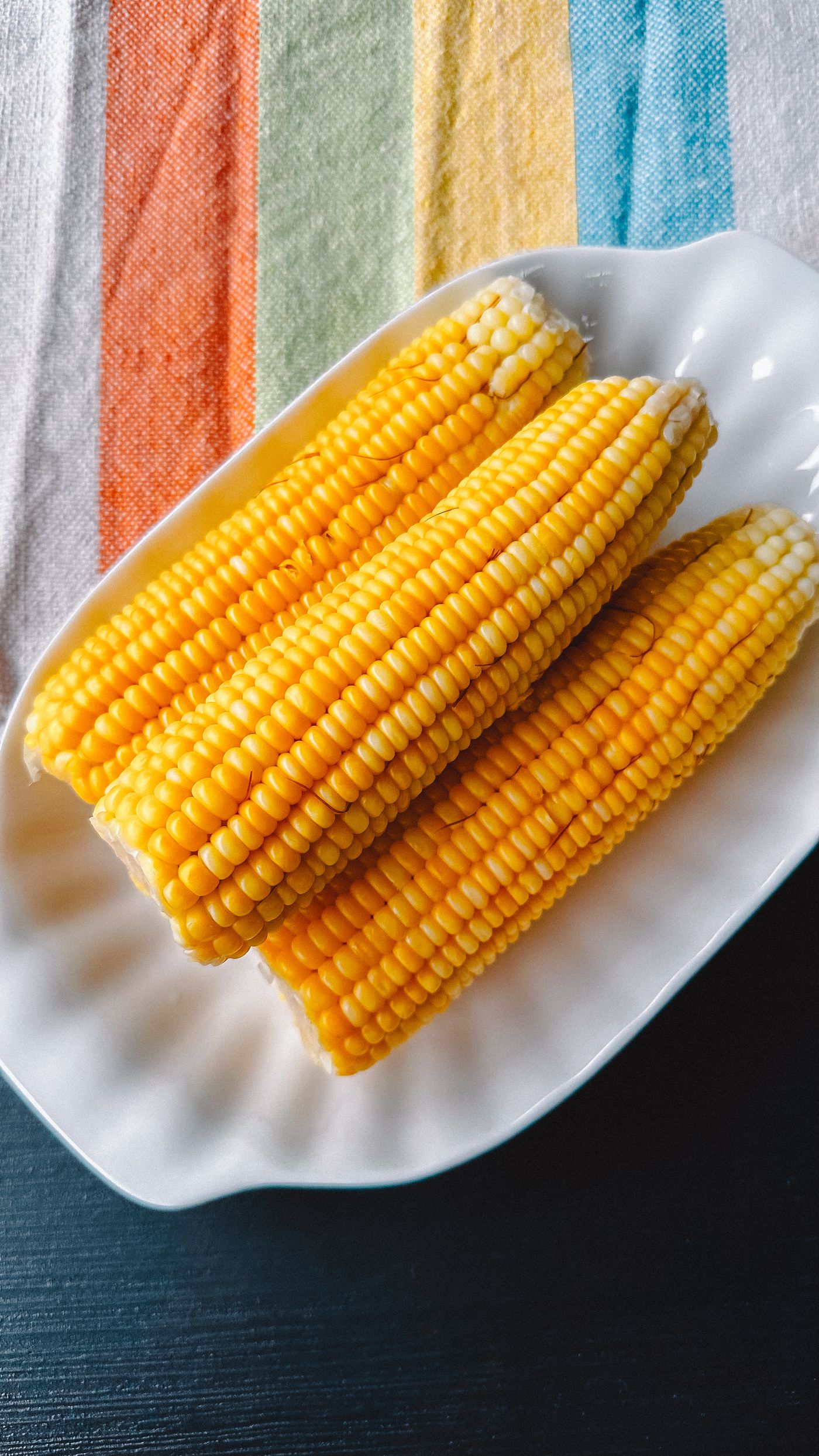
Corn cobs on a white plate
Corn preparation context; the OXO peeler is not pictured. Stock photo: Pexels.

Which choice fits your routine?

Choice Best reason to choose it
Buy the peeler Frequent corn salads, soups, and off-cob dishes
Skip it Mostly corn on the cob or frozen kernels
Check first The grip and pulling action suit you

What makes it a corn tool

OXO describes a compact peeler adapted specifically to remove kernels, with a stainless steel blade and a non-slip handle. It is listed as dishwasher safe. It is not the same tool as an ordinary swivel vegetable peeler, even when the handle styling looks familiar.

The product's value is narrow and practical: it gives you a dedicated shape for a recurring corn-preparation step. It does not make corn ready to eat by itself, and it does not replace washing, cooking, or other recipe preparation.

The best buying signal is already in your meal plan

If you regularly prepare corn salads, chowders, or other dishes using kernels from fresh cobs, you have a reason to compare it with your current method. If whole cobs are an occasional summer treat, the case is weaker.

Do not buy the gadget first and assume it will create the habit. Consider how many times you removed kernels during the last corn season. That number is a better guide to likely use than a promotional demonstration filmed around several perfectly prepared cobs.

Grip and movement matter more than the colour

A compact handle may be useful, but kernel removal still requires a controlled movement and somewhere for the food to collect. Follow the included handling directions and keep hands clear of the blade. A non-slip description is not a promise that every grip or work surface will suit you.

We have not measured hand force, speed, or kernel yield. We therefore do not claim this peeler is twice as fast or produces no waste. Those are the kinds of statements that need comparative testing, not just an appealing product photograph.

Think about the cleanup area

Removing kernels is only one part of the task. You still have a cob to discard and loose food to collect. Plan a stable preparation space and a suitable bowl or board, following the tool's instructions. Consider whether your existing setup is already straightforward to clean.

The peeler's small footprint helps its storage case, but its working edge needs an appropriate place in the drawer. Store it so the blade is not exposed to an accidental grab. Dishwasher compatibility is useful; check that food has actually been removed before putting it away.

Best value and our final verdict

Compare the delivered cost with your realistic seasonal use. If you prepare fresh off-cob corn often, a dedicated tool can earn its modest space. If you already prefer frozen kernels for everyday recipes, it is unlikely to change much about your cooking.

Our verdict is yes for a repeated fresh-corn habit, and an easy skip for most other routines. Keep your general tools if you are already comfortable with the task; buy this only when its specialized shape addresses a step you do often.

Buying in the United States or Canada

Use the button for your country and compare the exact model, supplied parts, seller, delivered price, and return terms before ordering. U.S. and Canadian listings can differ in availability, packaging, and price; a U.S. dollar amount is not a Canadian quote. We do not publish a fixed price here because offers change.

Check regional warranty eligibility with the manufacturer or seller, especially for an imported offer. A brand guarantee does not establish that every marketplace seller supplies the same regional coverage.

Questions before buying

Is it a general vegetable peeler?

It is designed for corn-kernel removal. Choose a general peeler separately for everyday vegetable skins.

Is it worthwhile for one corn dinner?

Usually the strongest value comes from repeated off-cob preparation, rather than one occasional meal.

Related guides on My Indoor Space

Sources and research

The manufacturer source establishes stated features and care. Linked retailer pages identify the selected offer. Comparisons, buy/skip guidance, and value judgments are our editorial assessment; we do not claim measured durability or performance without testing.

Cooking oil heating in a frying pan
Kitchen & Dining

Is the OXO Splatter Screen Worth It for Everyday Frying?

Disclosure: As an Amazon Associate, My Indoor Space earns from qualifying purchases.

Quick verdict

Worth considering if frying repeatedly leaves your hob and nearby counter covered in droplets. Skip it if you rarely fry or already have a well-fitting screen. It is a ventilated barrier, so it does a different job from a solid lid.

Research-based buying guide. Checked October 17, 2026. We have not tested this product hands-on. Manufacturer details and our buying judgments are distinguished below.

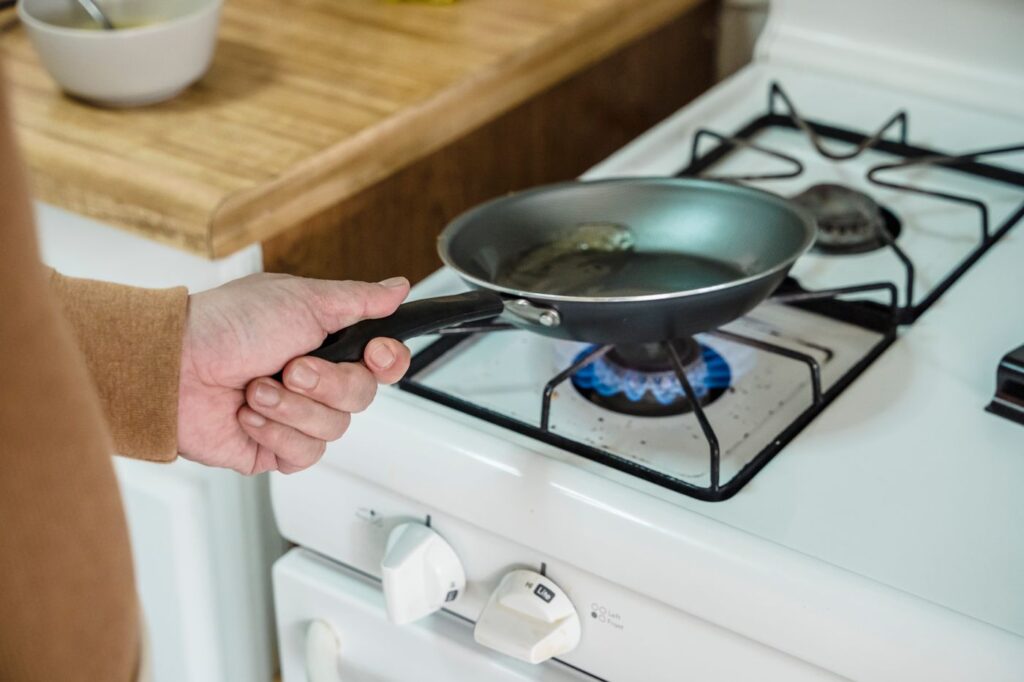
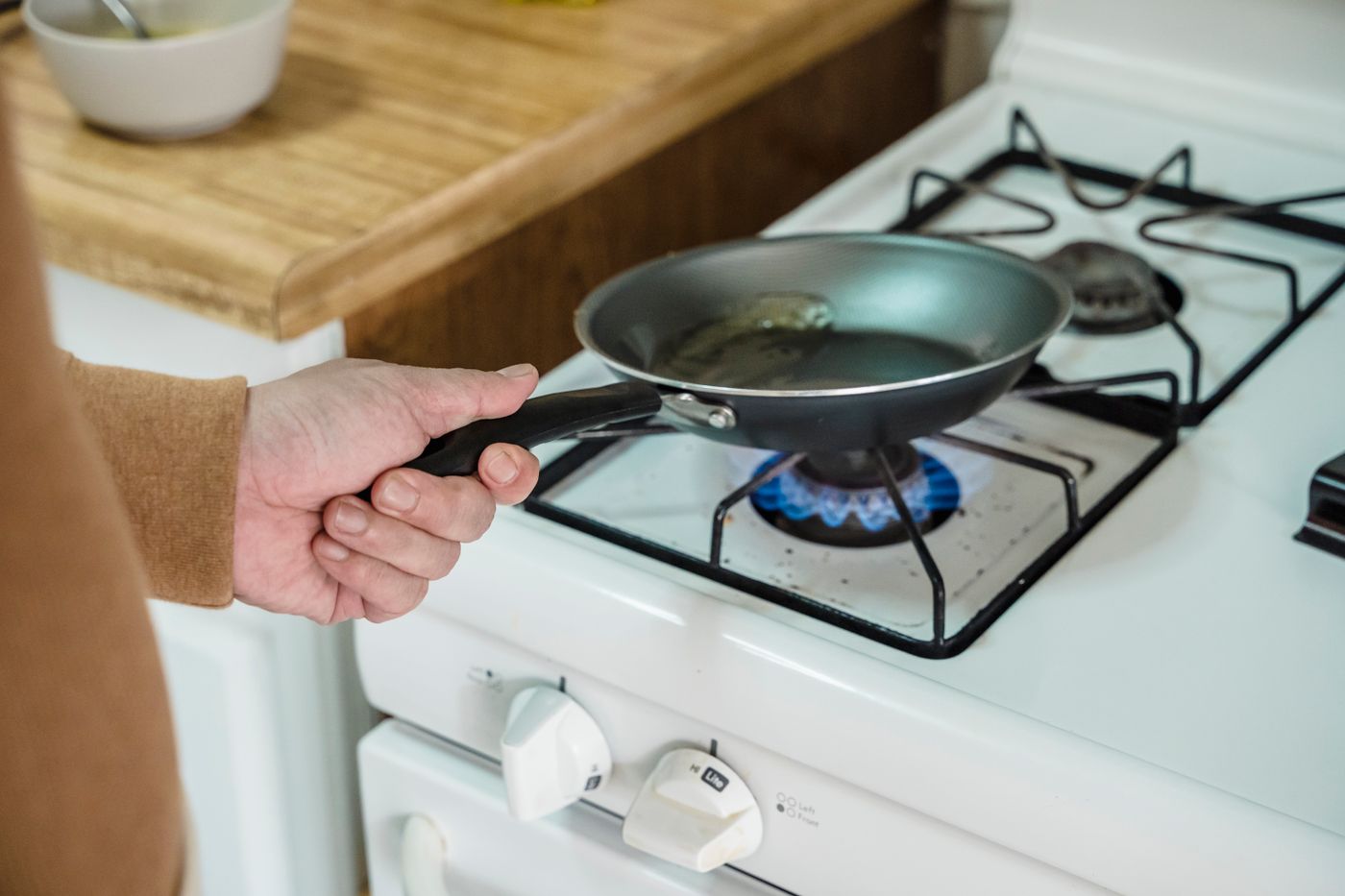
Cooking oil heating in a frying pan
Stovetop cooking context; the OXO splatter screen is not pictured. Stock photo: Pexels.

Which choice fits your routine?

Choice Best reason to choose it
Choose the OXO screen Repeated frying; folding handle helps storage
Keep your screen Your existing screen fits and cleans easily
Use the recipe's lid Covered cooking is actually required

What this screen changes

OXO uses perforated stainless steel rather than a woven mesh. The manufacturer describes grooved resting rings, a handle that locks open and folds for storage, and compatibility with pans up to 13 inches wide. It lists dishwasher-safe care.

Those features address handling, resting, and storage. They do not establish a percentage reduction in splatter. We have not tested this screen against competing mesh or silicone designs, so our recommendation is based on its construction and fit rather than an invented ranking.

A splatter screen is not a pan lid

A lid covers a pan for a cooking purpose. A perforated screen provides openings while intercepting some droplets. Choose the tool that suits the recipe instead of swapping them merely because both sit over the pan.

The buying trigger is cleanup after frying with an uncovered pan. If the problem is a recipe that requires covered simmering, buy or keep the correct lid. If your existing mesh screen already handles your usual frying, the OXO handle is a convenience upgrade rather than a new cooking capability.

Check the rim and the handle together

Measure the pans you actually use. OXO's stated maximum is a useful starting point, but the screen also needs a stable resting position on your pan's shape. Consider where the open handle will point relative to other burners, pan handles, and the edge of the hob.

The product listing contains a nominal fit claim and separate product dimensions. Do not convert either into a guarantee for an unusually shaped or oversized pan. If your main pan is at the edge of the stated range, examine the fit information closely before ordering.

Cleaning is part of the purchase

A screen intercepting cooking droplets becomes another surface to wash. Check whether its diameter fits comfortably in your sink or dishwasher. A folding handle reduces one storage dimension, but the wide screen still needs a suitable place to live.

Follow the instructions around hot cookware and steam. Do not interpret the screen as protection against every kitchen hazard, and do not use it as a reason to leave cooking unattended. Its practical value is limited to the role it was designed to perform.

When the upgrade is worth paying for

Buy it when repeated splatter cleanup bothers you and the perforated construction or folding handle is a feature you will use. Skip it when your current screen is sound, stable, and easy to wash. A premium tool cannot justify itself through a folding handle that does not solve your storage problem.

Our final judgment is a conditional yes for frequent frying in compatible pans. For an occasional fry-up, an inexpensive suitable screen or the screen you already own can be enough. Fit and washing convenience come before brand matching.

Buying in the United States or Canada

Use the button for your country and compare the exact model, supplied parts, seller, delivered price, and return terms before ordering. U.S. and Canadian listings can differ in availability, packaging, and price; a U.S. dollar amount is not a Canadian quote. We do not publish a fixed price here because offers change.

Check regional warranty eligibility with the manufacturer or seller, especially for an imported offer. A brand guarantee does not establish that every marketplace seller supplies the same regional coverage.

Questions before buying

Does it make a pan airtight?

No. It is perforated and serves a different role from a solid lid.

Does the folding handle make it fit a narrow drawer?

It reduces handle projection, but you still need space for the screen's wide round body.

Related guides on My Indoor Space

Sources and research

The manufacturer source establishes stated features and care. Linked retailer pages identify the selected offer. Comparisons, buy/skip guidance, and value judgments are our editorial assessment; we do not claim measured durability or performance without testing.

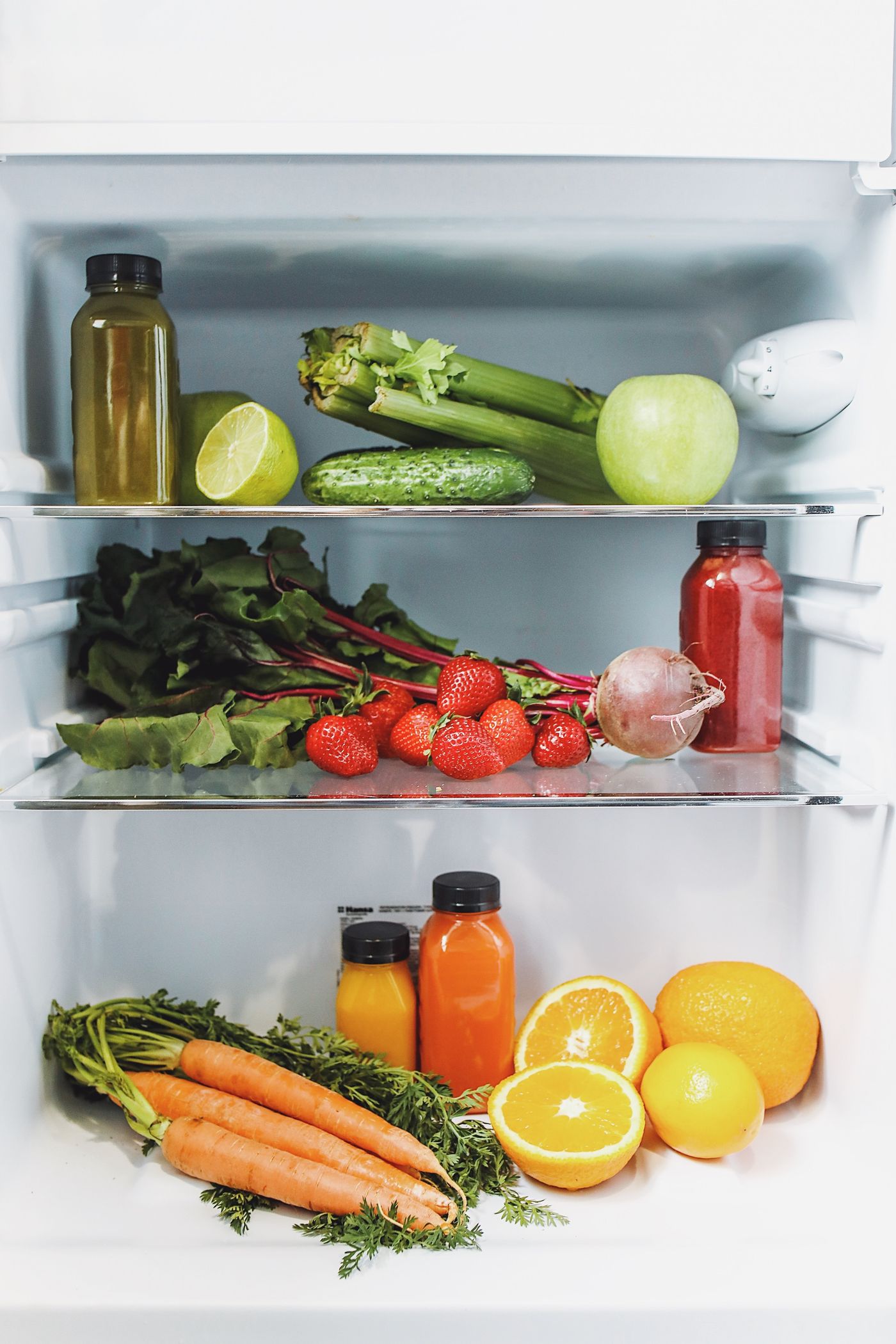
Produce stored inside a refrigerator
Kitchen & Dining

Are Food Huggers Worth It for Leftover Fruit and Vegetables?

Disclosure: As an Amazon Associate, My Indoor Space earns from qualifying purchases.

Quick verdict

Worth considering when you frequently store cut produce and will wash and reuse the covers. Skip them if existing containers already keep your leftovers visible and easy to use. Fit and reuse matter more than the promise of owning another reusable product.

Research-based buying guide. Checked October 17, 2026. We have not tested this product hands-on. Manufacturer details and our buying judgments are distinguished below.

Produce stored inside a refrigerator
Food storage context; Food Huggers are not pictured. Stock photo: Pexels.

Which choice fits your routine?

Choice Best reason to choose it
Food Huggers Recurring cut produce with suitable shapes
Existing container Irregular pieces, several leftovers together
Skip a new set You seldom save produce halves

What the five-piece set offers

Food Huggers describes a set of five flexible silicone covers in overlapping sizes. The covers fit around the exposed end of suitable fruit and vegetables, and can also fit some opened containers. The manufacturer says they are dishwasher safe.

The linked Bright Berry set is a five-piece listing. Check that the seller is offering the same count and brand; similar-looking silicone caps, avocado-specific covers, and reusable bags are different products. A picture of several covers does not always establish what is included in the selected offer.

Start with the leftovers you actually create

A household that frequently saves half an onion, lemon, or cucumber has a clearer use for this style of cover than one that mostly stores chopped mixed vegetables. A snug cover and an enclosed container solve overlapping but different storage problems.

Try listing the last five leftovers you put away. If most were flat cut ends on suitable produce, a size set may suit you. If they were small scraps, irregular chunks, or cooked meals, the container you already own may remain the more adaptable choice.

The important limitation is fit

Flexible does not mean universal. Check the supported size range and the shape of your food before relying on a cover. A poorly fitting cover may be inconvenient to attach, remove, or stack in the refrigerator. We have not measured leak resistance or storage life across different foods.

Do not treat a cover as a guarantee against spoilage or as permission to ignore normal storage guidance. Its useful role is covering a suitable cut surface. What you store, how you handle it, and when you use it remain part of the routine.

Reusability only helps when the routine works

A reusable cover adds a washing step. Consider whether small flexible pieces are easy for you to clean, dry, and find again. Keeping the set together is useful, but only if the right size is ready when you need it.

We would choose an existing lidded container over a cover that repeatedly disappears into a drawer. The practical saving comes from repeated use and using up the food, not from buying a set and leaving it untouched. We do not assign a made-up environmental break-even count.

Value, alternatives, and final decision

If you want a spending comparison, divide the delivered set price by the number of uses you realistically expect. For example, a hypothetical C$20 set used 100 times costs C$0.20 per use before washing. That is arithmetic, not a current price or a promised saving.

Our verdict is a conditional yes for a household with a regular produce-half routine. Keep containers for irregular leftovers and mixed foods. Skip the purchase if it would simply create a second storage system you do not prefer using.

Buying in the United States or Canada

Use the button for your country and compare the exact model, supplied parts, seller, delivered price, and return terms before ordering. U.S. and Canadian listings can differ in availability, packaging, and price; a U.S. dollar amount is not a Canadian quote. We do not publish a fixed price here because offers change.

Check regional warranty eligibility with the manufacturer or seller, especially for an imported offer. A brand guarantee does not establish that every marketplace seller supplies the same regional coverage.

Questions before buying

Are they the same as storage bags?

No. These covers fit around suitable cut ends and openings; they do not enclose food in the same way as a bag.

Will every size fit every food?

No. Match the cover to the produce diameter and shape rather than assuming one size is universal.

Related guides on My Indoor Space

Sources and research

The manufacturer source establishes stated features and care. Linked retailer pages identify the selected offer. Comparisons, buy/skip guidance, and value judgments are our editorial assessment; we do not claim measured durability or performance without testing.

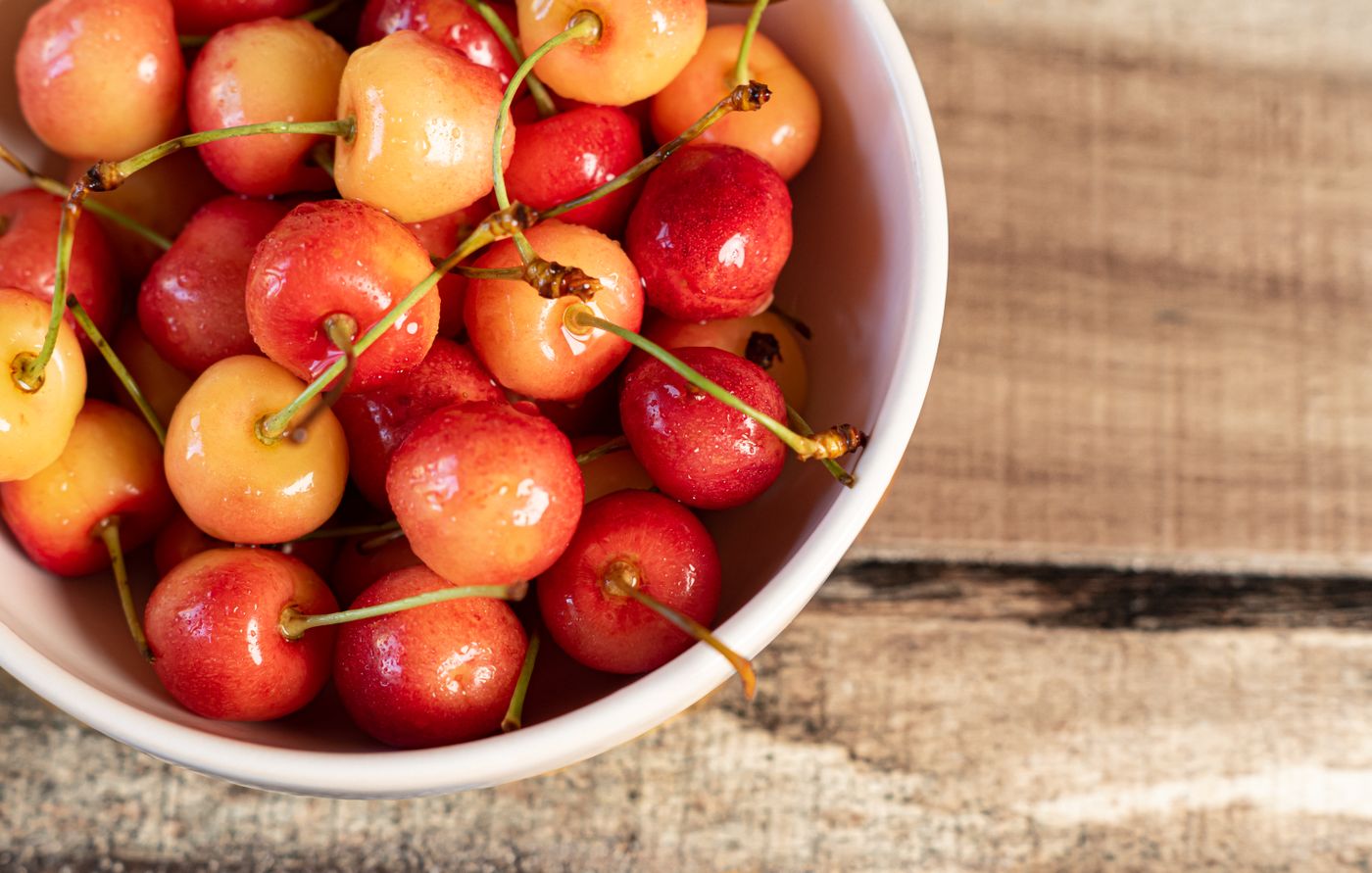
Cherries in a white bowl
Kitchen & Dining

Is the OXO Cherry Pitter Worth It for Home Baking?

Disclosure: As an Amazon Associate, My Indoor Space earns from qualifying purchases.

Quick verdict

Worth considering for regular small-to-medium cherry preparation when you prefer a compact handheld tool. For repeated large preserving batches, compare a multi-fruit pitter instead of assuming one-at-a-time operation will be enough.

Research-based buying guide. Checked October 17, 2026. We have not tested this product hands-on. Manufacturer details and our buying judgments are distinguished below.

Cherries in a white bowl
Cherry preparation context; the OXO pitter is not pictured. Stock photo: Pexels.

Which choice fits your routine?

Choice Best reason to choose it
Handheld OXO Modest batches; compact storage
Multi-fruit pitter Repeated larger batches
Skip the gadget Rare preparation or buying already-pitted fruit

What this handheld pitter is designed to do

The OXO design uses a fruit holder and a squeezing action to remove a pit. Its stated features include a removable splatter shield and a lock for storage. OXO describes use with cherries and suitable olives; the official current product page and older retailer listings can carry different model numbers.

The linked black handheld listing is identified on Amazon USA as model 1071499. Compare its supplied instructions and photos rather than assuming all dimensions or construction details from a newer OXO revision apply unchanged. This guide focuses on the shared one-fruit-at-a-time format.

Count the batch, not just the tool's size

For a bowl of cherries, a tool that fits in the hand can be convenient to retrieve and clean. For several large batches, repeatedly loading individual fruit becomes part of the workload. Compact storage is useful, but it does not automatically make a handheld tool the best choice for every quantity.

A multi-fruit model adds bulk but may better match a preserving routine. Before upgrading, think about how often you actually pit cherries and whether your difficulty is removing each pit, feeding the fruit, or clearing the workspace afterward. Those are different problems.

The shield helps contain juice; it does not remove cleanup

A splatter shield is a useful feature to compare with a bare plunger tool. You still need somewhere for the expelled pits and juice to go. Set up a suitable collection container and follow the product instructions rather than pitting directly over an unprotected work area.

Inspect prepared fruit for retained pits or fragments. A pitter is a mechanical preparation aid, not proof that every piece is completely pit-free. We have not measured its miss rate, squeezing force, or long-term hinge durability, so we do not give it an invented performance score.

Olives make it more versatile, within limits

If you prepare suitable whole olives as well as cherries, the second use can strengthen the value case. Olive sizes and varieties differ, however. Do not treat a product description mentioning olives as a promise that every olive you buy will fit or release its pit equally well.

For an occasional recipe, buying already-pitted ingredients may be a better convenience decision than adding equipment. Compare the shopping habit you have now. A pitter only pays back its space when whole fruit is something you regularly choose and use.

Who should buy or skip this tool?

Buy it if you want a compact handheld pitter for recurring modest quantities and have checked the exact version. Skip it if one-at-a-time loading is the reason your current routine feels slow. For a single holiday recipe, keep the cost and storage commitment in proportion to the job.

Our verdict is a targeted yes for regular home bakers using whole cherries, with a batch-size limit. Choose a bigger system because your quantities demand it, not because a larger accessory bundle looks better value.

Buying in the United States or Canada

Use the button for your country and compare the exact model, supplied parts, seller, delivered price, and return terms before ordering. U.S. and Canadian listings can differ in availability, packaging, and price; a U.S. dollar amount is not a Canadian quote. We do not publish a fixed price here because offers change.

For this guide, compare the linked older black handheld version with the current official model before buying. Do not assume that a changed model number means every specification is identical.

Check regional warranty eligibility with the manufacturer or seller, especially for an imported offer. A brand guarantee does not establish that every marketplace seller supplies the same regional coverage.

Questions before buying

Does the current official page match every older listing?

No. OXO model numbers can differ across revisions. Check the exact listing and included instructions.

Should I still check the fruit after pitting?

Yes. Inspect for retained pits and fragments instead of assuming every pass is perfect.

Related guides on My Indoor Space

Sources and research

The manufacturer source establishes stated features and care. Linked retailer pages identify the selected offer. Comparisons, buy/skip guidance, and value judgments are our editorial assessment; we do not claim measured durability or performance without testing.

Scroll to Top