Hands holding a pan and spatula while cooking
Kitchen & Dining

OXO Ground Meat Chopper vs a Turner: Is Another Tool Worth It?

Disclosure: As an Amazon Associate, My Indoor Space earns from qualifying purchases.

Quick verdict

The OXO Ground Meat Chopper and Turner is worth considering if breaking up ground meat is a frequent, frustrating task in your kitchen. Keep a suitable turner if it already handles your portions easily. Buy for its specialised head and scraping edge, not a promise of faster cooking, guaranteed browning or better food safety.

Research-based buying guide. We have not tested these products hands-on. Specifications and care come from the linked manufacturer documentation; recommendations are our editorial judgment.
Hands holding a pan and spatula while cooking
Stovetop cooking context with a different utensil; the reviewed OXO meat chopper is not pictured. Stock photo: Pexels.

Which option fits your routine?

Choice Choose it for Tradeoff
OXO meat chopper Frequent clump breaking and scraping Specialised head takes drawer and washing space
Suitable turner General cooking plus occasional ground meat May need more attention to larger clumps
Suitable cooking spoon Stirring sauces and breaking small portions Different edge and leverage for the job

What changes compared with a flat turner

OXO’s tool has three wide blades, a silicone scraping edge and rounded areas intended to reach saucepan corners. The idea is to break up meat, stir it, then help transfer it from the pan with one utensil.

That design is a plausible convenience for a repeated task. It is not proof that it is faster than the turner you own. We have not measured clump size, compared cooking times or tested the head with different portions and pan shapes.

Frequency is the strongest reason to buy

Think about the last few meals you cooked. If you repeatedly stop to break apart large clumps for a sauce, filling or similar dish, a head designed around that motion may be worthwhile. If ground meat appears only occasionally, a versatile utensil you already own has a strong value advantage.

Also separate breaking up meat from making a good finished dish. Pan space, recipe and cooking technique still matter. A specialised chopper will not guarantee the texture or browning you want merely because it has more contact edges.

Choose for your pan and portions

Consider the inside shape of the pan and the space around the food. A bulky head can be a different experience in a small saucepan than in a wide skillet. Compare the exact product’s size with your usual cookware rather than judging from a tightly cropped listing photo.

OXO lists nylon and silicone materials and a heat-resistance rating up to 450ยฐF. Follow the product directions and your cookware maker’s utensil guidance. A stated heat rating does not mean the tool should be left against a hot cooking surface indefinitely.

Materials deserve an exact-model check

OXO’s material-disclosure page lists the Ground Meat Chopper and Turner as containing PFAS. If avoiding PFAS in utensils is a buying requirement for you, that disclosure matters to the decision. Read the current manufacturer entry for the exact model rather than relying on a broad retailer claim about silicone.

This article does not establish exposure levels or make a health-risk assessment. The practical point is to choose using the manufacturer’s full material information, as well as the headline nylon-and-silicone description. A different utensil may better fit your preferences even if you like this head shape.

Cleanup is part of the real comparison

OXO marks the tool dishwasher safe. Follow the supplied care instructions and check around the junctions between the blades and scraping edge for food residue. A specialised head is only convenient if you are willing to clean and store it after the cooking is finished.

A flat turner or spoon can serve several dishes during the week. The chopper earns its drawer space when it makes your regular cooking more manageable. We have not tested staining, warping, repeated dishwasher wear or how easily particular sauces rinse away.

Clump size does not tell you that meat is safe

Breaking meat into smaller pieces is a texture task, not a doneness test. Health Canada’s ground-beef guidance cautions that colour can change before harmful bacteria are killed and recommends checking with an appropriate food thermometer. Follow the guidance for the food you are cooking.

Keep utensils that touched raw or partly cooked meat from contaminating cooked food or ready-to-eat ingredients. Clean them appropriately before reuse. The chopper does not replace that handling routine or a temperature check.

Who should buyโ€”and our verdict

Buy the OXO if ground-meat dishes are frequent, a regular utensil makes clump breaking awkward, and the materials fit your preferences. Skip it if your turner works well, storage is tight or a disclosed material conflicts with your requirements.

Our verdict is a targeted convenience purchase rather than an essential kitchen upgrade. Choose a suitable general-purpose turner first; add a dedicated chopper when your actual cooking makes the need clear. Compare delivered cost, model and return terms before deciding.

Buying in the United States or Canada

Use the country button that matches where you shop. Compare the exact model, included parts, seller, delivered cost and return terms; marketplace offers can differ between the two countries. Check regional manufacturer support before relying on a guarantee for an imported item. We do not quote fixed Amazon prices or promise delivery to every address.

Related guides on My Indoor Space

Sources and research

Manufacturer descriptions establish stated features and care, not independent proof of performance. Our value judgments consider the job, storage and cleanup. No personal testing, measured time savings or long-term durability is claimed.
Hands using an opener to remove a cap from a glass beverage bottle
Kitchen & Dining

Is the OXO Steel Bottle and Can Opener Worth It for Home?

Disclosure: As an Amazon Associate, My Indoor Space earns from qualifying purchases.

Quick verdict

The OXO Steel Bottle Opener is worth considering if you regularly remove crown caps and also use a can-piercing tool. Keep a working basic opener if caps already come off comfortably. This two-ended accessory pierces cans; it does not replace a rotary can opener that removes a food-can lid.

Research-based buying guide. We have not tested these products hands-on. Specifications and care come from the linked manufacturer documentation; recommendations are our editorial judgment.

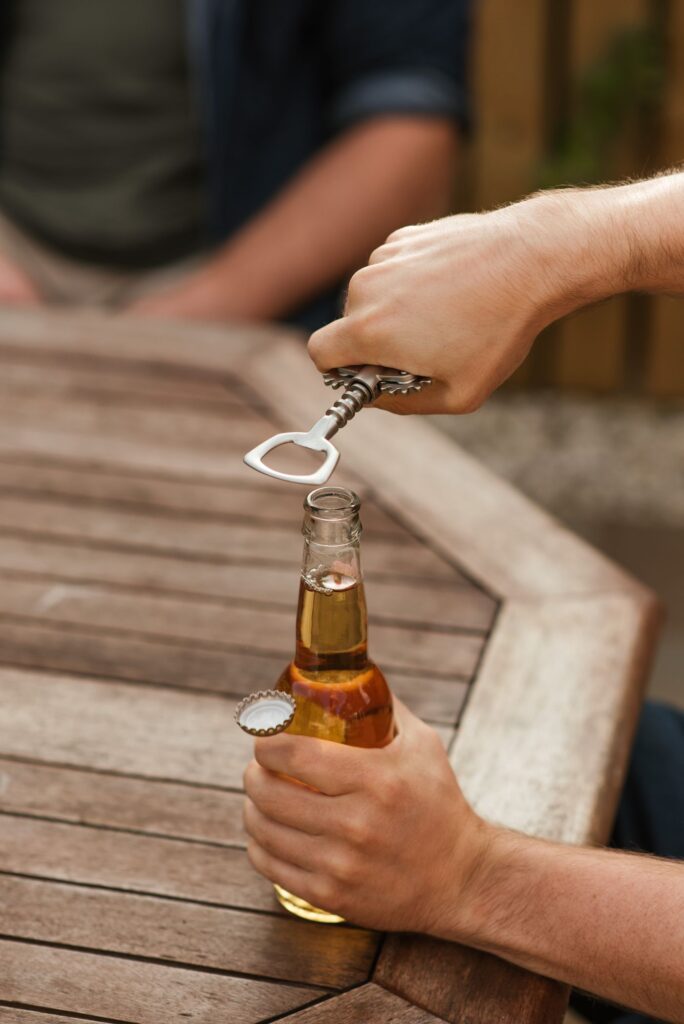
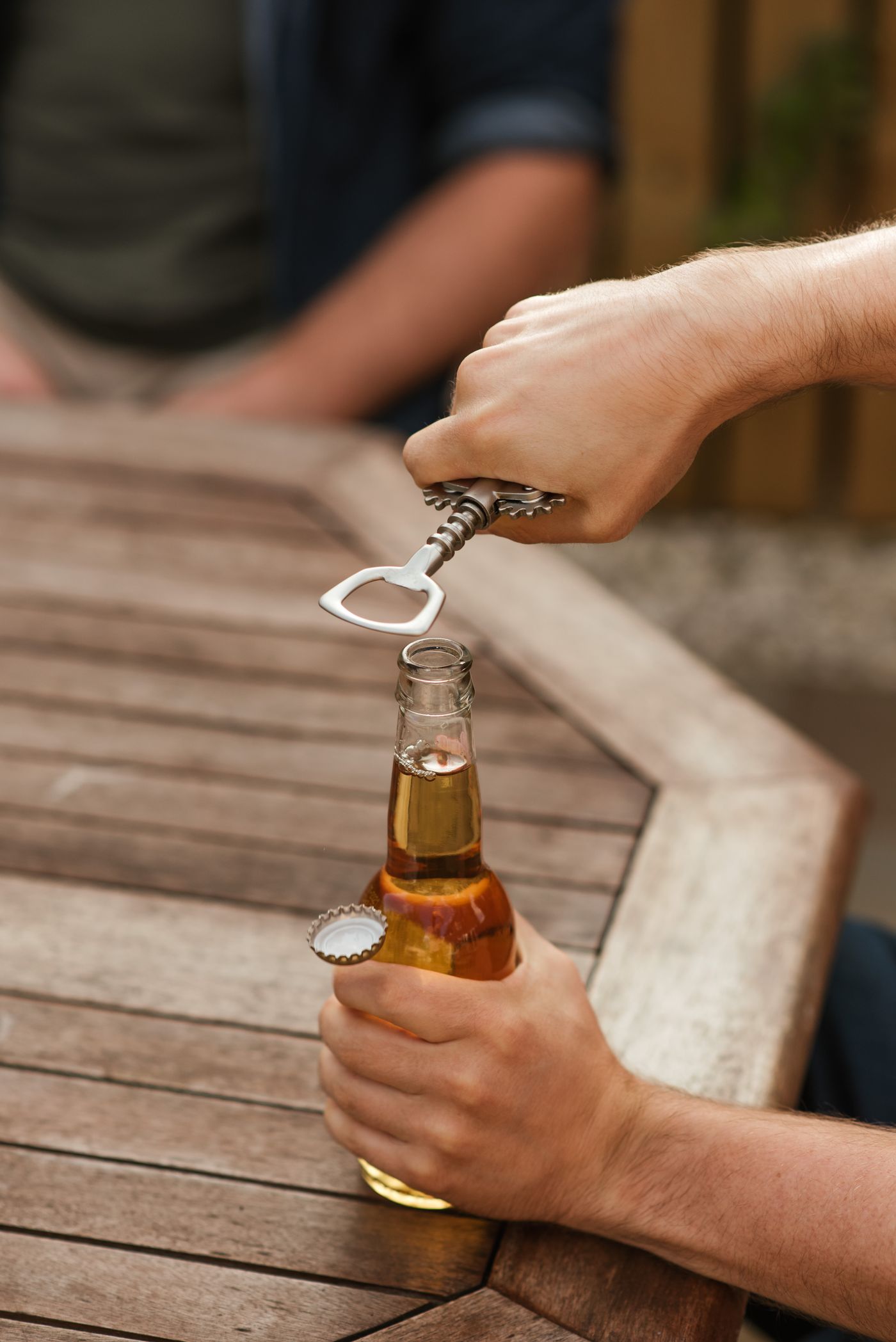
Hands using an opener to remove a cap from a glass beverage bottle
Bottle-opening context with a different opener; the reviewed OXO Steel model is not pictured. Stock photo: Pexels.

Which option fits your routine?

Choice Choose it for Tradeoff
OXO Steel bottle opener Bottle-cap removal and can piercing in one tool Adds little if a basic opener already works
Existing basic opener Occasional crown caps at no new cost May lack a cushioned handle or piercing end
Rotary food-can opener Removing a can lid around its rim A different task from this two-ended tool

Know which OXO opener you are buying

OXO sells more than one bottle-opener design. This guide concerns the Steel Bottle Opener with stainless-steel heads and a can-piercing end, manufacturer SKU 1058015. It is not the separate die-cast opener described for pop-top and twist-top bottles.

That distinction matters when a marketplace title is shortened to bottle opener. Match the shape, model and included functions before paying. A similar brand name or finish does not establish that the listing has the end you need.

What the design gives you

OXO describes a soft, non-slip handle on a stainless-steel body. The listed length is six inches. The buying case is a dedicated grip and two related opening functions together, rather than a new way to handle every kind of kitchen packaging.

We have not tested opening force, grip comfort when wet, cap removal over hundreds of uses or durability. The manufacturer’s comfort language describes the intended design; your own control of the tool is the relevant test. Do not assume that more cushioning automatically makes every task easier.

A can piercer is a separate job from lid removal

The pointed end is for piercing a can, not travelling around its rim to release the whole lid. If your shopping problem is opening canned beans, tomatoes or pet food by removing a lid, compare appropriate food-can openers instead.

Buy this format only if you actually use its two functions. Paying for a pointed end you never need is not necessarily better value than a simple cap opener. Check the packaging instructions for the intended use and handling of that end.

Compare it with the opener already in your drawer

Start with your current tool. Does it remove the caps you encounter with a secure grip? Is it easy to find, clean and store? If the answer is yes, a new stainless-steel accessory may mostly change how the drawer looks.

The OXO makes more sense if a small bare-metal opener is uncomfortable to hold or you want one identifiable tool for caps and can piercing. Even then, try the grip if possible and check return terms. Hand size and preferred leverage are personal; our recommendation is not based on a hands-on comfort trial.

Drawer space, cleaning and everyday practicality

OXO marks this model dishwasher safe. Follow the directions supplied with the actual unit and inspect both working ends during cleaning. A tool with two ends still needs a storage position where you can pick it up deliberately and keep it easy to locate.

Six inches is not a large appliance footprint, but duplication adds up in a small kitchen. If a corkscrew already includes a bottle opener and you never pierce cans, another separate accessory has a weaker case. Think about which tool you naturally reach for when serving drinks.

Who should buyโ€”and our verdict

Buy the OXO when you want a dedicated cushioned grip and genuinely use both crown-cap removal and can piercing. Skip it if your basic opener works well, you mainly use screw-cap containers, or what you actually need is a rotary lid remover.

Our verdict is a practical replacement for an unsuitable existing tool, with a modest case as an upgrade from one you already like. Match the exact model in the United States or Canada and compare delivered cost. We do not claim it opens every closure, lasts a lifetime or outperforms all cheaper openers.

Buying in the United States or Canada

Use the country button that matches where you shop. Compare the exact model, included parts, seller, delivered cost and return terms; marketplace offers can differ between the two countries. Check regional manufacturer support before relying on a guarantee for an imported item. We do not quote fixed Amazon prices or promise delivery to every address.

Related guides on My Indoor Space

Sources and research

Manufacturer descriptions establish stated features and care, not independent proof of performance. Our value judgments consider the job, storage and cleanup. No personal testing, measured time savings or long-term durability is claimed.

Person dividing dough on a wooden board
Kitchen & Dining

Is the OXO Silicone Pastry Mat Worth It Instead of a Bare Counter?

Disclosure: As an Amazon Associate, My Indoor Space earns from qualifying purchases.

Quick verdict

The OXO Silicone Pastry Mat is worth considering if you roll dough often and want size guides and conversions directly under your hands. Keep using a suitable counter if you already measure and clean up easily. Buy for a more organised preparation surface, not a promise that dough will never stick or that pastry quality will improve automatically.

Research-based buying guide. We have not tested these products hands-on. Specifications and care come from the linked manufacturer documentation; recommendations are our editorial judgment.

Person dividing dough on a wooden board
Dough-preparation context; the reviewed OXO pastry mat is not pictured. Stock photo: Pexels.

Which option fits your routine?

Choice Choose it for Tradeoff
OXO pastry mat Frequent rolling with printed reference guides Another broad surface to wash and dry
Suitable bare counter Occasional baking with equipment you own Measure dough separately and clean the worktop
Baking mat Lining a compatible baking sheet May lack pastry guides and the work area you want

What makes this a pastry mat

OXO describes a non-slip silicone preparation surface with dough-diameter outlines, a ruler border, unit conversions and ingredient-substitution references. Its clearest advantage is having those references in the workspace while rolling pie or pizza dough.

Treat the markings as useful preparation aids. A circle gives you a target size; it does not establish that the dough has an even thickness. You still control the rolling pin, recipe and handling. We have not measured the printed scale or tested dough release against other surfaces.

Choose it for a repeated job

The strongest buyer is someone who regularly rolls dough and repeatedly reaches for a ruler, recipe page or phone. A mat can bring those small reference tasks together. That convenience matters more when it replaces an annoyance every week than when it sits unused between occasional baking sessions.

If you mainly mix cakes or bake ready-portioned dough, there may be little rolling work for a pastry mat to improve. Put your money toward a missing essential first. Owning a dedicated baking accessory is not a requirement for making good food.

Measure the work area before ordering

Check the dimensions of the exact listing against a clear area of your counter. Allow room for a rolling pin to move, rather than measuring only the rectangle where dough will sit. A surface that fits technically can still be awkward beside a sink edge, appliance or raised joint.

Also plan where you will wash and dry the mat. A wide flexible surface can take more handling than wiping a section of counter. The fact that an accessory stores compactly does not mean its working and drying footprint will suit every small kitchen.

Non-stick does not replace recipe judgment

OXO describes the surface as non-stick. That is a manufacturer claim, not a guarantee for every dough or preparation method. Follow your recipe’s instructions about flouring, chilling and handling rather than assuming the mat will correct very soft or sticky dough.

For a useful value comparison, consider the result you already get. If your existing counter and rolling routine work well, the printed references may be the only meaningful improvement. We have not tested flour consumption, sticking frequency or pastry texture, so we do not attach performance numbers to that upgrade.

Pastry preparation and oven lining are different decisions

OXO’s baking-tools guide lists a silicone pastry mat and a silicone baking mat as separate tools. This article evaluates the pastry mat as a countertop preparation aid. If you need an oven liner, first check the exact product’s instructions, permitted temperature and fit for your tray.

Do not infer approval for every heat source from the word silicone or a heat-safe icon. Nor should you assume that cutting on a flexible mat is appropriate. Follow the supplied use directions and choose a separate suitable cutting surface when needed.

Cleanup and the final buying decision

OXO marks this pastry mat dishwasher safe. Check the supplied care directions and whether your dishwasher can accommodate it without interfering with other items. Allow it to dry before storing; a reusable surface still needs a complete cleaning routine.

Buy the OXO when frequent rolling, readable size targets and nearby conversions justify another preparation tool. Skip it when a suitable counter already gives you an easy workflow. Our verdict is a useful convenience for a regular baker, with printed guides as the main reason to pay for this particular format.

Buying in the United States or Canada

Use the country button that matches where you shop. Compare the exact model, included parts, seller, delivered cost and return terms; marketplace offers can differ between the two countries. Check regional manufacturer support before relying on a guarantee for an imported item. We do not quote fixed Amazon prices or promise delivery to every address.

Related guides on My Indoor Space

Sources and research

Manufacturer descriptions establish stated features and care, not independent proof of performance. Our value judgments consider the job, storage and cleanup. No personal testing, measured time savings or long-term durability is claimed.

Wine glass and bottle beside a corkscrew on a table
Kitchen & Dining

Is the OXO Double Lever Waiterโ€™s Corkscrew Worth It for Home?

Disclosure: As an Amazon Associate, My Indoor Space earns from qualifying purchases.

Quick verdict

The OXO Double Lever Waiterโ€™s Corkscrew is a sensible choice if you want a compact manual wine opener and are comfortable learning a two-stage lever motion. Keep a working opener first. Choose a larger assisted design if manual alignment and leverage are the part you want to avoid; compact storage alone will not solve that problem.

Research-based buying guide. We have not tested these products hands-on. Specifications and care come from the linked manufacturer documentation; recommendations are our editorial judgment.

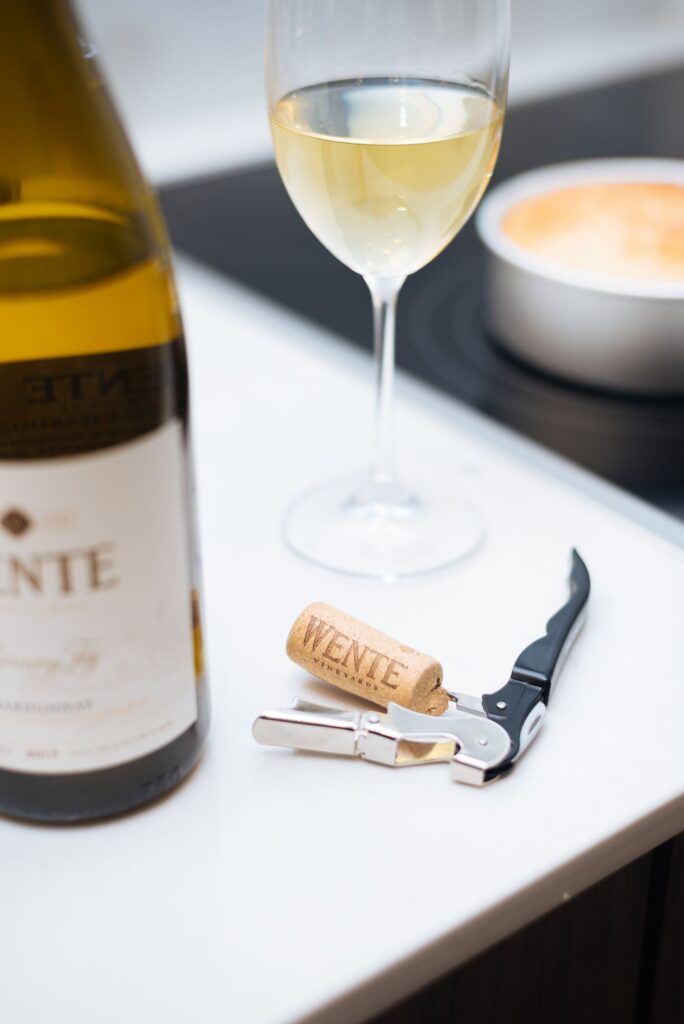
Wine glass and bottle beside a corkscrew on a table
Wine-service context with a different corkscrew; the reviewed OXO model is not pictured. Stock photo: Pexels.

Which option fits your routine?

Choice Choose it for Tradeoff
OXO waiterโ€™s corkscrew Compact storage and occasional manual opening Requires alignment and a coordinated lever action
Larger assisted opener An opening motion you find easier to control More drawer or counter space
Existing working opener Best value when it already suits your hands No reason to upgrade solely for appearance

What the two levers actually add

OXO describes a non-stick screw, a retracting second lever, a folding foil cutter and a bottle opener built into the handle. The stainless-steel model is intended to remove a cork in two motions. Those are useful features in a small package, rather than evidence of effortless performance for every user.

The practical question is whether a two-stage lift suits your routine. You still need to position the screw and control the tool. We have not compared pulling force, tested different cork materials, or measured whether this model reduces broken corks against another opener.

Compact storage is its clearest buying argument

A waiterโ€™s style is attractive when a kitchen drawer is crowded or you open a bottle only occasionally. One folding tool can cover foil removal, cork extraction and crown-cap opening. Check which of those jobs you actually need before buying a separate accessory for each.

OXO lists the corkscrew at 5.25 inches long. Compare that with the space in your drawer and the opener you own. An attractive finish is a preference; the useful upgrade is a shape or motion that removes an actual annoyance.

Try the motion before buying for easier handling

A larger lever or assisted opener may be worth its extra space when you dislike centring a screw or managing a manual lift. That is a fit decision, not a promise that one category will suit every hand. If possible, handle the exact tool or buy with return terms that let you assess the fit.

Do not read a comfortable-grip description as an accessibility guarantee. We have not conducted grip-strength or mobility testing. If a current opener feels secure and predictable, changing to a smaller folding design may add a learning step without improving the experience.

The bottle matters as much as the accessory

Look at what you normally buy. A household that mainly opens screw-cap bottles has little reason to buy a corkscrew as a frequent-use upgrade. If you need a tool for a particular cork closure, verify the opener’s suitability rather than assuming every wine-bottle closure behaves the same way.

The integrated bottle opener can reduce duplication if you also serve capped beverages. It does not turn this into a universal jar opener or a replacement for every bar tool. Keep the comparison focused on closures you regularly encounter.

Care and the hidden cost of a drawer gadget

The folding cutter is a functional edge, so follow the supplied handling and storage instructions. Before cleaning, check the directions for the exact unit instead of assuming all stainless-looking accessories have the same dishwasher guidance. Keep moving joints clear of residue and store the tool as instructed.

We have not tested hinge wear, coating life or resistance to corrosion. A low purchase price is only part of value: a tool that is awkward enough to stay in the drawer is poor value even if its feature list looks complete.

Who should buyโ€”and our verdict

Buy the OXO if you want a compact manual corkscrew with a foil cutter and bottle opener together, and the two-stage motion appeals to you. Skip it if your present opener works well or your priority is avoiding manual alignment and leverage.

Our recommendation is to choose by handling first and storage second. The OXO is a reasonable small-tool option, not a necessary upgrade for every home bar. Compare the exact model and delivered cost in your country, then decide whether it solves a recurring job.

Buying in the United States or Canada

Use the country button that matches where you shop. Compare the exact model, included parts, seller, delivered cost and return terms; marketplace offers can differ between the two countries. Check regional manufacturer support before relying on a guarantee for an imported item. We do not quote fixed Amazon prices or promise delivery to every address.

Related guides on My Indoor Space

Sources and research

Manufacturer descriptions establish stated features and care, not independent proof of performance. Our value judgments consider the job, storage and cleanup. No personal testing, measured time savings or long-term durability is claimed.
Sliced boiled eggs on a white plate
Kitchen & Dining

Is the OXO Microwave Egg Cooker Worth It for Breakfast Sandwiches?

Disclosure: As an Amazon Associate, My Indoor Space earns from qualifying purchases.

Quick verdict

The OXO Microwave Egg Cooker is worth considering if you regularly want one egg or a small scrambled-egg portion shaped for a breakfast sandwich. Keep your usual pan or suitable microwave method if it already works. Buy for the container’s handling and removable base, not a guarantee that every microwave cooks breakfast in one minute.

Research-based buying guide. We have not tested these products hands-on. Specifications and care come from the linked manufacturer documentation; recommendations are our editorial judgment.

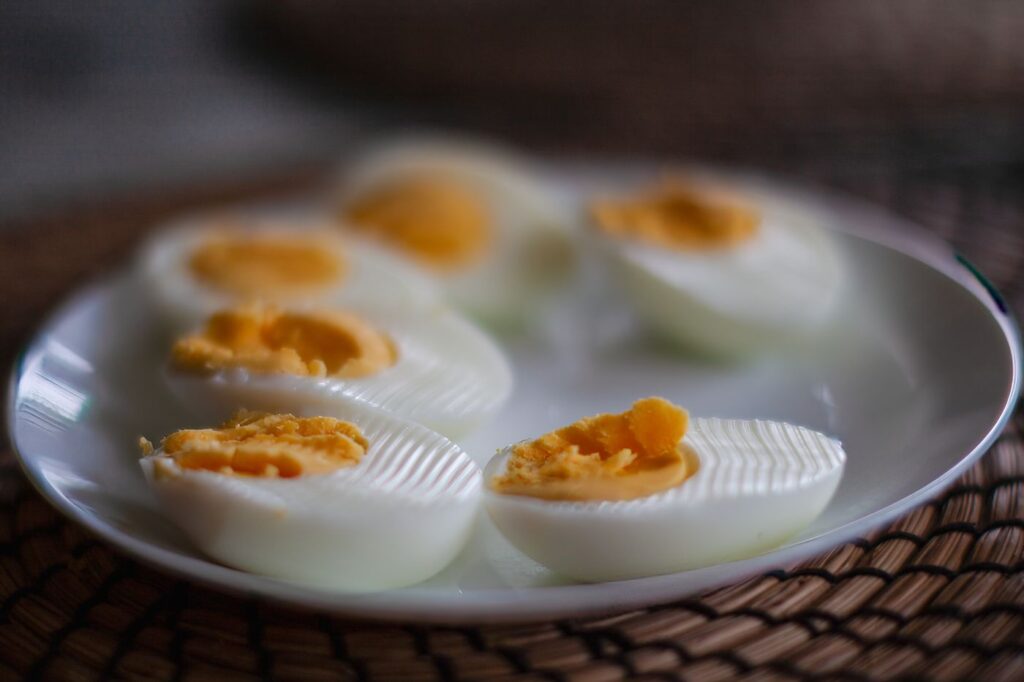
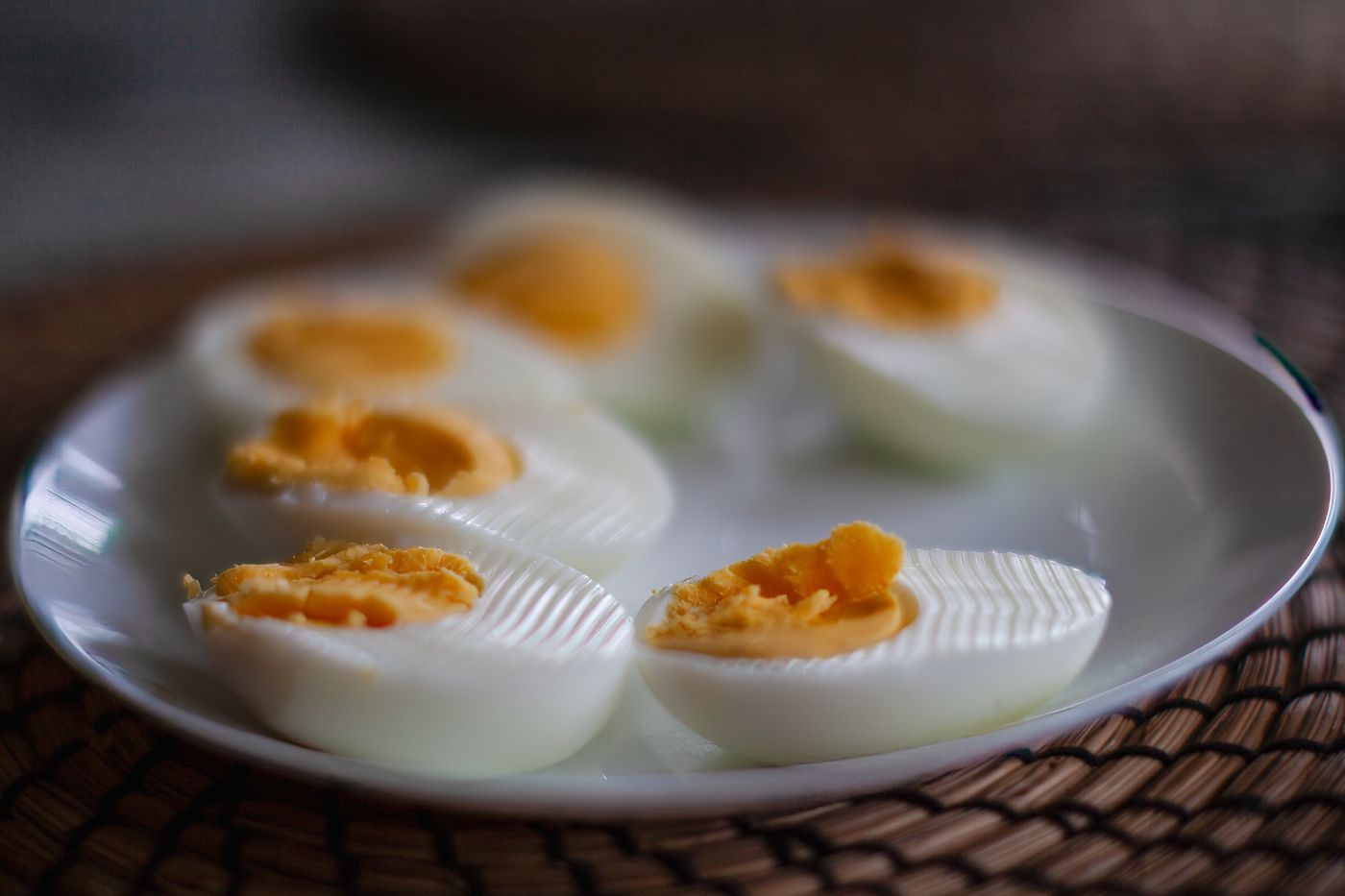
Sliced boiled eggs on a white plate
Egg-serving context; the pictured boiled eggs were not made in the OXO microwave cooker. Stock photo: Pexels.

Which option fits your routine?

Choice Choose it for Tradeoff
OXO microwave cooker A small egg portion and transfer to bread Several parts; timing depends on the microwave
Existing pan A familiar texture and broader cooking tasks Stovetop setup and pan cleanup
Existing suitable microwave method A routine that already works May not offer the removable serving base

What the cooker adds to the microwave

OXO describes a curved bottom, a wide opening for mixing scrambled eggs in the container, handles, a lid and a removable serving base. Its instructions describe one egg for the fried-style preparation and one or two eggs for scrambled preparation.

The useful difference from an ordinary container is how the cooked egg can be released and moved to bread or a plate. That can be convenient for a repeated sandwich breakfast. It does not establish that microwave texture will match a pan-fried egg or that every bread shape will be covered neatly.

The one-minute claim needs context

OXO’s instruction chart gives ranges, not one universal time. The booklet explicitly says microwaves differ and that its suggested times are approximate. Do not use the shortest marketing phrase as a complete cooking instruction.

Read the manual supplied with your unit and follow appropriate food-safety guidance for cooking eggs. Starting temperature, quantity and microwave behaviour can change the result. We have not measured cooking consistency, tested particular wattages, or established a setting for your appliance.

Match it to the breakfast you actually make

The strongest case is a recurring small sandwich or scrambled-egg routine. If you usually cook eggs alongside other food in an already-heated pan, another dedicated container may not save much work. Consider the whole breakfast, including cooking, transfer and washing.

If your priority is a specific browned edge or texture achieved in a pan, changing the vessel may not meet that preference. Buy the cooker because its microwave workflow appeals to you, rather than expecting it to turn the microwave into a stovetop frying surface.

It is a microwave product, not general bakeware

The manual states that this cooker is for microwave use and is not for the oven or stovetop. Do not infer a broader heat rating from its material or from a retailer calling it an egg-bite maker.

The supplied booklet describes how to seat the base, close the lid and separate the serving base. Follow that assembly sequence and the product’s handling directions. A removable base is convenient only when it is fitted correctly and used in the way the maker intends.

Cleaning and storage deserve a place in the comparison

OXO’s manual specifies top-rack dishwasher cleaning and explains how to remove and reattach the lid. Read those component instructions rather than relying only on a broad dishwasher-safe listing label. Check the base and lid areas for residue and let the parts dry.

The cooker is small compared with an appliance, but a pan or container you already use may be even simpler to keep track of. If you dislike separating several small pieces after breakfast, that can outweigh the serving-base convenience. We have not tested staining or repeated hinge wear.

Who should buyโ€”and our verdict

Buy the OXO for a regular one- or two-egg microwave routine when the dedicated shape and transfer base solve an annoyance. Skip it if you prefer your pan’s result, regularly make larger breakfasts, or already have an easy method with suitable equipment.

Our best-value recommendation is to keep a working existing routine first. This is a focused convenience purchase, not an essential breakfast appliance or a nutrition upgrade. Compare the exact model, delivered price and the cleaning you are willing to do before making room for it.

Buying in the United States or Canada

Use the country button that matches where you shop. Compare the exact model, included parts, seller, delivered cost and return terms; marketplace offers can differ between the two countries. Check regional manufacturer support before relying on a guarantee for an imported item. We do not quote fixed Amazon prices or promise delivery to every address.

Related guides on My Indoor Space

Sources and research

Manufacturer descriptions establish stated features and care, not independent proof of performance. Our value judgments consider the job, storage and cleanup. No personal testing, measured time savings or long-term durability is claimed.

Fresh vegetables and kitchen tools arranged on a countertop
Kitchen & Dining

Is the OXO Salad Chopper and Bowl Worth It for Everyday Salads?

Disclosure: As an Amazon Associate, My Indoor Space earns from qualifying purchases.

Quick verdict

Buy the OXO Salad Chopper and Bowl if you regularly want a chopped salad mixed and cut in one dedicated bowl. Keep your knife and cutting board for occasional salads or ingredients needing more deliberate cuts. This is a specialised bowl-and-blade system, not a replacement for washing produce or a general food processor.

Research-based buying guide. We have not tested these products hands-on. Specifications and care come from the linked manufacturer documentation; recommendations are our editorial judgment.

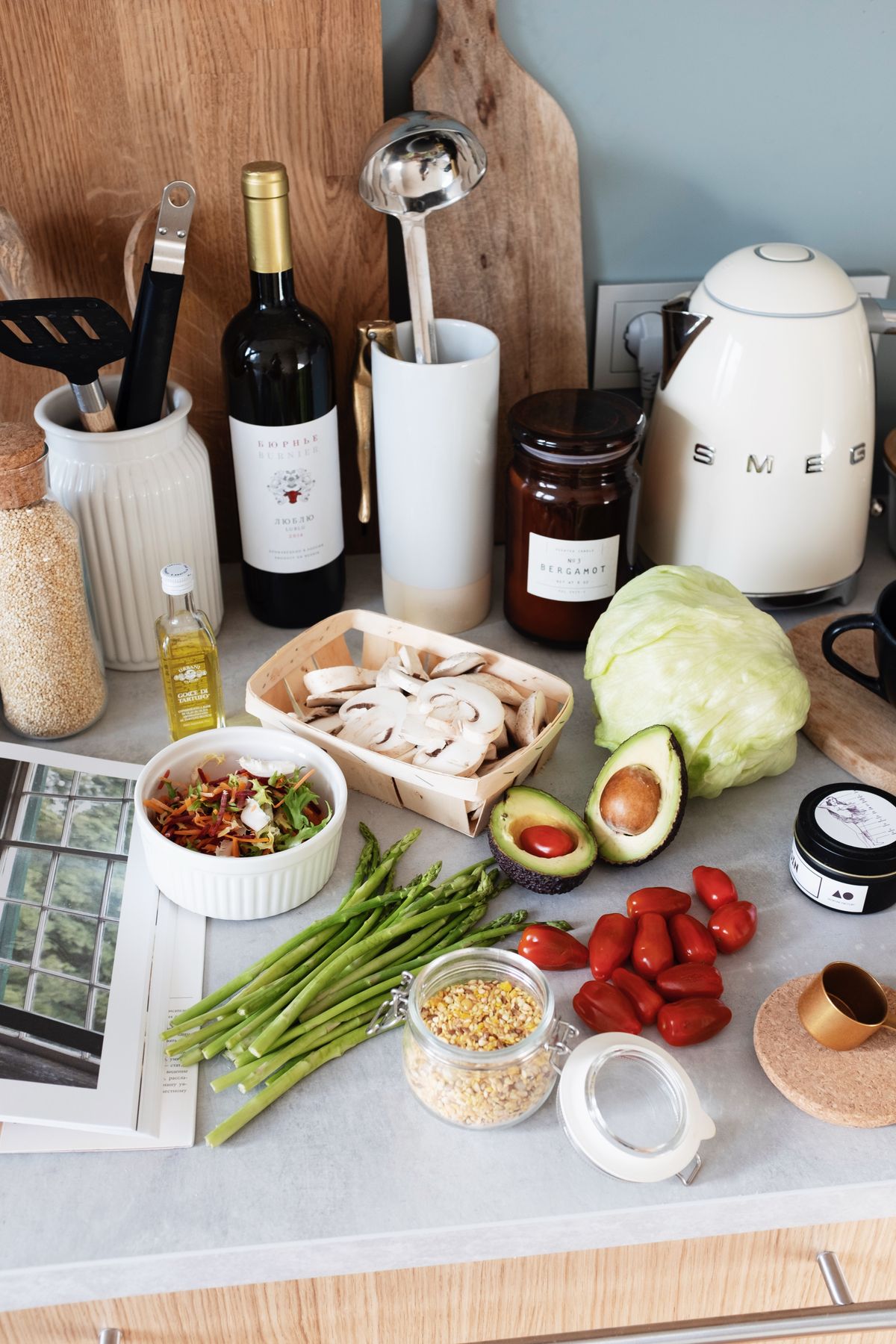
Fresh vegetables and kitchen tools arranged on a countertop
Vegetable-preparation context; the OXO chopper and bowl are not pictured. Stock photo: Pexels.

Which option fits your routine?

Choice Choose it for Tradeoff
OXO chopper and bowl Regular chopped salads in a dedicated vessel A large bowl and bladed tool to store
Knife and board Controlling individual cuts and varied prep Another transfer into the serving bowl
Existing salad bowl Serving or tossing already-prepared ingredients Not automatically safe as a chopping surface

What the matched bowl contributes

OXO describes two stainless steel blades under a non-slip handle and a bowl with a continuous curve that keeps contact with the blades. Its listed capacity is 5.5 quarts, with overall dimensions of 12.2 ร— 12.2 ร— 5.5 inches. The maker describes room for up to six servings.

The bowl shape is part of the tool’s design, not just a free serving dish. Do not assume you can achieve the same resultโ€”or avoid damaging another bowlโ€”by using the chopper in any container that happens to be nearby. Follow the intended system and its instructions.

Six servings is not a recipe measurement

Serving size varies with the ingredients and whether salad is a side or a main meal. A large labelled capacity does not tell you how much room remains to move the chopper through a full mixture. Think about the quantity you normally prepare and allow working space.

For a small single serving, washing and storing a large bowl can outweigh the convenience of chopping in it. For a recurring larger chopped salad, avoiding some back-and-forth transfers may be the part of the routine you value. We have not timed that workflow against a knife.

Texture and sequence still need judgment

A salad can contain leaves, firm vegetables and softer additions with very different textures. A repeated chopping action does not automatically give each ingredient the size you intended. Preparing some ingredients separately can still be the sensible approach.

If your main frustration is making uniform cubes or slices, a matched salad chopper is not a guarantee of precision. Choose a knife or another appropriate tool for the cut you want rather than assuming the phrase โ€œchopped saladโ€ describes every type of preparation.

It does not replace a salad spinner

The tool cuts ingredients; a spinner addresses draining washed greens. These are distinct jobs. If wet salad is the problem, adding a chopper will not solve it. Likewise, a spinner’s bowl is not automatically an approved cutting surface.

Health Canada’s produce guidance distinguishes sealed, ready-to-eat prewashed leafy greens from produce that needs washing. Follow appropriate preparation guidance for the ingredients you buy, and keep raw meat and its utensils separate from salad preparation. The chopper is not a food-cleaning device.

Storage and cleaning can decide the purchase

OXO lists dishwasher-safe care, but check that the bowl fits your machine and read the directions for the actual parts. Handle the blades carefully during washing and storage. A large bowl’s easy-to-wash claim is less useful if it cannot be turned comfortably in your sink.

Find a place for both components before buying. If the bowl must be stored far from your usual prep area, it may be used less than you expect. We have not tested blade life, surface marking or long-term performance; do not mistake the absence of a motor for an absence of maintenance.

Who should buyโ€”and our final verdict

Choose the OXO when chopped salads are a recurring meal and its particular bowl-and-chopper action is what you want. Skip it if you have little storage, usually prepare small salads, or need more precise ingredient-by-ingredient cuts.

For most occasional salad makers, the knife and board are the better first investment because they serve many other jobs. The OXO is a focused convenience upgrade for an established routine. It should earn its place through repeated use, not a promise that one gadget will change your eating habits.

Buying in the United States or Canada

Use the country button that matches where you shop. Compare the exact model, included parts, seller, delivered cost and return terms; marketplace offers can differ between the two countries. Check regional manufacturer support before relying on a guarantee for an imported item. We do not quote fixed Amazon prices or promise delivery to every address.

Related guides on My Indoor Space

Sources and research

Manufacturer descriptions establish stated features and care, not independent proof of performance. Our value judgments consider the job, storage and cleanup. No personal testing, measured time savings or long-term durability is claimed.
Kitchen knives and peelers on a wooden board
Kitchen & Dining

Is the Large OXO Carving and Cutting Board Too Big for Your Kitchen?

Disclosure: As an Amazon Associate, My Indoor Space earns from qualifying purchases.

Quick verdict

The large OXO Carving and Cutting Board makes sense when your usual food genuinely needs more working room and you can wash and store it comfortably. For a small counter and everyday light prep, a smaller board is often better value. Check the washing space before buying the impressive cutting surface.

Research-based buying guide. We have not tested these products hands-on. Specifications and care come from the linked manufacturer documentation; recommendations are our editorial judgment.

Kitchen knives and peelers on a wooden board
Cutting-board context; the large OXO board is not pictured. Stock photo: Pexels.

Which option fits your routine?

Choice Choose it for Tradeoff
Large carving board Larger cuts and room to work Needs suitable counter, washing and storage space
Smaller everyday board Quick prep on a compact counter Less room for larger food
Separate boards for different foods A workable food-separation routine Extra items still need cleaning and storage

What the large board actually adds

OXO identifies this polypropylene board as SKU 11272900 and lists it at approximately 21.1 ร— 14.5 inches. It has two working sides, a juice-catching groove with pouring corners, tapered edges for handling, and non-slip feet. The maker lists dishwasher-safe care.

Some retailer titles use slightly different dimensions. Check the current exact offer if clearance is tight. A few tenths of an inch can matter in a cupboard slot or dishwasher rack; do not buy solely on the word โ€œlarge.โ€

Measure three places before ordering

First, measure the usable counter area where the board would sit flat. Leave space for the food, your hands and a bowl or tray. A board that fits only by bridging an unsuitable surface is not a good everyday working arrangement.

Second, consider the sink and washing method. Can you turn, rinse and handle the board without knocking nearby items? Third, check storage and the dishwasher’s actual rack clearance if you intend to machine-wash it. The manufacturer’s dishwasher-safe label does not mean it physically fits every machine.

A juice groove is useful for a particular mess

The grooved side has a clear role when liquid running off the food is the issue. The other face offers a different working surface. Choose that feature because of the foods you prepare, rather than treating a groove as an automatic upgrade for every slicing job.

A groove occupies edge space and can collect residue. It also does not give unlimited spill capacity. Plan how you will transfer the food and empty liquid, and follow the supplied care directions instead of letting a large board become a reason to postpone cleanup.

Two sides do not replace food separation

Health Canada recommends a separate board for raw meat, poultry, fish and seafood from the board used for produce or ready-to-eat foods. Simply flipping a used board is not a substitute for that separation and proper cleaning.

The maker’s description of one side for meat and another for produce describes the board’s design, not permission to switch between those foods without a safe routine. Material, non-porous construction and a premium brand do not eliminate the need to clean food-contact surfaces appropriately.

When a smaller board is the better upgrade

If you regularly move a board out of the way just to find another patch of counter, a bigger one can make the workflow worse. A smaller everyday board plus an existing larger option for occasional jobs may be more convenient than using a large carving board for everything.

Likewise, if the large board will be used for a single annual meal and is awkward to wash, compare its full storage cost with keeping your present setup. We have not measured scratch resistance, staining, knife-edge effects or the performance of the non-slip feet under every condition.

Who should buyโ€”and our verdict

Buy the large OXO when frequent larger prep or carving jobs exceed the room on your current board, and all three fit checks pass. Skip it if the bigger surface creates washing or storage difficulties, or if a smaller board already handles your normal meals safely and comfortably.

Our recommendation is to buy working room you can maintain, not the largest board available. The OXO’s groove and handling edges can be useful, but the best-value choice for a compact kitchen is often a smaller board that comes out easily and gets cleaned promptly.

Buying in the United States or Canada

Use the country button that matches where you shop. Compare the exact model, included parts, seller, delivered cost and return terms; marketplace offers can differ between the two countries. Check regional manufacturer support before relying on a guarantee for an imported item. We do not quote fixed Amazon prices or promise delivery to every address.

Related guides on My Indoor Space

Sources and research

Manufacturer descriptions establish stated features and care, not independent proof of performance. Our value judgments consider the job, storage and cleanup. No personal testing, measured time savings or long-term durability is claimed.
Person cutting rosemary with scissors
Kitchen & Dining

OXO GreenSaver Herb Keeper Small vs Large: Which Size Is Worth It?

Disclosure: As an Amazon Associate, My Indoor Space earns from qualifying purchases.

Quick verdict

Choose the Small GreenSaver if you buy modest herb bunches and want to use less refrigerator space. Choose the Large for longer stems or a bunch that would crowd the smaller basket. Skip both if your existing herb-storage routine works and you use the herbs promptly; this is a storage-format purchase, not a guaranteed number of extra fresh days.

Research-based buying guide. We have not tested these products hands-on. Specifications and care come from the linked manufacturer documentation; recommendations are our editorial judgment.

Person cutting rosemary with scissors
Fresh-herb preparation context; the OXO herb keepers are not pictured. Stock photo: Pexels.

Which option fits your routine?

Choice Choose it for Tradeoff
Small Shorter stems and modest bunches Less usable room around leaves
Large Longer stems and bulkier bunches More shelf or door-bin space
Existing suitable storage Herbs you already keep and use successfully May lack a removable basket

Both sizes use the same basic idea

OXO describes a basket that supports herbs away from the outer container walls, handles for removal, and a hinged opening for access. The design combines airflow, controlled humidity and water in the base. Small and Large are two sizes of this herb-storage format, not different powered preservation systems.

That matters when comparing prices: a higher price for the larger keeper mainly buys room. It does not establish a longer shelf life, stronger performance or less need to check the contents. We have not run a controlled freshness comparison between the sizes.

Compare the physical size with your actual bunch

OXO lists the Small at 3.8 ร— 5.6 ร— 7.2 inches and the Large at 4.85 ร— 6.5 ร— 9 inches. These are overall dimensions, not guaranteed internal clearance for stems and leaves. The basket and lid occupy some of the space.

Look at the herbs you usually buy before choosing. A small wrapped supermarket portion and a long, leafy bunch need different arrangements. Leave enough room to load and remove the herbs without forcing them into a compressed shape simply to make the container close.

Fridge-door fit is a measurement, not a feature badge

OXO says the shape fits many refrigerator doors, but door bins differ in depth, lip height and spacing. Measure the narrowest usable area and the clearance above it. Also check that closing the door will not make the container strike a shelf inside.

A quick cardboard footprint can help you picture the space before spending. If the larger keeper displaces everyday drinks or must lie in an awkward position, a smaller container or an existing storage method may be easier to use. A tidy-looking product should not make the rest of the fridge harder to access.

The container still needs a routine

Follow the supplied directions for the base water, basket and cleaning. Inspect the contents regularly and use herb-appropriate storage guidance rather than assuming one arrangement suits every variety or every starting condition.

A keeper cannot restore already deteriorating herbs or compensate for buying much more than you use. If waste is the concern, start by noting which bunches you actually finish. Changing purchase quantity or planning another meal can be a more useful first step than buying a larger box.

Do not buy carbon filters automatically

The GreenSaver family contains other produce-storage products and filter accessories. A matching family name is not proof that a particular filter is required for these herb keepers. Buy only accessories specified for the exact model you receive.

Likewise, regional listings may use Small/Large, quarts or litres in their titles. Confirm the model numbers and physical dimensions: OXO identifies these herb-keeper sizes as 11212200 and 11212300. Do not substitute the capacity of a different GreenSaver produce container.

Who should buyโ€”and our verdict

Buy Small when it fits the usual bunch without crowding and saves meaningful fridge space. Upgrade to Large when the extra stem and leaf room solves a recurring fit problem. Skip both if a working existing method already keeps the herbs accessible until you use them.

Our recommendation is to choose the smallest size that comfortably fits the herbs you actually buy. Do not pay for spare capacity or an unsupported shelf-life promise. The useful improvement is easier storage and access; the amount of food waste avoided depends on your routine.

Buying in the United States or Canada

Use the country button that matches where you shop. Compare the exact model, included parts, seller, delivered cost and return terms; marketplace offers can differ between the two countries. Check regional manufacturer support before relying on a guarantee for an imported item. We do not quote fixed Amazon prices or promise delivery to every address.

Related guides on My Indoor Space

Sources and research

Manufacturer descriptions establish stated features and care, not independent proof of performance. Our value judgments consider the job, storage and cleanup. No personal testing, measured time savings or long-term durability is claimed.
Vanilla ice cream served in a glass bowl
Kitchen & Dining

Ice Cream Scoop vs Spade: Which OXO Tool Fits Your Dessert?

Disclosure: As an Amazon Associate, My Indoor Space earns from qualifying purchases.

Quick verdict

Choose OXO’s stainless steel scoop for ordinary bowl servings and access into container corners. Choose the spade for spreading, packing pints or lifting broad servings. Most homes need one design, not both; keep a working scoop unless the different shape solves a real serving problem.

Research-based buying guide. We have not tested these products hands-on. Specifications and care come from the linked manufacturer documentation; recommendations are our editorial judgment.

Vanilla ice cream served in a glass bowl
Ice-cream serving context; neither OXO tool is pictured. Stock photo: Pexels.

Which option fits your routine?

Choice Choose it for Tradeoff
Pointed scoop Everyday bowl servings and container corners A different working shape from a broad paddle
Wide spade Packing pints or moving broad servings Not a fixed-size portioning device
Existing serving tool A texture and container it already handles May be awkward for the job you now need

The shape is the meaningful difference

OXO describes its solid stainless steel scoop with a pointed working shape, flat edges and a non-slip grip. The spade has a broad stainless steel head and is described for larger servings and packing pints. Both manufacturer descriptions list dishwasher-safe care.

This is not simply a choice between two handles. A curved scoop and a broad paddle engage the food differently. Decide whether you are trying to lift a typical serving into a bowl, reach a corner, spread a layer, or fill another container; the task often identifies the useful shape before price enters the decision.

When the scoop is the better first purchase

For a normal household serving from a tub into a bowl, the scoop is the more straightforward starting point. Its pointed shape and flat edges are the features OXO highlights for engaging the ice cream and reaching the container’s corners.

That is a design-based recommendation, not an independent test of how much force it requires. We have not measured scoop shape, portion weight, effort or performance across freezer temperatures. Do not buy a new tool expecting it to make every exceptionally firm dessert effortless.

When a spade does a different job

A spade makes more sense when you want to move a broad amount, pack ice cream into pints, or spread rather than create a neat individual mound. Think of it as a paddle-like serving option. That can be useful for a specific dessert routine without being an upgrade for every bowl of ice cream.

Its broad head also needs room inside the container. Check the opening and depth of the tubs you use. A larger working surface is less helpful if it cannot move comfortably in a narrow container or clear the rim without awkward handling.

Neither tool automatically measures portions

Neither product is presented here as a calibrated fixed-volume portioning scoop. If you need repeatable recipe quantities, use an appropriate measuring method instead of assuming the amount on the tool is a standard serving.

Also distinguish these solid tools from OXO’s separate release-mechanism scoops. A photograph of a scoop with a trigger or sweeper is not the same design as the linked solid stainless steel model. Match the head and release mechanism when comparing offers under the OXO name.

Cleaning and drawer space

Follow each tool’s supplied care directions, including its stated dishwasher-safe use. Inspect the join between the working head and grip and let the tool dry before storage. The absence of a release mechanism removes that particular moving assembly, but it does not establish a measured lifetime advantage.

Consider whether a broad spade fits your utensil divider and whether its edges will be easy to reach safely. A specialist tool earns drawer space by doing a job your existing utensil handles poorly. If both would mostly perform the same occasional bowl-serving task, buying two creates overlap.

Who should buy eachโ€”and our verdict

Buy the scoop as the more versatile first choice for ordinary home servings. Buy the spade when packing or spreading is the missing job. Skip both if your present utensil handles your usual dessert comfortably and there is no specific shape problem to solve.

The best value is the working tool you already own. When starting from nothing, we favour the scoop for everyday bowls and the spade for its distinct packing role. There is no need to buy the broader tool merely because it looks heavier or more professional.

Buying in the United States or Canada

Use the country button that matches where you shop. Compare the exact model, included parts, seller, delivered cost and return terms; marketplace offers can differ between the two countries. Check regional manufacturer support before relying on a guarantee for an imported item. We do not quote fixed Amazon prices or promise delivery to every address.

Related guides on My Indoor Space

Sources and research

Manufacturer descriptions establish stated features and care, not independent proof of performance. Our value judgments consider the job, storage and cleanup. No personal testing, measured time savings or long-term durability is claimed.
Ice molds with cubes containing small flowers
Kitchen & Dining

Is the OXO Steel Cocktail Shaker Worth It for a Home Bar?

Disclosure: As an Amazon Associate, My Indoor Space earns from qualifying purchases.

Quick verdict

OXO’s single-wall steel shaker is worth considering if you want a shaker with a built-in strainer, measuring cap and silicone seals in one package. Skip it if your existing shaker opens, seals and pours well. Before buying, resolve the capacity and cap markings for the exact regional offer instead of relying on the word โ€œsteel.โ€

Research-based buying guide. We have not tested these products hands-on. Specifications and care come from the linked manufacturer documentation; recommendations are our editorial judgment.

Ice molds with cubes containing small flowers
Ice-preparation context; the OXO cocktail shaker is not pictured. Stock photo: Pexels.

Which option fits your routine?

Choice Choose it for Tradeoff
OXO single-wall shaker An integrated cap, strainer and seals Several contact surfaces and gaskets to clean
Existing reliable shaker The same drinks without another purchase May lack a feature you specifically want
A larger verified model Recipes genuinely needing more working capacity More storage and a different handling feel

What the current design includes

OXO describes a stainless steel single-wall body, two silicone gaskets, a built-in strainer and a cap with measurement markings. Its product page gives SKU 3117300 and overall dimensions of 3.5 ร— 3.5 ร— 9.5 inches. The manufacturer labels it dishwasher safe.

Those features explain the appeal for a small home setup: fewer separate tools are needed to perform some measuring and straining jobs. They do not make a separate jigger unnecessary for every recipe, nor do they establish that the built-in holes give the texture of a fine-mesh strainer.

Resolve the capacity before comparing offers

The OXO manufacturer page lists an 18-ounce capacity, while some retailer descriptions of the product family use different capacity figures. Do not assume that similar-looking regional listings are interchangeable simply because the photographs show a steel shaker.

If capacity is the deciding factor, ask the seller to confirm the exact model and usable capacity before ordering. Plan room for the recipe, ice and movement rather than treating a brim-full volume as a practical shake size. We do not use the conflicting figures to promise how many drinks this model makes at once.

Single-wall construction is a handling choice

A single steel wall is different from an insulated double-wall vessel. Think about how the shaker will feel in your hand during use and whether that construction is what you want. We have not measured surface temperature, cooling speed or condensation on this product.

Paying more for a polished finish or integrated parts does not automatically improve the drink. The useful upgrade is a combination of handling and features you will actually use. If the current shaker in your cupboard already serves the same recipe comfortably, keeping it is usually the better-value choice.

Seals help, but handling still matters

OXO markets its two silicone gaskets as a leak-prevention feature and the design as easy to release. Treat those as manufacturer claims, not our independent leak-test results. Check that the parts are assembled as directed and that the sealing areas are clean before use.

A gasket also creates a component to inspect and maintain. Do not force parts that are misaligned or assume that a cap which looks attached is necessarily seated correctly. Follow the supplied directions and the allowed use for the exact model.

Check the cap and strainer against your recipes

Regional offers can describe the measuring cap in different units. Look closely at the actual markings and compare them with your favourite recipes. If the cap does not cover a quantity, use a suitable separate measure rather than improvising an amount from the fill height.

The built-in strainer can simplify pouring, but a recipe calling for fine straining may still need another tool. Buy according to the result and workflow you want; an all-in-one description does not mean every preparation step disappears.

Who should buyโ€”and our final verdict

Buy the OXO if you need a first shaker and specifically want the integrated strainer, cap and gasket arrangement. Skip it if you rarely make shaken drinks, already own a reliable shaker, or cannot confirm that the offer matches the capacity and unit markings you need.

Our recommendation is to start with one or two drinks you actually enjoy preparing, including alcohol-free recipes if that is your preference. Purchase only the equipment those recipes require. This OXO can be a sensible compact system; a whole matching bar set is not needed to justify it.

Buying in the United States or Canada

Use the country button that matches where you shop. Compare the exact model, included parts, seller, delivered cost and return terms; marketplace offers can differ between the two countries. Check regional manufacturer support before relying on a guarantee for an imported item. We do not quote fixed Amazon prices or promise delivery to every address.

Related guides on My Indoor Space

Sources and research

Manufacturer descriptions establish stated features and care, not independent proof of performance. Our value judgments consider the job, storage and cleanup. No personal testing, measured time savings or long-term durability is claimed.

Scroll to Top