
Kitchen & Dining

Practical ideas and products for cooking, dining and everyday kitchen life.

Fruit pie on a plate
Kitchen & Dining

Glass vs Metal Pie Pan: Which Is Worth Buying for Home Baking?

Disclosure: As an Amazon Associate, My Indoor Space earns from qualifying purchases through links in this article, at no extra cost to you.

Quick verdict

Choose metal when efficient heat transfer and bottom-crust browning are the priority. Choose glass when seeing the crust through the dish matters more. Keep a working pan if your recipes already turn out as you like.

Research-based buying guide. Information checked October 16, 2026 (Winnipeg). We have not tested these products hands-on; source findings and our buying judgments are identified separately.

Pyrex 9-inch glass pie plate

Nordic Ware aluminum pie pan

Fruit pie on a plate
Pie-serving context; the photograph does not compare baking-pan performance. Stock photo: Pexels.

A glass or metal pie pan is a useful purchase only when it fits the recipes you make. Material affects heat transfer, but diameter, depth and technique still matter. Start with the pie you want to bake rather than assuming one material wins every comparison.

Compare the practical tradeoffs

Buying question Glass Metal
See the bottom crust? Yes, through clear glass No, through an opaque base
Heat behavior Slower to heat; retains heat Conducts heat more efficiently
Example to compare Pyrex 9-inch plate Nordic Ware Naturals 9-inch pan

What the baking trial actually showed

King Arthur’s own pumpkin-pie trial found the metal pan gave the most even bottom browning. Its glass-baked crust browned too, with more variation between center and edge. The company also noted that all the tested pies turned out well. This is attributed testing, not a trial conducted by My Indoor Space.

That supports metal as our starting choice for a baker specifically trying to improve bottom-crust consistency. It does not establish a guaranteed outcome with another filling, crust, oven or pan. Replacing a perfectly satisfactory glass dish solely because of that trial is unnecessary.

Why glass can still be the right buy

Glass lets you inspect crust color through the side and bottom. That feedback can be useful while learning a recipe. Pyrex’s nine-inch plate is one straightforward example, but confirm the exact listing: a deeper or nine-and-a-half-inch variant changes more than the material.

Follow Pyrex’s complete glass-use instructions, including a fully preheated oven and avoiding sudden temperature changes. Its glass bakeware is not a stovetop or broiler pan. Do not transfer a technique involving direct contact with a preheated baking steel to glass without explicit manufacturer approval.

Measure the recipe fit first

Compare inside diameter, usable depth and rim shape. Two nominally nine-inch plates can hold different amounts of filling. A deep dish may make an otherwise familiar recipe look underfilled, while a shallow replacement can leave you with excess filling.

Also consider serving. A dish that travels to a family meal needs to fit the carrier you already have. If the purchase forces you to replace both the plate and its carrier, include both costs when judging the upgrade.

Who should buy or skip?

Choose the aluminum option for a deliberate baking-performance experiment; choose glass for visibility and a serving style you prefer. Check each model’s cleaning instructions rather than assuming all pie pans tolerate the same dishwasher routine.

Skip a replacement when your present pan fits, remains in good condition and produces the pies you want. If you bake only occasionally, learning one reliable recipe in the existing dish may be better value than building a collection of different materials.

Compare listings in your country

These buttons open matching Amazon search results, rather than a guaranteed in-stock offer. Confirm the exact model, seller, included parts, delivered price and return terms. Prices and availability can differ between the United States and Canada.

Pyrex 9-inch glass pie plate

Nordic Ware aluminum pie pan

Related guides on My Indoor Space

Sources and research

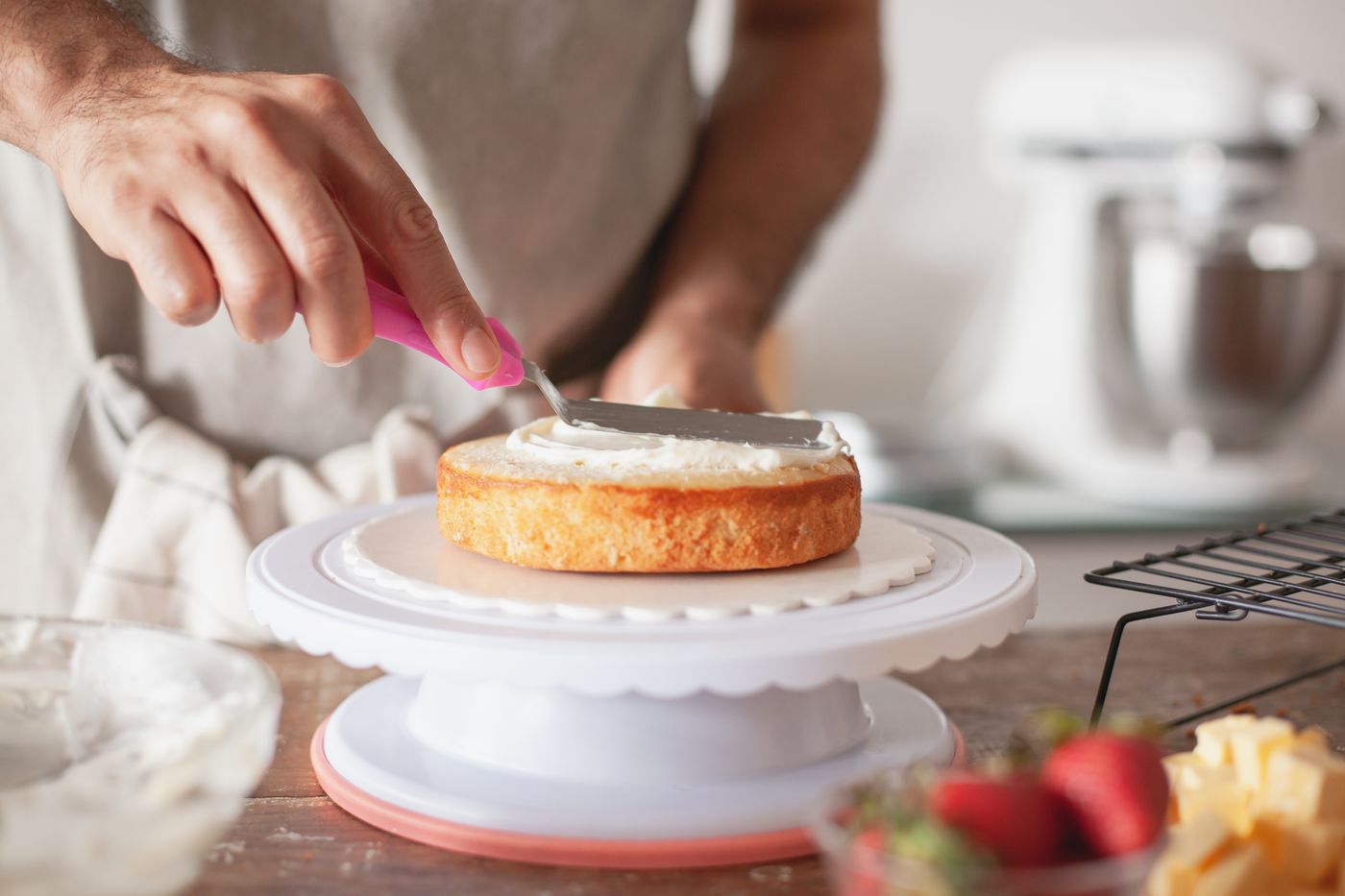
Person spreading frosting on a cake
Kitchen & Dining

Offset vs Straight Icing Spatula: Which Cake Tool Comes First?

Disclosure: As an Amazon Associate, My Indoor Space earns from qualifying purchases through links in this article, at no extra cost to you.

Quick verdict

Start with a small offset spatula if keeping your knuckles above frosting is the main problem. Choose a straight spatula when that uninterrupted blade shape suits your smoothing technique. A basic spreader can remain enough for occasional informal decorating.

Research-based buying guide. Information checked October 16, 2026 (Winnipeg). We have not tested these products hands-on; source findings and our buying judgments are identified separately.

Wilton 9-inch offset spatula

Wilton 11-inch straight spatula

Person spreading frosting on a cake
Cake-decorating context; this is not a test of either Wilton spatula. Stock photo: Pexels.

The offset-versus-straight icing spatula decision is mostly about hand position and working room. An offset blade steps down from the handle. A straight version keeps a continuous line. Either can spread frosting, so choose the shape that fixes a real difficulty in your decorating routine.

Compare the two Wilton examples

Feature 9-inch angled 11-inch straight
Handle relationship Raised above working blade Aligned with blade
Construction listed Stainless blade, black handle Stainless blade, plastic handle
Cleaning Top-rack dishwasher-safe Top-rack dishwasher-safe

Why an offset spatula is a useful first purchase

Wilton specifically identifies finger clearance as a purpose of its angled design. That makes it a sensible first decorating tool when a regular table knife keeps dragging your fingers through the icing. The compact example can also suit filling between cake layers.

Think about your smallest regular task. A tool that works comfortably on cupcakes may be more useful than a long blade bought for a large celebration cake you make once a year. The offset bend helps with clearance; it does not automatically create a smooth finish without practice.

When the straight blade makes sense

Wilton describes its straight model as a tool for gliding over icing. Some bakers may prefer that direct relationship between the handle and blade when working along a cake’s side. Our recommendation is based on the geometry, rather than a measured performance advantage.

If you already have a straight spatula that feels comfortable, an offset one should solve a specific remaining problem before it becomes the next purchase. Conversely, owning an offset spatula does not create an automatic need for a matching straight version.

Do not confuse overall size with blade length

The product names use nine and eleven inches as the listed tool sizes. Do not interpret those names as confirmed usable blade lengths. Check the seller’s dimensional illustration if reaching across a particular cake is essential.

Also leave enough drawer space for the offset bend. It may sit higher than a flat tool. A protective storage arrangement should keep the blade from being forced against other utensils, particularly if you pack a small baking drawer tightly.

Buy one tool before a decorating set

Both cited pages allow top-rack dishwasher cleaning; Wilton also gives warm, soapy hand-washing guidance. Follow the instructions for the exact selected item. We have not tested blade flexibility, balance or long-term handle durability.

Buy the offset tool for hand clearance, or the straight tool for a preferred smoothing motion. Skip a set until you know which size or shape you are missing. For occasional rustic frosting, a spreader you already own may deliver the result you want without another purchase.

Compare listings in your country

These buttons open matching Amazon search results, rather than a guaranteed in-stock offer. Confirm the exact model, seller, included parts, delivered price and return terms. Prices and availability can differ between the United States and Canada.

Wilton 9-inch offset spatula

Wilton 11-inch straight spatula

Related guides on My Indoor Space

Sources and research

Baking ingredients being mixed in a bowl
Kitchen & Dining

Balloon Whisk vs Flat Whisk: Which Should You Buy First?

Disclosure: As an Amazon Associate, My Indoor Space earns from qualifying purchases through links in this article, at no extra cost to you.

Quick verdict

Buy a balloon whisk first for bowl-based mixing and whipping. Add a flat whisk if sauces in shallow pans are a frequent job. Keep your current whisk when it already reaches the vessels you use comfortably.

Research-based buying guide. Information checked October 16, 2026 (Winnipeg). We have not tested these products hands-on; source findings and our buying judgments are identified separately.

OXO balloon whisk

OXO flat whisk

Baking ingredients being mixed in a bowl
Whisking context; the photograph does not identify either OXO model. Stock photo: Pexels.

A balloon whisk and a flat whisk solve different access problems. The balloon spreads wires through a bowl, while a flat head brings its working wires closer to the bottom of a shallow pan. Buying both makes sense when you regularly need both movements.

The differences that matter

Decision OXO balloon OXO flat
Listed overall length 11 inches 10 inches
Head arrangement Rounded wire cage Flattened wires
First buying reason Mixing and whipping in bowls Stirring sauces against pan bottoms

When the balloon shape is enough

OXO identifies its stainless balloon design with whipping. Think about the depth of your mixing bowl and how much mixture you normally prepare. A full-size tool can be appropriate for pancake batter or a bowl of eggs, yet awkward inside a narrow cup.

Our buying judgment is to start with one whisk that fits your common bowl, rather than a large matching set. If you mainly stir a small dressing, the fork you already use may be enough. A whisk also does not replace the strength of a mixer for every thick dough.

When the flat design earns drawer space

OXO describes its flat whisk as a sauce-making tool that reaches pan bottoms. That is a useful reason to add it if you often work in a shallow saucepan and find the rounded head keeps the wires above the area you want to stir.

It is a specialty purchase, though. If your sauces are occasional and your existing spoon reaches the corners adequately, the extra shape may save little effort. Check the pan opening as well as the whisk’s overall length; a ten-inch handle measurement does not establish head clearance.

Match the wires to the cookware

Both cited stainless models are listed as dishwasher-safe. They have soft handles, but that feature does not determine whether bare metal wires suit your pan’s interior. Follow the cookware maker’s utensil instructions before using either against a coated surface.

OXO separately sells a silicone balloon whisk. Do not assume a search result with a similar black handle has the same wire covering or intended surface compatibility. Read the material description and inspect the selected variant.

Best value and who should skip

The OXO US pages checked listed US$13.99 for the balloon and US$11.99 for the flat whisk. These are manufacturer reference prices, not promised Amazon or Canadian offers. Compare delivered cost for the one shape you need before buying a bundle.

Choose the balloon as the general bowl tool; choose the flat as a targeted sauce upgrade. Skip a second whisk if your cooking rarely exposes a limitation in the first. We have not compared mixing speed, aeration or handle comfort hands-on.

Compare listings in your country

These buttons open matching Amazon search results, rather than a guaranteed in-stock offer. Confirm the exact model, seller, included parts, delivered price and return terms. Prices and availability can differ between the United States and Canada.

OXO balloon whisk

OXO flat whisk

Related guides on My Indoor Space

Sources and research

Water near a metal sink drain strainer
Kitchen & Dining

Sink Strainer vs Strainer-and-Stopper: Is a 2-in-1 Worth It?

Disclosure: As an Amazon Associate, My Indoor Space earns from qualifying purchases through links in this article, at no extra cost to you.

Quick verdict

Choose a basic strainer if you mainly want to catch food debris and already have a workable stopper. Pay for a combined model when filling the sink is a regular task and the product fits your drain. Neither design should be assumed to fit every sink from its outer diameter alone.

Research-based buying guide. Information checked October 16, 2026 (Winnipeg). We have not tested these products hands-on; source findings and our buying judgments are identified separately.

OXO basic silicone strainer

OXO 2-in-1 strainer/stopper

Water near a metal sink drain strainer
Illustrative sink photo; neither compared OXO product is identified. Photo: Pexels.

A strainer and stopper perform opposite parts of the sink routine: one allows draining while collecting debris, the other holds water. A combined tool can be convenient, but only if you need both functions and its shape works with the drain you already have.

Compare the two OXO examples

Question Basic silicone strainer 2-in-1 strainer/stopper
Main operation Catch debris while draining Strain or engage stopper by turning knob
Emptying Invert silicone basket Invert silicone basket
Listed outer size 4.4 × 4.4 × 1.6 inches 4.4 × 4.4 × 1.7 inches

When the simple strainer is enough

The basic OXO uses a center post for lifting and an invertible basket for emptying. It is listed as dishwasher-safe. That can suit a sink where the existing stopper already works and the only problem is collecting scraps before they reach the drain.

Check whether the post and basket interfere with any existing drain hardware. A product that rests over one opening may sit differently over another. Do not remove or alter a fitted drain assembly merely to match a small accessory purchase.

When the combined model earns its cost

OXO’s 2-in-1 uses a quarter-turn knob to engage the stopper. It retains an invertible silicone basket, so it combines the debris-catching and sink-filling jobs in one removable item.

That can be useful if you often misplace a separate stopper or regularly switch between draining and holding water. It adds less value if you never fill the basin. We have not tested sealing, drainage rate or how the mechanism behaves with every sink shape.

Understand the dimensions before ordering

The published 4.4-inch outer width is the size of the accessory, not a universal statement about the drain opening it fits. Compare the drain recess, seating area and existing mechanism with the maker’s fitting information. Check the seller’s return terms if compatibility remains uncertain.

Also distinguish product dimensions from packaged dimensions in a marketplace listing. A long card or tray-pack measurement may describe the retail packaging rather than the footprint inside your sink.

Best value and who should skip

The US OXO pages checked listed US$11.99 for the basic version and US$13.99 for the 2-in-1. That modest reference difference makes the extra function attractive when you use it, but current Canadian and Amazon prices may differ.

Choose the basic model for straightforward draining or the combined tool for a verified fit and repeated sink-filling routine. Keep a working strainer and stopper if both already do their jobs. A small upgrade is not good value if it creates a poorer fit or adds a mechanism you never need.

Compare listings in your country

These buttons open matching Amazon search results, rather than a guaranteed in-stock offer. Confirm the exact model, seller, included parts, delivered price and return terms. Prices and availability can differ between the United States and Canada.

OXO basic silicone strainer

OXO 2-in-1 strainer/stopper

Related guides on My Indoor Space

Sources and research

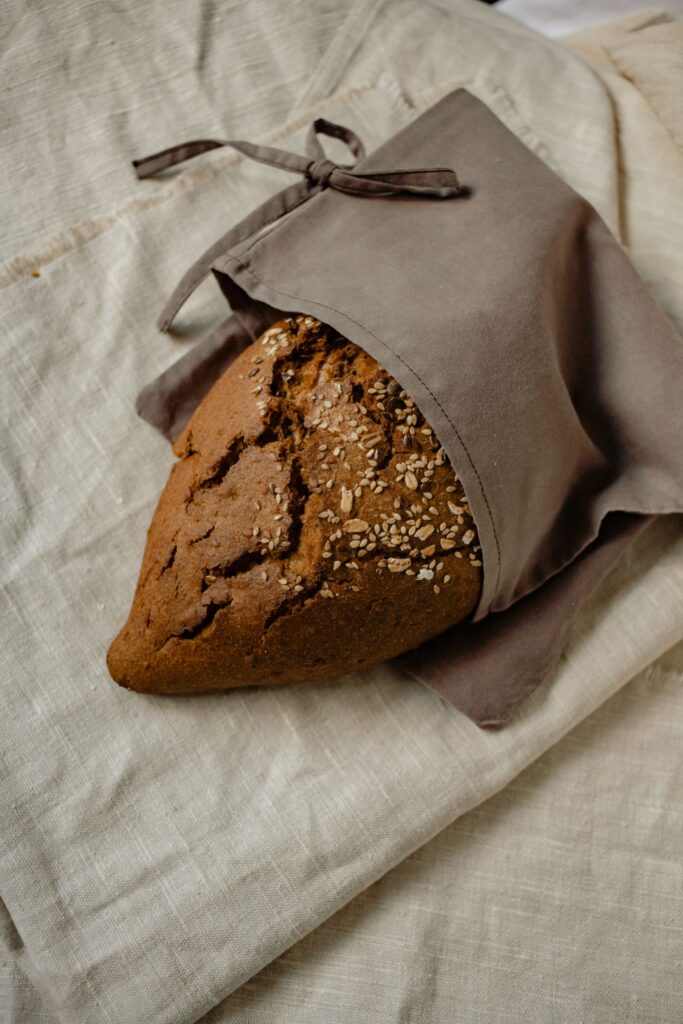
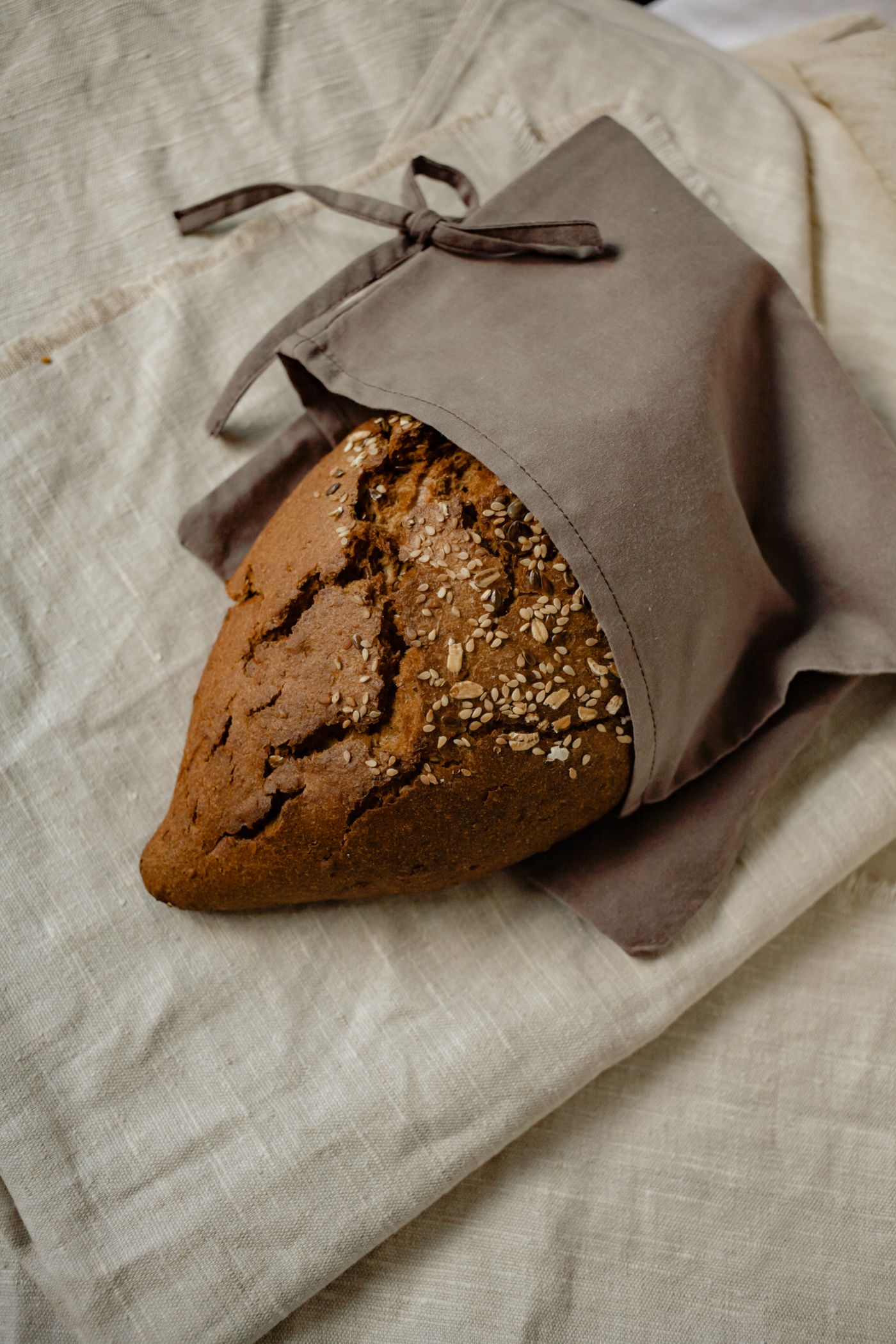
Bread resting in a fabric bag
Kitchen & Dining

Bread Box vs Bread Bag: Which Storage Is Worth Buying?

Disclosure: As an Amazon Associate, My Indoor Space earns from qualifying purchases through links in this article, at no extra cost to you.

Quick verdict

Choose a bread box when you want a dedicated, tidy place for bread on the counter. Choose suitable bags when flexible storage and lower space demands matter more. The type of bread and wrapping routine affect the result; a premium box is not a guarantee that every loaf stays fresh longer.

Research-based buying guide. Information checked October 16, 2026 (Winnipeg). We have not tested these products hands-on; source findings and our buying judgments are identified separately.

Brabantia roll-top bread bin

Lined reusable bread bags

Bread resting in a fabric bag
Illustrative bread storage; bag construction and freshness results are not established. Photo: Pexels.

A bread box organizes the counter; a bag wraps the bread. Those functions can be combined, so the decision is not always either/or. Identify your loaf, how quickly you use it and where it needs to live before paying for a dedicated container.

Separate appearance from storage method

Question Bread box Bread bag
Space Fixed footprint on counter or shelf Changes with loaf and folds when empty
Main feature Concealed dedicated storage Wrapping appropriate to the bread
Care Clean interior and mechanism as instructed Follow material and liner instructions

When the box earns its place

Brabantia’s regular roll-top model is described as holding up to two loaves, with a lid that rolls inside and a partially flat top. That layout can help when opening a hinged lid would conflict with a cupboard above.

Measure your actual loaves and counter rather than treating “two loaves” as a universal capacity. Large round bread, wrapped sliced bread and rolls occupy different shapes. Include room to retrieve the bread without moving a kettle or canister every time.

When a bag is enough

King Arthur’s published wrapping tests found that cloth alone retained less moisture than plastic or foil. Its separate sourdough guidance distinguishes crusty bread from soft bread. Those findings show why “breathable” should not automatically be treated as better for every loaf.

If you already use a suitable bag and finish bread comfortably within your routine, a premium box may mainly buy a tidier appearance. That can still be worth paying for, but it should be an honest reason rather than an untested freshness claim.

Check what reusable actually means

A plain cloth sack and a beeswax-lined bag are different products. King Arthur’s reusable example has a separate liner that is hand washed and a cotton outer bag with different care. Do not put the complete set through the same laundry process without checking.

Consider whether you will clean and dry the parts between loaves. A more involved maintenance routine can outweigh savings for someone who only needs a simple wrapper. We have not tested these storage products or measured how long bread remains acceptable in your kitchen.

Who should buy or skip?

Buy the box for dedicated concealed storage and useful lid clearance. Choose a suitable bag for flexible space and an appropriate wrapping method. Keep an existing working container if it already suits the bread. Follow the bread supplier’s storage guidance and consider suitable freezing when you cannot use a loaf promptly; no countertop purchase removes the effect of time and kitchen conditions.

Compare listings in your country

These buttons open matching Amazon search results, rather than a guaranteed in-stock offer. Confirm the exact model, seller, included parts, delivered price and return terms. Prices and availability can differ between the United States and Canada.

Brabantia roll-top bread bin

Lined reusable bread bags

Related guides on My Indoor Space

Sources and research

Tea infuser held above a mug
Kitchen & Dining

Tea Infuser Basket vs Tea Ball: Which Is Better for Your Mug?

Disclosure: As an Amazon Associate, My Indoor Space earns from qualifying purchases through links in this article, at no extra cost to you.

Quick verdict

Choose a basket when it fits your regular mug and you want a larger space for loose leaves plus a drip-resting lid. Choose a tea ball when its compact scoop-and-close routine suits the amount you brew. Keep an existing infuser if it holds the tea and cleans comfortably.

Research-based buying guide. Information checked October 16, 2026 (Winnipeg). We have not tested these products hands-on; source findings and our buying judgments are identified separately.

OXO tea infuser basket

OXO twisting tea ball

Tea infuser held above a mug
Illustrative tea brewing; neither OXO infuser is identified. Photo: Pexels.

A tea infuser has to fit the vessel as well as contain the leaves. The bigger item is not automatically better if it sits awkwardly in your mug, while a compact ball is less appealing when it is inconvenient to fill or empty. Buy for the cup and quantity you actually use.

Compare the working routine

Question OXO basket OXO twisting ball
Filling Open basket Scoop with opened ball, then twist closed
Resting after brewing Lid doubles as a drip tray Plan a separate resting spot
Fit to check Mug opening and basket depth Ball diameter, handle and mug depth

When the basket is worth buying

OXO’s basket combines stainless steel with silicone touchpoints and a dual-purpose lid. The lid can cover the mug during brewing and serve as a resting surface afterward. That can be useful when a wet infuser otherwise ends up on a saucer or directly on the counter.

Check both support across the rim and space below it. A mug may be wide enough at the top but shallow or tapered inside. Do not buy purely on a photograph showing a different cup shape.

When the tea ball is enough

The twisting ball opens for scooping and closes by turning the handle. OXO lists it at about 1.6 inches across and 7 inches long. It can suit a compact setup when the amount of tea and your mug work with that shape.

A long handle is useful only if it can sit in a practical position. Check that it does not crowd your grip on the mug or make the infuser awkward to store in a drawer. We have not tested leaf escape or how either product handles every fine-cut herbal blend.

Leaf space and cleanup are the value checks

Look at your normal quantity after the leaves become wet. Avoid packing a small infuser tightly just because the dry tea fits. Follow the tea supplier’s instructions for quantity, water and time rather than expecting the infuser to correct an unsuitable brewing method.

Both cited OXO products are identified as dishwasher-safe, but the shape changes how you empty them first. Think through removing wet leaves and reaching the surfaces that retain residue. A removable lid is another piece to keep track of.

Who should buy or skip?

Buy the basket for its larger open format and built-in drip resting arrangement. Choose the ball for a smaller scoop-and-close tool when it suits your servings. Skip a premium replacement if an existing infuser already fits, contains the tea and cleans easily. You do not need a whole set of tea accessories to make this one decision.

Compare listings in your country

These buttons open matching Amazon search results, rather than a guaranteed in-stock offer. Confirm the exact model, seller, included parts, delivered price and return terms. Prices and availability can differ between the United States and Canada.

OXO tea infuser basket

OXO twisting tea ball

Related guides on My Indoor Space

Sources and research

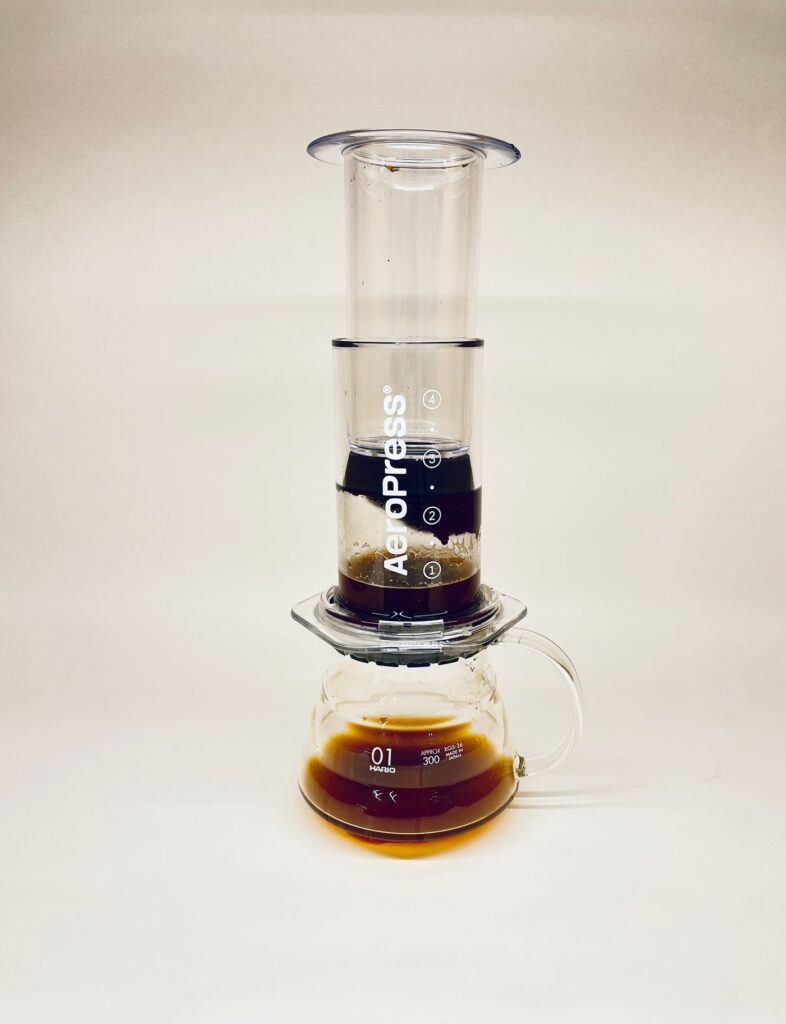
AeroPress coffee maker above a glass serving vessel
Kitchen & Dining

AeroPress Metal vs Paper Filter: Is the Reusable Upgrade Worth It?

Disclosure: As an Amazon Associate, My Indoor Space earns from qualifying purchases through links in this article, at no extra cost to you.

Quick verdict

Keep paper when you like its cup profile and simple disposal. Choose the correct-size metal filter when you want a reusable part and prefer the fuller-bodied style the manufacturer describes. Compatibility comes first: Standard and XL filters are different sizes.

Research-based buying guide. Information checked October 16, 2026 (Winnipeg). We have not tested these products hands-on; source findings and our buying judgments are identified separately.

AeroPress Standard paper filters

AeroPress Standard steel filter

AeroPress coffee maker above a glass serving vessel
Illustrative brewing setup; filter type and exact brewer version are not established. Photo: Pexels.

A reusable filter is an alternative brewing component, not a compulsory AeroPress upgrade. The useful decision combines the coffee you enjoy, the brewer you own and the cleanup you are prepared to do after each cup.

Compare like-sized filters

Question Paper micro-filter Stainless steel filter
Routine after brewing Handle used paper with the grounds Recover, wash and dry the filter
Manufacturer’s cup description Restricts more coffee oils Allows more oils through
Purchase check Standard or XL size Standard or XL size

When paper is enough

If you already enjoy the result, continuing with paper can be the best value. A supply of matching filters adds an ongoing purchase, but the routine may be simpler when brewing away from a convenient sink.

AeroPress describes paper as producing a smoother, grit-free profile compared with the oil-passing stainless option. That is the manufacturer’s comparison, not our taste test. We have not measured sediment, extraction or flavor differences between these filters.

When metal earns its place

The official stainless option uses 316 steel and is reusable. It can make sense when you want fewer disposable filters and are happy to rinse and store a small part. Top-rack dishwasher use is listed, but follow the product’s actual cleaning directions.

Include the recovery step in your routine. If you normally eject the grounds directly into a bin, remember that the metal disk must be retained. Reusability is less useful value if the part repeatedly gets discarded or sits unwashed between brews.

Check Standard versus XL before ordering

The current compatibility information separates Standard-sized brewers from the XL family. For example, Original, Clear and Go use Standard filters; XL needs its own size. Confirm the exact brewer and cap against the current compatibility list rather than assuming every round AeroPress filter fits.

The shopping buttons here target Standard filters. XL owners should select the XL product explicitly. A cheaper third-party disk may have a different mesh, fit or care requirement, so it should not inherit every claim made for the official filter.

Does reusable save money?

Compare the metal filter’s delivered cost with the paper cost per brew and your brewing frequency. Use your actual pack price and quantity; a reusable part does not pay for itself on the same schedule for a daily drinker and an occasional user.

Choose metal for its supported cup style and reusable routine. Keep paper if it already makes the coffee you like and costs little in your actual use. Buying another brewer or an elaborate accessory kit is unnecessary when the filter choice is the only feature you want to change.

Compare listings in your country

These buttons open matching Amazon search results, rather than a guaranteed in-stock offer. Confirm the exact model, seller, included parts, delivered price and return terms. Prices and availability can differ between the United States and Canada.

AeroPress Standard paper filters

AeroPress Standard steel filter

Related guides on My Indoor Space

Sources and research

Ice molds with cubes containing small flowers
Kitchen & Dining

OXO No-Spill vs Covered Silicone Ice Tray: Which Design Fits?

Disclosure: As an Amazon Associate, My Indoor Space earns from qualifying purchases through links in this article, at no extra cost to you.

Quick verdict

Choose No-Spill when the trip from sink to freezer and smaller everyday cubes are the main concern. Choose the covered large-cube silicone model when you want its six larger cubes and individual release. Compare freezer fit and cube format before paying for a premium tray.

Research-based buying guide. Information checked October 16, 2026 (Winnipeg). We have not tested these products hands-on; source findings and our buying judgments are identified separately.

OXO No-Spill ice tray

OXO large-cube silicone tray

Ice molds with cubes containing small flowers
Illustrative ice molds; no OXO tray or comparison is shown. Photo: Pexels.

These trays solve different problems. One emphasizes sealing water in during carrying and storage; the other emphasizes flexible molds for a particular large cube. Buying by the word “silicone” alone misses the differences in cube count and daily handling.

Compare the exact formats

Question No-Spill tray Covered silicone, large cube
Published output per tray 14 rounded quarter-ounce cubes 6 cubes, 1¾-inch square
Handling feature Sealing silicone lid and handle Flexible tray with support frame
Main decision Carry and storage routine Large cube format

When No-Spill is enough

OXO describes a silicone lid that seals water into the No-Spill tray, allowing stacking and angled storage. That can be useful when a crowded freezer or a longer walk makes an ordinary open tray inconvenient.

Follow the filling and sealing instructions. A useful lid still needs correct placement and cleaning. Check whether the seller offers one tray or the cited two-pack before comparing the total number of cubes you can prepare.

When large silicone cubes earn the upgrade

The referenced large-cube model makes six cubes in flexible silicone, with a frame supporting the tray during handling. Choose that version if larger cubes fit the glasses and drinks you regularly use.

Do not treat large cubes as ice that never melts or never dilutes a drink. We have not tested melting, freezing time or release. Decide whether the format is enjoyable and practical rather than accepting an absolute performance promise from a sales description.

Check size, count and freezer clearance

OXO also sells a covered silicone cocktail-cube version that produces many smaller cubes. Similar product photographs can hide a very different output. Match the full name and cube dimensions, not simply the brand and lid color.

Measure the usable flat shelf area, stacking height and the space needed to remove a tray without tilting other food. Then check whether six large cubes cover your usual need. A second inexpensive tray in the right format can be more useful than one premium tray with too few compartments.

Who should buy or skip?

Buy No-Spill for the sealed-carry workflow or the large silicone model for its cube format. Check the exact care directions: No-Spill specifies top-rack dishwasher use, while the cited large silicone tray is listed as dishwasher-safe. Keep working trays if they fit the freezer, release the amount you need and are easy to fill. Neither upgrade is essential just because you use ice daily.

Compare listings in your country

These buttons open matching Amazon search results, rather than a guaranteed in-stock offer. Confirm the exact model, seller, included parts, delivered price and return terms. Prices and availability can differ between the United States and Canada.

OXO No-Spill ice tray

OXO large-cube silicone tray

Related guides on My Indoor Space

Sources and research

Kitchen oven with a mitt hanging from the handle
Kitchen & Dining

Mini Oven Mitts vs Long Silicone Mitts: Which Coverage Fits?

Disclosure: As an Amazon Associate, My Indoor Space earns from qualifying purchases through links in this article, at no extra cost to you.

Quick verdict

Choose long mitts when coverage beyond the hand is useful for your cookware and oven access. Consider mini mitts for suitable tasks where the smaller shape is enough and gives you the control you want. The most useful purchase is a well-fitting pair with instructions that match the task, not simply the highest advertised temperature.

Research-based buying guide. Information checked October 16, 2026 (Winnipeg). We have not tested these products hands-on; source findings and our buying judgments are identified separately.

KitchenAid Asteroid mini mitts

KitchenAid long silicone mitts

Kitchen oven with a mitt hanging from the handle
Illustrative kitchen photo; no KitchenAid model or heat-protection test is shown. Photo: Pexels.

Size, flexibility and contact surface all matter when choosing a mitt. The two KitchenAid examples here differ in both length and construction. This is a comparison of complete products, not a test proving that every silicone mitt performs better than every cotton one.

Compare the published design

Question Asteroid mini pair Ribbed silicone pair
Listed dimensions per mitt 5.5 × 8 inches 7.5 × 13 inches
Construction emphasis Cotton with silicone grip printing Silicone surface, cotton cuff, polyester lining
Buying reason Compact shape Longer coverage and ribbed grip

When a smaller mitt is enough

KitchenAid’s Asteroid mini mitt uses cotton fabric with silicone grip details and is listed as machine washable. It can suit someone who prefers a smaller shape for tasks covered by the product’s instructions.

Check where the cuff ends on your own hand and wrist. The printed dimensions do not establish personal fit. If a mitt twists, crowds your fingers or leaves the area you want covered exposed, the bargain price is less relevant.

When the longer design earns its place

The ribbed silicone example adds substantial length and lists heat resistance up to 500°F. Its cotton cuff and polyester lining are part of the complete construction. Consider it when the extra reach and grip shape are features you will actually use.

A temperature statement is not a universal promise about how long you can hold an item. Follow the exact mitt’s instructions and limits, including how it must be kept and used. We have not performed heat-transfer or grip tests on either pair.

Match the grip to your cookware

Think about the handles you grasp: a broad baking-sheet edge, a short pot handle and a small lid knob ask for different movements. If possible, assess the fit with cool cookware before relying on a new mitt for the task.

Check whether both hands need protection and whether the offer contains one mitt or a pair. A low single-mitt price can make a comparison with a two-pack misleading. Longer is useful only if you retain enough control of the handles you use.

Care and replacement value

Read the care instructions for the chosen construction rather than washing a silicone-and-fabric product as though it were one solid material. Plan where the mitts will dry and hang between uses.

Choose mini mitts for a suitable compact fit or longer mitts for the coverage you need. Keep an existing pair if it remains sound, fits well and is appropriate for the task. Replace worn or damaged protection according to its instructions; buying several decorative sets does not add useful value if none fits properly.

Compare listings in your country

These buttons open matching Amazon search results, rather than a guaranteed in-stock offer. Confirm the exact model, seller, included parts, delivered price and return terms. Prices and availability can differ between the United States and Canada.

KitchenAid Asteroid mini mitts

KitchenAid long silicone mitts

Related guides on My Indoor Space

Sources and research

Chocolate chip cookies resting on a cooling rack
Kitchen & Dining

Stackable vs Oven-Safe Cooling Rack: Which Should You Buy?
Disclosure: As an Amazon Associate, My Indoor Space earns from qualifying purchases through links in this article, at no extra cost to you.

Quick verdict

Buy stacking racks when you need more countertop cooling area during multi-batch baking. Buy an explicitly oven-safe grid when you want a rack for cooking inside a matching pan. A steel rack or a familiar brand name does not by itself establish oven safety.

Research-based buying guide. Information checked October 16, 2026 (Winnipeg). We have not tested these products hands-on; source findings and our buying judgments are identified separately.

Nordic Ware stackable grids

Nordic Ware quarter-sheet oven grid

Chocolate chip cookies resting on a cooling rack
Illustrative cooling setup; no Nordic Ware model or oven rating is established. Photo: Pexels.

Cooling and cooking are separate permissions. Some racks can do both; others are intended only for the counter. The correct purchase starts with where you will use the rack, then the tray or counter space it needs to fit.

Read the exact product’s rating

Question Nordic Ware stacking set Nordic Ware quarter-sheet grid
Main purpose Countertop cooling in layers Oven use and cooling
Published use limit Not oven-safe Oven-safe to 425°F
Package concept Two grids and stacking legs Grid sized for a matching pan

When stacking earns its space

The cited set includes two rectangular grids and four snap-on legs. That can make sense when one batch is cooling as the next comes from the oven and the counter is already busy.

Check the assembled height beneath cupboards and leave room to move food onto each level. Stacking saves footprint, but it does not create unlimited access. If you only cool one small batch, an ordinary appropriately sized rack may be enough.

When an oven-safe grid is useful

The referenced quarter-sheet model is a different product, with an explicit 425°F rating and a fit intended for Nordic Ware’s quarter-sheet pan. It can suit a cook who wants the approved cooking role as well as a cooling surface.

Measure the inside of your own pan. Exterior labels such as “quarter sheet” do not prove that every rack sits securely inside every brand’s tray. Check whether the feet contact the flat base and whether the rack can be removed as instructed.

Material does not replace instructions

The stacking set uses metal wire but is expressly excluded from oven use. Its appearance should not override that direction. A photograph of a similar rack holding roasted food may be a different version with different parts or coating.

Both cited products call for hand washing rather than a dishwasher routine. Check the particular cleaning guidance, especially if you intend to cook on a grid and will have more residue to remove. We have not tested coating durability, stiffness or cleanup.

Who should buy or skip?

Buy the stackable design for repeated countertop batches. Choose an explicitly rated oven grid when cooking on the rack is the actual reason for shopping. Owning both can be useful, but they are not automatic substitutes for one another.

Skip a multi-rack set if a single sound rack already handles your baking. Also check current availability and the exact package: a seller’s “cooling rack” label alone is too vague to establish its temperature rating or included stacking pieces.

Compare listings in your country

These buttons open matching Amazon search results, rather than a guaranteed in-stock offer. Confirm the exact model, seller, included parts, delivered price and return terms. Prices and availability can differ between the United States and Canada.

Nordic Ware stackable grids

Nordic Ware quarter-sheet oven grid

Related guides on My Indoor Space

Sources and research

Scroll to Top