
Folded knitted sweaters with knitting needles
Laundry & Cleaning

Gleener vs Philips GC026: Manual or Electric Fabric Shaver?

Disclosure: As an Amazon Associate, My Indoor Space earns from qualifying purchases through links in this article, at no extra cost to you.

Quick verdict

Choose Gleener if you prefer battery-free manual work and will select the appropriate fabric edge. Choose Philips GC026 if you prefer a powered cutting head and accept batteries and cleaning. Neither is permission to treat every fabric without checking the garment and tool instructions.

Research-based buying guide. Information checked October 16, 2026. We have not tested these products hands-on; published specifications and our buying judgments are identified separately.

Gleener fabric shavers

Philips GC026 listings

Folded knitted sweaters with knitting needles
Illustrative knitwear; suitability for either tool must be checked on the garment. Photo: Pexels.

Removing pills can improve the appearance of a suitable garment, but the right tool depends on the fabric and the way you want to work. A manual fabric-care edge and an electric shaver use different actions. They should be compared as maintenance tools, not as a way to make worn fabric new again.

Compare the daily operation

Question Gleener Philips GC026/00
Power Manual, battery-free AA-battery powered
Fabric matching Select the appropriate interchangeable edge Follow shaver and garment guidance
Cleanup Remove collected fuzz and clean as directed Empty the pill container and maintain the head

When Gleener makes sense

Gleener describes three interchangeable edges for different fabric types and an integrated lint brush. The appeal is manual control without a charging or battery routine. Check which product size and accessories the listing includes; the compact and full-size tools should not be confused.

Its instructions describe preparing a flat surface, holding fabric taut and working with light strokes. Choose the recommended edge rather than assuming the strongest one is best. A battery-free tool can still damage an unsuitable fabric or an exposed detail if used incorrectly.

When the Philips is worth considering

The Canadian GC026/00 page lists two AA batteries and a removable pill container. A powered cutting head may suit someone who prefers moving the tool steadily over supported fabric rather than using repeated manual strokes. We have not timed either product or compared their removal results.

Confirm the exact model and regional package. A similarly named marketplace device may use a different power arrangement or include different accessories. Check whether batteries are included in the offer you buy, rather than transferring that detail from the manufacturer’s reference package.

Fabric compatibility comes first

Read the garment care instructions and tool manual, especially for loose knits, raised decoration, seams and delicate surfaces. Use a hidden-area check only where the instructions permit it. Marketing language about many fabric types should not be read as a guarantee for every garment.

Distinguish pills from snags, pet hair and structural wear. A lint brush addresses loose material; a cutting or abrasive action addresses another problem. Do not pull a snag or remove sound yarn merely because it stands above the surface. A valuable or delicate item may need a different care method.

Who should buy or skip?

Buy Gleener when manual control and no batteries fit a small routine. Buy the Philips when its powered method and maintenance suit you. Skip both if pilling is not the issue or the fabric is unsuitable. Keep a working fabric-care tool with available parts if it already handles the job; a motor alone does not prove a better result.

Compare listings in your country

These buttons open matching Amazon search results, rather than a guaranteed in-stock offer. Confirm the exact model, seller, included parts, delivered price and return terms. Prices and availability can differ between the United States and Canada.

Gleener fabric shavers

Philips GC026 listings

Related guides on My Indoor Space

Sources and research

Bookcase with books and decorative objects in a room
Home Organization

Bookcase vs Wall Shelves for Renters: Which Storage Is Worth Buying?

Disclosure: As an Amazon Associate, My Indoor Space earns from qualifying purchases through links in this article, at no extra cost to you.

Quick verdict

Choose a bookcase when you need several useful shelves and its footprint fits. Choose wall shelves when a permitted, suitable installation can keep floor space clear. Many bookcases still require wall anchoring, so neither category should be assumed to avoid fixings.

Research-based buying guide. Information checked October 16, 2026. We have not tested these products hands-on; published specifications and our buying judgments are identified separately.

bookcases

wall shelves

Bookcase with books and decorative objects in a room
Illustrative bookcase; anchoring is not established by the photograph. Photo: Pexels.

For a rental, the storage decision involves more than appearance. Books can create a substantial load, and installation must suit the building and the product. Count the items you need to store, then check the floor area and permitted wall work.

Compare the full installation

Question Bookcase Wall shelves
Space used Floor footprint and vertical height Wall area and outward projection
Fixings Check required anti-tip anchoring Check wall supports and fixing method
Capacity Check each shelf’s rating and usable depth Check the complete installed rating

When a bookcase is the practical purchase

A bookcase can provide several adjustable levels in one unit. Measure the base, skirting-board interference and the height needed for assembly and anchoring. IKEA specifically notes that its cited tall BILLY needs space above it to secure it to the wall.

Do not assume “freestanding” means the manufacturer’s restraint can be omitted. Confirm permission for the required fixing before buying. If the intended location cannot accommodate the prescribed installation, choose a different suitable storage arrangement instead of accepting an unsecured tall unit.

When wall shelves justify the work

Wall shelves can keep the floor below clear and let you choose positions around furniture. They also require suitable support in the actual wall. Check the complete system: shelf, brackets, fasteners, wall material and installation instructions. Hidden brackets are still brackets with requirements.

A decorative floating shelf may not be intended for a dense row of books. IKEA’s small LACK example has its own modest load guidance, dependent on the wall and anchors. Do not apply that rating to a different LACK size, or assume every shelf in a range can carry the same weight.

Measure books, not just the furniture outline

Check the depth and height of the largest books or storage boxes you want to use. A narrow shelf can look tidy yet leave large items overhanging. Adjustable spacing is useful only within the product’s allowed positions and limits. Leave the access you need to remove an item without knocking others down.

For a bookcase, consider where heavier items can go as the instructions specify. For wall shelves, plan the layout before drilling rather than adding another shelf each time the first becomes crowded. A clear arrangement can reduce unnecessary holes and mismatched components.

What is the better long-term value?

Include delivery, assembly, suitable fixings and any required installation help in the cost. Think about moving: a bookcase needs transport space, while wall shelves may leave repair work subject to the tenancy terms. Keep existing suitable storage if reducing or rearranging the contents solves the problem. Buy the option with a documented installation you can actually complete.

Compare listings in your country

These buttons open matching Amazon search results, rather than a guaranteed in-stock offer. Confirm the exact model, seller, included parts, delivered price and return terms. Prices and availability can differ between the United States and Canada.

bookcases

wall shelves

Related guides on My Indoor Space

Sources and research

Wooden step stool against a dark background
Home Organization

IKEA BOLMEN vs BEKVÄM Step Stool: Low Step or Taller Wooden Design?

Disclosure: As an Amazon Associate, My Indoor Space earns from qualifying purchases through links in this article, at no extra cost to you.

Quick verdict

Choose BOLMEN when a lower step is sufficient and its plastic construction suits the setting. Consider the specified 50 cm BEKVÄM when you need that taller design and can use it as instructed. Both cited Canadian products list a 100 kg maximum load; neither is suitable when your requirements exceed it.

Research-based buying guide. Information checked October 16, 2026. We have not tested these products hands-on; published specifications and our buying judgments are identified separately.

BOLMEN step-stool listings

BEKVÄM 50 cm listings

Wooden step stool against a dark background
Illustrative stool; not a verified IKEA model or an installation guide. Photo: Pexels.

A stool purchase starts with the height of the job and the user’s requirements. BOLMEN and BEKVÄM are not two interchangeable sizes of the same item. This comparison uses the current white BOLMEN and the 50 cm rubberwood BEKVÄM listed on IKEA Canada; other BEKVÄM versions differ.

Compare the published Canadian specifications

Specification BOLMEN 305.744.31 BEKVÄM 506.110.22
Height 25 cm 50 cm
Width × depth 44 × 35 cm 43 × 39 cm
Maximum load 100 kg / 220 lb 100 kg / 220 lb
Main construction Plastic with anti-slip components Rubberwood construction

Choose the height the task actually needs

A lower step can be enough for a modest height difference and is easier to store beneath some fixtures. The taller model may suit a different task, but height alone does not determine suitability. Check the instructions and whether you can use the product without overreaching or improvising support.

Do not treat either stool as a substitute for a different access product when the job needs one. The listed load limits are a purchasing boundary, not a target to exceed. If the intended requirements are outside the published rating, select another product explicitly rated for them.

Check the exact BEKVÄM version

IKEA sells BEKVÄM in more than one size and construction. The specified 50 cm rubberwood product is a fixed two-level design. Do not assume the folding behavior, material or dimensions of a 63 cm version apply to it. Match the article number when comparing marketplace offers.

Measure the storage space against the assembled dimensions. Flat-pack package dimensions do not describe the space the finished stool occupies. Also consider where you will set it during use: a stool that blocks a doorway or sits across an uneven threshold is a poor layout choice.

Cleaning and assembly are part of ownership

BOLMEN’s plastic body and anti-slip components have a wipe-clean routine. BEKVÄM requires assembly and IKEA advises checking and tightening screws when necessary. Follow the current instructions for the chosen material and finish rather than copying maintenance advice from an older version.

Keep the intended contact surfaces in suitable condition and follow the product’s placement guidance. Anti-slip features reduce some movement under appropriate conditions; they are not a guarantee on every floor. Do not modify the step surface or use a decorative cover without checking the maker’s instructions.

Which offers better value?

Buy BOLMEN when the lower height solves the job. Buy this BEKVÄM when its greater height and fixed footprint are appropriate. Keep an existing suitable stool if it is sound and meets the task. Choose the correct rating and use conditions before comparing appearance, resale price or a matching kitchen finish.

Compare listings in your country

These buttons open matching Amazon search results, rather than a guaranteed in-stock offer. Confirm the exact model, seller, included parts, delivered price and return terms. Prices and availability can differ between the United States and Canada.

BOLMEN step-stool listings

BEKVÄM 50 cm listings

Related guides on My Indoor Space

Sources and research

Clothes hanging to dry indoors
Laundry & Cleaning

Winged vs Tower Drying Rack: Which Fits an Apartment Load?

Disclosure: As an Amazon Associate, My Indoor Space earns from qualifying purchases through links in this article, at no extra cost to you.

Quick verdict

Choose a winged rack when spreading garments across a lower, wider layout suits the room. Choose a tower when vertical storage fits your load and the shelves provide enough clearance. Advertised drying length does not tell you how well your actual garments will fit.

Research-based buying guide. Information checked October 16, 2026. We have not tested these products hands-on; published specifications and our buying judgments are identified separately.

winged drying racks

tower drying racks

Clothes hanging to dry indoors
Illustrative drying setup; no Brabantia model is identified. Photo: Pexels.

A rack needs room not only for its frame but also for wet sleeves, towels and the person loading it. A tower can look compact when empty and become crowded with long clothing. A winged rack can display useful capacity while blocking the route across a small room.

Compare the loaded layout

Question Winged rack Tower rack
Room shape Wider horizontal spread More vertical arrangement
Long clothing Check raised-wing height and drop Check shelf spacing and folding sections
Daily access Reach across the width Reach different shelf levels

When wings work better

A lower open arrangement can be convenient for laying out a mixed load. Compare the wing positions and whether longer garments can hang without touching the floor. A central section may suit shorter pieces, but tight rail spacing can reduce how much of the advertised length you actually want to fill.

Brabantia’s HangOn range includes several sizes and configurations. Check the exact version for any hanger features and folded dimensions. A specification for a model with an extra rod should not be copied to the simpler rack beside it.

When a tower makes sense

A tower can use height in a narrow utility area, especially for shorter items. Check which sections can fold or move to make room for longer garments. A large number of levels may be less useful if every wet shirt drapes onto the shelf beneath it.

Evaluate access to the highest and lowest rails, as well as the route for moving a loaded rack. Wheels, where present, do not mean the rack should be moved on every surface or in every loaded arrangement. Follow the product’s load and handling instructions rather than rolling it by a garment.

Measure open, folded and in use

Mark the fully open footprint and walk around it with a basket. Open nearby cupboard doors. Then check the folded size against the intended storage gap, including protruding feet or hooks. A narrow folded dimension can be misleading if the rack is too tall to put away.

Drying depends on conditions and spacing, not just total rail length. Leave the separation your garments and setup need, and follow the care label for items that should dry flat. Do not assume hanging every garment on the most compact layout is the right method.

The value decision

Buy wings when the room can accommodate their spread and that layout fits the usual load. Buy a tower when its shelf clearances and access genuinely work. Keep a suitable rack if it already handles your laundry; a bigger drying-length number alone is not a reason to replace it.

Compare listings in your country

These buttons open matching Amazon search results, rather than a guaranteed in-stock offer. Confirm the exact model, seller, included parts, delivered price and return terms. Prices and availability can differ between the United States and Canada.

winged drying racks

tower drying racks

Related guides on My Indoor Space

Sources and research

Clothes iron on an ironing board
Laundry & Cleaning

Steam Iron vs Garment Steamer: Which Should You Buy First?

Disclosure: As an Amazon Associate, My Indoor Space earns from qualifying purchases through links in this article, at no extra cost to you.

Quick verdict

Choose an iron when crisp pressing and shaping are regular tasks. Choose a steamer for supported hanging-garment touch-ups when that finish is enough. Some products combine both functions; check the exact design and always follow the garment’s care instructions.

Research-based buying guide. Information checked October 16, 2026. We have not tested these products hands-on; published specifications and our buying judgments are identified separately.

steam irons

garment steamers

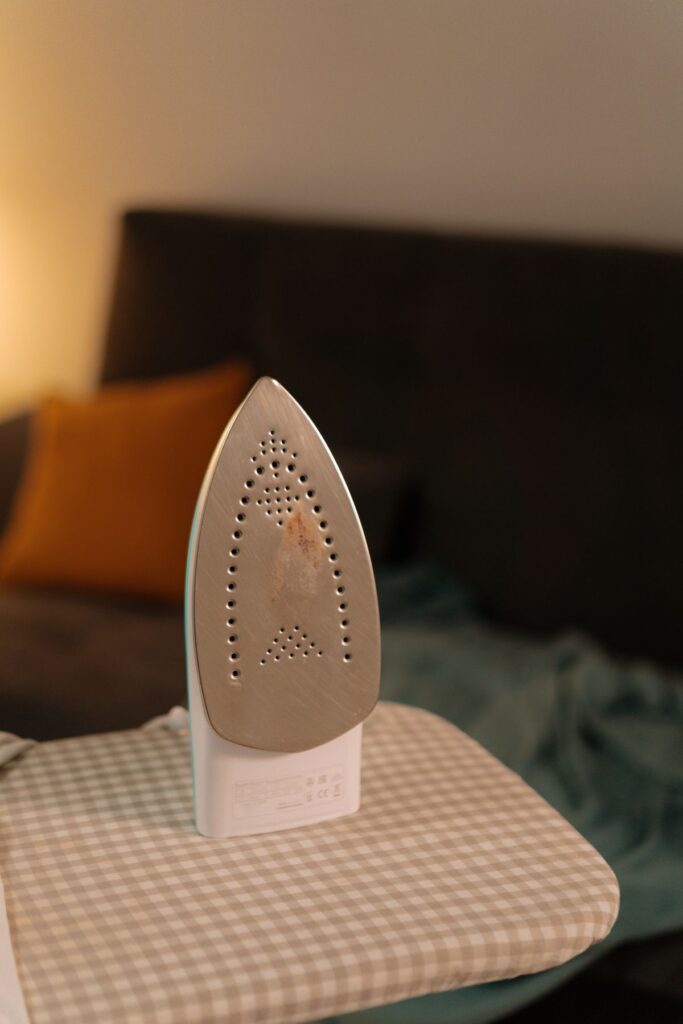
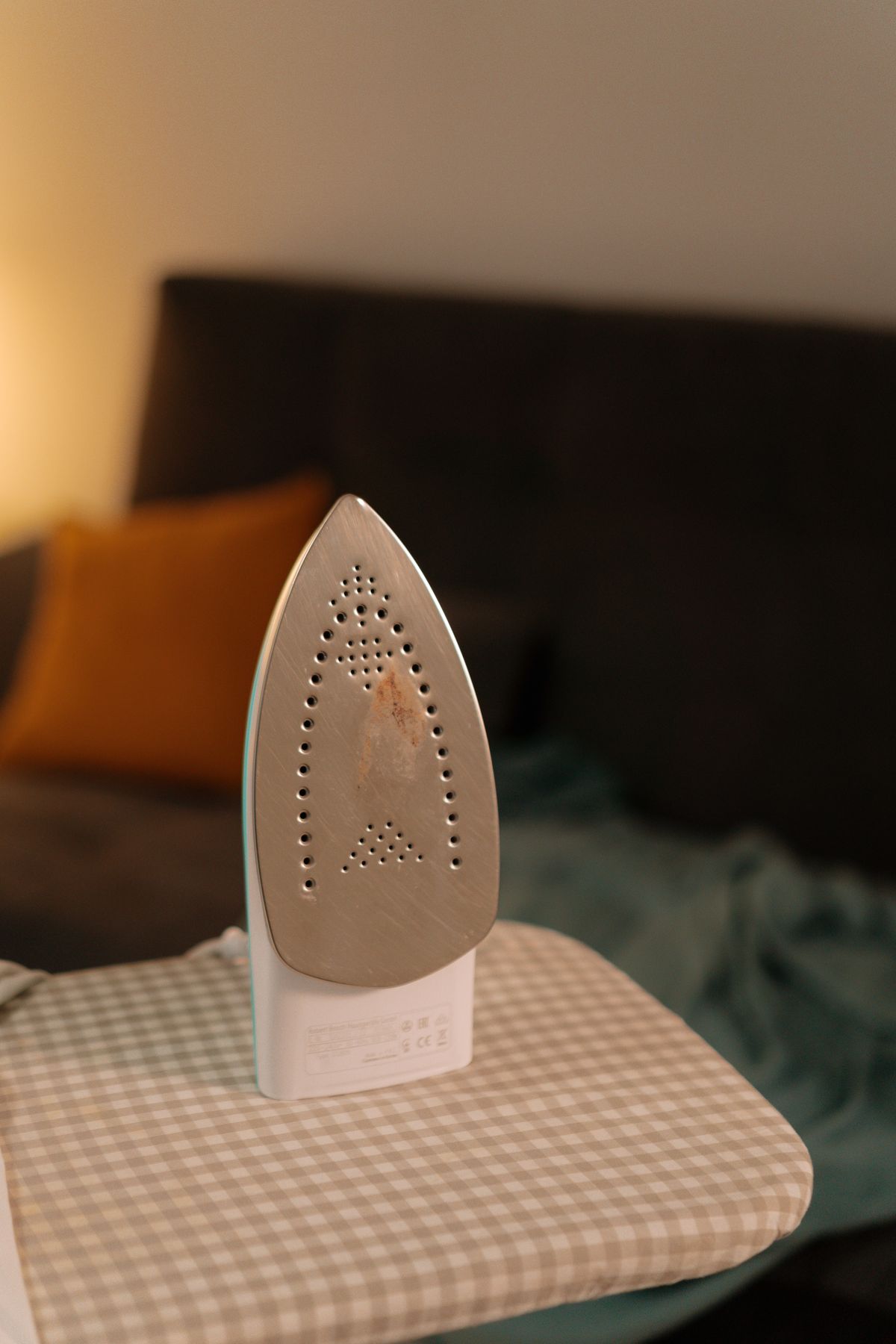
Clothes iron on an ironing board
Illustrative iron; not a verified Rowenta model. Photo: Pexels.

A wrinkle-removal tool is worthwhile when it fits the clothes you wear, not simply because a demonstration makes it look quick. Pressing a shirt collar and refreshing a hanging garment are different jobs. Decide which result matters most before choosing.

Compare the finish you want

Priority Steam iron Garment steamer
Crisp creases or shaping Supported pressing is its main strength Check whether the model also presses
Hanging touch-ups Some offer vertical steam A main use for suitable garments
Work area Needs an appropriate pressing surface Needs a suitable hanging and operating area

When an iron is the better first purchase

If you regularly want a defined collar, cuff or crease, direct pressing can be useful. Compare the soleplate, temperature controls and how easily the tool reaches small areas. A steam iron still needs the surface and technique specified in its instructions.

Include the board or pressing surface in the full cost and storage footprint. A compact board can be convenient, but it should support the task without an unstable setup. If you already own a serviceable iron and board, replacing them with a steamer may leave the crisp-finish job unsolved.

When a steamer makes more sense

A suitable handheld steamer can be convenient for a few compatible garments before going out. A standing model may suit longer sessions, though it occupies more space. Compare usable tank capacity, handling and the manufacturer’s stated operating conditions rather than buying on maximum steam output alone.

Rowenta’s range includes combined steaming and ironing products, illustrating that the categories overlap. Check whether a particular device can actually press horizontally and what support it needs. A product advertised with vertical steam is not necessarily a full substitute for an iron in every task.

Fabric instructions decide what you can treat

Read the garment label and the appliance instructions, including guidance around trims, coatings and heat-sensitive components. Do not assume steam is suitable merely because a garment cannot be ironed. Test only as the instructions allow, and use the recommended setting or distance.

Also review water requirements, descaling and cool-down steps. A large tank is less helpful if maintenance is awkward or the filled device feels tiring to hold. Check cord reach and the permitted resting position; you need somewhere appropriate to set the appliance during and after use.

What is worth paying for?

Choose iron-first for a wardrobe requiring regular pressing. Choose steamer-first for compatible quick touch-ups where a relaxed finish is acceptable. Pay for a hybrid only when both functions are documented and useful. Keep the tool you already have if it gives the finish you want without an inconvenient setup.

Compare listings in your country

These buttons open matching Amazon search results, rather than a guaranteed in-stock offer. Confirm the exact model, seller, included parts, delivered price and return terms. Prices and availability can differ between the United States and Canada.

steam irons

garment steamers

Related guides on My Indoor Space

Sources and research

Person holding a laundry basket filled with clothes
Laundry & Cleaning

Plastic vs Fabric Laundry Basket: Which Is Easier to Carry and Store?

Disclosure: As an Amazon Associate, My Indoor Space earns from qualifying purchases through links in this article, at no extra cost to you.

Quick verdict

Choose a rigid plastic basket when a structured shape and wipeable body fit your laundry routine. Choose a collapsible fabric basket when empty storage and flexible carrying matter more. Check the actual care and wet-load instructions; fabric does not automatically mean washable or waterproof.

Research-based buying guide. Information checked October 16, 2026. We have not tested these products hands-on; published specifications and our buying judgments are identified separately.

plastic laundry baskets

fabric laundry baskets

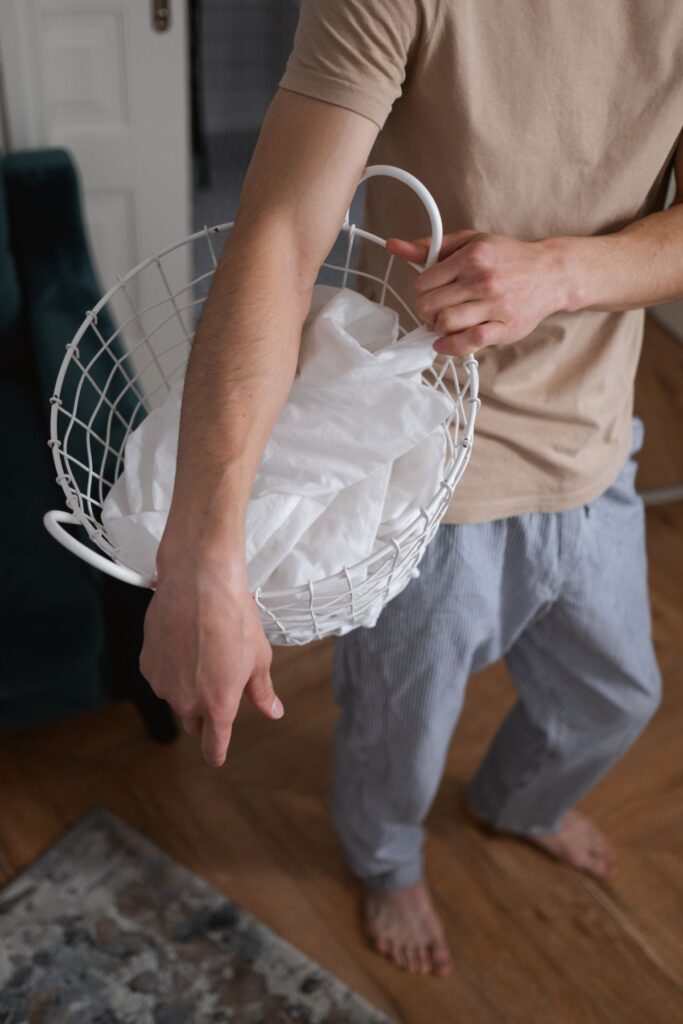
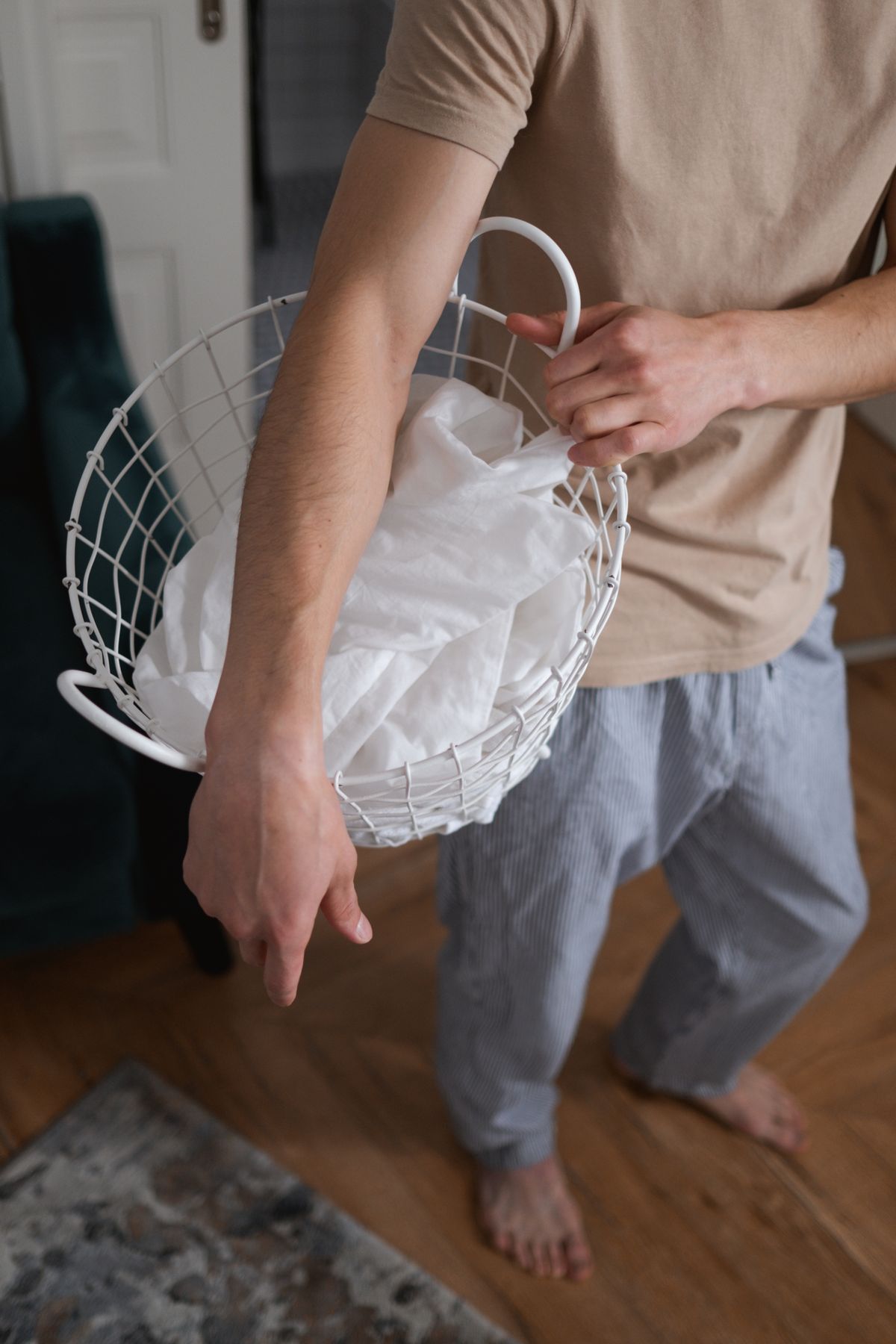
Person holding a laundry basket filled with clothes
Illustrative laundry basket; not a verified comparison model. Photo: Pexels.

A laundry basket should work along the route between bedroom, washer and drying area. The opening must fit the load, the handles must suit the carry, and the empty basket needs somewhere to live. Plastic and fabric change those details more than a simple capacity number suggests.

Compare the whole routine

Priority Rigid plastic Fabric or collapsible design
Shape while loading Structure stays in place Check how the model holds itself open
Empty storage Needs room for its full shape Some collapse substantially
Care Check body and handle instructions Check fabric, coatings and rigid parts

When plastic is the straightforward choice

A rigid basket can be convenient beside a washer or while sorting on the floor. Sterilite’s HipHold design illustrates a basket shaped for carrying against the body. Whether that is comfortable depends on your grip, the full load and the distance involved—not just the product name.

Check the handle openings and rim. A loaded basket can be awkward even if the empty one feels light. Measure doorways and narrow corners along the route. A wide basket that fits the laundry volume may still be inconvenient on stairs or through a shared laundry-room door.

When fabric earns its place

A collapsible fabric basket can suit a small cupboard or a trip to communal machines. Joseph Joseph’s Hold-All is an example designed to maintain its shape when empty and collapse for storage. Other fabric bags may behave differently, so check the opening and base rather than assuming all cloth products stand upright.

Look at how the handles meet the body and whether you need one hand or two for the intended load. Long handles can be useful for some carries but awkward if the base drags or the opening closes on folded clothes. Choose the arrangement that suits the route you actually walk.

Check damp-load and cleaning guidance

A material label does not tell you whether a basket is intended for wet washing. Check liners, coatings and drying instructions. A fabric basket may not be machine washable, particularly when it contains a rigid base or reinforcing parts. A rigid plastic basket can also have components needing particular care.

For both designs, consider how you will keep the basket clean between dirty clothes and freshly laundered items. Let it dry as directed before storing it collapsed. If you want separate clean and dirty containers, two simple suitable baskets may be more useful than one premium oversized one.

Which offers better value?

Buy plastic when fixed structure and the carry shape solve the job. Buy fabric when empty storage is a genuine constraint and the construction suits your loads. Keep an existing basket with sound handles if it already works well; replacing it solely for a larger capacity may encourage a heavier, less manageable carry.

Compare listings in your country

These buttons open matching Amazon search results, rather than a guaranteed in-stock offer. Confirm the exact model, seller, included parts, delivered price and return terms. Prices and availability can differ between the United States and Canada.

plastic laundry baskets

fabric laundry baskets

Related guides on My Indoor Space

Sources and research

Living room with an area rug on wood flooring
DIY & Decorating

Felt vs Rubber Rug Pad: Which Does Your Room Need?

Disclosure: As an Amazon Associate, My Indoor Space earns from qualifying purchases through links in this article, at no extra cost to you.

Quick verdict

Choose felt when cushioning is the main need and a non-slip layer is unnecessary for the installation. Choose an appropriate gripping pad when movement is the problem. Felt-and-rubber products combine functions, but every option still needs approval for your floor and rug.

Research-based buying guide. Information checked October 16, 2026. We have not tested these products hands-on; published specifications and our buying judgments are identified separately.

felt rug pads

rubber-backed rug pads

Living room with an area rug on wood flooring
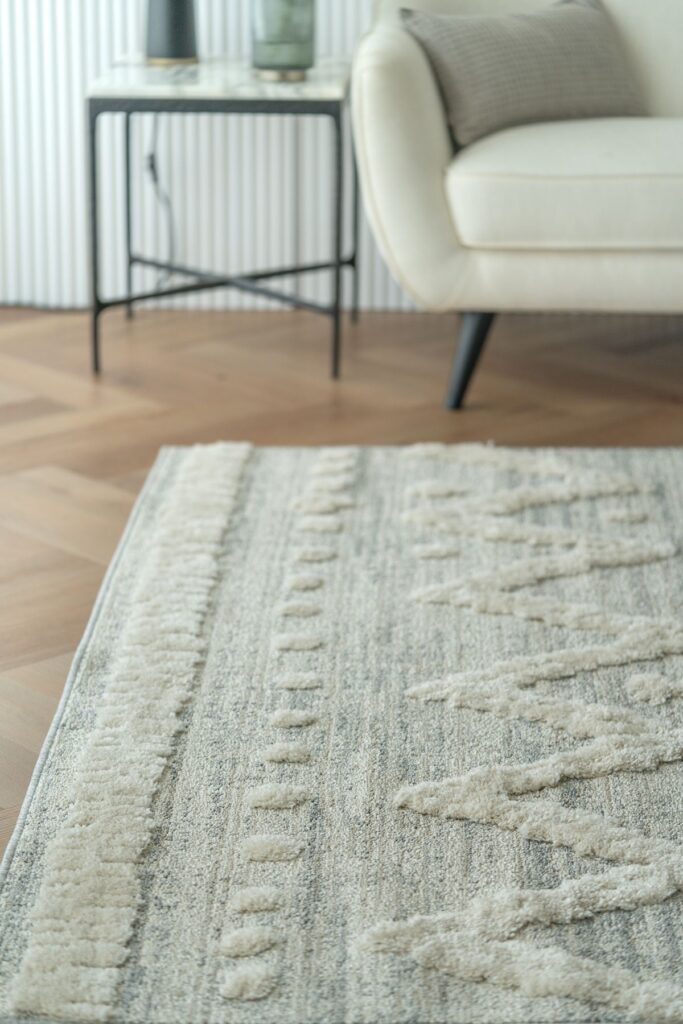
Illustrative room; the floor finish and rug pad are not identified. Photo: Pexels.

A rug pad can add cushioning, grip or both. Those are different jobs. Buying the thickest pad may make a rug feel softer without stopping it moving, while a thin gripping layer may leave the feel almost unchanged. Identify the problem before choosing a material.

Compare the functions

Need Plain felt Suitable rubber-backed or grip pad
Cushioning Depends on thickness and density Depends on whether felt or cushioning is included
Floor grip Not inherently a non-slip layer Designed for grip; check floor approval
Low clearance Check combined thickness Thin options may suit; verify the model

When plain felt is enough

RugPadUSA describes its felt range for larger rugs that do not require a non-slip layer. That distinction matters if your actual problem is a small runner sliding on a smooth surface. More felt thickness is not the same as adding a gripping backing.

Choose cushioning by the feel and clearance you need, rather than assuming maximum thickness is best. A thicker combination can interfere with a door, create a more noticeable edge or change how furniture sits. Check the rug and pad together in the intended location.

When a gripping layer matters

For a rug that moves, look for a product intended to grip your type of flooring. Combined felt-and-rubber pads can offer both cushioning and grip. Compare the actual construction: a generic “rubber” description may refer to a different material or backing from the product beside it.

Do not assume any backing is approved for every wood finish, vinyl product or heated floor. Check both the flooring maker’s restrictions and the pad manufacturer’s compatibility guidance. If a finish is new or recently treated, confirm any waiting period before covering it.

Size and trimming need a plan

Measure the rug itself rather than relying only on its nominal retail size. Follow the pad maker’s sizing guidance so edges remain covered and the rug lies as intended. A pad protruding into the walkway is not a useful result, however comfortable it feels in the middle.

Check whether the product can be trimmed and which method is recommended. Irregular shapes and runners may need a more deliberate fit than a standard rectangular rug. For a washable rug system, confirm whether it requires its own specific base instead of an unrelated aftermarket pad.

The value decision

Buy plain felt when extra cushioning is the verified requirement. Buy an appropriate grip or combined pad when movement is the issue. Keep a working pad that remains compatible and in good condition. If the rug’s corners curl or the backing is damaged, assess that problem directly rather than expecting a thicker pad to conceal it.

Compare listings in your country

These buttons open matching Amazon search results, rather than a guaranteed in-stock offer. Confirm the exact model, seller, included parts, delivered price and return terms. Prices and availability can differ between the United States and Canada.

felt rug pads

rubber-backed rug pads

Related guides on My Indoor Space

Sources and research

Pump bottles arranged with bathroom essentials
Home Organization

Tension-Pole vs Hanging Shower Caddy: Which Fits Your Bathroom?

Disclosure: As an Amazon Associate, My Indoor Space earns from qualifying purchases through links in this article, at no extra cost to you.

Quick verdict

Choose a tension pole when the exact model can fit between approved support surfaces and you need flexible shelf placement. Choose a hanging caddy when its mounting point and shower fittings are compatible. Check the installation first; bottle capacity is secondary to a secure fit.

Research-based buying guide. Information checked October 16, 2026. We have not tested these products hands-on; published specifications and our buying judgments are identified separately.

tension-pole shower caddies

hanging shower caddies

Pump bottles arranged with bathroom essentials
Illustrative toiletries; neither caddy is shown or tested. Photo: Pexels.

A caddy can remove bottles from a crowded tub edge, but the best arrangement depends on the surfaces and fixtures already in the shower. A tall pole and a compact hanging basket use the room differently. Measure the installation area before comparing shelf counts.

The useful comparison

Question Tension pole Hanging caddy
Support Approved top and bottom surfaces Compatible showerhead or door arrangement
Shelf location Can offer a wider vertical layout Concentrated around the hanging position
Fit issue Height range and corner clearance Head, hose, door and bracket clearance

When a tension pole makes sense

A pole can put several shelves in a corner without concentrating everything around the showerhead. simplehuman offers more than one height version, so measure between the actual intended support surfaces. Ceiling height elsewhere in the bathroom may not describe a tub ledge or a sloped area.

Confirm the surfaces and installation permitted by the manual. A suspended ceiling or a flexible panel should not be assumed suitable. Check the base position, spring adjustment and required clearances. Tension is a mounting system with requirements, not a universal way to install storage anywhere.

When hanging is the simpler choice

A hanging design can work well for a modest number of bottles where the shower fixtures leave room. Check the showerhead stem, hose path and any stabilizing parts. A handheld shower arrangement may require a different model from a fixed-head setup.

simplehuman’s hanging range distinguishes models and compatibility features. Do not transfer the extra-large version’s capabilities to a medium listing. An over-door caddy is another arrangement again: door thickness and closing clearance matter, not just its resemblance to a showerhead-hung basket.

Measure bottles and cleaning access

Record your tallest bottle with its pump raised, plus any inverted bottle you want to store. Compare usable shelf depth and spacing. Adjustable shelves are useful only if they move far enough and can be secured as instructed. A deep family-size bottle can take more room than several slim ones.

Think about reaching behind the caddy to clean the wall and around its base or brackets. Drainage helps keep shelves usable, but it does not eliminate soap residue or maintenance. Follow the finish’s cleaning instructions rather than assuming all metal caddies tolerate the same bathroom products.

What is worth paying for?

Pay for a verified fit, practical adjustability and access to the bottles you use. Choose a basic hanging option when it handles a small routine without interfering with fixtures. Keep an existing caddy if it is securely installed and organized well; buying more shelves can simply make room for bottles you no longer need.

Compare listings in your country

These buttons open matching Amazon search results, rather than a guaranteed in-stock offer. Confirm the exact model, seller, included parts, delivered price and return terms. Prices and availability can differ between the United States and Canada.

tension-pole shower caddies

hanging shower caddies

Related guides on My Indoor Space

Sources and research

White shower curtain inside a tiled bathroom
DIY & Decorating

Curved vs Straight Shower Curtain Rod: Is the Extra Space Worth It?

Disclosure: As an Amazon Associate, My Indoor Space earns from qualifying purchases through links in this article, at no extra cost to you.

Quick verdict

Choose curved when moving the curtain outward creates useful room without obstructing the bathroom. Choose straight when a compact footprint and an existing fit work better. Curvature and mounting method are separate choices: a curved rod is not necessarily drill-free.

Research-based buying guide. Information checked October 16, 2026. We have not tested these products hands-on; published specifications and our buying judgments are identified separately.

curved shower rods

straight shower rods

White shower curtain inside a tiled bathroom
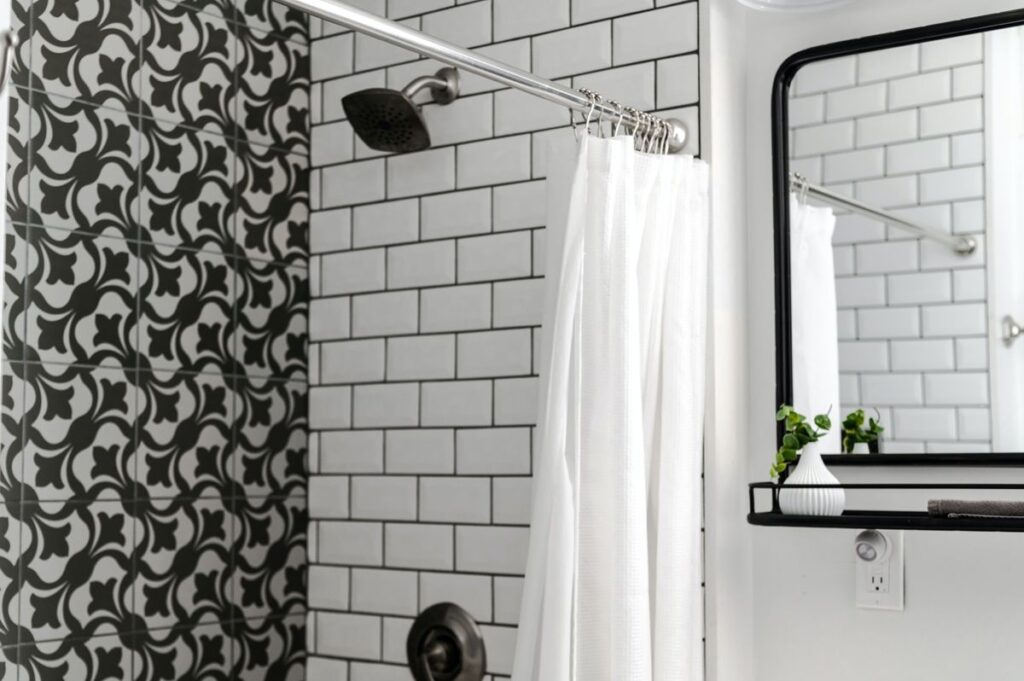
Illustrative bathroom; no Moen rod model is identified. Photo: Pexels.

A curved rod can move the curtain away from your body inside the tub, but that space comes from somewhere. In a narrow bathroom, the curtain may project farther toward the toilet, sink or doorway. Evaluate both sides of the curtain before buying an upgrade.

Compare shape and installation separately

Decision Curved rod Straight rod
Curtain position Projects outward along the curve Follows a straighter path between supports
Room outside tub Check the added projection Often suits a compact layout
Mounting Check tension or fixed model Check tension or fixed model

When a curved rod solves a problem

If your current curtain crowds the bathing area, a suitable curve may improve the usable space. Moen describes this as extra room in its curved-rod range. The benefit depends on the actual rod’s projection and the tub layout, not merely the word “curved.”

Measure the outside clearance with the curtain closed. Consider a towel rail, furniture edge or toilet lid that could contact it. Also check that the curtain and liner can remain where they need to be to manage shower spray. A larger-looking space is not useful if the curtain no longer fits the tub properly.

Do not confuse shape with drill-free mounting

Moen lists both fixed and tension-based curved designs. The cited CSR2172 tension model has a specific adjustment range; other rods in the range use different mounting arrangements. Match the model number to its installation sheet rather than assuming one brand’s whole range works the same way.

For a rental, confirm permission where fixing is required. A tension product also needs appropriate opposing surfaces and the installation method the manufacturer specifies. It should not be treated as guaranteed damage-free on every paint, tile or panel finish.

Check the complete curtain setup

Measure the wall-to-wall distance at the intended mounting height. Then check rod range, ring compatibility, liner width and the curtain’s finished drop. Existing curtains may work with a new rod, but a general “standard curtain” statement does not replace checking your dimensions.

Include brackets, covers and any required fixings in the cost. Review how rings pass over joints and whether a double-rod design adds more space than you need. A finish that matches the taps can be attractive, but fit and installation are the features that make the purchase practical.

When should you keep the straight rod?

Keep it when the curtain hangs comfortably and the compact layout suits the room. Upgrade to a verified curved model when curtain crowding is a recurring issue and outside clearance allows it. If the real problem is a poorly sized liner or loose installation, fix that cause before buying a different shape.

Compare listings in your country

These buttons open matching Amazon search results, rather than a guaranteed in-stock offer. Confirm the exact model, seller, included parts, delivered price and return terms. Prices and availability can differ between the United States and Canada.

curved shower rods

straight shower rods

Related guides on My Indoor Space

Sources and research

Person standing on a green bathroom mat
Bedroom & Comfort

Cotton Bath Mat vs Stone Bath Mat: Which Is Easier to Keep?

Disclosure: As an Amazon Associate, My Indoor Space earns from qualifying purchases through links in this article, at no extra cost to you.

Quick verdict

Choose cotton if you prefer a soft textile and a laundry routine. Consider a stone mat if you prefer a firm surface and can meet its support and cleaning requirements. Quick drying does not mean maintenance-free, and a stone mat is not automatically suitable for every floor.

Research-based buying guide. Information checked October 16, 2026. We have not tested these products hands-on; published specifications and our buying judgments are identified separately.

cotton bath mats

stone bath mats

Person standing on a green bathroom mat
Illustrative mat; its material and brand are not verified. Photo: Pexels.

A bath mat is a daily-use surface, so feel and maintenance deserve as much attention as appearance. Cotton and stone-style mats offer different routines: one is a textile you care for according to its laundry label, while the other needs the manufacturer’s surface-cleaning method and a suitable base.

Compare the ownership routine

Question Cotton mat Stone-style mat
Underfoot feel Soft textile; thickness varies Firm surface
Cleaning Follow wash and dry instructions Follow surface-care instructions
Placement Check backing and floor compatibility Check required flat support and supplied pad

When cotton is the practical choice

A cotton mat can suit someone who prefers a familiar fabric surface and has a convenient way to wash and dry it. Brooklinen’s cited product uses cotton; other mats that look similar may contain blends or different backing materials. Read the complete composition before choosing a care method.

Check thickness beneath the bathroom door and whether you can hang the mat between uses. A plush design can feel appealing, but it still needs a drying routine. If laundry happens less frequently, a second suitable mat for rotation may be more useful than buying a single oversized one.

When stone is worth considering

Diatomaceous-earth bath mats are sold for absorbency and quick drying. Dorai’s instructions also describe cleaning, residue removal and occasional surface maintenance. Those requirements matter: do not interpret a quick-drying claim as a promise that the product never stains or needs attention.

Check the actual product’s support and load requirements. Dorai specifies a flat, hard surface and a supplied support pad for its bath stone. Uneven tile, soft flooring or an unsupported edge can make a particular placement unsuitable. A modular design and a single slab may have different instructions.

Floor fit comes before appearance

Measure the landing area outside the shower, the door swing and nearby storage. A mat that overlaps another floor covering or sits awkwardly across a threshold can interfere with movement. Choose the size that fits the usable space rather than the largest option in a promotional photograph.

Follow the flooring manufacturer’s guidance for backing and moisture. Neither cotton nor stone guarantees slip resistance in every arrangement. Check the mat’s intended use, keep its base and the floor appropriately maintained, and do not assume a decorative rug is an equivalent bath product.

Which is better value?

Buy cotton when softness and ordinary laundering fit your routine. Pay for stone when you prefer its feel and will follow the specific care process. Keep a suitable mat that already dries and cleans well; changing material is worthwhile when it solves a real maintenance or comfort preference, not merely because the newer option looks tidy online.

Compare listings in your country

These buttons open matching Amazon search results, rather than a guaranteed in-stock offer. Confirm the exact model, seller, included parts, delivered price and return terms. Prices and availability can differ between the United States and Canada.

cotton bath mats

stone bath mats

Related guides on My Indoor Space

Sources and research

Scroll to Top